

Ozempic and Mounjaro are weekly injectable prescription medications designed for people with type 2 diabetes, but many patients and clinicians also discuss their off-label role in weight management. The key difference is how they work: Ozempic contains semaglutide, a GLP-1 agonist, while Mounjaro uses tirzepatide, a dual GIP/GLP-1 agonist that often leads to stronger appetite control and greater weight loss. Because the medications vary in safety, dosing, cost, and suitability, a medical assessment is essential before starting either one.
What Are Ozempic and Mounjaro?
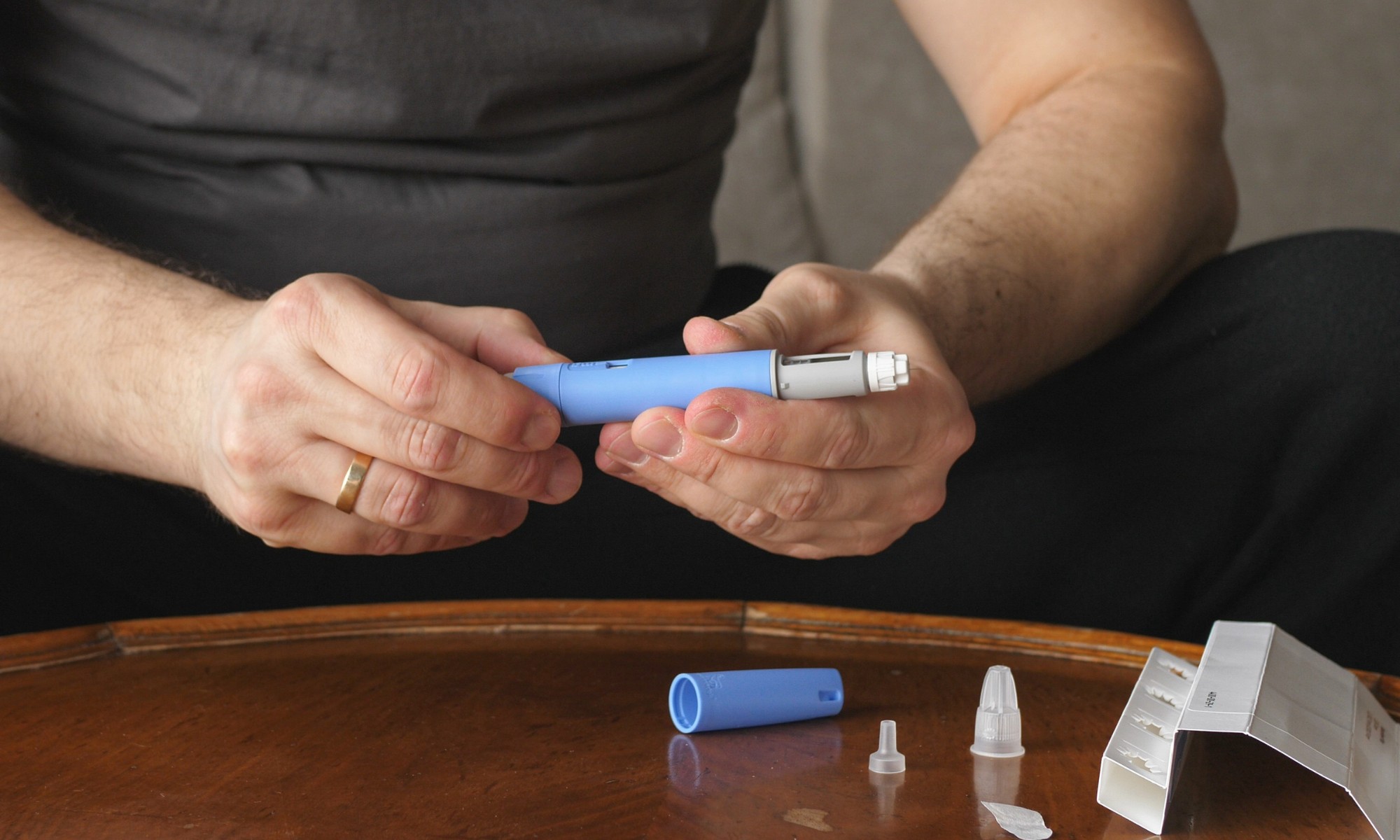
Both medications belong to the incretin-mimicking family of drugs and are given once weekly. They help regulate blood sugar and improve overall metabolic health for those with type 2 diabetes.
Although widely discussed for weight loss, the FDA-approved versions specifically for obesity are Wegovy (semaglutide) and Zepbound (tirzepatide).
GLOJAS Specialist Clinic offers expert, medically supervised guidance for patients seeking Ozempic Malaysia, providing consultant-led evaluations, safe prescribing, and personalised metabolic treatment plans. Our clinical team ensures evidence-based care, ongoing monitoring, and supportive lifestyle coaching to help patients achieve effective, safe, and sustainable weight and diabetes management.
How They Work
Ozempic (Semaglutide – GLP-1 Agonist)
Ozempic acts like the natural GLP-1 hormone. It:
Slows how quickly food leaves the stomach
Reduces appetite and cravings
Helps the pancreas release insulin when blood sugar rises
Supports steadier blood glucose and improved satiety
Mounjaro (Tirzepatide – Dual GIP/GLP-1 Agonist)
Mounjaro targets two incretin receptors instead of one. This dual action:
Enhances appetite suppression
Improves glucose control more powerfully
Supports more efficient metabolism
Often results in more noticeable weight changes compared with semaglutide at similar diabetes doses
Efficacy: How Do They Compare?
Blood Glucose Control
Ozempic: Lowers A1C by roughly 1.0–1.8%.
Mounjaro: Can reduce A1C up to 2.0–2.5%, and head-to-head studies often show stronger results.
Weight Loss
Although doses differ between diabetes and obesity treatments, outcomes follow a consistent pattern:
Ozempic: Average loss of about 4–6 kg in diabetes trials
Mounjaro: Typically 7–12 kg depending on dose
Higher, obesity-targeted doses of Wegovy and Zepbound deliver even greater reductions
Cardiovascular Benefits
Ozempic: Has established cardiovascular risk-reduction data.
Mounjaro: A major CV outcomes trial is underway; early findings are promising but not yet confirmed by regulatory approval.
Dosing & How They’re Taken
Both come as prefilled pens for once-weekly subcutaneous injection.
Ozempic
Titrates slowly from 0.25 mg to 0.5 mg, 1 mg, or up to 2 mg weekly.
Because it has been available longer, some patients find it easier to access.
Mounjaro
Starts at 2.5 mg and gradually increases through several strengths up to 15 mg weekly.
The wider dose range gives clinicians more flexibility for tailoring treatment and managing side effects.
Side Effects & Safety
Most side effects occur because these medications slow digestion.
Common Side Effects (Both)
Nausea
Vomiting
Diarrhoea or constipation
Abdominal discomfort
Lower appetite
Less Common but Important
Gallbladder issues, including gallstones
Pancreatitis (rare but serious)
Thyroid C-cell tumours seen in animal studies (uncertain relevance to humans)
Key Differences
Mounjaro may cause slightly more digestive issues at higher doses due to dual incretin activity.
Ozempic has the longest track record and more long-term outcome data.
Not Suitable For (Both)
People with a personal or family history of medullary thyroid carcinoma (MTC)
Individuals with MEN2
Those who are pregnant or planning pregnancy
A clinician should always review your medical history before choosing therapy.
Which Medication Supports Better Weight Loss?
Overall, Mounjaro tends to produce greater weight-loss results, though everyone responds differently.
Your best option may depend on:
How your body tolerates the medication
Cost and availability
Cardiovascular history
Personal goals and response during the first few months of treatment
Which Is Better for Diabetes Control?
Mounjaro typically offers stronger A1C reduction, but:
Patients with established cardiovascular disease may benefit more from Ozempic’s proven CV protection
Insurance coverage for each drug varies widely
Both medications lower insulin requirements and improve metabolic markers
Cost & Insurance
Both medications are expensive without insurance.
Coverage is usually better for type 2 diabetes than for weight loss.
Some insurers require proof that other treatments have not worked before approving either drug.
Who Might Prefer Ozempic?
Those with type 2 diabetes and cardiovascular disease
Patients who find tirzepatide’s GI effects too strong
People who value semaglutide’s long-term safety data
Patients with stronger insurance coverage for GLP-1 monotherapy
Who Might Prefer Mounjaro?
Patients wanting the most potent A1C reduction
Individuals aiming for larger weight-loss outcomes
Those who tolerate dual-agonist therapy well
Anyone with insurance coverage for tirzepatide-based treatments
Lifestyle Still Matters
These medications work best when paired with sustainable everyday habits, including:
A high-protein, balanced diet
Consistent resistance and aerobic exercise
Adequate hydration
Quality sleep and stress management
Medication enhances metabolic health, but lifestyle changes drive long-term results.
FAQs
Is Mounjaro stronger than Ozempic?
In most clinical trials, yes. Mounjaro generally provides greater A1C improvement and more significant weight loss.
Is Ozempic safer?
Both have similar side-effect profiles, but Ozempic has more established cardiovascular outcome data.
Can you switch from Ozempic to Mounjaro?
You can, but only under medical guidance. Dose adjustments and GI symptom monitoring are essential during transitions.
Can people without diabetes use them?
The diabetes versions aren’t approved for weight loss. Wegovy and Zepbound are the approved options. Off-label use requires specialist oversight.
Which works best for reducing belly fat?
Both reduce visceral fat, but Mounjaro often leads to greater overall and central fat loss.
How quickly do they work?
Blood sugar improvements often appear within 1–2 weeks. Weight changes typically accelerate after dose escalation around 6–12 weeks.
Can they stop working over time?
Plateaus are normal. Adjusting dose, reviewing lifestyle habits, or changing medications can help when supervised by a clinician.