
Dealing with a scar that just won’t quit? You aren’t alone. In Malaysia, where our skin is often exposed to humidity and a variety of environmental factors, keloid scars are a common concern. Whether it’s a piercing gone wrong or a reminder of a past surgery, getting that smooth skin back is a top priority for many.
GLOJAS Specialist Clinic Kuala Lumpur offers premier keloid scar treatment in Malaysia, utilizing expert steroid injections and advanced laser technology to effectively flatten scars and restore skin confidence.
What Is a Keloid Scar?

Definition and Medical Overview
A keloid is essentially an overgrowth of scar tissue. Unlike a normal scar that stays within the lines of the original wound, a keloid is a “rule-breaker.” It keeps growing even after the wound has healed, creating a raised, firm, and often shiny bump on the skin. According to the American Academy of Dermatology, these are benign (non-cancerous) but can be quite stubborn to manage.
How Keloid Scars Form
When your skin is injured, your body rushes to produce collagen to bridge the gap. In some people, the “off switch” for collagen production fails. The body keeps pumping out protein, leading to a thickened, rubbery lesion that can eventually become larger than the initial injury.
Keloid Scar vs Hypertrophic Scar
It’s easy to mix them up! A hypertrophic scar stays within the boundaries of the original wound and often flattens over time. A keloid, however, spreads like wildfire beyond the original cut and rarely disappears on its own without medical intervention.
Causes and Risk Factors of Keloid Scars
Genetic and Skin Type Factors
Genetics play a huge role. If your parents have keloids, you’re more likely to develop them. Research on keloid genetics suggests that certain genes influence how our skin responds to trauma.
Common Triggers (Acne, Surgery, Piercing, Burns)
Anything that breaks the skin can trigger a keloid. This includes:
Acne: Especially deep cystic acne on the jawline or back.
Piercings: Earlobes are a prime target.
Surgery: C-section scars or heart surgery incisions.
Burns: Deep thermal or chemical burns.
Who Is Most Prone to Keloid Scars in Malaysia
In Malaysia, we see a higher prevalence among individuals with darker skin tones, including those of Malay, Indian, and certain Chinese descents. Higher melanin levels are often linked to a more aggressive fibroproliferative response (aka, more scar tissue).
Common Areas Affected by Keloid Scars
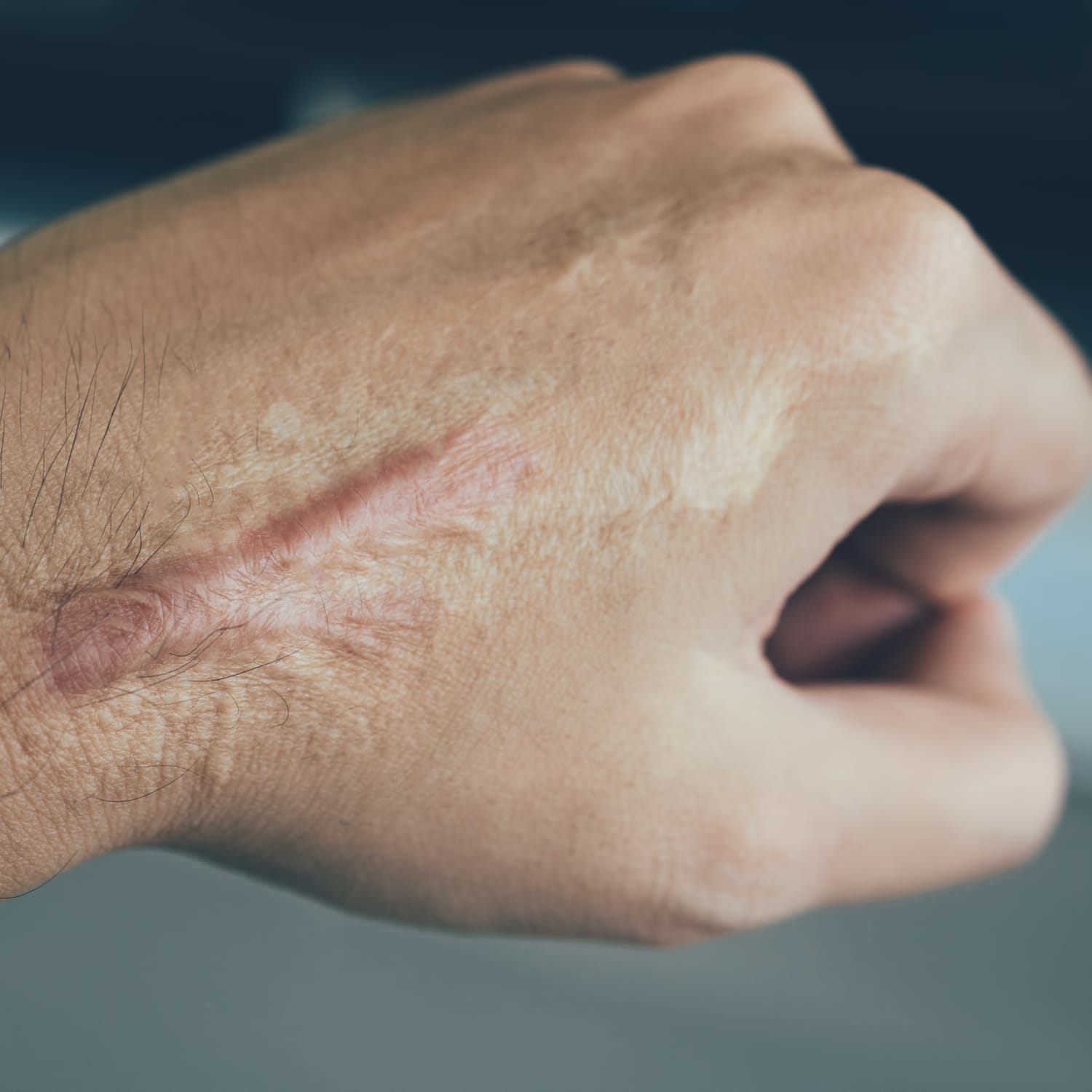
Keloid Scars on Face and Jawline
This is often the most distressing area. Jawline keloids are frequently caused by severe acne and can affect one’s confidence significantly.
Chest, Shoulders, and Upper Back
The skin here is under constant tension from movement, which makes it a “hot zone” for keloid growth after minor scratches or surgery.
Ear Keloid Scars (Piercing-Related)
Ever noticed a firm “grape-like” lump after an ear piercing? That’s a classic ear keloid. They can grow on the lobe or the cartilage (industrial piercings).
Symptoms and Complications of Keloid Scars
Pain, Itching, and Discomfort
Keloids aren’t just a cosmetic issue. They can be itchy, tender, or even cause sharp pains as they grow and tighten the surrounding skin.
Cosmetic and Psychological Impact
Beyond the physical, keloids can affect mental well-being. Many people feel self-conscious about visible scars, leading to a search for effective aesthetic solutions.
Progressive Growth and Recurrence Risk
The trickiest part? If you cut a keloid out without the right follow-up, it might come back even bigger. This “rebound effect” is why professional treatment is vital.
Diagnosis of Keloid Scars
Clinical Examination by Specialist
Most dermatologists in Malaysia can diagnose a keloid just by looking at it. They’ll check the texture, color, and whether it has spread beyond the original wound site.
When Biopsy Is Required
If the scar looks unusual or is growing rapidly in an odd way, a doctor might perform a skin biopsy to rule out more serious skin conditions. You can learn more about skin biopsy procedures to understand what to expect.
Differentiating Keloid from Other Scar Types
The specialist will distinguish it from hypertrophic scars or dermatofibromas to ensure the treatment plan actually works.
Keloid Scar Treatment Options in Malaysia
Steroid Injection for Keloid Scar
The “gold standard.” Corticosteroid injections help flatten the scar and reduce itching by breaking down the excess collagen.
Laser Treatment for Keloid Scar
Vascular lasers (like Pulsed Dye Laser) target the blood vessels feeding the scar, reducing redness and shrinking the tissue.
Cryotherapy (Freezing Treatment)
This involves using liquid nitrogen to freeze the keloid from the inside out. It’s effective for smaller keloids, though it may cause some skin lightening.
Surgical Removal of Keloid Scar
For very large keloids, surgery is an option, but it is always paired with other treatments (like injections) to prevent the scar from returning.
Combination Therapy for Severe Keloids
The best results usually come from a “cocktail” approach—combining lasers, injections, and silicone sheets.
Advanced Medical and Aesthetic Treatments
Silicone Gel and Pressure Therapy
Applying silicone sheets or pressure earrings helps hydrate the scar and physically prevents it from rising.
Radiofrequency and Energy-Based Devices
Newer tech uses radiofrequency to remodel the collagen deep within the skin without the downtime of traditional surgery.
Post-Treatment Scar Modulation Therapy
This involves ongoing care to ensure the skin remains supple and the collagen fibers stay organized.
Recovery and Aftercare for Keloid Scar Treatment
Healing Timeline and Expected Results
Don’t expect an overnight miracle. Most treatments require 4 to 8 sessions spaced weeks apart. You’ll notice the scar softening first, followed by flattening.
Reducing Recurrence After Treatment
The secret to success is consistency. Skipping an injection session can allow the keloid to start growing again.
Post-Treatment Lifestyle and Skincare Advice
Keep the area out of the sun! UV rays can darken the scar permanently. Using a high-quality SPF is non-negotiable.
Keloid Scar Treatment Results and Success Rates
Visible Improvement and Symptom Relief
Most patients see a 50% to 80% reduction in scar height and almost total relief from itching and pain.
Factors Affecting Treatment Outcome
Your age, skin type, and the age of the scar all play a role. “Younger” scars (under 1 year) tend to respond faster.
Long-Term Management of Keloid Scars
Think of it as a journey, not a destination. Some people may need a “top-up” injection once a year to keep the scar flat.
Cost of Keloid Scar Treatment in Malaysia
Treatment Cost by Procedure Type
Steroid Injections: RM150 – RM400 per session.
Laser Therapy: RM400 – RM1,200 per session.
Surgery: RM2,000+.
Number of Sessions Required
Usually, a series of 3 to 6 sessions is needed for significant flattening.
Insurance and Medical Coverage Considerations
In Malaysia, if the keloid causes functional pain or is the result of an accident, some medical insurance policies may cover the treatment. Always check your policy first!
Choosing the Right Clinic for Keloid Scar Treatment
Specialist Credentials and Experience
Look for a board-certified dermatologist or a reputable aesthetic doctor with experience in “scar revision.”
Medical Technology and Safety Standards
Ensure the clinic uses FDA-approved lasers and maintains high hygiene standards to avoid infections.
Patient Assessment and Personalised Treatment Plan
Avoid “cookie-cutter” treatments. Your skin is unique, and your treatment plan should be too.
Keloid Scar FAQs
Can Keloid Scars Be Completely Removed?
While they can be flattened and faded to the point of being barely noticeable, the “tendency” for a keloid to form remains in your DNA.
Do Keloid Scars Come Back After Treatment?
There is a risk, but post-operative radiation or consistent steroid therapy significantly lowers the recurrence rate.
Are Keloid Scar Treatments Painful?
Injections can sting, and lasers feel like a rubber band snap, but most clinics use numbing cream to keep you comfortable.
Is Keloid Scar Treatment Safe for All Skin Types?
Yes, but the type of laser or cryotherapy must be adjusted for darker skin tones to prevent pigment changes.