
How Long Do Breast Implants Last?
The “10-year rule” is one of the most persistent myths in the aesthetic world. If you’ve been scrolling through forums or chatting with friends about breast augmentation, you’ve probably heard that implants come with an “expiry date.”
In reality, it’s not like a carton of milk. Modern breast implants in 2026 are engineered with high-strength shells and cohesive gels that can go the distance. While they aren’t technically “lifetime devices,” many women in Malaysia enjoy their results for 15 to 20 years—or even longer—without a single issue. Here’s the lowdown on how long your investment will actually last and what you need to keep an eye on.
Average Lifespan of Breast Implants
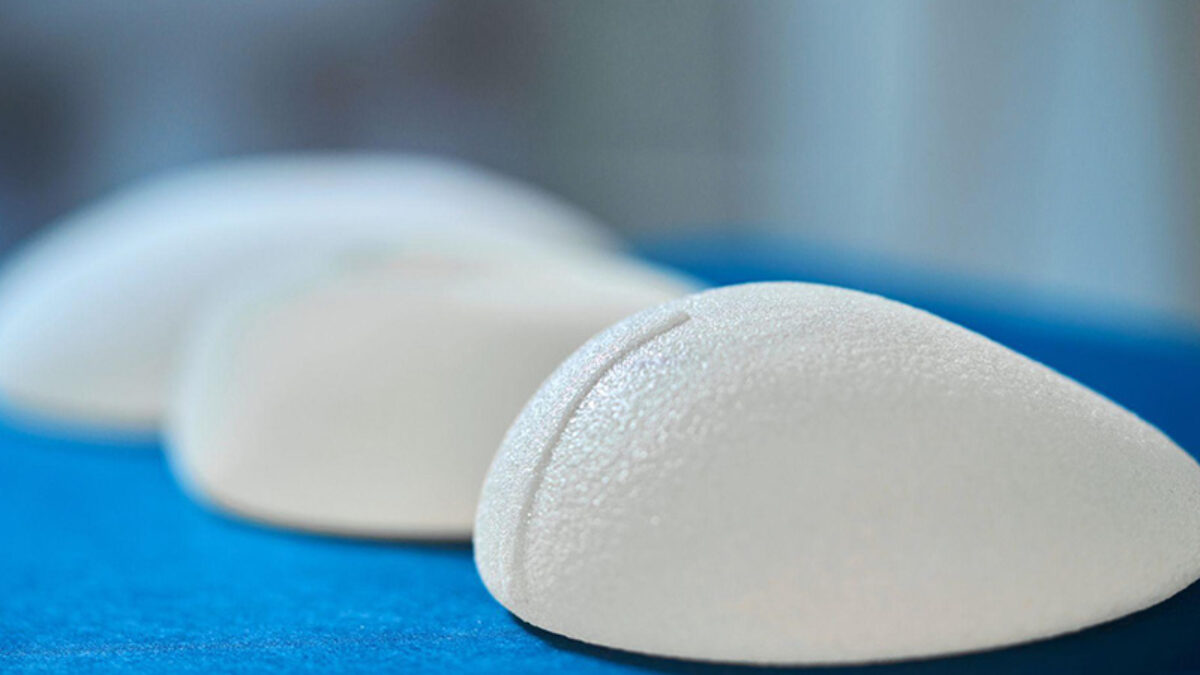
Think of breast implants like high-quality tires. They are built for long-term use, but “mileage” varies based on your body, lifestyle, and the type of tech inside them.
Typical Duration of Silicone and Saline Implants
The material matters. Saline implants usually have a lifespan of 10 to 15 years. Because they are filled with sterile saltwater, the shell can eventually wear down, leading to a visible leak. Silicone implants—the crowd favorite in Malaysia for their natural feel—tend to last longer, often 15 to 20+ years. Today’s “gummy bear” or highly cohesive silicone gels are designed to hold their shape even if the shell is compromised. Most manufacturers now offer long-term warranties that cover replacements for at least a decade, reflecting their confidence in device durability.
Factors That Affect Implant Longevity
Surgical Technique: How the “pocket” is created and whether a “no-touch” insertion sleeve is used can significantly lower the risk of early complications.
Placement: Implants placed under the muscle (submuscular) often face less “tissue thinning” over time compared to those over the muscle.
Lifestyle & Gravity: If you’re a marathon runner or high-impact gym enthusiast, the extra movement can put more “wear and tear” on your breast tissue and the implant interface.
Body Changes: Pregnancy, breastfeeding, and significant weight fluctuations can change how your implants sit, even if the devices themselves are perfectly fine.
Signs You May Need a Replacement
Your body is surprisingly good at signaling when it’s time for a “refresh.” You don’t need surgery just because a calendar says it’s been 10 years; you need it when there’s a physical reason.
Common Indications for Revision
The most frequent reason for a trip back to the surgeon is capsular contracture. This happens when the scar tissue around the implant tightens, making the breast feel firm or look distorted. Other signs include implant displacement (where one sits higher than the other) or bottoming out, where the implant slips below the breast crease. For saline users, the sign is obvious: a sudden loss of volume as the breast deflates like a balloon.
How to Monitor Implant Health
For silicone, things are a bit more subtle. Since silicone leaks are often “silent,” you won’t see a change in size overnight. According to the American Society of Plastic Surgeons, persistent pain, new lumps, or a change in the “softness” of the breast are the primary red flags that warrant a professional check-up.
Maintenance and Follow-Up
Owning implants is a bit like owning a luxury car—regular servicing keeps things running smoothly and safely.
Recommended Check-Ups in Malaysia
In Malaysia, it’s best practice to visit your surgeon every 2 to 3 years for a physical evaluation. If you had your surgery in KL or Penang, your clinic likely has a protocol for long-term monitoring. Recent updates in patient safety guidelines emphasize that being proactive is the best way to avoid complex revision surgeries later on.
Imaging and Self-Examinations
Self-Exams: Once a month, perform a breast self-exam. Get to know the “normal” feel of your implants so you can spot any new firm areas or changes in symmetry.
Imaging: The current FDA recommendation for silicone implants is to have your first screening (ultrasound or MRI) at the 5 to 6-year mark, followed by regular imaging every 2 to 3 years to check for silent ruptures.
FAQs About Breast Implant Longevity in Malaysia
1. Is it true I must replace them every 10 years? Nope! That’s a dated guideline. If your implants look and feel great and imaging shows no leaks, there is no medical reason to replace them.
2. Can I get a mammogram with implants? Absolutely. You just need to inform the radiologist so they can use “displacement views.” Standard mammography is still effective for breast cancer screening in women with implants.
3. What does “silent rupture” mean? It means the outer shell of a silicone implant has a tiny tear, but the thick gel stays inside the scar tissue “pocket,” so you don’t notice any change in appearance or feel without an ultrasound or MRI.
4. Does insurance in Malaysia cover replacement? Generally, aesthetic procedures aren’t covered. However, if the replacement is due to a medical complication like severe capsular contracture or a ruptured reconstruction implant, some policies might offer partial coverage. Always check with your provider.
5. Are newer implants like Motiva or Mentor safer? Modern “6th generation” implants used in top Malaysian clinics feature advanced barrier layers and even RFID microchips for easy identification, which can help in long-term tracking and safety.