

GLP-1 (glucagon-like peptide-1) is a hormone that regulates blood sugar and appetite. Clinically used as GLP-1 receptor agonists, it improves glycemic control, promotes weight loss, and supports metabolic health. Evidence-based therapies are effective and generally well-tolerated, with research supporting benefits in type 2 diabetes, obesity, and cardiovascular risk reduction.
What is GLP-1?
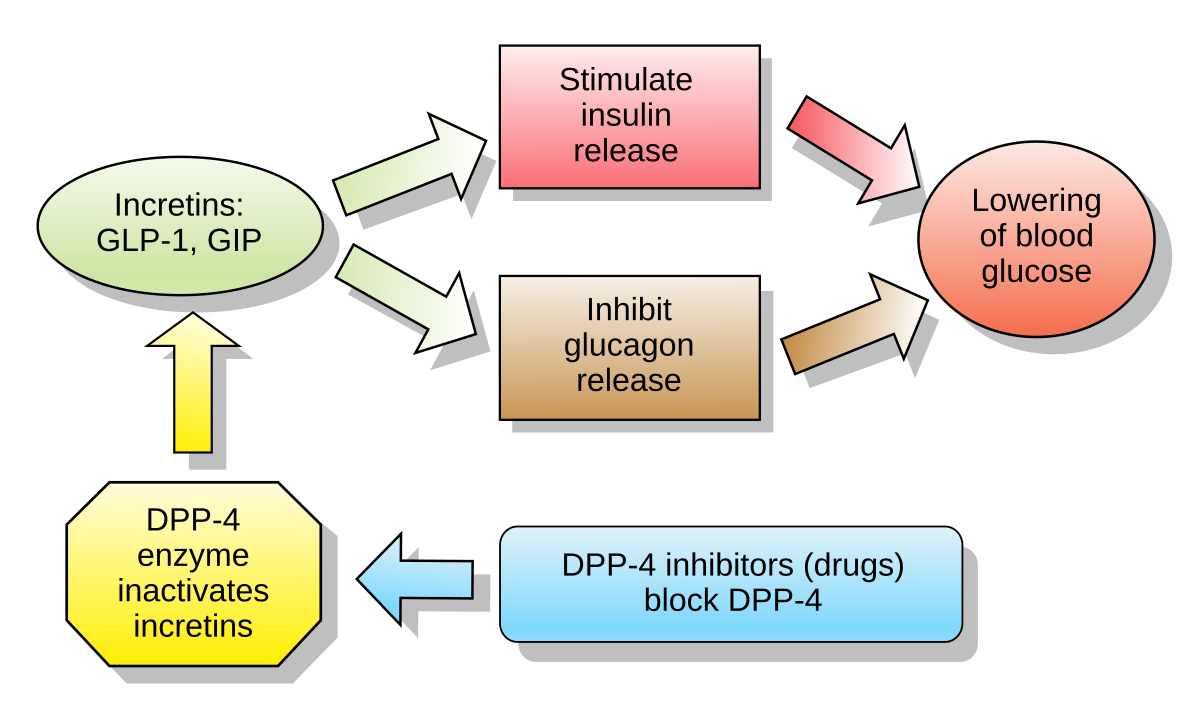
GLP-1 is an incretin hormone secreted by intestinal L-cells in response to food intake. It stimulates insulin secretion, inhibits glucagon release, slows gastric emptying, and enhances satiety. Its physiological actions make it a key target for managing type 2 diabetes and obesity.
Key Functions:
Enhances glucose-dependent insulin release
Suppresses glucagon to prevent hyperglycemia
Slows gastric emptying to reduce postprandial spikes
Promotes appetite regulation and weight management
GLOJAS Specialist Clinic in Malaysia provides expert management of type 2 diabetes and obesity using Ozempic (semaglutide). Our doctors deliver personalized, evidence-based GLP-1 therapy, ensuring safe, effective blood sugar control, weight management, and metabolic health, supported by the latest clinical guidelines and continuous patient monitoring.
GLP-1 Receptor Agonists (GLP-1 RAs)
GLP-1 receptor agonists are medications that mimic endogenous GLP-1, providing sustained metabolic benefits. Commonly prescribed agents include:
Exenatide (Byetta, Bydureon)
Liraglutide (Victoza, Saxenda)
Semaglutide (Ozempic, Wegovy)
Dulaglutide (Trulicity)
Clinical Benefits:
Improved glycemic control in type 2 diabetes
Significant weight reduction in obesity
Cardiovascular risk reduction in high-risk patients
Potential improvements in liver fat and NAFLD
Administration: Most GLP-1 RAs are injectable; some oral forms (e.g., oral semaglutide) are available. Dosing frequency ranges from daily to weekly depending on the agent.
Mechanism of Action
GLP-1 RAs work by activating GLP-1 receptors in pancreatic beta cells and the central nervous system:
Pancreatic Effects: Enhance insulin secretion and inhibit glucagon, lowering blood glucose.
Gastrointestinal Effects: Delay gastric emptying, prolonging nutrient absorption.
Central Nervous System Effects: Increase satiety and reduce caloric intake.
This combination results in improved metabolic control, reduced appetite, and gradual weight loss.
Clinical Applications
1. Type 2 Diabetes
GLP-1 receptor agonists are recommended for adults with type 2 diabetes, particularly those needing weight management or at cardiovascular risk. Studies show consistent reductions in HbA1c and fasting glucose, often alongside lifestyle interventions.
2. Obesity and Weight Management
GLP-1 RAs like semaglutide and liraglutide demonstrate clinically significant weight loss (5–15% of baseline body weight) when combined with dietary counseling.
3. Cardiovascular Risk Reduction
Evidence from trials such as LEADER and SUSTAIN-6 shows that GLP-1 therapy reduces major cardiovascular events in patients with type 2 diabetes and high cardiovascular risk.
4. Potential Off-Label Uses
Research explores GLP-1 RAs in non-alcoholic fatty liver disease (NAFLD), polycystic ovary syndrome (PCOS), and prediabetes, though these uses require specialist oversight.
Side Effects and Safety
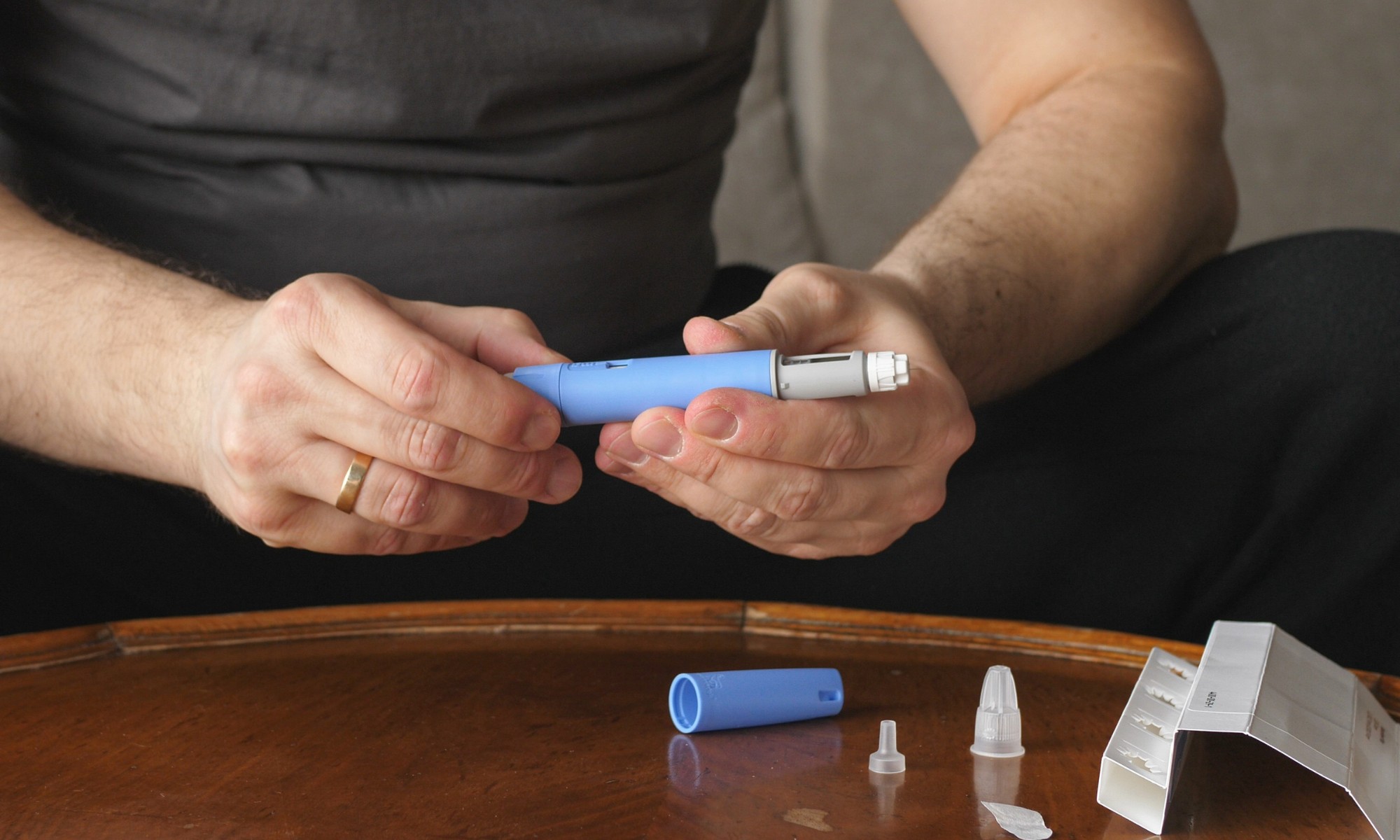
GLP-1 therapy is generally well-tolerated, but patients may experience:
Gastrointestinal upset (nausea, vomiting, diarrhea)
Rare pancreatitis or gallbladder disease
Injection-site reactions (for injectable forms)
Precautions: Avoid in patients with a history of medullary thyroid carcinoma or multiple endocrine neoplasia type 2 (MEN2). Monitoring for kidney function and hydration status is recommended in high-risk patients.
Integration with Lifestyle and Other Therapies
GLP-1 therapy works best when combined with:
Balanced diet: Reducing calorie-dense foods enhances weight loss.
Regular exercise: Supports metabolic improvements and cardiovascular health.
Adjunctive medications: Can be combined with SGLT2 inhibitors, metformin, or other diabetes therapies as clinically indicated.
GLP-1 Research and Emerging Trends
Ongoing studies explore:
Long-term cardiovascular outcomes
Oral GLP-1 formulations for convenience
Combination therapies with GIP (glucose-dependent insulinotropic polypeptide) for enhanced metabolic effects
Use in prediabetes prevention and NAFLD
Frequently Asked Questions (FAQ)
Q1: How quickly does GLP-1 therapy work?
A1: Blood sugar improvements can appear within days to weeks, while weight loss may take several weeks to months, depending on dose and lifestyle factors.
Q2: Can GLP-1 cause hypoglycemia?
A2: GLP-1 RAs rarely cause hypoglycemia alone but risk increases if combined with insulin or sulfonylureas.
Q3: Is GLP-1 safe long-term?
A3: Long-term studies support cardiovascular safety and sustained weight loss, though monitoring for gastrointestinal and pancreatic health is recommended.
Q4: Are oral GLP-1 medications as effective as injections?
A4: Oral semaglutide demonstrates similar glycemic and weight benefits but requires strict adherence to fasting and dosing instructions.
Q5: Who should avoid GLP-1 therapy?
A5: Individuals with personal or family history of medullary thyroid carcinoma, MEN2, or severe gastrointestinal disease should avoid GLP-1 therapy.
Q6: Can GLP-1 help with NAFLD?
A6: Emerging evidence suggests GLP-1 RAs reduce liver fat and improve metabolic markers, but use for NAFLD remains off-label.