
Blepharoplasty, or eyelid surgery, improves eyelid appearance and function by removing excess skin, fat, or muscle. Upper, lower, and Asian blepharoplasty types target droopy lids, under-eye bags, or unique eyelid anatomy. Choosing the right procedure depends on your goals, facial structure, and lifestyle, with safe, long-lasting results under expert care.
What is Blepharoplasty?
Blepharoplasty is a surgical procedure designed to enhance the eyelids’ appearance or function. It can correct:
Drooping upper eyelids that affect vision or appearance
Under-eye bags or puffiness
Excess skin and wrinkles around the eyelids
This procedure restores a more rested, youthful, and symmetrical look while sometimes improving visual field obstruction caused by sagging lids.
Types of Blepharoplasty
1. Upper Blepharoplasty
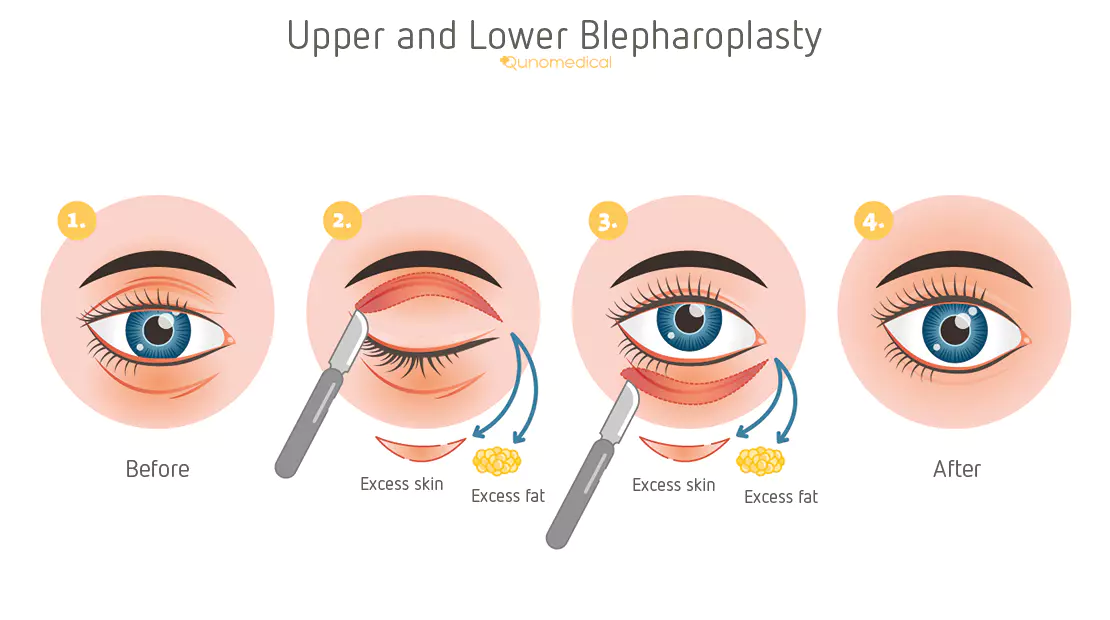
Upper eyelid surgery focuses on removing excess skin, fat, or muscle from the upper eyelids.
Benefits:
Reduces droopy eyelids that can obstruct vision
Creates a refreshed, youthful appearance
Can improve symmetry of both eyes
Ideal Candidates:
Individuals with sagging upper eyelids
Patients experiencing heavy lids or vision impairment
Recovery:
Mild swelling and bruising for 1–2 weeks
Sutures usually removed within 5–7 days
Normal activities resumed in 1–2 weeks
2. Lower Blepharoplasty
Lower eyelid surgery targets puffiness, bags, and wrinkles under the eyes.
Benefits:
Smooths under-eye bags
Reduces wrinkles and fine lines
Improves tired or aged appearance
Techniques:
Transconjunctival approach: incision inside the eyelid, ideal for younger patients with fat bags but no excess skin
Transcutaneous approach: incision under the lash line, suitable for patients with skin excess and wrinkles
Recovery:
Mild swelling, bruising, or tightness for 1–2 weeks
Avoid heavy lifting or strenuous exercise for 2–3 weeks
3. Asian Blepharoplasty
Asian blepharoplasty, often called double eyelid surgery, creates a natural crease in the upper eyelid while respecting ethnic anatomy.
Benefits:
Defines eyelid crease without altering eye shape drastically
Enhances natural eyelid contour
Can combine with fat repositioning or epicanthoplasty for harmonious results
Ideal Candidates:
Patients seeking a defined eyelid crease
Individuals with monolids or minimal natural crease
Recovery:
Slight swelling and bruising for 1–2 weeks
Results gradually visible over 3–6 months
Choosing the Right Eyelid Surgery
Factors to Consider:
Age and skin elasticity – younger patients may need less skin removal
Eyelid anatomy – unique features, like monolids or puffiness
Goals – cosmetic, functional, or both
Lifestyle – downtime tolerance, work schedule, and post-op care
Consultation Tips:
Seek board-certified oculoplastic or plastic surgeons
Review before-and-after photos
Discuss realistic outcomes, risks, and recovery expectations
Risks and Safety Considerations
Blepharoplasty is generally safe but, like any surgery, carries potential risks:
Temporary swelling or bruising
Mild discomfort or tightness
Dry eyes or temporary vision changes
Rare complications: infection, asymmetry, or scarring
Safety Tips:
Choose experienced, accredited clinics
Follow pre- and post-operative instructions carefully
Avoid smoking, alcohol, or blood-thinning medications before surgery
Recovery and Aftercare
General Guidelines:
Keep the head elevated to reduce swelling
Use cold compresses during first 48 hours
Avoid rubbing eyes or strenuous activity
Follow up with your surgeon regularly
Healing Timeline:
Week 1–2: Swelling and bruising peak, stitches removed
Week 3–4: Most swelling subsides, normal activities resume
3–6 months: Final results visible
FAQs
1. Can blepharoplasty improve vision?
Yes, upper eyelid surgery can remove sagging skin that obstructs peripheral vision.
2. How long do results last?
Results can last 10–15 years, though natural aging continues.
3. Is Asian blepharoplasty reversible?
Minor adjustments are possible, but complete reversal is rare; careful pre-surgical planning is key.
4. Will scars be visible?
Upper eyelid incisions follow natural folds, and lower eyelid scars are usually hidden under lashes or inside the eyelid.
5. Can blepharoplasty be combined with other procedures?
Yes, it can be combined with brow lifts, facelifts, or fat grafting for comprehensive rejuvenation.
6. How painful is the surgery?
Most patients experience mild discomfort, controlled with prescribed pain medications.
7. Are non-surgical options effective?
Temporary improvements can be achieved with fillers, Botox, or laser treatments, but surgical blepharoplasty provides long-lasting, definitive results.
Conclusion:
Choosing between upper, lower, or Asian blepharoplasty depends on your eyelid anatomy, aesthetic goals, and functional needs. A board-certified surgeon can guide you to the safest, most effective option, ensuring natural, long-lasting results with minimal downtime.
GLOJAS Specialist Clinic in Kuala Lumpur offers expert upper, lower, and Asian blepharoplasty, combining board-certified surgeons, advanced techniques, and personalized care to achieve natural, safe, and long-lasting eyelid rejuvenation with optimal functional and aesthetic results.