
What Is a Blepharoplasty Candidate?
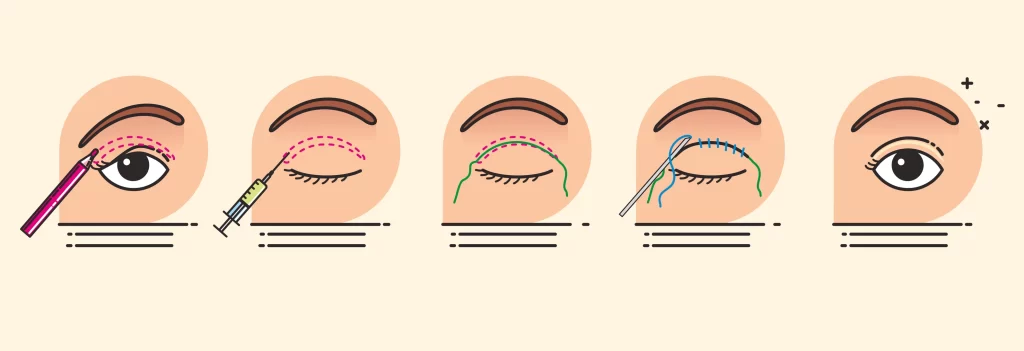
Definition of an Ideal Candidate for Blepharoplasty
An ideal candidate for blepharoplasty is an adult who typically possesses excess skin or fat deposits around the eyes. Beyond physical traits, they must be in good general health and have a clear understanding of the procedure. Surgeons look for patients with healthy facial tissue and muscles to ensure optimal healing.
Common Reasons People Consider Eyelid Surgery
Most people seek this surgery to reverse visible signs of aging or to correct functional impairments. Whether it’s removing heavy “hoods” that make applying makeup difficult or eliminating chronic under-eye bags, the goal is usually a more rested, alert appearance that aligns with their internal energy levels.
Signs You May Be a Good Candidate for Blepharoplasty
Excess Skin on the Upper Eyelids
If your upper lids have lost their definition due to sagging skin, you’re likely a prime candidate. This “hooding” can create a heavy sensation. Removing this redundant tissue restores the natural crease of the eye, making you look significantly more awake and youthful without looking “surgerized.”
Puffy or Baggy Lower Eyelids
Persistent puffiness that doesn’t disappear with sleep often indicates displaced fat pads. If you have “bags” that create deep shadows or a tired look, lower blepharoplasty can help. This procedure smooths the lower eyelid transition to the cheek, effectively erasing that “perpetually exhausted” aesthetic.
Drooping Eyelids Affecting Vision
When the upper eyelid skin sags significantly, it can physically block your peripheral vision. This is a functional issue known as dermatochalasis. If you find yourself constantly lifting your brows to see clearly, you are a strong candidate for a medically necessary blepharoplasty to restore your visual field.
Tired or Aged Appearance Around the Eyes
Do people often ask if you’re tired when you feel fine? Age-related volume loss and skin laxity often start around the eyes. If topical creams and fillers no longer provide the “refresh” you need, surgical intervention offers a more permanent solution to brighten and open the entire eye area.
Medical and Age Requirements for Blepharoplasty Candidates
Recommended Age for Eyelid Surgery
While most candidates are 35 or older, there is no “perfect” age. Some younger patients undergo the procedure due to genetic puffiness or heavy lids. However, most surgeons wait until skin laxity is prominent enough to warrant surgical correction, ensuring the results are impactful and long-lasting.
Importance of Good Overall Health
Safety is paramount. Candidates should be non-smokers—or willing to quit—as smoking impairs blood flow and slows healing. You must be free of life-threatening illnesses or chronic conditions that could increase surgical risk. Controlled blood pressure is especially vital to prevent post-operative bleeding complications.
Realistic Expectations for Blepharoplasty Results
A good candidate understands that blepharoplasty improves, rather than perfects. It won’t eliminate dark circles caused by pigmentation or “crow’s feet” wrinkles entirely. Having a grounded perspective on what surgery can achieve ensures you’ll be satisfied with the refreshed, natural version of yourself that emerges post-recovery.
Who Is Not a Suitable Candidate for Blepharoplasty?
Certain Eye Conditions
Individuals with severe dry eye syndrome, glaucoma, or a detached retina may be disqualified. These conditions can be exacerbated by surgery. A thorough ophthalmic evaluation is necessary to ensure the tear film and ocular pressure remain stable throughout the healing process and beyond.
Uncontrolled Medical Conditions
Patients with uncontrolled diabetes, cardiovascular disease, or thyroid problems (like Graves’ disease) face higher risks. These conditions can affect how the body responds to anesthesia and how tissues knit back together. Surgeons prioritize patient safety, often requiring medical clearance from a GP before proceeding with any elective surgery.
Unrealistic Expectations
If a patient expects the surgery to completely change their life or look like a specific celebrity, they aren’t a good fit. Surgery is an enhancement of your existing features. Candidates who view it as a “magic wand” rather than a medical procedure are often redirected toward non-surgical options.
Upper vs Lower Blepharoplasty Candidates
Candidates for Upper Eyelid Surgery
These individuals typically struggle with “heavy” lids or skin that rests on their eyelashes. It’s ideal for those who feel their eyes look smaller or “closed in.” The procedure focuses on the area between the eyebrow and the lashes to create a cleaner, more defined lid space.
Candidates for Lower Eyelid Surgery
Candidates here usually deal with “festoons” or fatty deposits under the eyes. This surgery is best for those wanting to eliminate shadows and puffiness. It’s less about the “hood” and more about creating a flat, firm surface that looks healthy and vibrant in any lighting.
How Doctors Evaluate Blepharoplasty Candidates
Eyelid and Skin Assessment
During a consultation, the doctor will pinch the skin to test elasticity and check the position of your brows. This helps determine if you need an eyelid lift or if a brow lift would better address the sagging. They also evaluate the strength of the lower lid tendon to prevent complications.
Vision and Eye Health Evaluation
A professional assessment includes checking your tear production (Schirmer’s test) and peripheral vision. If skin obstruction is found, the procedure might be documented for insurance purposes. Ensuring your eyes are physically healthy enough to handle the temporary swelling of surgery is a critical first step for any specialist.
Medical History Review
Your surgeon will discuss past surgeries and current medications, especially blood thinners or herbal supplements like Vitamin E. In Malaysia, doctors follow strict MOH aesthetic guidelines to ensure every candidate is screened thoroughly, minimizing the chance of adverse reactions or poor scarring during the recovery phase.
Frequently Asked Questions About Blepharoplasty Candidates
Who Is the Ideal Candidate for Blepharoplasty?
The ideal candidate is a healthy adult with realistic goals and visible skin laxity or fat protrusion around the eyes. They should be non-smokers who are looking for a long-term solution to a tired appearance or obstructed vision rather than a temporary fix.
What Age Is Suitable for Eyelid Surgery?
Most patients are in their 40s to 60s, but age is secondary to anatomy. If you have inherited “heavy” lids or bags, you might be a candidate in your 20s or 30s. The best time is simply whenever the condition starts to bother you significantly.
Can Blepharoplasty Improve Droopy Eyelids?
Absolutely. It is the gold-standard treatment for removing the excess skin that causes drooping. However, if the droop is caused by a weak muscle (true ptosis), the surgeon will need to perform a ptosis repair alongside the blepharoplasty for a functional and aesthetic result.
How Do I Know If I Need Blepharoplasty?
If you feel your eyes look aged, your lids feel heavy, or your vision is being “crowded” by skin, it’s time for a consultation. A simple “mirror test”—gently lifting the skin of your brow—can show you the potential improvement surgery might offer your overall look.