
Best Skin Care Steps & Routine Guideline to Healthy, Glowing Skin In 2025
Taking care of your skin care steps are more than just a beauty ritual – it’s a science-backed routine that helps maintain healthy, radiant, and youthful-looking skin. A proper skin care routine follows specific steps designed to cleanse, protect, and nourish your skin daily. Whether you’re a beginner, a man just starting with grooming, or someone looking to refine your regimen, this guide breaks down the essential skin care steps you should never skip. Why Following a Skin Care Routine Matters Your skin is your body’s largest organ, and it’s constantly exposed to pollution, sun, stress, and aging factors. Without a consistent skin care routine, issues like acne, dryness, pigmentation, and premature aging can develop. By following structured steps, you strengthen your skin barrier, improve hydration, and prevent long-term damage. The Essential Skin Care Steps Everyone Should Follow A healthy routine doesn’t need to be complicated. These five skin care steps form the foundation of any regimen: Cleansing – Remove dirt, oil, and impurities with a gentle cleanser. Toning – Balance pH levels and prep skin to absorb products effectively. Serum or Treatment – Target skin concerns such as acne, pigmentation, or fine lines with active ingredients like Vitamin C, Retinol, or Niacinamide. Moisturizing – Lock in hydration and strengthen the skin barrier. Sunscreen (AM only) – Protect against UV rays, which cause 80% of premature skin aging. 🔑 Tip: In the evening, replace sunscreen with a repair step such as a retinol or night cream to boost overnight recovery. Morning vs Night Skin Care Routine Morning routine focuses on protection → cleanser, toner, serum, moisturizer, and sunscreen. Night routine focuses on repair → cleanser, exfoliant (2–3 times a week), serum/treatment, moisturizer, and nourishing night cream. Consistency matters more than the number of products. Stick to these steps daily to notice real improvements within 4–6 weeks. Skin Care Routine for Men: What’s Different? Men’s skin is generally thicker, oilier, and prone to enlarged pores. Shaving also irritates the skin barrier. A proper men’s skin care routine should include: Gentle foaming cleanser (to control oil without stripping skin). Alcohol-free toner to soothe post-shave irritation. Lightweight gel moisturizer. Daily SPF 30+ sunscreen. Optional: An exfoliating scrub twice weekly to prevent ingrown hairs. Common Mistakes in Skin Care Steps Over-cleansing or using harsh scrubs daily. Skipping sunscreen on cloudy days. Layering too many active ingredients at once. Not adjusting products based on skin type. Ignoring neck and under-eye areas. When to See a Doctor for Skin Concerns If you have persistent acne, melasma, or premature wrinkles despite following a good skin care routine, consult a dermatologist or an LCP-certified aesthetic doctor. Medical-grade treatments can complement home routines. Aesthetic Treatments to Boost Your Skin Care Routine At GLOJAS Plastic Surgery Specialist Clinic Kuala Lumpur, Malaysia, we offer professional aesthetic treatments help accelerate results beyond home care: Pico Laser – Targets pigmentation, freckles, and uneven skin tone. Chemical Peels – Exfoliate deeply to improve dullness and acne scars. Microneedling with PRP – Stimulates collagen and reduces fine lines. HydraFacial – Cleanses, hydrates, and brightens skin instantly. Profhilo & Skin Boosters – Injectable hydration to restore elasticity. These treatments are doctor-supervised, safe, and tailored to your skin type for faster, longer-lasting improvements. Final Thoughts Building a consistent skin care routine doesn’t need to be overwhelming. Stick to the basic skin care steps – cleanse, treat, moisturize, and protect – and you’ll notice healthier, more radiant skin over time. For stubborn skin concerns, medical-grade treatments at certified clinics can make all the difference. FAQs 1. What are the 5 basic skin care steps?Cleanser, toner, serum/treatment, moisturizer, and sunscreen in the morning. 2. What is the correct order for skin care routine?Start with cleansing, then toning, followed by serum/treatment, moisturizing, and sun protection. 3. How often should I exfoliate?2–3 times a week is ideal to prevent irritation while keeping skin smooth. 4. Do men need a different skin care routine?Yes. Men’s skin tends to be thicker and oilier, so lightweight, oil-control products work best. 5. Can aesthetic treatments replace a skin care routine?No. Professional treatments enhance results, but daily at-home skin care steps remain essential. View this post on Instagram A post shared by Glojas Specialist | Plastic Surgery, Hair Transplant, Aesthetic (@glojasaesthetic)
Thinning Hair: Causes, Treatments, and Effective Hair Regrowth Solutions
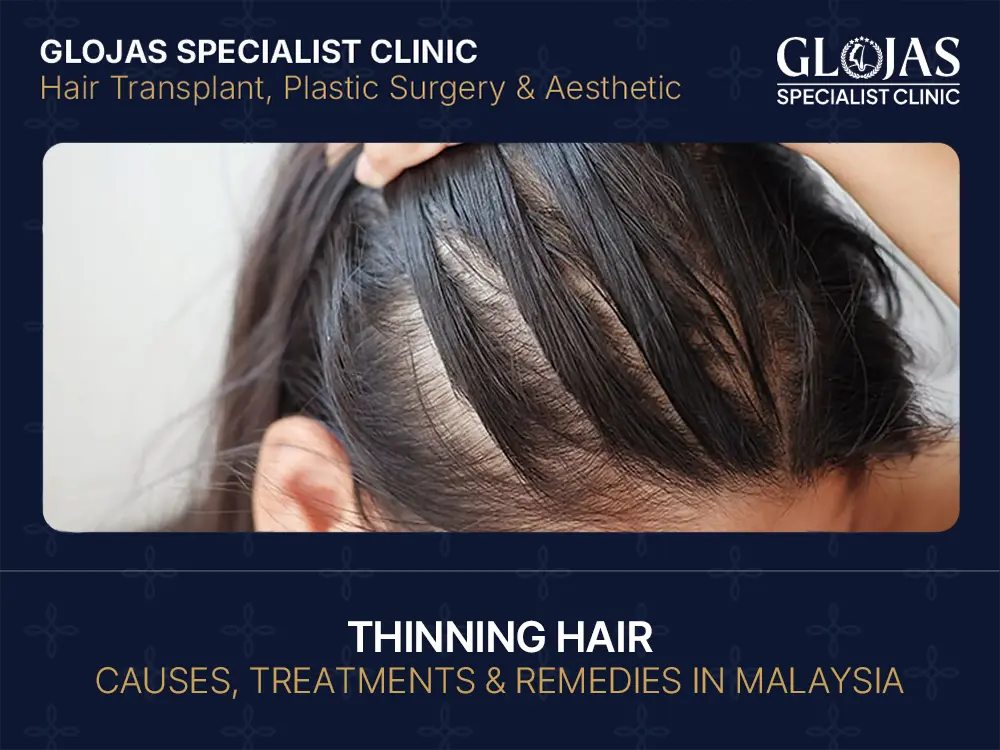
Thinning hair is a common concern affecting millions of men and women worldwide. While it’s often associated with aging, hair thinning can start as early as your twenties due to genetics, hormonal changes, stress, or nutritional deficiencies. Understanding the causes and exploring effective treatments can help you maintain healthy hair and boost your confidence. What Causes Thinning Hair? Hair thinning occurs when the hair growth cycle is disrupted, leading to shorter, weaker strands and reduced hair density. The most common causes include: 1. Genetics Male and female pattern baldness (androgenetic alopecia) is a hereditary condition linked to the hormone dihydrotestosterone (DHT), which can shrink hair follicles over time. 2. Hormonal Changes Fluctuations in hormones, especially during pregnancy, menopause, or thyroid disorders, can trigger hair loss. Women are particularly prone to hair thinning after childbirth or during menopause. 3. Nutritional Deficiencies A lack of essential nutrients such as biotin, vitamin D, zinc, and iron can weaken hair structure, leading to shedding and thinning. Maintaining a balanced diet is crucial for hair health. 4. Stress and Lifestyle Chronic stress increases cortisol levels, which may negatively impact the hair growth cycle. Poor sleep, excessive heat styling, and harsh hair products can exacerbate hair thinning. 5. Medical Conditions and Medications Certain medical conditions like alopecia areata, scalp infections, and autoimmune diseases can cause hair loss. Some medications, including chemotherapy, anticoagulants, and beta-blockers, may also contribute. Signs of Thinning Hair Recognizing early signs of hair thinning can help you take prompt action: Widening parting or receding hairline Hair shedding more than 100 strands per day Noticeably reduced hair volume Fragile, dry, or brittle hair Bald patches or diffuse thinning on the scalp If you notice these signs, consulting a dermatologist or trichologist can help determine the underlying cause and suitable treatment. Effective Treatments for Thinning Hair There are several medically-approved options to slow down or reverse hair thinning, ranging from topical treatments to advanced procedures. 1. Topical Solutions Minoxidil: FDA-approved topical solution that stimulates hair follicles and promotes regrowth. Hair serums: Formulated with vitamins, peptides, and natural extracts to strengthen hair strands. 2. Oral Medications Finasteride: Reduces DHT levels in men, preventing further hair loss. Nutritional supplements: Biotin, vitamin D, zinc, and collagen support hair growth and follicle health. 3. Non-Surgical Procedures PRP (Platelet-Rich Plasma) Therapy: Uses your own platelets to stimulate hair follicles and improve hair density. Low-level laser therapy (LLLT): Stimulates blood flow in the scalp to enhance hair growth. 4. Hair Transplant FUE (Follicular Unit Extraction) and FUT (Follicular Unit Transplant) are surgical options for permanent hair restoration, ideal for advanced thinning or bald patches. Remedies for Thinning Hair Managing thinning hair effectively involves a combination of medical treatments, lifestyle changes, and proper hair care. Some proven remedies include: Topical Treatments: Minoxidil stimulates hair follicles to promote regrowth and increase hair density. Oral Medications & Supplements: Finasteride (for men) reduces DHT levels, while supplements like biotin, zinc, iron, and vitamin D support healthy hair growth. Non-Surgical Procedures: PRP (Platelet-Rich Plasma) therapy and low-level laser therapy help rejuvenate hair follicles and improve scalp health. Hair Transplant: For advanced thinning or bald patches, surgical options like FUE (Follicular Unit Extraction) restore hair permanently. Lifestyle & Hair Care: Eat a nutrient-rich diet, manage stress, avoid tight hairstyles and harsh chemical treatments, and use gentle, sulfate-free shampoos. Combining these remedies with early intervention can help slow hair thinning, stimulate hair regrowth, and improve overall hair health. Best Foods to Combat Thinning Hair Nutrition plays a vital role in maintaining strong, healthy hair. Incorporating the right foods can help prevent hair thinning and support hair regrowth: Eggs: Rich in protein and biotin, essential for hair strength and growth. Fatty Fish: Salmon, mackerel, and sardines provide omega-3 fatty acids that nourish hair follicles. Spinach and Leafy Greens: High in iron, vitamins A and C, which help maintain scalp health. Nuts and Seeds: Almonds, walnuts, and chia seeds supply zinc, vitamin E, and healthy fats that promote hair density. Berries: Packed with antioxidants and vitamin C, they support collagen production for stronger hair. Legumes: Beans, lentils, and chickpeas provide protein, iron, and biotin for hair growth. Greek Yogurt: Offers protein and vitamin B5 (pantothenic acid), which may improve blood flow to hair follicles. Eating a balanced diet rich in these nutrients can reduce hair shedding, strengthen hair strands, and support long-term hair regrowth. Lifestyle Tips to Prevent Hair Thinning In addition to treatments, lifestyle adjustments can support hair health: Maintain a balanced diet rich in protein, vitamins, and minerals Avoid excessive heat styling and chemical treatments Practice stress management techniques like yoga or meditation Use gentle hair care products free from sulfates and parabens Massage your scalp regularly to improve blood circulation Frequently Asked Questions (FAQs) 1. Can thinning hair grow back?Yes, depending on the cause. Treatments like Minoxidil, PRP therapy, and hair transplants can stimulate regrowth and improve hair density. 2. Is thinning hair hereditary?Yes, genetics play a significant role in male and female pattern baldness. If your family has a history of hair loss, you may be more prone to thinning hair. 3. Can stress cause hair thinning?Chronic stress can disrupt the hair growth cycle, leading to shedding and thinning. Managing stress is essential for maintaining healthy hair. 4. Are there natural remedies for thinning hair?Some natural treatments, such as essential oils, scalp massages, and a nutrient-rich diet, can improve hair strength. However, medical treatments are more effective for significant thinning. 5. When should I see a doctor for hair thinning?If hair shedding is sudden, patchy, or accompanied by scalp irritation, it’s advisable to consult a dermatologist or trichologist for proper diagnosis and treatment. Final Thoughts Thinning hair is a manageable condition when addressed early. By identifying the cause, combining medical treatments with lifestyle changes, and maintaining scalp health, you can slow down hair loss and even restore hair density. Whether through topical solutions, oral medications, or advanced procedures like PRP or hair transplant, taking action today can help you regain confidence and healthy hair for
How to Get Rid of Acne Scars: Effective Acne Scar Treatments In Malaysia for Smooth Skin
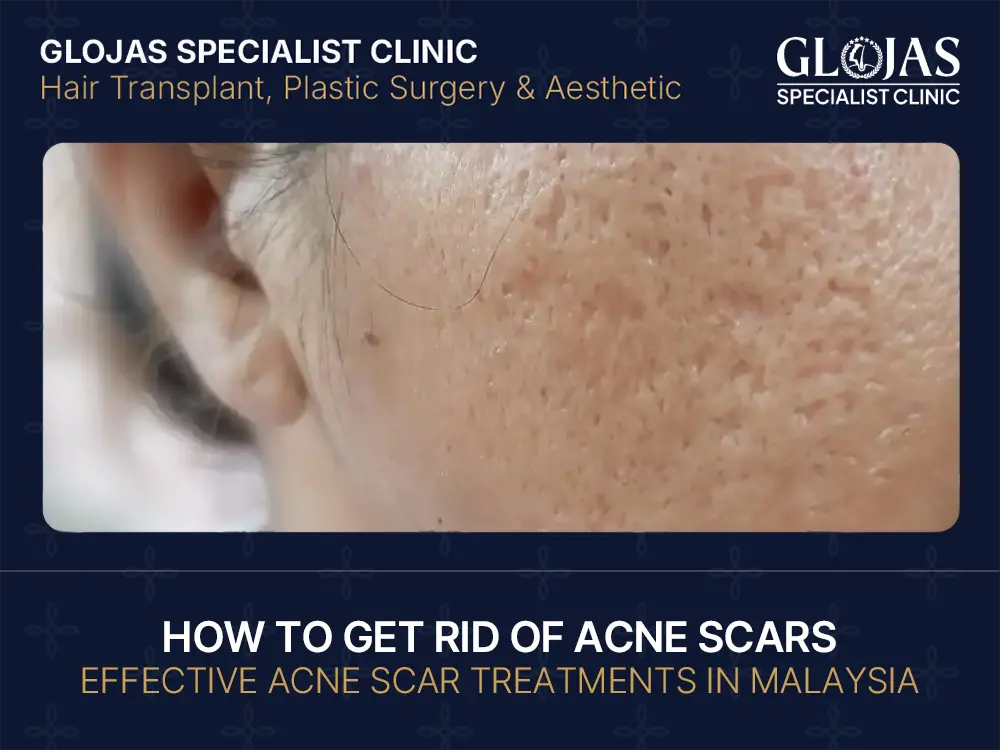
How To Get Rid Of Acne Scars Effectively? Acne scars can leave lasting marks on your skin, affecting both appearance and confidence. Whether it’s pitted scars, rolling scars, or dark spots, knowing how to get rid of acne scars is the first step toward smooth, clear skin. From at-home remedies to advanced dermatological procedures, a range of acne scar treatments are available to help fade marks and restore healthy skin. In this guide, we’ll cover everything from topical solutions and chemical peels to microneedling, laser therapy, and PRP, helping you choose the most suitable treatment for your skin type. By following the right steps and consulting a qualified dermatologist, you can significantly reduce acne scars and achieve a smoother, more radiant complexion. Understanding Acne Scars and Their Types Acne scars occur when skin tissue is damaged by severe acne. Recognizing the type of scar helps in selecting the most effective acne scar treatment: Ice Pick Scars: Narrow, deep scars resembling small holes. Rolling Scars: Broad depressions giving the skin a wavy appearance. Boxcar Scars: Wide, shallow or deep scars with defined edges. Post-Inflammatory Hyperpigmentation (PIH): Dark spots left after acne heals. Knowing your scar type ensures a tailored treatment approach for optimal results. At-Home Solutions for Acne Scar Removal Mild scars and post-acne marks can benefit from several home remedies: Vitamin C Serum: Brightens dark spots and boosts collagen. Retinoids / Retinol Creams: Encourage skin turnover to reduce scars. Chemical Exfoliants (AHA/BHA): Remove dead skin cells for smoother skin. Niacinamide: Reduces redness and lightens pigmentation. Natural Remedies (Honey, Aloe Vera): Soothing and healing properties. These methods are most effective for mild scars and can complement professional acne scar treatments for deeper scars. Professional Acne Scar Treatments In Kuala Lumpur, Malaysia For moderate to severe scars, dermatologists provide several clinically proven acne scar treatment options: 1. Laser Therapy Fractional CO2 Laser: Resurfaces the skin, stimulates collagen, smooths deep scars. Erbium YAG Laser: Targets shallow scars for skin rejuvenation. 2. Microneedling (Collagen Induction Therapy) Tiny needles create micro-injuries that stimulate collagen production, reducing scar depth. Often combined with PRP therapy for accelerated results. 3. Chemical Peels Medium or deep chemical peels remove damaged skin layers to improve texture and pigmentation. 4. Dermal Fillers Injectable fillers lift depressed scars temporarily while stimulating collagen. 5. Subcision Minor surgical technique that releases fibrous bands under rolling scars, allowing skin to rise naturally. Choosing the Right Acne Scar Treatment The best acne scar treatment depends on scar type, skin tone, and severity: Mild discoloration or shallow scars → Topical creams, vitamin C, mild chemical peels. Moderate to deep scars → Laser therapy, microneedling, dermal fillers. Severe rolling scars → Subcision combined with laser or microneedling for optimal results. Consult a board-certified dermatologist for safe, personalized treatments. Tips to Prevent Future Acne Scars Treat acne early to avoid scar formation. Avoid picking or squeezing pimples. Apply sunscreen daily to prevent hyperpigmentation. Maintain a consistent skincare routine with gentle cleansers and moisturizers. Schedule professional check-ups to assess skin health. When to Seek Professional Help For Acne Scar Treatment Persistent acne scars often require professional intervention. A dermatologist or skin specialist can recommend the most effective acne scar treatment, including laser resurfacing, microneedling, PRP therapy, or chemical peels. Early consultation ensures better results and prevents long-term skin damage. FAQs On How To Get Rid of Acne Scars Q1: Can acne scars disappear on their own?A: Mild post-acne marks may fade, but deeper scars typically need professional acne scar treatment. Q2: What is the fastest way to get rid of acne scars?A: Laser therapy or microneedling with PRP offers the quickest improvement for deeper scars. Q3: Are home remedies effective for acne scar removal?A: Home remedies help fade discoloration but are less effective for deep scars. Q4: Can chemical peels permanently remove acne scars?A: Chemical peels improve texture and pigmentation; multiple sessions may be needed for long-lasting results. Q5: How much does acne scar treatment cost in Malaysia?A: Costs vary by treatment and clinic. Professional procedures like laser therapy or microneedling usually range from RM 150 to RM 2,500 per session. Conclusion Acne scars can be effectively managed with a combination of home care and professional treatments. Understanding how to get rid of acne scars and choosing the right acne scar treatment based on your scar type can significantly improve your skin’s texture and appearance. Whether using topical creams, chemical peels, microneedling, or laser therapy, consulting a qualified dermatologist is essential for safety and optimal results. With the right approach and consistent care, achieving smooth, radiant, and scar-free skin is within reach. Restore Smooth, Clear Skin with Professional Acne Scar Treatment at GLOJAS Don’t let acne scars affect your confidence any longer. At GLOJAS Plastic Surgery Specialist Clinic, our board-certified dermatologists and plastic surgeons offer advanced acne scar treatments tailored to your skin type and scar severity. From laser therapy, microneedling, PRP, to chemical peels, we combine the latest technology with personalized care to help you achieve smooth, radiant, and scar-free skin. If you having an acne issues, at GLOJAS Clinic we offer personalized treatment plan for acne treatment malaysia. View this post on Instagram A post shared by Glojas Specialist | Plastic Surgery, Hair Transplant, Aesthetic (@glojasaesthetic)
How to Get Rid of Man Boobs: Causes, Treatments & Solutions In Malaysia
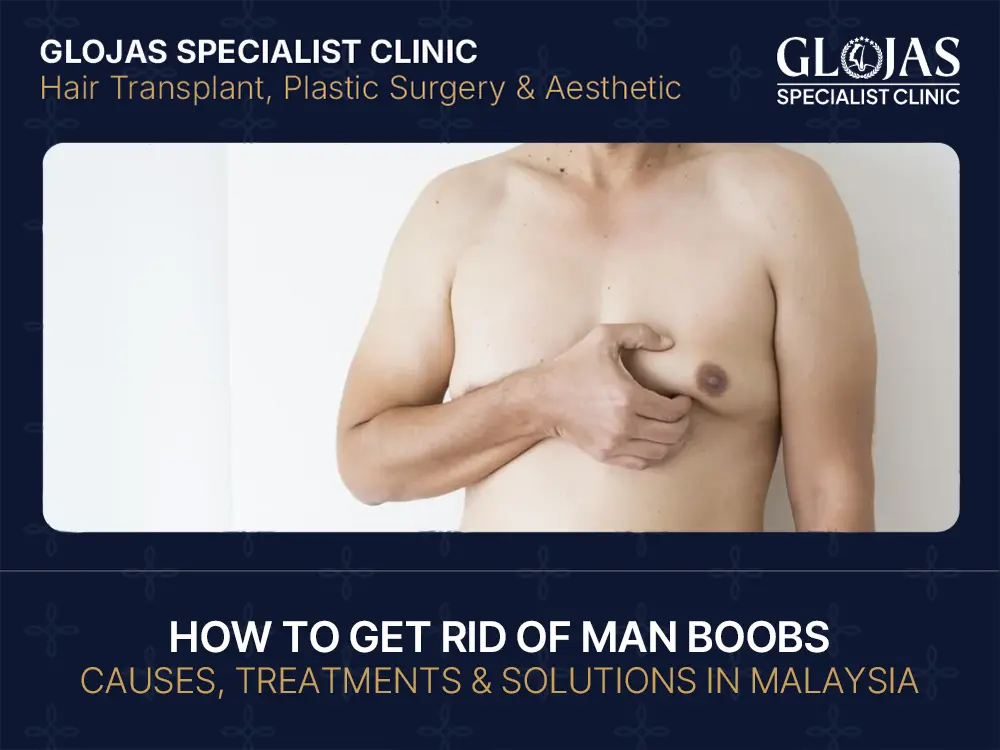
“Man boobs,” medically called gynecomastia, is a common concern that affects many men worldwide. Whether caused by hormonal imbalance, excess fat, or genetics, it often leads to embarrassment, low confidence, and hesitation to take off your shirt in public. The good news is, man boobs can be treated effectively. From lifestyle changes and non-surgical methods to advanced surgical procedures, today’s treatments are safe, fast, and long-lasting. In this guide, we’ll explain the causes of man boobs, the difference between gynecomastia and chest fat, treatment options available in Malaysia, and what to expect from male breast reduction. What Causes Man Boobs? There are two main reasons behind enlarged male breasts: Gynecomastia (True Gland Enlargement): Caused by hormonal imbalance, where estrogen levels rise compared to testosterone. This leads to the growth of breast gland tissue in men. Pseudogynecomastia (Chest Fat): Caused by excess fat deposits in the chest area, usually due to obesity or weight gain. Other contributing factors include: Puberty and aging (hormonal fluctuations) Certain medications (steroids, antidepressants, anti-hypertensives) Alcohol and drug use Medical conditions affecting the liver, kidneys, or hormones Can Exercise Get Rid of Man Boobs? Many men first try exercise and diet to reduce chest fat. While this can help with pseudogynecomastia, it usually does not solve true gynecomastia caused by gland enlargement. Effective exercises include: Push-ups and bench press for chest muscles High-intensity cardio to burn fat Strength training for overall fat reduction Take note: Exercise may reduce fat but cannot shrink glandular breast tissue. That’s why medical treatments are often necessary. Non-Surgical Treatments for Man Boobs Some cases of pseudogynecomastia can be improved with non-surgical approaches such as: Weight management programs (diet + exercise) Fat melting injections (in selected cases, though not always permanent) Device-based fat reduction (e.g., ultrasound, radiofrequency, cryolipolysis) These methods may work if the issue is primarily fat. However, for gland-related gynecomastia, non-surgical solutions are often temporary. Surgical Treatments: The Gold Standard for Gynecomastia For men with true gynecomastia, the most effective solution is male breast reduction surgery, which includes: Liposuction – Removes excess chest fat. Gland Excision – Removes the enlarged breast gland tissue. Combination Surgery – Most men require both liposuction and excision for the best results. Benefits of surgery: Permanent results Restores a flat, masculine chest contour Boosts self-confidence Minimal scarring with modern techniques Recovery usually takes 1–2 weeks, with full results visible after swelling reduces in 1–3 months. Cost of Gynecomastia Surgery in Malaysia The cost of male breast reduction surgery in Malaysia varies depending on the severity, surgeon’s expertise, and clinic location. On average: Mild cases: RM8,000 – RM12,000 Moderate cases: RM12,000 – RM18,000 Severe cases: RM18,000 and above Consulting a plastic surgeon or LCP-certified doctor is the best way to get an accurate cost estimate tailored to your condition. Living With Confidence After Treatment Getting rid of man boobs isn’t just about appearance — it’s about confidence, mental health, and quality of life. Many men feel more comfortable in fitted clothing, at the gym, or at the beach after treatment. At GLOJAS Specialist Clinic Malaysia, our team of certified plastic surgeons has over 25 years of experience in male breast reduction and body contouring. Every treatment is tailored to your condition, ensuring natural and permanent results. Conclusion Man boobs can be frustrating, but they are not permanent. With the right diagnosis and treatment — whether through lifestyle changes, non-surgical methods, or surgery — you can achieve a flatter, masculine chest. If you’re struggling with gynecomastia, consult an experienced plastic surgeon to discuss the safest and most effective treatment options for you. FAQs About Man Boobs & Gynecomastia 1. Can man boobs go away naturally?Mild cases in teenagers may disappear after puberty, but in adults, man boobs usually require medical treatment. 2. Is surgery the only option for gynecomastia?Not always. If the cause is fat (pseudogynecomastia), weight loss and non-surgical treatments may help. But for glandular gynecomastia, surgery is the most effective. 3. How long do results of male breast reduction last?Results are usually permanent, as the removed gland tissue does not grow back. However, weight gain or steroid use may affect the chest again. 4. Does gynecomastia surgery leave scars?Modern techniques use small incisions, leaving minimal scars that fade over time. 5. How do I know if I have gynecomastia or just fat?A consultation with a doctor, along with physical examination or ultrasound, can determine if it’s gland tissue (gynecomastia) or fat.
Types of Liposuction Techniques: Which Method is Best for You?
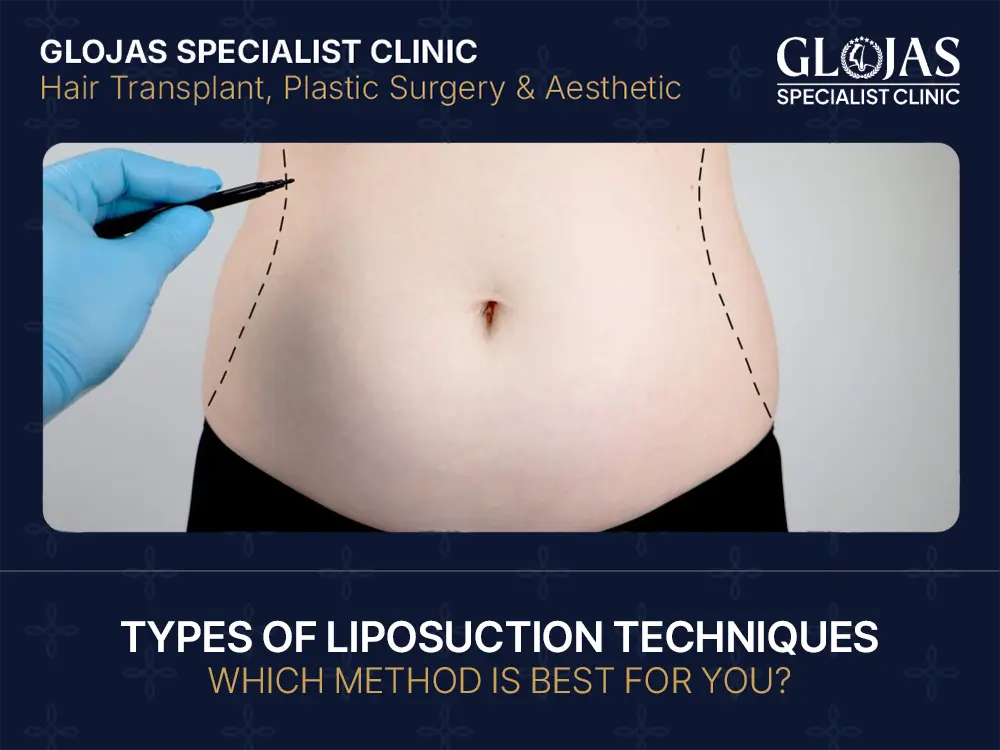
Liposuction is one of the most popular cosmetic procedures for fat removal and body contouring. However, many people do not realise that there are several types of liposuction techniques, each designed for different needs and outcomes. Choosing the right method depends on factors like treatment area, body type, recovery expectations, and overall goals. In this guide, we will explore the most common liposuction techniques used today, how they work, and which one may be best suited for you. What is Liposuction? Liposuction is a surgical procedure that removes stubborn fat deposits that do not respond to diet and exercise. Unlike weight-loss surgery, liposuction is a body contouring treatment that targets specific areas such as the abdomen, thighs, arms, hips, and double chin. Main Types of Liposuction Techniques 1. Tumescent Liposuction How it works: A solution of saline, lidocaine (local anaesthetic), and epinephrine is injected into the treatment area. This reduces bleeding, swelling, and discomfort during fat removal. Best for: Patients who want a traditional, safe, and proven method with less bleeding. Advantages: Widely available, effective for large areas, relatively shorter recovery compared to older methods. 2. Ultrasound-Assisted Liposuction (UAL) How it works: Uses ultrasonic energy to break down fat cells before suctioning. Best for: Dense or fibrous areas (e.g., male chest, back). Advantages: More precise fat removal, effective in difficult areas. Considerations: Slightly longer procedure time, may carry higher risk of burns if not performed by an experienced surgeon. 3. Laser-Assisted Liposuction (LAL) How it works: Laser energy liquefies fat before it is removed. The heat also stimulates collagen production, which can tighten skin. Best for: Small areas and patients who want mild skin tightening benefits alongside fat removal. Advantages: Improved skin elasticity, less bruising, quicker recovery. Considerations: Best suited for smaller treatment areas, not large-volume fat removal. 4. Vaser Liposuction (VASERlipo) How it works: A form of ultrasound-assisted liposuction that uses vibration amplification to gently break fat cells without harming surrounding tissues. Best for: Patients seeking high-definition body sculpting (abs, arms, jawline). Advantages: Minimally invasive, smooth results, skin retraction, precise contouring. Considerations: Requires experienced hands for optimal results, may cost more than traditional liposuction. 5. Power-Assisted Liposuction (PAL) How it works: Uses a vibrating cannula to loosen fat cells, making suctioning easier and faster. Best for: Surgeons performing large-volume fat removal with less strain. Advantages: Shorter surgery time, less trauma, more comfortable recovery. Considerations: Primarily for efficiency, less skin tightening compared to laser/ultrasound methods. Which Liposuction Techniques is Best for You? The best liposuction techniques depends on: Treatment area: Abdomen, thighs, chin, or arms. Skin quality: Presence of sagging or need for tightening. Desired results: High-definition sculpting vs general fat removal. Downtime tolerance: Some methods offer faster recovery than others. Budget and availability: Advanced techniques like Vaser or laser liposuction may cost more. 📌 Always consult with a qualified plastic surgeon like in GLOJAS Plastic Surgery Specialist Clinic who can assess your body type and goals before recommending the right method. Recovery and Aftercare for All Liposuction Techniques Expect swelling and bruising for 1–2 weeks. Compression garments are usually required to aid healing. Light activities can resume in a few days, but heavy exercise should wait 4–6 weeks. Results continue improving as swelling subsides, usually visible within 3–6 months. FAQs About Liposuction Techniques 1. Which liposuction method is the safest?All modern techniques are safe when performed by a board-certified surgeon. Tumescent and Vaser liposuction are among the most common due to safety and effectiveness. 2. Is Vaser liposuction better than traditional liposuction?Vaser allows more precise body contouring and skin tightening, but traditional tumescent liposuction remains effective for larger fat removal. 3. Can liposuction also tighten skin?Laser and Vaser liposuction offer mild skin tightening benefits due to heat energy stimulating collagen. 4. How long do results from liposuction last?Results are long-lasting as fat cells are permanently removed. However, maintaining a healthy lifestyle is essential to prevent new fat accumulation. 5. What areas are best treated with liposuction?Common areas include abdomen, thighs, hips, buttocks, arms, back, and under the chin. Key Takeaway There is no single “best” type of liposuction — the right technique depends on your unique goals, treatment area, and expectations. By consulting with an experienced surgeon, you can determine whether tumescent, Vaser, laser, ultrasound, or power-assisted liposuction is most suitable for your body contouring needs. Body Sculpting with Liposuction Surgery at GLOJAS Plastic Surgery Specialist Clinic Achieve the body shape you’ve always desired with safe and advanced liposuction techniques at GLOJAS Plastic Surgery Specialist Clinic in Kuala Lumpur. Our procedures are performed by board-certified plastic surgeons with years of experience in body contouring, ensuring natural-looking results with the highest standards of safety. Whether you’re targeting stubborn fat on the abdomen, thighs, arms, or chin, our team customises each treatment plan to suit your body type and goals. From consultation to recovery, we provide comprehensive care so you can feel confident every step of the way. ✨ Book your personalised consultation today and take the first step towards a slimmer, more sculpted you. View this post on Instagram A post shared by Glojas Specialist | Plastic Surgery, Hair Transplant, Aesthetic (@glojasaesthetic)
Rahsia Hilangkan Perut Buncit dengan Cara Selamat & Berkesan
Perut buncit adalah masalah yang kerap dialami oleh lelaki dan wanita. Selain menjejaskan penampilan, ia juga boleh menandakan masalah kesihatan seperti lemak visceral berlebihan, metabolisme terganggu, atau ketidakseimbangan hormon. Artikel ini akan membincangkan punca perut buncit, cara mengatasinya secara selamat, dan tips untuk memperoleh perut rata dan sihat. Punca Perut Buncit 1. Pola Makan Tidak Sihat Pengambilan makanan tinggi lemak, gula, dan karbohidrat olahan boleh menyebabkan penumpukan lemak di perut. Makanan segera, minuman bergula, dan snek manis adalah antara faktor utama. 2. Kurang Aktiviti Fizikal Kurang bersenam menyebabkan tubuh sukar membakar lemak, terutamanya di kawasan perut. Senaman perut dan aktiviti kardio disarankan untuk membantu mengurangkan lemak visceral. 3. Ketidakseimbangan Hormon Wanita mungkin mengalami perut buncit selepas bersalin atau semasa menopaus akibat perubahan hormon. Pada lelaki, pengurangan kadar testosteron boleh menyebabkan penumpukan lemak di perut. 4. Perut Buncit Disebabkan Gas atau Kembung Selain lemak, gas berlebihan boleh membuat perut kelihatan buncit. Masalah ini biasanya sementara dan boleh dikurangkan dengan mengatur diet dan kesihatan pencernaan. 5. Tekanan dan Kurang Tidur Tahap kortisol tinggi akibat tekanan berpanjangan boleh meningkatkan penyimpanan lemak perut. Tidur yang tidak mencukupi juga menjejaskan metabolisme, menyebabkan perut lebih mudah buncit. Cara Hilangkan Perut Buncit 1. Senaman dan Aktiviti Fizikal Senaman adalah cara paling berkesan untuk mengecilkan perut buncit. Jenis senaman yang dicadangkan: Kardio (lari, berbasikal, berenang) Senaman perut (crunch, plank, bicycle crunch) Latihan intensiti tinggi (HIIT) 2. Diet Sihat Amalkan diet rendah karbohidrat olahan, tinggi protein dan serat. Makanan yang disyorkan termasuk: Sayur-sayuran dan buah-buahan segar Protein sihat (ikan, ayam, telur) Kacang dan bijirin penuh Minum air mencukupi 3. Minuman Detoks dan Suplemen Minuman detoks seperti air lemon atau teh hijau boleh membantu mengurangkan kembung dan meningkatkan metabolisme. Suplemen pembakar lemak boleh dipertimbangkan, tetapi sebaiknya dapatkan nasihat doktor terlebih dahulu. 4. Perubahan Gaya Hidup Tidur cukup (7–8 jam sehari) Kurangkan tekanan melalui meditasi atau yoga Elakkan pengambilan alkohol berlebihan 5. Rawatan Perubatan Jika perut buncit sukar dikurangkan dengan diet dan senaman, beberapa rawatan boleh dipertimbangkan: Liposuction perut Konsultasi dengan pakar pemakanan atau doktor untuk pilihan perubatan lain Punca Perut Buncit Perempuan dan Cara Hilangkan Perut Buncit Wanita Perut buncit bukan sahaja masalah lelaki; ramai perempuan juga mengalaminya. Faktor utama perut buncit pada perempuan berbeza dan sering berkait rapat dengan hormon, kehamilan, dan gaya hidup. 1. Selepas Bersalin Selepas melahirkan, perut perempuan mungkin masih kelihatan buncit kerana otot perut dan kulit memerlukan masa untuk kembali tegang. Latihan ringan dan senaman perut yang konsisten membantu mempercepat proses pemulihan. 2. Ketidakseimbangan Hormon Perubahan hormon seperti penurunan estrogen semasa menopaus atau sindrom ovarium polikistik (PCOS) boleh menyebabkan penumpukan lemak di kawasan perut. Pemantauan hormon dan konsultasi dengan doktor adalah langkah penting. 3. Gaya Hidup Tidak Aktif Kurang bersenam dan duduk terlalu lama menyukarkan pembakaran lemak. Aktiviti fizikal seperti kardio, yoga, dan senaman perut sangat membantu. 4. Diet Tinggi Kalori dan Gula Pengambilan makanan segera, manisan, dan minuman manis menyumbang kepada perut buncit pada perempuan. Mengamalkan diet seimbang tinggi serat, protein, dan rendah gula dapat mengurangkan lemak visceral. 5. Tekanan dan Tidur Tidak Cukup Tekanan kronik meningkatkan hormon kortisol, yang menggalakkan penyimpanan lemak di perut. Tidur yang mencukupi (7–8 jam) dan teknik relaksasi seperti meditasi membantu mengurangkan risiko perut buncit. Tips Kempiskan Perut Buncit dengan Berkesan Fokus pada pembakaran lemak visceral berbanding hanya menurunkan berat badan. Gabungkan kardio, senaman perut, dan diet sihat untuk hasil optimum. Pantau pengambilan gula dan garam untuk mengurangkan kembung. Ambil makanan tinggi serat dan protein untuk rasa kenyang lebih lama. Konsistensi lebih penting daripada kaedah cepat; perubahan perlahan lebih selamat. 5 FAQ Berkaitan Perut Buncit 1. Apa punca utama perut buncit?Punca utama termasuk pola makan tidak sihat, kurang senaman, ketidakseimbangan hormon, tekanan, dan lemak visceral berlebihan. 2. Bagaimana cara mengecilkan perut buncit secara semula jadi?Gabungkan senaman kardio, senaman perut, diet sihat, tidur cukup dan kawalan stres untuk hasil optimum. 3. Adakah perut yang buncit hanya disebabkan oleh lemak?Tidak semestinya. Perut buncit juga boleh disebabkan oleh gas berlebihan atau kembung sementara. 4. Adakah liposuction berkesan untuk perut yang buncit?Ya, liposuction boleh membantu mengurangkan lemak perut yang degil, tetapi perlu dilakukan oleh doktor bertauliah. 5. Makanan apa yang patut dielakkan untuk mengurangkan perut buncit?Elakkan makanan tinggi gula, minuman bergula, makanan segera, karbohidrat olahan, dan pengambilan alkohol berlebihan. Kesimpulan:Dengan pengamalan diet seimbang, senaman yang konsisten, dan perubahan gaya hidup, perut buncit boleh dikurangkan dengan selamat dan berkesan. Untuk kes yang lebih serius, rawatan perubatan seperti liposuction atau konsultasi pakar boleh dipertimbangkan. Turun Berat Badan dengan Suntikan Ozempic di GLOJAS Kini, mencapai berat badan ideal lebih mudah dengan Ozempic injection, kaedah non-surgical yang selamat dan berkesan di GLOJAS Plastic Surgery Specialist Clinic. Suntikan ini membantu mengawal selera makan dan meningkatkan metabolisme tanpa memerlukan pembedahan. Bagaimana Ozempic Injection Berfungsi Mengawal nafsu makan dan rasa lapar, membantu anda makan lebih terkawal. Meningkatkan metabolisme untuk pembakaran kalori lebih efisien. Membantu penurunan berat badan secara beransur dan selamat. Kelebihan Kaedah Non-Surgical dengan Ozempic Selamat dan tidak invasif – tiada pembedahan atau tempoh pemulihan panjang. Sesuai untuk individu yang mahu menurunkan berat badan tanpa risiko pembedahan. Hasil boleh dipantau secara profesional oleh doktor bertauliah. Kenapa Pilih GLOJAS? Pelan penurunan berat badan peribadi dan disesuaikan mengikut keperluan anda. Dikendalikan oleh doktor pakar bertauliah dengan pengalaman luas. Fokus kepada penurunan berat badan yang selamat dan berkesan, tanpa komplikasi pembedahan. Mulakan perjalanan berat badan ideal anda hari ini!Hubungi GLOJAS untuk konsultasi percuma dan ketahui bagaimana Ozempic injection dapat membantu anda mendapatkan tubuh yang lebih sihat dan proporsional.
How to Get Rid of Eyebags Completely Removed Easy & Fast
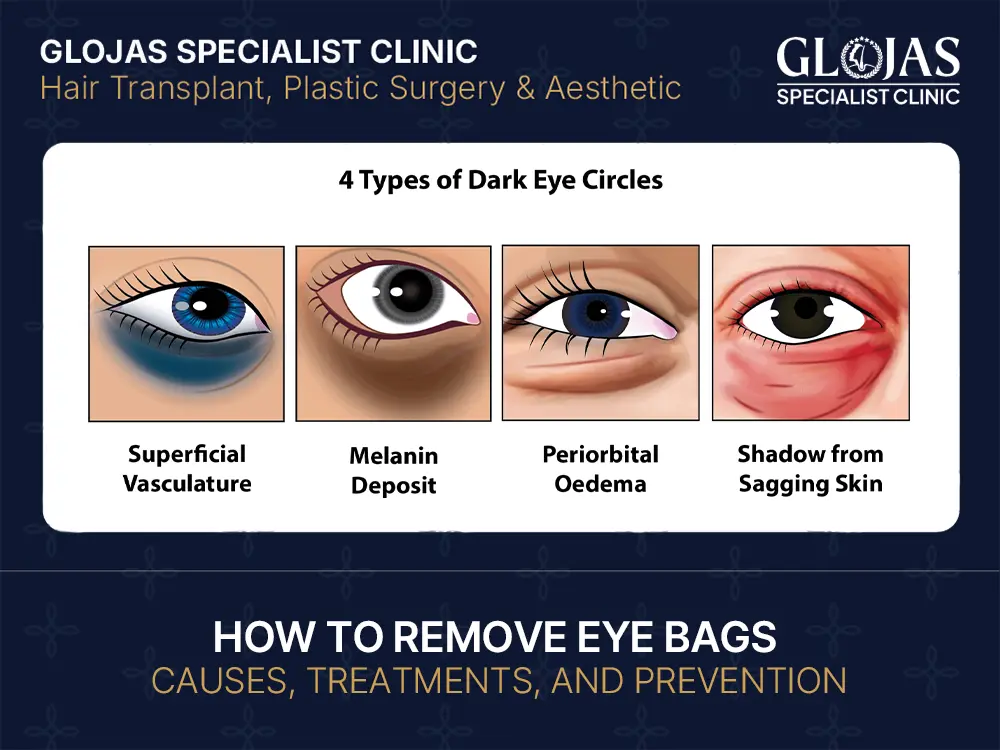
Eyebags are mild swelling or dark circles under the eyes caused by aging, genetics, fluid retention, or lifestyle factors. While usually harmless, they can affect appearance. Understanding causes, home care strategies, medical treatments, and preventive steps helps individuals reduce eyebags safely and effectively, improving both cosmetic outcome and overall eye health. What Are Eyebags Anyway? Eyebags are mild puffiness or dark circles under your eyes. They happen when fat, fluid, or loose skin gathers in the lower eyelid area. Aging, lack of sleep, allergies, and genetics can make them more noticeable. Quick points: Puffiness or sagging under the eyes Darker skin under thin eyelid skin Often worse in the morning or when tired Why Do I Get Eyebags? Eyebags can show up for several reasons: Getting older: Skin loses firmness and fat pads shift down Collagen decreases, making the area sag Family genes: Some people naturally have weaker under-eye tissue Your parents’ hairline and eyelid shape may play a role Lifestyle stuff: Not enough sleep Eating too much salt Drinking alcohol or smoking Allergies and health issues: Allergies can cause puffiness and dark circles Rare conditions like thyroid problems may contribute Eyebag Treatments at Clinic Some clinics offer a range of treatments to reduce puffiness, dark circles, and sagging under the eyes. Options are tailored to each patient’s needs for safe, effective, and natural-looking results. Non-surgical options: Dermal fillers: Smooth under-eye hollows and restore volume Laser therapy: Tightens skin and reduces pigmentation Chemical peels: Improve skin texture and tone Microneedling or radiofrequency: Stimulate collagen for firmer skin Surgical options: Blepharoplasty (eyelid surgery): Removes excess fat and skin for permanent improvement Additional care: Personalized assessment by dermatologists Combination treatments for best results Post-treatment guidance to prevent recurrence GLOJAS Specialist Clinic provides expert care for eyebags. Our dermatologists use safe, proven treatments—from home tips to advanced medical or cosmetic procedures—helping you look refreshed while keeping your eyes healthy. Trust our professional guidance for effective and lasting results. How Do Doctors Check Eyebags? Usually, eyebags are checked by just looking at the area. Sometimes a doctor may ask about your sleep, diet, or allergies. Tests are rarely needed unless a bigger health problem is suspected. Typical check-up includes: Examining your eyelids and skin Asking about sleep, diet, and family history Checking for any unusual features Easy Things You Can Try at Home Lifestyle changes: Get 7–9 hours of sleep Eat less salt and alcohol Use cold compresses to reduce swelling Creams and eye gels: Retinol, caffeine, or vitamin C products Can boost collagen and tighten skin Home tricks: Cold tea bags or cucumber slices on eyes Gentle massage to help fluid move When You Might Need a Doctor If home care isn’t enough, medical options exist: Fillers: Hyaluronic acid smooths under-eye hollows Quick, minimally invasive, temporary Laser treatments: Tightens skin and reduces dark circles Chemical peels: Improve skin tone and texture Surgery (Blepharoplasty): Removes extra fat or skin Permanent results Done under local or general anesthesia How to Keep Eyebags Away Stick to regular sleep schedules Drink plenty of water, reduce salt Protect your skin from the sun Use antioxidant eye creams Don’t rub or pull delicate under-eye skin Eyebag Myths You Should Ignore “Only old people get them” – False. Young adults get them too. “Creams can make them disappear” – False. Creams help but don’t remove fat. “Eyebags always mean poor health” – Most are cosmetic, not medical. Your Eyebag Questions Answered Q1: Can eyebags go away on their own?A1: Mild puffiness may improve with sleep, hydration, and lifestyle changes. Age-related changes usually remain. Q2: Are fillers risky?A2: Minor swelling or bruising is common. Rare complications are possible, so see a qualified doctor. Q3: How long does eyelid surgery last?A3: Usually 10+ years, though natural aging continues. Q4: Can allergies cause permanent bags?A4: Chronic allergies can worsen them, but managing allergies reduces puffiness. Q5: Do home remedies really work?A5: They provide temporary relief but don’t remove fat or loose skin permanently. Bottom Line Eyebags are common and usually harmless Causes include age, genetics, lifestyle, and allergies Home care helps mild cases Fillers, lasers, or surgery can fix stubborn eyebags Prevention focuses on sleep, hydration, diet, and skin care View this post on Instagram A post shared by Glojas Specialist | Plastic Surgery, Hair Transplant, Aesthetic (@glojasaesthetic)
6 Best Hair Loss Supplements for Effective Hair Growth In Malaysia
Do Hair Loss Supplements Help Hair Regrowth or Are They a Scam? Hair thinning and hair loss affect millions worldwide, impacting both men and women. While lifestyle changes, hair loss treatments, and clinical procedures like PRP or hair transplant are effective, hair loss supplements have emerged as a convenient and safe option to support hair growth from within. In this comprehensive guide, we explore the best supplements, their benefits, and how to use them effectively. Why Consider Hair Loss Supplements? Hair grows in cycles, and proper nutrition plays a critical role in maintaining healthy hair follicles. Deficiencies in vitamins, minerals, and proteins can lead to weakened hair, increased shedding, and slower regrowth. Hair loss supplements work by: Strengthening hair follicles Reducing breakage and shedding Promoting thicker, healthier hair Supporting scalp health These supplements can complement topical treatments like minoxidil or clinical procedures like FUE hair transplant to maximize results. Best Vitamin For Hair loss Biotin (Vitamin B7)Biotin supports keratin production, essential for strong, resilient hair. It helps prevent hair breakage and promotes growth, especially in thinning areas. Study (2016, Skin Appendage Disorders): Biotin supplementation improved hair growth in women with thinning hair due to deficiency. CollagenCollagen provides amino acids necessary for hair structure, improving elasticity and shine while reducing breakage. Saw PalmettoA natural DHT blocker, saw palmetto inhibits the hormone responsible for male and female pattern hair loss. Zinc and Iron (Ferritin)Deficiencies in zinc and iron are common causes of hair shedding. Supplementing these minerals supports follicle health and reduces hair loss. Study (2017, Journal of Korean Medical Science): Women with chronic telogen effluvium had significantly lower ferritin levels. Vitamin D and Vitamin EVitamin D stimulates new hair follicles, while vitamin E improves circulation to the scalp, promoting growth and follicle health. Study (2019, Dermatology and Therapy): Women with low vitamin D had higher rates of diffuse hair thinning. Herbal ExtractsIngredients like ginseng, horsetail, and nettle extract enhance scalp circulation, nourish follicles, and provide antioxidant protection. Top Hair Loss Supplements to Consider Biotin Capsules – Widely available for strengthening hair and nails. Collagen Powders – Ideal for boosting hair shaft integrity. Saw Palmetto Extract – Effective for DHT-related hair loss. Multivitamins with Zinc and Iron – Address deficiencies and support follicle health. Plant-Based Hair Growth Supplements – Combine herbal extracts for overall scalp and hair nourishment. Always consult a healthcare provider before starting new supplements, especially if you have underlying health conditions or are on medications. How to Use Hair Loss Supplements Safely Follow Recommended Dosage – Overdosing on vitamins like biotin or zinc can lead to side effects. Consistency is Key – Supplements require time to show results; typically, 3–6 months is needed for noticeable hair growth. Combine with Healthy Lifestyle – Balanced diet, hydration, and stress management improve effectiveness. Pair with Other Treatments – Supplements work best alongside hair care routines, topical solutions, or professional treatments like PRP or hair transplant. Who Can Benefit from Hair Loss Supplements? Men with Male Pattern Baldness – Reduce DHT impact with saw palmetto and essential vitamins. Women with Thinning Hair – Iron, zinc, and collagen help maintain volume and scalp health. Individuals with Nutrient Deficiencies – Correct deficiencies that contribute to shedding. Postpartum Hair Loss – Support recovery with biotin and vitamins to restore follicle strength. Hair Loss Supplements vs Prescription Treatments While prescription medications like finasteride and minoxidil are clinically proven to reduce hair loss, supplements offer a natural and safer alternative or complement. Supplements are non-invasive, generally have fewer side effects, and improve overall hair and scalp health. Hair Tonic for Hair Loss Hair tonics are liquid solutions applied directly to the scalp to nourish hair follicles and reduce shedding. Formulated with vitamins, herbal extracts, and sometimes minoxidil, hair tonics help strengthen existing hair, improve blood circulation to the scalp, and promote healthier hair growth. Regular use can complement other hair loss supplements and treatments, supporting overall scalp health. Tips for Maximizing Results On Vitamin For Hair Loss Maintain a balanced diet rich in protein, omega-3 fatty acids, and vitamins. Avoid harsh chemical treatments and excessive heat styling. Use scalp massage to improve blood circulation and nutrient delivery. Regularly monitor progress and adjust supplement intake with professional guidance. Restore Your Hair and Confidence with Hair Transplant at GLOJAS At GLOJAS, our hair transplant procedures are tailored to your unique needs, combining advanced techniques like SMART™ FUE Hair Transplant, FUE Hair Transplant, FUT Hair Transplant for natural, long-lasting results. Developed by Prof. Dato’ Dr. JasG, our methods ensure higher graft survival, minimal scarring, and faster recovery. Whether you’re dealing with male or female pattern hair loss, our expert team provides a personalized approach, integrating professional care with modern technology to help you regain a fuller hairline and renewed confidence. FAQs about Hair Loss Supplements 1. How long before hair loss supplements show results?Typically, you may see improvements in hair strength and reduced shedding within 3–6 months, depending on consistency and underlying causes. 2. Can hair loss supplements replace medical treatments?Supplements are best used alongside treatments like minoxidil, finasteride, or hair transplant for optimal results, especially in advanced hair loss. 3. Are hair loss supplements safe for women?Yes, many supplements are formulated for both men and women, but women should focus on iron, zinc, and vitamins to address unique needs. 4. Can I combine multiple supplements for hair growth?Yes, but avoid exceeding recommended doses, particularly for vitamins like biotin, zinc, or iron, to prevent side effects. 5. Do herbal supplements like saw palmetto really work?Saw palmetto has shown promise in blocking DHT, a hormone linked to hair loss, making it effective for some men and women with pattern hair loss.
Male vs Female Hair Transplant: Every Differences You Should Know
Introduction Hair transplant in malaysia is a highly effective solution for restoring lost hair, but it is not a “one-size-fits-all” procedure. The approach varies depending on whether the patient is male or female. This is because men and women experience different patterns of hair loss, have different expectations, and require unique surgical techniques. In this article, we will compare male vs female hair transplant, covering hair loss patterns, donor availability, hairline design, recovery timelines, and overall results. Understanding these differences helps patients make informed decisions and set realistic expectations. Understanding Hair Loss in Men vs Women Male Pattern Baldness (Androgenetic Alopecia) Men typically experience hair loss that follows the Norwood scale, starting with a receding hairline or thinning at the crown. Baldness in men is usually progressive and localized, often leaving the back and sides of the scalp unaffected. This creates a stable “donor area,” which is crucial for successful transplants. Female Pattern Hair Loss (FPHL) Women rarely go completely bald. Instead, they experience diffuse thinning across the scalp. The hairline often remains intact, but density decreases significantly, especially at the top and crown. Because thinning can also affect donor regions, careful evaluation is necessary to determine if surgery is feasible. 👉 Key takeaway: Men usually have more predictable donor areas, while women may face limitations due to diffuse thinning. Donor Area Availability Men:The donor area (back and sides of the scalp) tends to remain resistant to hair loss. This makes graft extraction more reliable and allows for higher coverage. Women:Diffuse thinning means donor areas may not be as stable. Transplanted grafts must be carefully selected to avoid poor survival rates. In some women, donor supply may not be sufficient for large-scale transplants. Hair Transplant Techniques For Men FUE (Follicular Unit Extraction): Individual grafts are removed and transplanted to the balding areas. This method avoids a linear scar and has a quicker recovery. FUT (Follicular Unit Transplantation): A strip of scalp is removed, and grafts are extracted from it. While it allows for many grafts, it leaves a scar. DHI (Direct Hair Implantation): A variation of FUE, offering precise placement for natural density. Men usually opt for FUE or FUT, depending on the extent of baldness and desired outcome. For Women FUE is generally preferred, as it allows extraction without shaving the entire scalp. This is important for women who wish to maintain longer hair. FUT is less common for women because of the visible linear scar and the need to shave larger areas. Female procedures often focus on increasing density in thinning zones rather than lowering the hairline extensively. Hairline Design: Male vs Female Men:Hairline design is crucial for natural-looking results. Surgeons create a mature hairline that balances age, facial structure, and density needs. A hairline placed too low looks unnatural and ages poorly. Women:Women often request a lower or more rounded hairline to reduce a high forehead or fill thinning along the part. Female hairlines are naturally softer and less angular compared to men. Hair Transplant Recovery Timeline Both men and women follow a similar hair transplant recovery timeline: Days 1–7: Redness, swelling, and scabbing around grafts. Weeks 2–3: Shedding phase (known as shock loss). Months 3–4: Early signs of regrowth appear, though thin and soft. Months 6–9: Noticeable thickening and increased density. Months 9–12: Final results become visible, with natural-looking coverage. For women, longer hair can help conceal the early phases, while men may notice changes more quickly. Expected Results and Success Rate Men:High success rates are common if the donor area is stable. Coverage of the hairline and crown provides a dramatic improvement in appearance and confidence. Women:Success depends on whether the donor hair is healthy and whether thinning is localized or diffuse. Women with stable donor regions see significant improvement in density, but not all are suitable candidates. Risks and Considerations Both genders may face temporary swelling, infection risk, or unnatural density if the procedure is poorly executed. Women often require additional medical evaluation to rule out hormonal or nutritional causes of hair loss before surgery. Men may require ongoing medical therapy, such as finasteride or minoxidil, to prevent further native hair loss. Alternatives for Women Not Suitable for Transplant Since not all women are ideal candidates, doctors may recommend non-surgical treatments: PRP therapy (Platelet-Rich Plasma): Enhances hair thickness and supports transplanted grafts. Minoxidil: Widely used topical solution for female pattern hair loss. Low-Level Laser Therapy (LLLT): Stimulates follicle activity. Hormonal Treatments: Especially useful if hair loss is linked to conditions like PCOS. Conclusion While the ultimate goal of a hair transplant is the same for men and women—restoring natural, thicker hair—the path to achieving it differs. Male vs female hair transplant procedures vary due to differences in hair loss patterns, donor availability, hairline design, and surgical techniques. A thorough consultation with a qualified hair transplant specialist is essential to determine candidacy and design a treatment plan tailored to each patient’s unique needs. FAQs About Male vs Female Hair Transplant 1. Can women undergo a hair transplant successfully?Yes, provided their donor area is strong and the cause of hair loss is suitable for surgical treatment. 2. Do men and women have different recovery timelines?The healing process is similar, though women may notice results more gradually due to longer hair length. 3. Which technique works best for women?FUE is typically preferred as it avoids extensive shaving and visible scars. 4. Are hair transplant results permanent for both genders?Yes, transplanted grafts are generally permanent. However, ongoing hair loss in non-transplanted areas may continue. 5. What is the biggest challenge for female hair transplant?Diffuse thinning, which can also affect the donor area, making surgery more complex. Restore Your Confidence with Hair Transplant at GLOJAS Plastic Surgery Specialist Clinic At GLOJAS Plastic Surgery Specialist Clinic, our board-certified surgeons specialize in advanced hair restoration using the latest SMART™ FUE technology. With over two decades of experience and thousands of successful procedures, we deliver natural, permanent results tailored to each patient’s needs. Whether you are facing early-stage thinning or advanced
Saw Palmetto Malaysia: Boost Hair Growth & Improve Prostate Health

What is Saw Palmetto? Saw palmetto (Serenoa repens) is a small palm native to North America. Its berries are widely used in dietary supplements, usually in capsule, tablet, or oil form. Research shows that saw palmetto contains fatty acids and phytosterols, which act as a natural DHT (dihydrotestosterone) blocker. Since DHT is the hormone responsible for male pattern baldness and prostate enlargement (benign prostatic hyperplasia or BPH), saw palmetto has become popular as a natural aid for men’s health. How Saw Palmetto Works Blocks DHT NaturallyDHT shrinks hair follicles, leading to thinning hair and eventual baldness. Saw palmetto may reduce DHT activity, slowing down this process. Supports Prostate HealthIn men over 40, an enlarged prostate can cause frequent urination. Studies suggest saw palmetto helps reduce urinary symptoms linked to BPH. Anti-Inflammatory PropertiesThe phytosterols in saw palmetto have anti-inflammatory effects, beneficial for both scalp health and urinary function. Main Uses of Saw Palmetto 1. Saw Palmetto for Hair Loss Helps men with androgenetic alopecia (male pattern baldness). Some women with hormonal thinning hair may also see improvement. Works best when combined with treatments like minoxidil, PRP therapy, or hair transplant surgery. 2. Saw Palmetto for Prostate Health Traditionally used to ease urinary difficulties caused by BPH. Clinical trials show it may improve urine flow and reduce discomfort, though results vary. 3. Hormonal Balance & Wellness Supports testosterone balance in men. May promote sexual health and overall vitality. Forms of Saw Palmetto Supplements Capsules / Tablets – the most common and convenient option. Softgel Oil Extracts – concentrated form with higher potency. Powder or Tincture – used in traditional herbal medicine. Saw Palmetto vs. Other Hair Loss & Prostate Treatments Treatment Advantages Limitations Saw Palmetto Natural, fewer side effects, helps both prostate & hair Slower results, varies per individual Finasteride Clinically proven for hair loss Possible sexual side effects Minoxidil Topical, stimulates hair regrowth Hair loss resumes if stopped PRP Therapy Natural, uses patient’s own blood plasma Expensive, multiple sessions needed Hair Transplant Permanent restoration option Surgical, higher upfront cost Possible Side Effects Although generally safe, some users may experience: Mild stomach upset or diarrhea Headaches or dizziness Changes in libido (rare) Interactions with blood-thinning medications ⚠️ Pregnant and breastfeeding women should avoid saw palmetto due to its hormonal effects. Recommended Dosage Standard daily dose: 160–320 mg of standardized extract. Best taken with food to reduce digestive issues. Always consult a doctor before starting, especially if you’re on other medications. Who Should Consider Saw Palmetto? Men experiencing hair thinning or male pattern baldness. Men with enlarged prostate symptoms such as frequent urination. Individuals seeking a natural alternative to finasteride. Women dealing with hormonal hair loss, under medical advice. Can It Be Combined with Other Treatments? Yes. Many patients use the supplement alongside: Minoxidil topical solutions to stimulate hair growth. Finasteride (under medical supervision). PRP therapy to strengthen hair follicles. Hair transplant surgery for advanced hair loss. Saw Palmetto vs Finasteride vs Dutasteride – Which One Is More Effective to Block DHT? When it comes to treating hair loss caused by DHT (dihydrotestosterone), different options exist — from natural extracts to prescription medications such as finasteride and dutasteride. Understanding how they compare can help you choose the right treatment. Saw PalmettoA natural supplement derived from the berries of the Serenoa repens plant. Research suggests it may help reduce DHT levels by inhibiting the enzyme 5-alpha reductase, though its effects are generally milder compared to prescription drugs. It is often preferred by individuals looking for a natural approach or those sensitive to medications. FinasterideA widely prescribed oral medication for male pattern baldness. It selectively inhibits Type II 5-alpha reductase, significantly lowering scalp and serum DHT levels. Clinical studies show finasteride can slow hair loss and promote regrowth in many men. DutasterideA more potent prescription option. Unlike finasteride, dutasteride blocks both Type I and Type II 5-alpha reductase enzymes, leading to greater suppression of DHT. Studies indicate it may be more effective than finasteride, but it may also carry a higher risk of side effects. Verdict: Most potent DHT blocker → Dutasteride Clinically proven and widely used → Finasteride Natural alternative with milder effects → Saw Palmetto Conclusion Saw palmetto is one of the most popular natural supplements for men’s health. With potential as a DHT blocker, it offers dual benefits: supporting hair preservation and prostate wellness. While its effects may be slower and less predictable compared to prescription drugs, saw palmetto remains an attractive option for those seeking a gentler, natural alternative. 👉 For best results, consult a dermatologist or urologist before starting the supplement, especially if you are combining it with other treatments. FAQs 1. Does saw palmetto really work for hair loss?Some studies suggest it can reduce DHT activity, slowing hair loss. Results vary, and it works best as part of a combined treatment plan. 2. Can women take saw palmetto?Yes, women with hormonal hair thinning sometimes use it. However, it’s not recommended during pregnancy or breastfeeding. 3. Is saw palmetto better than finasteride?Saw palmetto is natural and safer but less potent. Finasteride is more effective but carries higher risk of side effects. 4. How long does it take to see results?Most people need at least 3–6 months of consistent use to notice improvements in hair or prostate symptoms. 5. Where can I buy saw palmetto?It’s widely available at pharmacies, health stores, and online platforms in capsule, softgel, or powder form. Restore Confidence with Hair Transplant at GLOJAS Specialist Clinic Hair loss can affect not only your appearance but also your self-esteem. At GLOJAS Plastic Surgery Specialist Clinic in Kuala Lumpur, our experienced surgeons provide personalized hair transplant solutions that look natural and last a lifetime. Using advanced techniques like SMART FUE, we restore your hairline with precision, ensuring minimal downtime and maximum results. Why Choose GLOJAS for Hair Transplant Malaysia? Choosing the right clinic makes all the difference in achieving natural, permanent hair restoration. At GLOJAS Plastic Surgery Specialist Clinic, we combine medical expertise, artistry, and advanced technology to deliver