
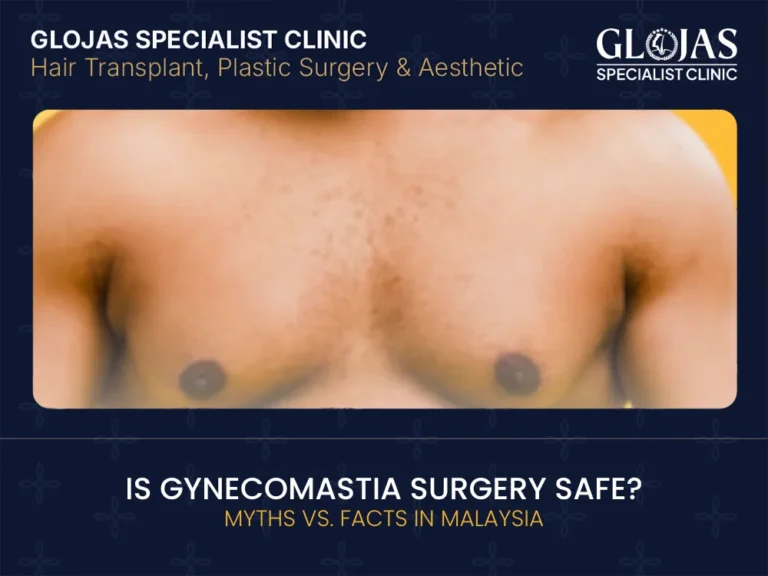
Concerns about Gynecomastia Surgery Safety are common among men considering treatment for enlarged male breast tissue. In Malaysia, awareness about this condition has grown as more people explore medical options to improve chest contour and confidence. Gynecomastia surgery, often performed using techniques like Liposuction or Male Breast Reduction Surgery, is generally considered safe when carried out by qualified surgeons. Understanding the real facts—rather than common myths—can help patients make informed decisions before undergoing treatment.
Understanding Gynecomastia Surgery Safety
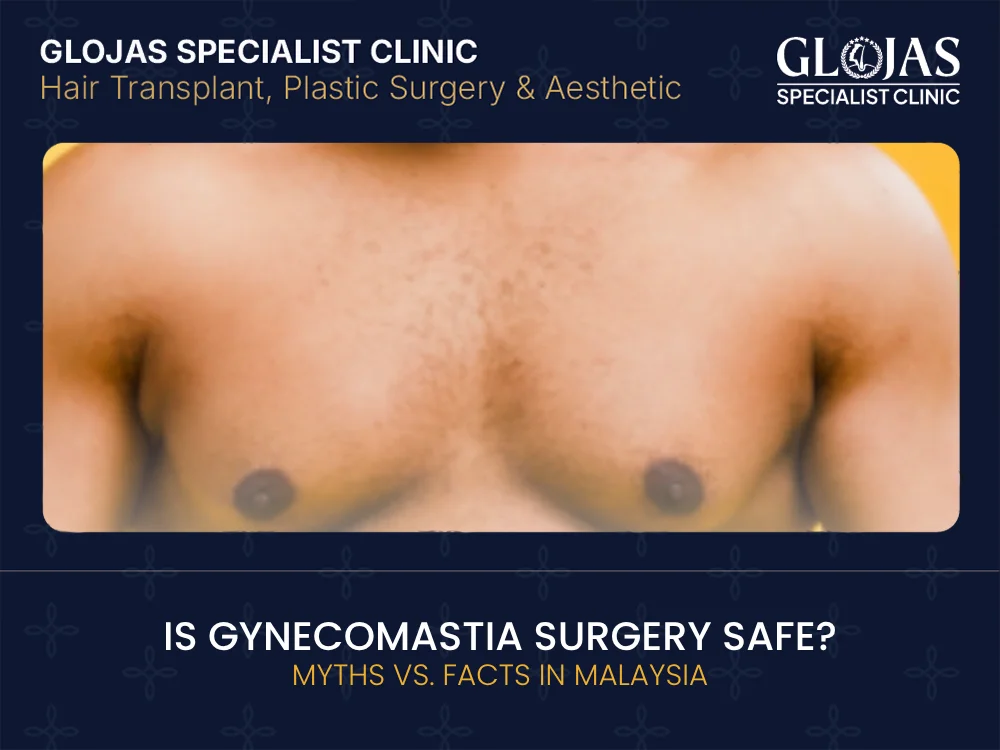
Gynecomastia is a condition characterized by the enlargement of breast tissue in males. It can affect one or both sides of the chest and may occur at different stages of life.
The condition is typically caused by a hormonal imbalance between Testosterone and Estrogen.
Common causes include:
- Puberty-related hormonal changes
- Aging and natural hormone decline
- Certain medications
- Obesity
- Underlying medical conditions
Although gynecomastia is usually not dangerous, it can cause emotional distress or self-consciousness for some individuals.
What Is Gynecomastia Surgery Safety?
Male Breast Reduction Surgery is a procedure designed to remove excess glandular tissue, fat, or skin from the male chest.
Surgeons may combine different techniques depending on the severity of the condition.
Common methods include:
Liposuction
Liposuction removes excess fatty tissue from the chest using a thin cannula inserted through small incisions.
This technique works best when gynecomastia is caused primarily by fat.
Glandular Tissue Removal
In cases where dense glandular tissue is present, surgeons may perform surgical excision to remove the tissue directly.
Combined Techniques
Many procedures use both liposuction and tissue removal to achieve a flatter, more masculine chest contour.
Why Gynecomastia Surgery Safety Concerns Are Common
Like any surgical procedure, gynecomastia surgery raises understandable safety concerns.
Patients often search online for answers about:
- Surgical risks
- Recovery time
- Complication rates
- Long-term results
Unfortunately, misinformation online can sometimes exaggerate risks or create unrealistic expectations.
Understanding the difference between myths and medically supported facts helps patients approach the procedure with clarity.
Gynecomastia Surgery Safety: Myths vs. Facts
Below are several common misconceptions about gynecomastia surgery.
Myth 1: Gynecomastia Surgery Is Extremely Dangerous
Some people believe that male breast reduction is a high-risk procedure.
Fact
When performed by a qualified plastic surgeon in an accredited medical facility, gynecomastia surgery is generally considered safe.
Like many cosmetic procedures, it is widely practiced around the world and has a well-established safety profile.
Organizations such as American Society of Plastic Surgeons provide guidelines to help ensure safe surgical practices.
Myth 2: The Results Always Look Unnatural
Another common misconception is that surgery will produce an artificial or uneven chest appearance.
Fact
Modern surgical techniques focus on achieving natural body contours.
Experienced surgeons carefully sculpt the chest area to match the patient’s body proportions.
Small incisions and refined techniques also help minimize visible scarring.
Myth 3: Gynecomastia Surgery Leaves Large Scars
Concerns about scarring often discourage men from seeking treatment.
Fact
Many procedures use very small incisions that heal well over time.
In liposuction-assisted procedures, scars are usually minimal and often hidden along the edge of the areola or within natural skin folds.
Myth 4: Recovery Takes Months
Some patients believe the recovery process is extremely long and disruptive.
Fact
Most patients return to normal daily activities within one to two weeks, although strenuous exercise may be restricted for several weeks.
Doctors typically recommend wearing a compression garment during the healing process to support the chest and reduce swelling.
Myth 5: Gynecomastia Will Always Come Back
Another widespread belief is that the condition inevitably returns after surgery.
Fact
In many cases, results are permanent once excess glandular tissue is removed.
However, factors such as significant weight gain, hormone imbalances, or certain medications may affect the chest area again.
Maintaining a healthy lifestyle can help preserve results.
Who Is a Good Candidate for Gynecomastia Surgery Safety?
Gynecomastia surgery safety can be an effective solution for men who experience persistent chest enlargement, but it is not necessary for everyone. Identifying the right candidates helps ensure safe treatment and satisfying, natural-looking results.
Good candidates for surgery typically include individuals who:
- Have persistent gynecomastia that does not resolve naturally
In many cases, chest enlargement during puberty may improve on its own. However, if the condition continues into adulthood or remains unchanged for over a year, surgical treatment may be considered. - Are physically healthy
Candidates should be in overall good health without serious medical conditions that could impair healing or increase surgical risks. A proper medical evaluation helps determine fitness for surgery. - Maintain a stable body weight
Individuals close to their ideal weight tend to achieve better and longer-lasting results. Significant weight fluctuations can affect chest contour after the procedure. - Have realistic expectations about surgical outcomes
While surgery can significantly improve chest appearance, it is important to understand that results may vary. A consultation helps clarify achievable outcomes based on individual anatomy. - Experience emotional or psychological discomfort
Many patients seek treatment due to self-consciousness or reduced confidence caused by chest appearance. Surgery can play a role in improving body image and quality of life.
Doctors also carefully assess the underlying cause of chest fullness, which may include:
- Fat accumulation (pseudogynecomastia) – often addressed with liposuction
- Glandular breast tissue (true gynecomastia) – may require surgical excision
- A combination of both – commonly treated with a combination approach
A thorough consultation with a qualified surgeon is essential to determine the most appropriate treatment plan. This ensures that the procedure is tailored to the patient’s condition, goals, and overall health for optimal results.
Risks and Potential Complications: Gynecomastia Surgery Safety
Although the procedure is generally safe, all surgeries carry some potential risks.
Possible complications may include:
- Swelling or bruising
- Temporary numbness
- Infection
- Minor asymmetry
- Fluid accumulation
These risks are uncommon when surgery is performed by an experienced professional and when patients follow post-operative instructions carefully.
Importance of Choosing a Qualified Surgeon
One of the most important factors affecting Gynecomastia Surgery Safety is the experience and training of the surgeon.
Patients should look for:
- Board-certified plastic surgeons
- Clinics with proper medical licensing
- Transparent consultation and surgical planning
- Clear explanation of risks and recovery expectations
A thorough consultation helps determine whether surgery is appropriate and allows patients to ask questions about the procedure.
Recovery and Aftercare: Gynecomastia Surgery Safety
Proper aftercare plays a crucial role in ensuring a smooth recovery and achieving the best possible results after gynecomastia surgery. While the procedure itself is relatively straightforward, following post-operative instructions carefully can significantly influence healing and final outcomes.
Wearing Compression Garments
Doctors usually advise wearing a compression garment for several weeks after surgery.
These garments help to:
- Reduce swelling and fluid buildup
- Support the newly contoured chest
- Improve skin retraction and overall shape
Consistent use is important, as it promotes even healing and enhances results.
Avoiding Strenuous Activities
Patients are typically advised to avoid heavy lifting, intense exercise, and upper body strain for several weeks.
During early recovery:
- Light daily activities can usually resume within a few days
- More vigorous exercise should be postponed (often 3–6 weeks, depending on your surgeon’s advice)
This helps reduce the risk of complications such as bleeding, swelling, or delayed healing.
Attending Follow-Up Appointments
Regular post-operative check-ups are essential to monitor healing progress.
During these visits, the surgeon will:
- Assess swelling and recovery
- Remove sutures if required
- Address any concerns or unexpected symptoms
These appointments ensure recovery is progressing safely.
What to Expect During Recovery
- Swelling and bruising are common in the first few weeks
- Mild discomfort can usually be managed with prescribed medication
- Many patients return to work within a few days to a week, depending on their job
As swelling gradually subsides, patients typically notice improvements in chest contour and definition. Final results become more visible over several weeks to months as healing completes.
Psychological Benefits of Gynecomastia Surgery Safety
For many men, gynecomastia can affect confidence and body image.
Successful treatment may lead to improvements in:
- Self-esteem
- Comfort wearing fitted clothing
- Participation in sports or social activities
Although surgery focuses on physical changes, the emotional benefits can also be significant for some individuals.
Frequently Asked Questions (FAQs): Gynecomastia Surgery Safety
1. Is gynecomastia surgery safe?
Yes, when performed by a qualified surgeon, the procedure is generally considered safe with a low complication rate.
2. How long does gynecomastia surgery take?
Most procedures take between 1 and 2 hours, depending on the complexity of the case.
3. Is the surgery painful?
Patients are typically given anesthesia, and discomfort after surgery is usually mild to moderate.
4. How long is the recovery period?
Many patients return to normal activities within one to two weeks, although full recovery may take several weeks.
5. Are the results permanent?
Results are often long-lasting if body weight and hormone levels remain stable.
6. Will there be visible scars?
Modern surgical techniques usually produce minimal and well-hidden scars.
7. Can exercise treat gynecomastia?
Exercise may reduce chest fat but usually cannot remove glandular breast tissue.
8. Is gynecomastia common?
Yes. Gynecomastia affects many males at different stages of life.
9. Can teenagers undergo surgery?
Doctors may recommend waiting until hormonal changes stabilize before considering surgery.
10. How do I know if I need surgery?
A consultation with a qualified plastic surgeon can determine the most appropriate treatment option.
Conclusion
Understanding Gynecomastia Surgery Safety is essential for anyone considering treatment for enlarged male breast tissue. While myths and misconceptions often circulate online, medical evidence shows that procedures such as Male Breast Reduction Surgery can be safe and effective when performed by experienced surgeons.
Patients who educate themselves about the procedure, choose reputable clinics, and follow proper aftercare instructions are more likely to achieve satisfying results. For many men in Malaysia, this treatment offers a practical solution for improving chest contour and restoring confidence.