
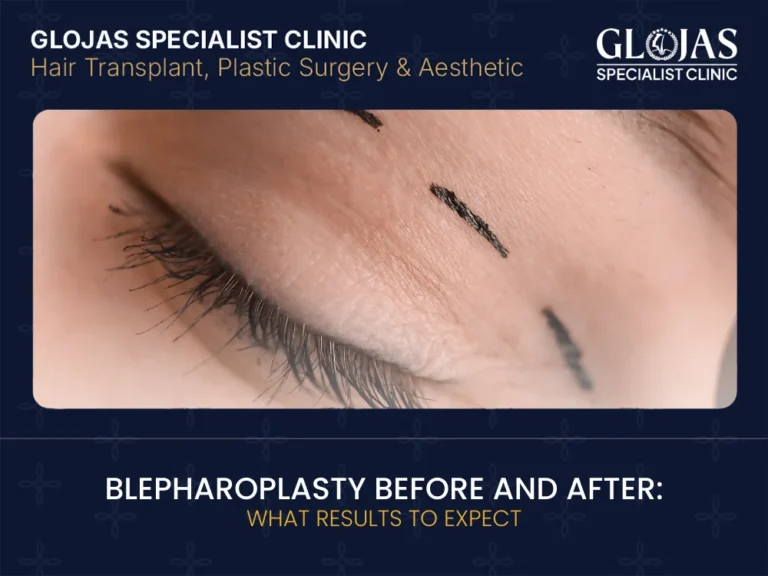
When researching eyelid surgery, many patients search for Blepharoplasty before after results to understand how the procedure can transform the appearance of the eyes. Before-and-after comparisons provide valuable insight into what changes are possible and how the eyelid area may improve after surgery.
Blepharoplasty is designed to correct drooping eyelids, under-eye bags, and excess skin around the eyes. Understanding realistic Blepharoplasty before after outcomes can help patients set appropriate expectations and decide whether the procedure aligns with their aesthetic goals.
What Is Blepharoplasty?
Blepharoplasty, often called eyelid surgery, is a cosmetic or functional procedure that improves the appearance of the upper or lower eyelids.
The surgery typically involves:
- Removing excess skin
- Repositioning or removing fat deposits
- Tightening surrounding tissues
Blepharoplasty is commonly performed in specialties such as Plastic Surgery and Oculoplastic Surgery.
The procedure may be done for aesthetic reasons or to improve vision if sagging eyelids interfere with sight.
Why Patients Look for Blepharoplasty Before After Photos
Blepharoplasty Before After photos are often one of the most valuable resources for individuals considering blepharoplasty. Since eyelid surgery focuses on subtle yet impactful changes, visual examples help patients better understand what the procedure can realistically achieve.
These images serve several important purposes:
1. Visualizing Possible Improvements
Blepharoplasty results can vary depending on a person’s anatomy. Before-and-after photos allow patients to see how concerns like drooping eyelids, puffiness, or under-eye bags may be improved, helping them picture potential outcomes for themselves.
2. Understanding Realistic Results
Photos provide a grounded, realistic view of results rather than overly idealized expectations. Patients can observe natural-looking enhancements—such as brighter, more rested eyes—rather than dramatic or artificial changes.
3. Comparing Surgical Techniques
Different surgeons may use varying techniques depending on the patient’s needs, such as fat repositioning, skin removal, or muscle tightening. Reviewing multiple cases helps patients understand how these approaches affect final results.
4. Evaluating a Surgeon’s Experience
A well-documented gallery reflects a surgeon’s consistency, aesthetic style, and level of expertise. Patients often look for cases similar to their own to assess whether the surgeon can deliver the type of outcome they desire.
5. Building Confidence and Trust
Seeing real patient transformations can make the decision-making process less intimidating. It reassures patients that the procedure has been successfully performed on others with similar concerns.
6. Identifying Personal Goals
Before-and-after photos also help patients clarify what they want. By noting which results they prefer, they can communicate more effectively during consultations.
Overall, reviewing real patient results provides a clearer, more informed perspective on what blepharoplasty can achieve. While every individual’s outcome will differ, these images play a crucial role in setting expectations and guiding confident decisions.
Common Concerns Seen in Before Photos
Before surgery, patients often experience visible changes around the eyes that affect facial appearance.
Typical concerns include:
Drooping Upper Eyelids
Aging can cause excess skin to fold over the eyelid crease, creating a heavy or tired appearance.
In severe cases, drooping eyelids may even interfere with peripheral vision.
Under-Eye Bags
Fat deposits beneath the eyes may become more prominent over time, creating puffy lower eyelids.
These eye bags can make the face look fatigued even after adequate rest.
Wrinkles and Loose Skin
The skin around the eyes is particularly delicate and prone to aging.
Over time, fine lines, wrinkles, and skin laxity may become more noticeable.
What Changes Are Seen After Blepharoplasty?
After surgery, patients typically notice improvements in several aspects of the eye area.
Smoother Eyelid Contours
Excess skin removal helps restore a smoother eyelid surface.
This can create a more defined eyelid crease and reduce heaviness around the eyes.
Reduced Eye Bags
Lower eyelid surgery may remove or reposition fat deposits that cause puffiness.
This can significantly reduce under-eye bags and improve overall facial balance.
A More Rested Appearance
One of the most common outcomes seen in Blepharoplasty before after results is a refreshed look.
Patients often report that their eyes appear:
- Brighter
- More open
- Less tired
The goal is usually a natural improvement rather than a dramatic change.
Timeline of Blepharoplasty Before After Results
Results develop gradually as swelling and bruising resolve.
Immediately After Surgery
During the first few days, patients may experience:
- Swelling
- Bruising
- Temporary tightness around the eyelids
These effects are a normal part of the healing process.
One to Two Weeks
Many patients return to daily activities within one to two weeks.
At this stage:
- Most swelling improves
- Bruising fades significantly
- Eyelid contours begin to appear smoother
Several Weeks to Months
Final results become more visible as the eyelids continue to heal.
Scars typically fade and blend into natural eyelid creases over time.
Upper vs Lower Blepharoplasty Results
The improvements seen in Blepharoplasty before after images may differ depending on the procedure performed.
Upper Blepharoplasty Results
Upper eyelid surgery mainly addresses:
- Drooping skin
- Heavy eyelids
- Vision obstruction in severe cases
After surgery, the eyes often appear more open and defined.
Lower Blepharoplasty Results
Lower eyelid surgery focuses on:
- Under-eye bags
- Puffiness
- Loose skin beneath the eyes
The goal is to create a smoother transition between the lower eyelid and cheek.
Factors That Influence Blepharoplasty Results
Not all patients will have identical outcomes.
Several factors can influence surgical results.
Skin Quality
Patients with good skin elasticity may achieve smoother results.
However, individuals with thinner skin may still benefit significantly from surgery.
Surgical Technique
Experienced surgeons carefully plan incision placement and tissue removal.
The procedure may involve techniques such as fat repositioning or conservative skin removal.
Individual Healing Response
Each patient heals differently.
Factors such as age, genetics, and lifestyle habits can affect recovery and final results.
Non-Surgical Treatments Compared to Blepharoplasty
Some individuals consider non-surgical treatments before choosing surgery.
Examples include:
- Hyaluronic Acid Dermal Fillers for tear trough correction
- Laser skin resurfacing
- Skin tightening procedures
These treatments may improve mild concerns but usually cannot remove significant excess skin or fat deposits.
Blepharoplasty remains one of the most effective treatments for structural eyelid issues.
How Long Do Blepharoplasty Results Last?
Results from blepharoplasty (eyelid surgery) are generally long-lasting, making it one of the more durable cosmetic procedures for facial rejuvenation. However, the longevity of results can vary depending on the type of surgery performed, individual aging patterns, and lifestyle factors.
For many patients:
Upper eyelid surgery results typically last 5 to 10 years or longer. In some cases, the improvement can be nearly permanent, especially if only excess skin was the main concern.
Lower eyelid surgery often provides results that last 10 years or more, and in many cases, under-eye bags do not return once fat is repositioned or removed.
One of the key reasons for these long-lasting outcomes is that blepharoplasty addresses structural issues—such as excess skin, fat deposits, and muscle laxity—rather than just surface-level concerns.
That said, it’s important to understand that the procedure does not stop the natural aging process. Over time, the skin will continue to lose elasticity, and subtle changes may gradually reappear. Factors that can influence how long results last include:
Age at the time of surgery
Skin quality and genetics
Sun exposure and skincare habits
Smoking and overall lifestyle
Weight fluctuations
Despite these variables, most patients continue to look more refreshed and youthful compared to if they had not undergone surgery at all. Even years later, the eyes typically retain a smoother, less tired appearance.
Maintaining a healthy lifestyle, protecting the skin from sun damage, and following a good skincare routine can help extend the longevity of your blepharoplasty results.
Choosing a Qualified Surgeon
One of the most important steps in achieving good Blepharoplasty before after results is selecting an experienced surgeon.
Patients should consider:
- Surgeon qualifications
- Experience with eyelid procedures
- Before-and-after photo galleries
- Patient reviews
Consulting a specialist trained in Ophthalmology or oculoplastic surgery can help ensure safe and effective treatment.
Final Thoughts
Blepharoplasty is one of the most popular cosmetic procedures for improving the eye area. Reviewing Blepharoplasty before after results can help patients understand how eyelid surgery may enhance their appearance.
By addressing drooping eyelids, excess skin, and under-eye bags, the procedure can create a more refreshed and youthful look. While results vary depending on individual factors, many patients experience noticeable improvements that last for years.
A consultation with a qualified surgeon is the best way to determine whether blepharoplasty is the right option for your concerns.
FAQs
1. What does blepharoplasty before after show?
Before-and-after photos demonstrate how eyelid surgery can improve drooping eyelids, eye bags, and excess skin.
2. How soon will I see results after surgery?
Initial improvements appear within a few weeks, while final results may take several months.
3. Do Blepharoplasty Before After scars show in photos?
Scars are usually hidden in natural eyelid folds and become less noticeable as they heal.
4. Can Blepharoplasty Before After make eyes look bigger?
The procedure may make eyes appear more open by removing excess skin and reducing puffiness.
5. Are Blepharoplasty Before After results natural-looking?
Most surgeons aim for subtle improvements that maintain natural facial expressions.
6. Is blepharoplasty only for older patients?
No, younger patients may also undergo the procedure for genetic eye bags or eyelid concerns.
7. Can eye bags return after surgery?
Results are long-lasting, but natural aging may eventually cause new changes around the eyes.
8. How long is recovery after eyelid surgery?
Most patients return to normal activities within one to two weeks.
9. Are non-surgical treatments as effective as surgery?
Non-surgical treatments may help mild cases but typically cannot replace surgery for significant eyelid concerns.
10. How do I know if blepharoplasty is right for me?
A consultation with a qualified surgeon can help determine the most appropriate treatment for your needs.