
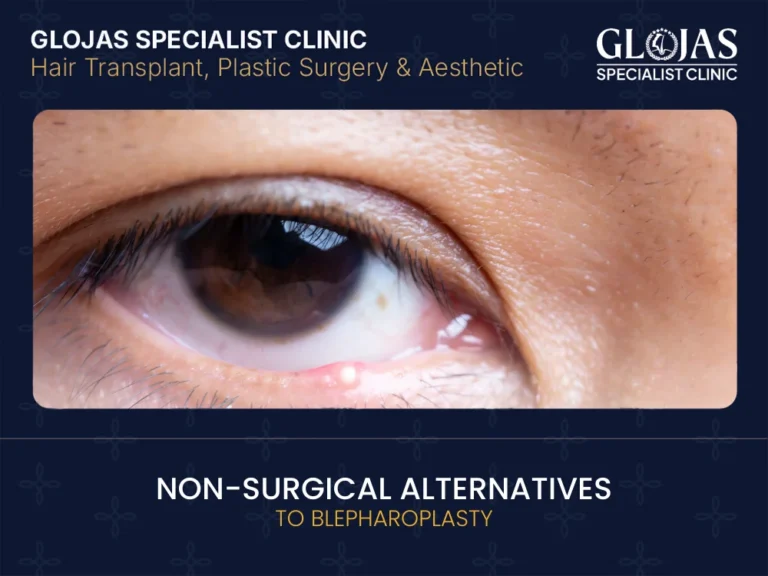
For individuals who want to improve the appearance of their eyelids without surgery, Non Surgical Blepharoplasty Alternatives are becoming increasingly popular. While traditional eyelid surgery can effectively remove excess skin and fat, not everyone is ready for a surgical procedure or extended recovery time.
Today, several minimally invasive treatments can help improve drooping eyelids, under-eye bags, and fine lines. These Non Surgical Blepharoplasty Alternatives focus on tightening skin, stimulating collagen, and improving overall skin quality around the eyes.
Although results may be more subtle compared to surgery, these treatments can still provide noticeable improvements for the right candidates.
What Is Blepharoplasty?
Blepharoplasty is a cosmetic or functional eyelid procedure that removes or repositions excess skin, muscle, or fat around the eyes.
It is commonly performed in Plastic Surgery and Oculoplastic Surgery to treat:
- Drooping upper eyelids
- Under-eye bags
- Excess eyelid skin
- Signs of aging around the eyes
While the procedure can deliver long-lasting results, surgery may involve downtime, swelling, and recovery time. Because of this, many patients explore non-surgical options first.
Why Some Patients Prefer Non Surgical Blepharoplasty
Not everyone requires surgical correction. In many cases, mild to moderate eyelid concerns can be addressed with non-invasive procedures.
Reasons patients consider non-surgical options include:
- Avoiding surgical risks
- Minimal recovery time
- Gradual and natural-looking results
- Lower upfront cost
- Ability to combine multiple treatments
These treatments are often suitable for individuals experiencing early signs of aging.
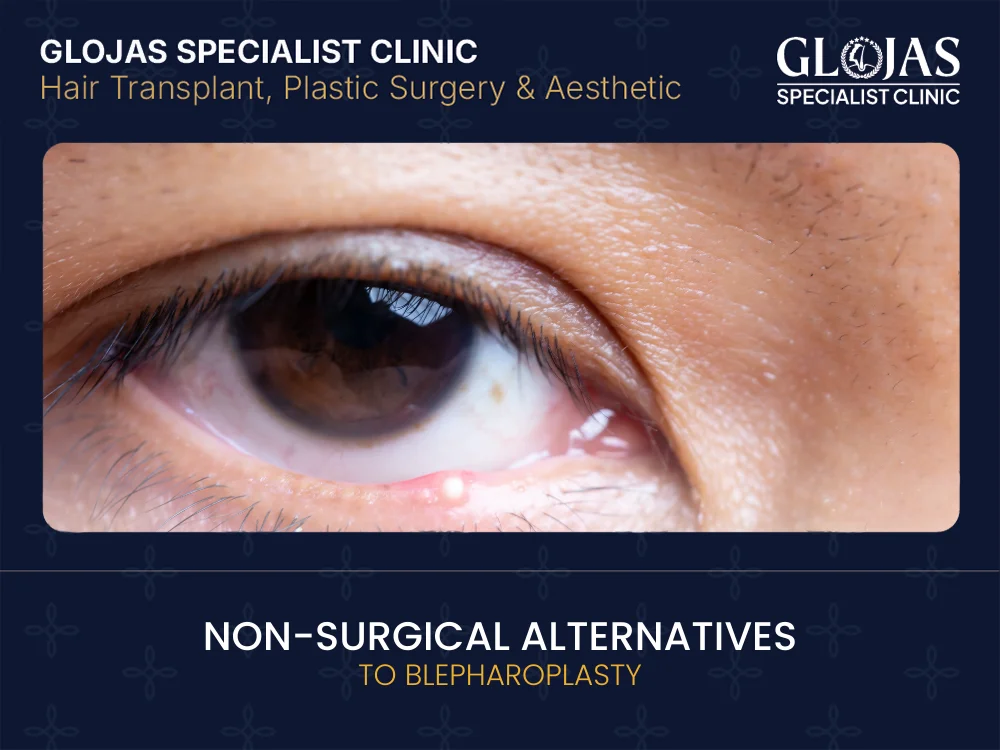
Who Is a Good Candidate for Non Surgical Blepharoplasty Alternatives?
Non Surgical Blepharoplasty treatments may be suitable for people who have:
- Mild skin laxity around the eyes
- Fine lines and wrinkles
- Slight eyelid drooping
- Under-eye hollows
- Early aging changes
However, individuals with significant excess skin or large eye bags may still benefit more from surgical blepharoplasty.
A consultation with a qualified specialist helps determine the most appropriate approach.
Popular Non Surgical Blepharoplasty
Several treatments are commonly used to improve eyelid appearance without surgery.
1. Dermal Fillers
Dermal fillers are injectable treatments used to restore lost volume and smooth the under-eye area.
One commonly used filler ingredient is Hyaluronic Acid Dermal Fillers.
Fillers may help:
- Reduce tear trough hollows
- Improve under-eye shadows
- Create smoother transitions between eyelid and cheek
Results are usually visible shortly after treatment and may last several months.
2. Botulinum Toxin Injections
Botulinum toxin injections are widely used to reduce dynamic wrinkles around the eyes.
One well-known product is Botox.
This treatment works by temporarily relaxing facial muscles that cause wrinkles.
Benefits may include:
- Reduced crow’s feet
- Smoother skin around the eyes
- A subtle lifting effect on the brows
Results typically last several months before repeat treatment may be required.
3. Radiofrequency Skin Tightening
Radiofrequency (RF) treatments use controlled heat energy to stimulate collagen production in the skin.
The treatment may help:
- Tighten loose skin
- Improve skin elasticity
- Reduce fine lines
Because the eye area has delicate skin, RF treatments are usually performed using specialized devices designed for sensitive areas.
4. Laser Skin Resurfacing
Laser treatments can improve skin texture and reduce wrinkles around the eyes.
One commonly used technology is Laser Skin Resurfacing.
Laser treatments may help:
- Smooth fine wrinkles
- Stimulate collagen production
- Improve skin tone and texture
Recovery time varies depending on the laser type used.
5. Microneedling
Microneedling involves creating tiny controlled micro-injuries in the skin to stimulate natural collagen production.
This treatment may improve:
- Fine lines
- Skin texture
- Mild skin laxity
Some clinics combine microneedling with platelet-rich plasma (PRP) to enhance results.
6. Ultrasound-Based Skin Tightening
Ultrasound technology can deliver focused energy beneath the skin surface to stimulate tissue tightening.
A well-known treatment using this technology is Ultherapy.
Potential benefits include:
- Skin tightening around the eyes
- Improved skin firmness
- Gradual lifting effect
Results typically develop over several months as collagen production increases.
7. Plasma Skin Tightening
Plasma-based treatments use controlled micro-injuries to tighten loose eyelid skin.
One commonly known technique is Plasma Fibroblast Therapy.
This treatment may help:
- Tighten mild eyelid sagging
- Reduce fine lines
- Improve skin firmness
However, results can vary depending on skin condition and practitioner experience.
Benefits of Non Surgical Blepharoplasty Treatments
Non Surgical Blepharoplasty treatments have become increasingly popular for individuals who want to improve the appearance of their eyes without undergoing procedures like Blepharoplasty. For suitable candidates—especially those with mild to moderate concerns—these treatments offer a convenient and effective alternative.
Minimal Downtime
One of the biggest advantages is the quick recovery period. Most non-invasive procedures allow patients to return to their normal routine within a day or even immediately after treatment. This makes them ideal for individuals with busy schedules who cannot afford extended downtime.
Lower Risk Compared to Surgery
Because these treatments do not involve incisions or general anaesthesia, they generally carry fewer risks than surgical options. Common procedures such as Dermal Fillers or laser therapies are considered safe when performed by trained professionals, with fewer complications and milder side effects.
Gradual, Natural-Looking Results
Non-surgical treatments typically enhance the eye area progressively. This allows for subtle improvements over time, reducing the chance of dramatic or “overdone” results. Patients often appreciate the more natural transition in their appearance.
Customisable Treatment Combinations
Another key benefit is flexibility. Different treatments can be combined to address multiple concerns at once—for example, pairing Botox with fillers or energy-based devices to target wrinkles, volume loss, and mild skin laxity simultaneously. This personalised approach helps achieve balanced and harmonious outcomes.
Short Treatment Sessions
Most non-surgical eyelid procedures can be completed within 30 to 60 minutes, making them convenient even during a lunch break. Despite the short duration, many patients notice visible improvements after just one or a few sessions.
These procedures are typically performed in outpatient aesthetic clinics, allowing patients to receive treatment in a comfortable setting without hospital admission. However, proper assessment by an experienced practitioner remains essential to ensure safety and optimal results.
Limitations of Non Surgical Blepharoplasty Alternatives
While non-surgical treatments can provide improvements, they also have certain limitations.
These treatments may not fully address:
- Significant drooping eyelid skin
- Large fat deposits under the eyes
- Severe eyelid aging
Results are typically temporary, and maintenance treatments may be required to sustain improvements.
Combining Treatments for Better Results
In many cases, practitioners combine multiple treatments to achieve better outcomes.
For example, a treatment plan might include:
- Dermal fillers for volume restoration
- Botulinum toxin for wrinkle reduction
- Laser or RF for skin tightening
This multi-treatment approach can address several aging concerns simultaneously.
How to Choose the Right Treatment
Selecting the right treatment for eyelid concerns is not a one-size-fits-all decision. The most suitable option depends on a careful assessment of your unique anatomy, aesthetic goals, and the severity of the condition. Whether considering non-surgical options or procedures like Blepharoplasty, a personalised approach is essential for achieving natural-looking results.
Doctors typically evaluate several key factors during consultation:
Skin Elasticity
The quality and firmness of your skin play a major role in determining the appropriate treatment. Patients with good skin elasticity may benefit from less invasive treatments such as laser therapy or injectables. In contrast, those with significant skin laxity often achieve better results with surgical correction.
Degree of Eyelid Drooping
Mild drooping (ptosis) may sometimes be managed with non-surgical treatments, but moderate to severe sagging usually requires surgical intervention. In such cases, procedures like Upper Eyelid Surgery can help remove excess skin and restore a more youthful eye contour.
Under-Eye Volume Loss
Hollowing under the eyes is commonly caused by fat loss or ageing. This concern may be treated with dermal fillers to restore volume or with Lower Eyelid Surgery to reposition or remove fat deposits, depending on the individual’s needs.
Overall Facial Structure
The eyes should always be assessed in harmony with the rest of the face. Factors such as cheek volume, brow position, and facial symmetry influence the final treatment plan. A comprehensive evaluation ensures balanced, natural-looking results rather than an overdone appearance.
Because the eye area is particularly delicate and highly visible, it is crucial to seek treatment from qualified and experienced professionals. Consulting a board-certified specialist ensures proper diagnosis, safe technique, and outcomes that enhance your natural features while maintaining eye function.
Final Thoughts
Non Surgical Blepharoplasty treatments have become increasingly popular for individuals seeking subtle improvements without surgery. These Non Surgical Blepharoplasty Alternatives can help improve mild eyelid sagging, reduce wrinkles, and enhance skin quality around the eyes.
While results may not be as dramatic as surgical procedures, many patients appreciate the convenience, minimal downtime, and gradual results provided by these treatments.
A personalized consultation with an experienced practitioner can help determine the most suitable approach based on your individual goals and skin condition.
FAQs
1. What are non surgical blepharoplasty alternatives?
They are minimally invasive treatments designed to improve eyelid appearance without surgery.
2. Do non-surgical eyelid treatments really work?
Yes, they can improve mild eyelid concerns such as fine lines, mild sagging, and under-eye hollows.
3. How long do results last?
Results vary depending on the treatment but may last from several months to a few years.
4. Are Non Surgical Blepharoplasty treatments painful?
Most treatments involve minimal discomfort and may include numbing creams to improve comfort.
5. Can fillers fix under-eye bags?
Dermal fillers may improve hollow under-eye areas but may not fully remove large eye bags.
6. Is Botox used around the eyes?
Yes, botulinum toxin injections are commonly used to reduce crow’s feet and fine lines.
7. Who is not suitable for non-surgical eyelid treatments?
Individuals with severe eyelid sagging or large fat deposits may require surgical treatment.
8. Is there downtime after these treatments?
Many non-surgical treatments have minimal downtime, although mild swelling or redness may occur.
9. Are results permanent?
No, most non-surgical treatments require maintenance sessions to maintain results.
10. How do I know which treatment is best?
A consultation with an experienced aesthetic practitioner can help determine the most appropriate option.