
What Is Blepharoplasty?
Definition of Blepharoplasty (Eyelid Surgery)
Blepharoplasty is a surgical procedure designed to repair droopy eyelids by removing excess skin, muscle, and fat. In Malaysia, it is a highly sought-after aesthetic and functional surgery. It addresses the structural changes that occur as the orbicularis oculi muscle weakens and skin loses its natural elasticity.
How Blepharoplasty Improves Eyelid Appearance
The procedure rejuvenates the eye area by eliminating puffiness and sagging. By tightening the underlying tissues, surgeons create a more rested, “awake” look. This reduces the appearance of tiredness and aging, making the eyes look larger and more vibrant while maintaining your natural facial expressions and character.
Medical vs Cosmetic Blepharoplasty
While cosmetic surgery focuses on aesthetics, medical blepharoplasty is often necessary for functional reasons. If sagging skin obstructs your peripheral vision, it may be classified as a medically necessary eyelid surgery. In Malaysia, functional cases might be eligible for insurance coverage, whereas purely cosmetic enhancements are out-of-pocket expenses.
Types of Blepharoplasty
Upper Blepharoplasty (Upper Eyelid Surgery)
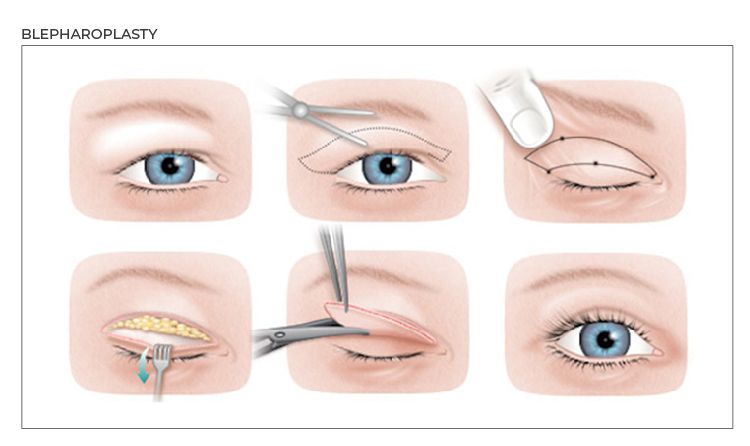
This focuses on the region between the eyebrow and the eyelashes. The surgeon makes precise incisions along the natural folds of the lid to remove redundant skin and fat. This effectively treats “hooded eyes,” providing a cleaner lid space that often makes applying makeup much easier for patients.
Lower Blepharoplasty (Eye Bag Removal Surgery)
Lower blepharoplasty primarily targets under-eye puffiness and “bags.” Surgeons typically use a transconjunctival approach—an incision inside the lower lid—to redistribute or remove fat deposits. This technique avoids visible external scarring while smoothing the transition between the lower eyelid and the upper cheek area for a seamless look.
Double Eyelid Surgery
Commonly known as Asian Blepharoplasty, this procedure creates a supratarsal crease in “monolid” eyes. It is one of the most popular procedures in Southeast Asia. Surgeons use either the incisional or stitching (suture) method to define the crease, depending on the patient’s skin thickness and desired outcome.
What Problems Can Blepharoplasty Treat?
Droopy Upper Eyelids
Ptosis or simple skin laxity can cause the upper lids to hang low. This doesn’t just look aging; it can feel heavy. Blepharoplasty removes the “hood” of skin, lightening the weight on the eyelids and revealing the natural shape of the eye that was previously hidden by sagging tissue.
Eye Bags and Under-Eye Puffiness
Fat pads beneath the eyes can protrude over time, creating permanent shadows often mistaken for dark circles. Surgery repositions these fat deposits to fill in hollows (the tear trough) and remove the bulge. This results in a flatter, firmer surface that reflects light more youthfuly and evenly.
Excess Eyelid Skin Affecting Vision
When upper eyelid skin hangs over the lashes, it can block the superior and lateral visual fields. This condition, often termed dermatochalasis, can make driving or reading difficult. By removing this “curtain” of skin, blepharoplasty restores a full range of vision, significantly improving the patient’s daily quality of life.
How Blepharoplasty Surgery Works
Consultation and Eye Assessment
Your journey begins with a comprehensive eye exam and health screening. Surgeons evaluate your tear production, skin laxity, and bone structure. In Malaysia, practitioners follow strict Ministry of Health (MOH) guidelines to ensure patients are physically and mentally prepared for the surgical process and have realistic expectations.
Blepharoplasty Surgical Procedure
The surgery is usually performed under local anesthesia with sedation, though general anesthesia is an option. After making strategic incisions, the surgeon removes or repositions tissue and closes the site with fine sutures. The goal is always to hide scars within the eye’s natural anatomy for an invisible finish.
Duration of Eyelid Surgery
Eyelid surgery is remarkably efficient, typically taking between 45 minutes to 2 hours. If you are only treating the upper or lower lids, it is often closer to the one-hour mark. Because it is an outpatient procedure, you can usually head home the same day to begin your recovery.
Benefits of Blepharoplasty
More Youthful Eye Appearance
The eyes are the first thing people notice. By removing wrinkles and bags, blepharoplasty can “turn back the clock” by a decade or more. You’ll likely look refreshed and energetic, losing that “permanently tired” look that often persists even after a full night of deep, restful sleep.
Improved Vision from Removing Excess Skin
Functional improvement is a major “hidden” benefit. Many patients find they no longer have to strain their forehead muscles to lift their lids to see clearly. This often resolves tension headaches and brow fatigue, while providing a much clearer, wider view of the world around them.
Natural-Looking Eyelid Contour
Modern techniques prioritize a “less is more” approach. Instead of over-removing fat, which can cause a hollowed-out look, surgeons now focus on repositioning fat to maintain youthful fullness. This ensures the results look natural and balanced, rather than “operated on” or tight.
Blepharoplasty Recovery and Healing
Recovery Time After Eyelid Surgery
Most patients return to sedentary work within 7 to 10 days. While initial swelling and bruising are common, these typically peak at day three and fade significantly by the end of the first week. You should avoid strenuous activities for at least three weeks to prevent any post-surgical complications.
Post-Surgery Care and Healing Process
Cold compresses are your best friend during the first 48 hours to minimize swelling. You’ll likely be prescribed antibiotic ointment and lubricating eye drops. It is crucial to wear sunglasses outdoors to protect the healing incisions from UV rays and wind, as your eyes may be temporarily sensitive.
When Blepharoplasty Results Become Visible
While you will see a difference immediately, the final refined results emerge once the internal swelling completely subsides. This usually takes about 2 to 3 months. By this time, the scars will have faded into thin, nearly invisible white lines tucked neatly within the natural creases of your eyelids.
Who Is a Suitable Candidate for Blepharoplasty?
Ideal Age and Eyelid Conditions
Most candidates are 35 or older, but younger patients may seek surgery if “bags” or “heavy lids” are a genetic trait. You should be in good general health, non-smoking, and free from serious eye conditions like glaucoma or severe dry eye syndrome that could complicate the healing process.
Patients with Droopy Eyelids or Eye Bags
If you constantly feel your eyes look “heavy” or people ask if you are tired when you aren’t, you are likely an ideal candidate. Whether the issue is excess skin on top or puffy bags on the bottom, blepharoplasty offers a permanent surgical solution that non-invasive treatments cannot match.
Blepharoplasty Risks and Safety
Common Blepharoplasty Side Effects
Temporary side effects include blurry vision, watering eyes, and light sensitivity. Some patients experience “tightness” when closing their eyes initially, but this resolves as the skin relaxes. Serious complications like infection or ectropion (outward turning lid) are rare but possible, making your choice of surgeon vital.
How to Reduce Risks with Qualified Surgeons
To ensure safety in Malaysia, always choose a surgeon registered with the National Specialist Register (NSR). Check for memberships in professional bodies like the Malaysian Association of Plastic, Aesthetic and Craniomaxillofacial Surgeons (MAPACS). A qualified expert operates in accredited facilities, significantly reducing the risk of surgical errors.
Blepharoplasty Cost in Malaysia
Average Blepharoplasty Price in Malaysia
The cost typically ranges from RM 3,500 to RM 12,000. Upper eyelid surgery is generally more affordable than lower blepharoplasty or combined procedures. Malaysia is known for providing high-quality surgical outcomes at a fraction of the price found in Western countries, attracting many international medical tourists annually.
Factors Affecting Eyelid Surgery Cost
Prices vary based on the surgeon’s experience, the complexity of the case (e.g., revisional surgery), and the type of anesthesia used. Hospital or facility fees and post-operative medications also contribute to the final bill. Always ask for an all-inclusive quote during your initial consultation to avoid hidden costs.
Frequently Asked Questions About Blepharoplasty
What Is Blepharoplasty Surgery?
It is a procedure to remove excess skin and fat from the upper or lower eyelids. It aims to improve the aesthetic appearance of the eye area or restore vision that has been obscured by sagging skin, providing a more youthful and functional eye structure.
How Long Does Blepharoplasty Last?
The results are long-lasting. Upper lid surgery typically lasts 10 to 15 years, as the skin continues to age naturally. Lower blepharoplasty is often considered permanent, as the fat pads removed or repositioned under the eyes rarely return, even as you get older.
Is Blepharoplasty Painful?
Most patients describe the experience as “uncomfortable” rather than painful. During the procedure, you are numbed and sedated. Post-surgery, any soreness is usually well-managed with standard over-the-counter pain relief. Many people find the sensation of “tightness” more notable than actual pain during the first week.
How Long Is Blepharoplasty Recovery?
Plan for about 1 to 2 weeks of “social downtime” where bruising might be visible. Most people feel comfortable going out in public with sunglasses after 5 days. Full internal tissue healing and the final settling of the eyelid shape take approximately 3 to 6 months.
Is Blepharoplasty Permanent?
While it significantly resets the clock, it cannot stop the natural aging process. Your skin will continue to age, but you will always look younger than you would have without the surgery. Most patients never feel the need for a second procedure later in life.