
Getting a confidence boost through surgery is a big deal, but let’s be real—the most important part of your glow-up isn’t just the “after” photo; it’s the Side Effects & Safety protocols that get you there. Malaysia has become a global hub for medical tourism, but navigating the local landscape requires more than just looking at price tags.
Whether you’re eyeing silicone gel or saline, here is the lowdown on what to expect and how to stay safe in the 603.
Common Side Effects of Breast Augmentation
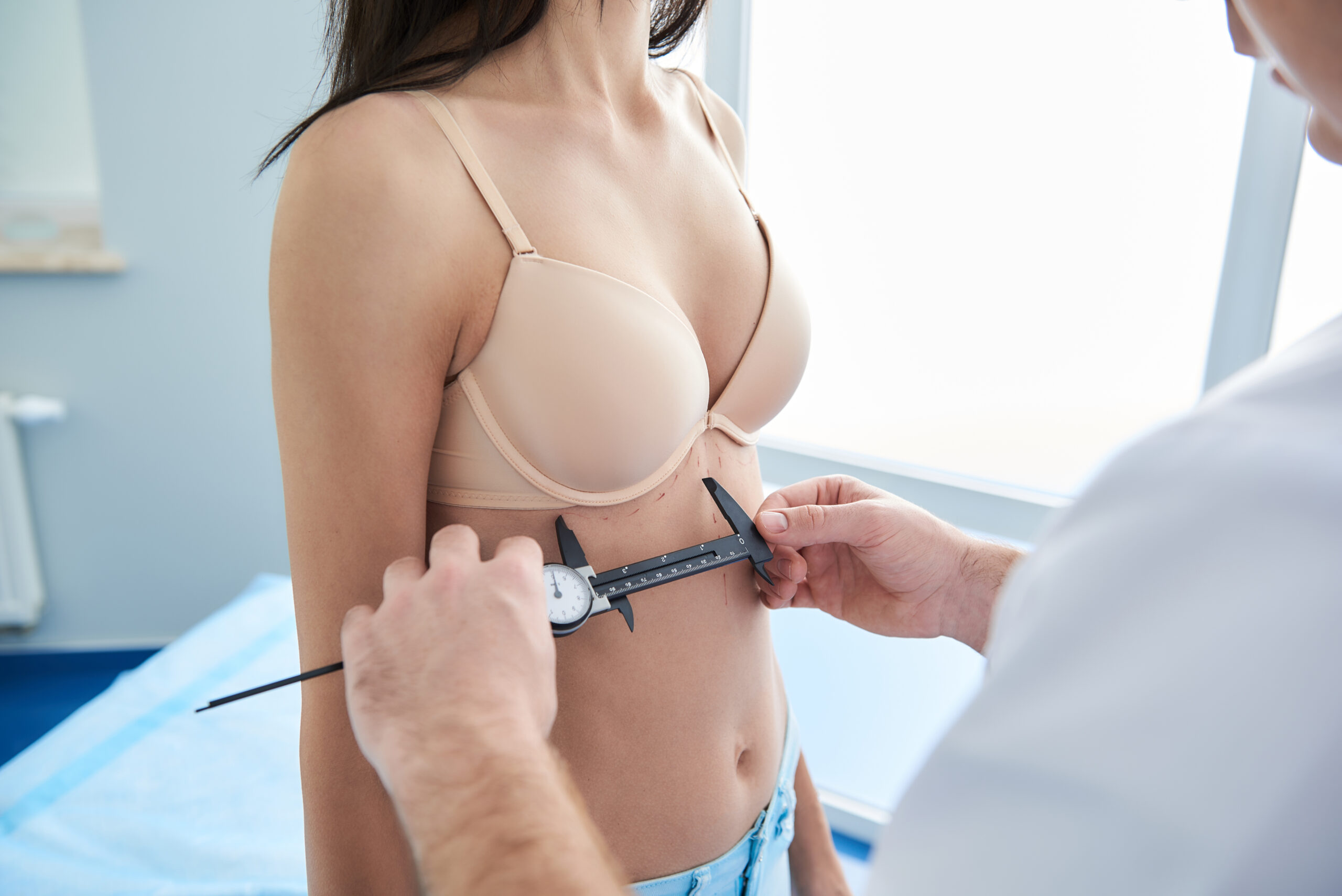
Most people breeze through recovery, but your body is going to have some opinions about its new additions. These initial reactions are usually part of the standard healing timeline.
Swelling, Bruising, and Tenderness
Expect some “fluffing” time. Your breasts will look higher and feel tighter than expected for the first few weeks. According to the U.S. Food and Drug Administration (FDA), swelling and bruising are the most common localized reactions immediately following surgery.
Numbness or Tingling Around the Breast
It’s a weird sensation, but “zaps” or temporary numbness are normal. This happens because the small nerves in the breast tissue get stretched or moved. For most patients, sensation returns within a few months, though for some, it can be permanent.
Scarring and Skin Sensitivity
Every surgeon makes an incision, and every incision leaves a mark. Whether it’s inframammary (under the fold) or periareolar (around the nipple), the skin might feel sensitive or itchy as it knits back together. Using silicone gel sheets can help manage the aesthetic of the scar.
Implant-Related Discomfort or Pain
A heavy feeling in the chest is common as your pectoral muscles adjust to the volume. This isn’t usually “sharp” pain, but more of a deep ache that responds well to the meds your surgeon will prescribe.
Serious but Rare Complications
While most surgeries go off without a hitch, being an informed patient means knowing the “what-ifs.”
Capsular Contracture – Causes and Management
This is the big one. Your body naturally forms a tissue capsule around any foreign object. If that capsule tightens excessively, it’s called capsular contracture. Current data suggests a capsular contracture rate of approximately 10% over the life of the implant.
Infection Risks and Prevention
Infections are rare (around 1%) but serious. They usually pop up within the first few weeks. High-end clinics in Malaysia use the “Keller Funnel” or “no-touch” techniques to keep bacteria away from the implant shell.
Implant Rupture or Leakage
Implants aren’t lifetime devices. The FDA reports a rupture rate of about 0.5% at two years, which can climb to nearly 8% after a decade. If a silicone implant leaks, it’s often a “silent rupture,” which is why regular imaging is a must.
Changes in Breast or Nipple Sensation
While most regain feeling, there is a small risk of permanent loss of nipple sensation or, conversely, hypersensitivity. This is often linked to the surgical approach and the size of the implant.
Factors Affecting Safety of Breast Augmentation
Your safety isn’t just luck; it’s a combination of these four pillars.
Implant Type, Size, and Material
Choosing between cohesive “gummy bear” silicone and saline matters. Larger implants carry a higher risk of “bottoming out” or causing tissue thinning over time. Always ask for Kementerian Kesihatan Malaysia (KKM) approved brands like Motiva, Mentor, or Polytech.
Surgeon Credentials and Experience in Malaysia
In Malaysia, you want a surgeon who isn’t just a “medical practitioner” but a board-certified specialist. Look for memberships in MAPACS (Malaysian Association of Plastic, Aesthetic and Craniomaxillofacial Surgeons).
Pre-Existing Medical Conditions
Autoimmune issues or smoking can significantly delay healing. Be 100% honest during your consultation; a “safe” surgery starts with a healthy candidate.
Post-Surgery Care and Lifestyle Considerations
If you’re a gym rat, you’ll need to hit pause. Pushing your body too early can cause implant displacement or seroma (fluid buildup).
How to Minimize Side Effects and Ensure Safety
Pre-Surgery: Get a baseline mammogram or ultrasound.
Post-Op: Wear your surgical bra like it’s your new best friend.
Warning Signs: Watch for sudden swelling in only one breast or redness that feels hot to the touch.
Monitoring: The American Society of Plastic Surgeons recommends MRI or ultrasound screenings starting 5–6 years post-surgery to check for silent ruptures.
Breast Implant Safety Standards in Malaysia
The Medical Device Authority (MDA) under the Ministry of Health regulates every implant that enters the country. Only Class III medical devices (the highest safety tier) are permitted for use in reputable clinics.
When choosing a facility, ensure it complies with the Private Healthcare Facilities and Services Act (PHFSA). This ensures the clinic has the emergency equipment and sterilization protocols to handle any hiccups during surgery.
FAQs on Breast Augmentation Side Effects & Safety
Are breast implants safe long-term?
Yes, but they require maintenance. Think of them like a high-end car—they are safe to drive, but you need to go in for “servicing” (check-ups) every few years.
How common are complications in Malaysia?
When performed by a board-certified surgeon in an accredited hospital, the complication rate in Malaysia aligns with international standards, with major issues appearing in less than 3–5% of cases.
Can side effects be reversed or treated?
Absolutely. Capsular contracture can be treated with a capsulectomy, and infections are managed with antibiotics or, in extreme cases, temporary implant removal.
When should I consult my surgeon after surgery?
Aside from your scheduled follow-ups, call your surgeon immediately if you experience shortness of breath, chest pain, or an unusual heart rhythm—though rare, these require immediate medical eyes.