
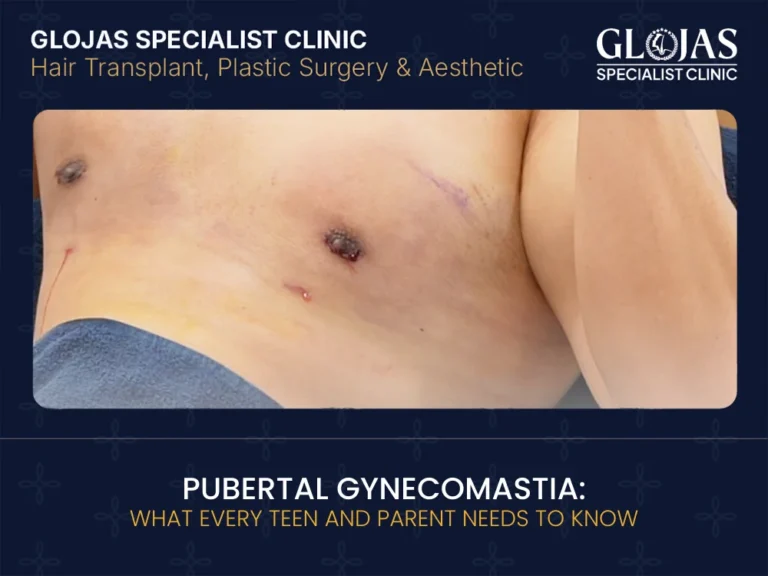
Pubertal gynecomastia is a common condition affecting many teenage boys during puberty. This guide breaks down what it is, why it happens, how it’s diagnosed, and when to seek help — all in an easy‑to‑understand, factual way for teens and families.
Understanding Pubertal Gynecomastia
Pubertal gynecomastia refers to the benign enlargement of male breast tissue during adolescence. It is usually seen between ages 12–18 and happens because of natural hormonal changes involving estrogen and testosterone during puberty. Though it can feel worrying, it is typically temporary and not a sign of serious illness.
What Is Gynecomastia?
Gynecomastia is the medical term for benign breast tissue growth in males. It differs from pseudogynecomastia, which involves mostly fat accumulation without glandular enlargement. In pubertal gynecomastia, the growth is due to increased breast gland tissue, not just fat.
Key Entities in Pubertal Gynecomastia
- Breast gland tissue
- Hormones (estrogen, testosterone)
- Endocrine system
- Mammary ducts & lobules
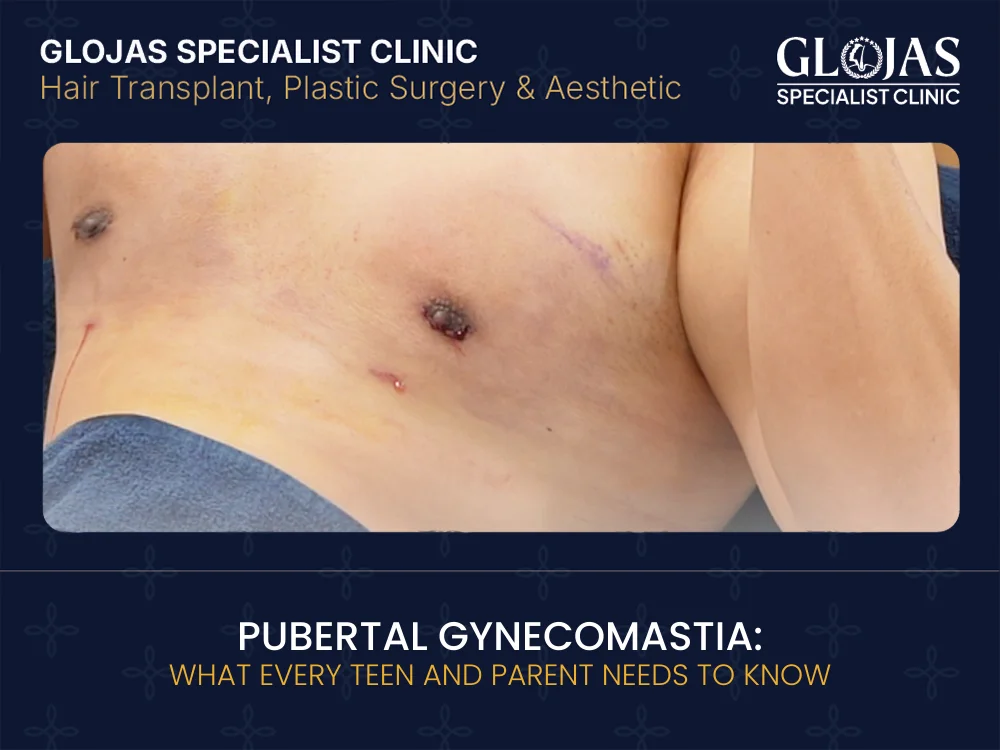
Why It Happens: Hormonal Causes
During puberty, boys experience shifts in hormone levels. Normally, testosterone levels rise, but for a period, estrogen (the hormone often associated with breast growth) can also temporarily increase or become more active relative to testosterone.
This hormone imbalance can trigger the growth of breast tissue.
Signs and Symptoms
Pubertal gynecomastia is a common condition during adolescence, usually caused by temporary hormonal imbalances—specifically, a relative increase in estrogen compared to testosterone. Recognizing the signs early can help distinguish it from other conditions that may require medical attention.
Typical signs include:
Swelling around the nipple area – This is often the first noticeable change. The tissue directly beneath the nipple may appear enlarged or puffy.
Firm or rubbery tissue under the areola – Unlike general fat accumulation, the growth in gynecomastia feels firm or rubbery to the touch. It is usually concentric around the nipple.
Unilateral or bilateral enlargement – Gynecomastia may affect just one breast (unilateral) or both breasts (bilateral). In some cases, one side may be slightly larger than the other.
Mild tenderness or sensitivity – Some adolescents experience discomfort, soreness, or tenderness, particularly when touched or during physical activity.
Other less common symptoms may include:
Slight asymmetry as the tissue develops unevenly
Occasional itching or tingling around the nipple due to stretching skin
Timeline: Symptoms usually peak within 6–12 months after onset and tend to gradually resolve over 1–2 years as hormone levels stabilize during puberty. In most cases, the swelling diminishes naturally without medical intervention, though persistent or severe cases may require evaluation by a healthcare professional.
Common Ages and Who Gets It
Pubertal gynecomastia is a very common phenomenon during adolescence, affecting a substantial proportion of boys. Studies suggest that up to 65% of adolescent males may experience some degree of breast tissue enlargement during puberty.
Typical age range:
Most cases appear between ages 13 and 16, which corresponds with the rapid hormonal changes of early to mid-adolescence.
In some boys, gynecomastia may develop slightly earlier (11–12 years) or later (17–18 years), depending on the timing of puberty and individual growth patterns.
Who is more likely to develop it:
Rapid pubertal changes: Boys who experience fast growth or sudden hormonal shifts are more prone to temporary breast tissue enlargement.
Body composition: Higher body fat can make breast tissue more noticeable. In some cases, what appears as gynecomastia may be a combination of fatty tissue and glandular growth, sometimes called “pseudo-gynecomastia.”
Family history: Genetics can play a role. If a father, brother, or other close male relatives experienced pubertal gynecomastia, there may be a higher likelihood of occurrence.
Certain medications or supplements: Drugs such as some anti-androgens, steroids, or medications for acne, heart conditions, or mental health, as well as herbal supplements containing phytoestrogens, can contribute to breast tissue growth in boys.
Key point: Pubertal gynecomastia is generally temporary and self-limiting, with most cases resolving within 1–2 years as hormone levels stabilize. While it can affect boys of different ages and body types, awareness of risk factors can help parents and teens distinguish normal development from conditions that require medical evaluation.
How Doctors Diagnose Pubertal Gynecomastia
An evaluation usually includes:
- Medical history review — questions about onset, pain, medications.
- Physical exam — checking breast tissue size and consistency.
- Hormone tests — if atypical symptoms occur.
- Imaging (rarely) — ultrasound or mammogram to rule out other causes.
Diagnosis focuses on distinguishing true glandular growth from fat tissue or rare serious conditions.
When to Seek Medical Advice
While pubertal gynecomastia is usually a normal, temporary condition that resolves on its own, it’s important to monitor changes carefully. You should contact a healthcare provider if any of the following occur:
Rapid or severe breast enlargement – Sudden or pronounced growth may indicate an underlying hormonal imbalance or other medical condition that requires evaluation.
Significant pain or discomfort – Mild tenderness is common, but severe pain, persistent soreness, or discomfort that interferes with daily activities should be assessed by a doctor.
Hard, fixed lumps or irregular masses – Most pubertal gynecomastia feels soft or rubbery, so firm, immovable lumps may signal other conditions, including tumors, that need prompt medical attention.
Signs of infection – Redness, warmth, swelling, or discharge from the nipple can indicate an infection or inflammation and should not be ignored.
Symptoms persisting beyond 2 years – If breast tissue does not regress naturally after a couple of years, evaluation is recommended to rule out persistent hormonal imbalances or other causes.
Hormone-related symptoms – Delayed or early puberty, unusual growth patterns, or changes in body hair may suggest an underlying endocrine issue that requires investigation.
Additional Considerations:
Even though most cases of pubertal gynecomastia are harmless, seeking advice can provide reassurance and guidance on management, lifestyle adjustments, or treatment if necessary. A healthcare provider may perform:
Physical examination
Hormonal testing
Imaging (e.g., ultrasound) if a lump is suspicious
Bottom line: Medical consultation is recommended whenever there is uncertainty, rapid changes, or persistent discomfort, as early assessment can prevent complications and ease anxiety.
Treatments and Management Options
In many cases, no active treatment is necessary. Options include:
Watchful Waiting
Since many cases resolve naturally, doctors often suggest regular monitoring.
Lifestyle and Support
- Healthy diet
- Regular exercise
- Reducing stress and anxiety around body image
Medical or Surgical Treatment
Rarely recommended, but may be considered if:
- The condition is persistent
- Pain or discomfort affects daily life
- Psychological distress is significant
These may involve:
- Medication (hormone modulators)
- Gynecomastia surgery (male breast reduction)
A specialist such as a pediatric endocrinologist or plastic surgeon can guide decisions.
Pubertal Gynecomastia vs. Other Conditions
Condition | Tissue Type | Typical Cause |
Pubertal Gynecomastia | Glandular breast tissue | Hormonal changes |
Pseudogynecomastia | Fat accumulation | Body fat distribution |
Male breast cancer (rare) | Abnormal cells | Genetic or unknown |
Persistent or unusual symptoms should always be checked to rule out other issues.
Supporting Teens and Mental Health
Gynecomastia during puberty can affect self‑esteem and body image. Teenagers may feel embarrassed or avoid certain activities. Support strategies include:
- Talking openly with a parent or trusted adult
- Speaking with school counselors or health professionals
- Learning about normal puberty processes
Prevention and Risk Reduction
Pubertal gynecomastia is mainly caused by temporary hormonal changes, so it is not entirely preventable. Most cases develop naturally during adolescence and resolve on their own. However, certain lifestyle habits can help support overall hormonal health, reduce the prominence of breast tissue, and lower the risk of complications.
Practical steps for teens include:
Maintaining a balanced diet – Eating a variety of nutrient-rich foods supports healthy hormone regulation. Focus on:
Lean proteins (chicken, fish, legumes)
Whole grains and fiber-rich foods
Fruits and vegetables for vitamins and antioxidants
Limiting excess sugar and processed foods, which can contribute to higher body fat
Staying physically active – Regular exercise helps maintain healthy body composition and supports hormonal balance. Strength training and cardiovascular activity can also reduce the appearance of fatty tissue around the chest.
Avoiding performance-enhancing drugs – Substances such as anabolic steroids or certain testosterone boosters can disrupt natural hormone levels, increasing the likelihood of gynecomastia.
Being cautious with supplements – Some over-the-counter or herbal supplements, particularly those claiming to “enhance hormones” or muscle growth, may contain compounds that mimic estrogen or otherwise interfere with hormone balance. Stick to evidence-based, regulated supplements only if necessary.
Monitoring growth and changes – Awareness of how your body is changing during puberty can help identify unusual patterns early, allowing for timely consultation with a healthcare professional if needed.
10 FAQs About Pubertal Gynecomastia
- What is pubertal gynecomastia?
It’s the benign enlargement of breast gland tissue in teenage boys during puberty due to hormonal changes. - Is pubertal gynecomastia normal?
Yes, it’s very common and typically resolves on its own without treatment. - How long does pubertal gynecomastia last?
Most cases improve within 6–24 months as hormone levels stabilize. - Can gynecomastia be painful?
Mild tenderness or sensitivity can occur, but severe pain is uncommon. - Do all boys get pubertal gynecomastia?
No, but a large percentage do at some point during puberty. - How is it different from male breast cancer?
Gynecomastia is benign and hormone‑related, while male breast cancer is rare and involves abnormal cell growth. - Should I see a doctor for pubertal gynecomastia?
Talk to a health provider if there’s rapid growth, severe symptoms, or symptoms lasting over two years. - Can diet or exercise cure pubertal gynecomastia?
These can help overall health and body confidence but usually don’t directly reverse glandular growth. - Are there medicines for gynecomastia?
In selected situations, hormone‑modulating medications can be considered under medical supervision. - Can surgery fix pubertal gynecomastia?
Yes, male breast reduction is an option in persistent or severe cases, usually after growth stabilizes.
Final Thoughts
Pubertal gynecomastia is a natural part of many boys’ development. Although it can be uncomfortable or emotionally challenging, in most cases it’s benign, temporary, and manageable. Understanding the condition, knowing when to seek help, and supporting teens emotionally can make a big difference in how they experience these changes.
If you’re concerned about symptoms or growth patterns, talk with a healthcare provider who can offer personalized guidance.