
So, you’ve been hitting the gym and eating your greens, but that stubborn pocket of fat on your midsection or thighs just won’t budge? You aren’t alone. In Malaysia, liposuction has become one of the most popular aesthetic procedures for people looking to “sculpt” what diet and exercise simply can’t reach.
But how does it actually work? Is it just a giant vacuum for fat? Let’s break down the science, the process, and what you can expect if you’re considering this in Malaysia.
What Is Liposuction?
At its core, liposuction (often called “lipo”) is a surgical procedure that uses a suction technique to remove fat from specific areas of the body. It’s important to note that it’s a contouring tool, not a weight-loss shortcut.
Purpose and Target Areas
The goal is to reshape your silhouette. Most patients seek treatment for:
Abdomen and waist (the classic “love handles”)
Thighs and hips
Upper arms
Chin and neckline
Back and chest
How Liposuction Works
The procedure has come a long way since the 1970s. Today, it’s precise, safer, and involves much less downtime.
Preparation and Anaesthesia
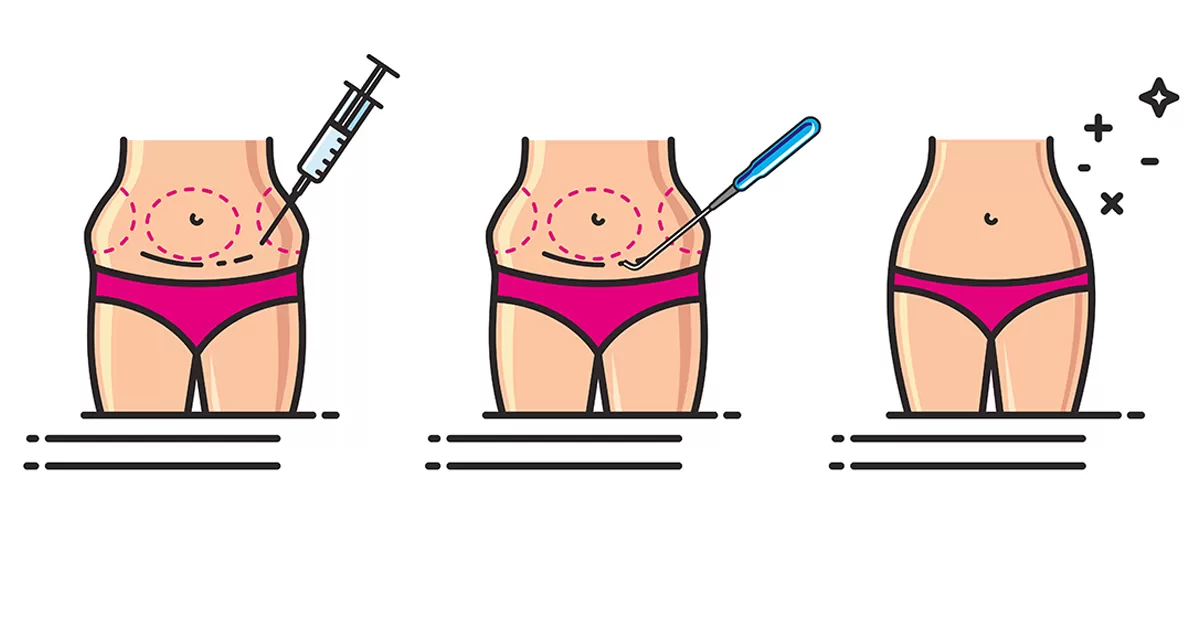
Before anything starts, your surgeon will mark the target areas on your skin. Depending on the volume of fat being removed, you’ll receive either local anaesthesia (you’re awake but numb) or general anaesthesia. In Malaysia, most reputable clinics follow strict guidelines set by the Ministry of Health Malaysia to ensure patient safety during sedation.
Fat Breakdown and Suction
Once you’re numb, the surgeon makes tiny incisions—usually only a few millimetres long. A thin tube called a cannula is inserted. The surgeon moves this tube back and forth to loosen the fat cells.
Contouring and Closure
After the fat is loosened, a high-pressure vacuum or syringe is attached to the cannula to suction the fat out. The surgeon “sculpts” the area as they go, ensuring a smooth, symmetrical look. Finally, the incisions are closed with a few stitches or left to heal naturally.
How Fat Is Removed From the Body
It’s not just about the suction; it’s about the biology of the fat cells themselves.
Fat Cell Disruption
Humans are born with a relatively fixed number of fat cells. When we gain weight, these cells expand; when we lose weight, they shrink. Liposuction physically removes these cells from the body entirely.
What Happens to Removed Fat Cells
Once those cells are vacuumed out, they are gone for good. They don’t “grow back,” but the remaining fat cells in your body can still expand if you gain weight. Interestingly, some patients choose to undergo fat grafting, where the removed fat is purified and re-injected into areas like the breasts or buttocks for a Brazilian Butt Lift (BBL).
Liposuction Techniques
Modern technology offers several ways to make fat removal easier and more effective:
Tumescent
The most common method. A sterile solution (saline, adrenaline, and lidocaine) is injected into the fat, causing it to swell and become firm, which makes it much easier to remove with less blood loss.
Ultrasound-Assisted (UAL)
This uses ultrasonic energy to liquefy the fat before suctioning. It’s great for fibrous areas like the upper back or male breast tissue. Vaser Lipo is a well-known brand of this technology.
Laser-Assisted (LAL)
Using high-intensity laser light, the fat is melted into a liquid state. A side benefit is that the heat can stimulate collagen production, potentially helping with skin tightening.
Power-Assisted (PAL)
The cannula moves in a rapid back-and-forth motion (vibration). This allows the surgeon to pull out tough fat more easily and with more precision.
Who Is Suitable for Liposuction?
Not everyone is a candidate for lipo. Here is the checklist surgeons usually look for:
Localised Fat vs Obesity
Lipo is for people with “localised” deposits. If you are significantly overweight, a surgeon will likely recommend weight loss or bariatric surgery first. According to the World Health Organization, maintaining a healthy BMI is the best foundation before any elective surgery.
Skin Elasticity and Weight Stability
Good candidates have firm, elastic skin. If your skin is very loose, removing the fat might leave you with a “deflated” appearance. You should also be at a stable weight; fluctuating after surgery will ruin your results.
What Liposuction Can and Cannot Do
It’s vital to manage expectations.
Fat Reduction vs Weight Loss
You might only lose 2–4kg on the scale after lipo, but you might drop two dress sizes. It’s about inches, not kilograms.
Skin Tightening Limits
While some laser techniques help, liposuction is not a skin-tightening procedure. If you have significant sagging (like after pregnancy), you might need a Tummy Tuck (Abdominoplasty) instead to remove excess skin.
Safety and Risks
Like any surgery, there are risks involved.
Common Side Effects
Temporary swelling and bruising.
Numbness in the treated area.
Soreness (similar to a very intense workout).
Medical Risks
Though rare in the hands of experts, risks include infections, contour irregularities (rippling skin), or fluid accumulation. This is why choosing a board-certified surgeon is non-negotiable.
Recovery and Results
Healing Timeline
Week 1: You’ll wear a compression garment to reduce swelling. Most people return to office work.
Week 3-4: Most bruising is gone; you can start light exercise.
Month 2: Swelling subsides significantly.
When Results Are Visible
You’ll see a change immediately, but the “wow” factor usually happens around the 3 to 6-month mark once all internal swelling has completely vanished.
Liposuction in Malaysia
Clinical Standards and Surgeon Expertise
Malaysia is a hub for medical tourism because of its high standards and competitive pricing. When looking for a clinic in KL, Penang, or JB, ensure the facility is licensed by the KKM (Kementerian Kesihatan Malaysia) and the surgeon is registered with the National Specialist Register (NSR).
FAQs
Is Fat Removal Permanent?
Yes. The cells removed are gone forever. However, if you eat at a significant caloric surplus, the remaining fat cells in your body will grow, potentially altering your new shape.
How Much Fat Can Be Removed?
Safety guidelines generally limit fat removal to about 5 litres in a single session. Removing too much at once can lead to fluid shifts and complications.