
Deciding to enhance your silhouette is a big step, and if you’re reading this, you’re likely wondering if you’re the right “fit” for the procedure. In Malaysia, breast augmentation has become one of the most sought-after aesthetic surgeries, blending advanced medical technology with a high standard of care. But beyond the desire for a change, what actually makes someone a “good” candidate?
What Is Breast Augmentation?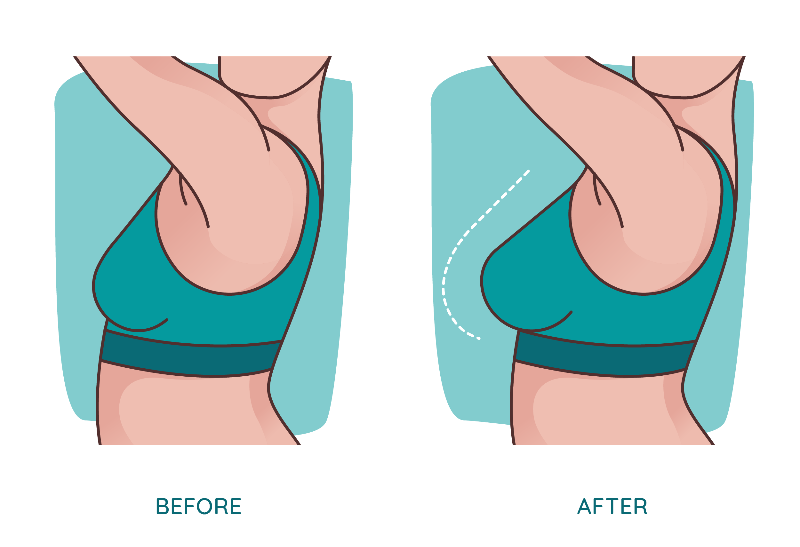
At its core, breast augmentation—often referred to as a “boob job”—is a surgical procedure designed to increase breast size, change shape, or improve symmetry. In Malaysia, plastic surgeons typically use FDA-approved medical implants or fat grafting techniques to achieve these goals.
Purpose of Breast Augmentation Surgery
The primary goal is to enhance the physical appearance of the breasts. Whether it’s adding volume that was never there or restoring what time has taken away, the surgery aims to create a more balanced, proportionate figure that boosts a woman’s confidence in her clothing and her skin.
Common Reasons Women Consider Breast Augmentation
Genetic Factors: Naturally small breasts (micromastia).
Post-Life Changes: Loss of volume after breastfeeding or significant weight loss.
Symmetry Issues: One breast being significantly different in size or shape than the other.
Reconstruction: Following a mastectomy or other breast surgeries.
Who Is an Ideal Candidate for Breast Augmentation?
Being a good candidate isn’t just about wanting the surgery; it’s about your body being ready for it.
Physical Health Requirements
General health is the foundation of a successful surgery. You should be free from active infections or untreated cancers. Surgeons in Malaysia will look at your overall medical history to ensure your body can handle anesthesia and the recovery process.
Stable Body Weight and BMI Considerations
Significant weight fluctuations after surgery can stretch breast tissue and alter your results. It’s best to be at a stable, healthy weight. While there isn’t a “perfect” BMI, being within a healthy range reduces the risk of surgical complications.
Fully Developed Breasts and Age Criteria
In Malaysia, surgeons generally require patients to be at least 18 years old for saline implants and 22 for silicone implants (though this can vary by clinical judgment). It is vital that breast development is complete before any permanent changes are made.
Non-Smoker or Willingness to Stop Smoking
Smoking impairs blood flow and slows down the healing process. Most surgeons will require you to quit at least 4–6 weeks before and after surgery to prevent tissue necrosis or scarring issues.
Aesthetic Goals That Make You a Good Candidate
Desire to Increase Breast Size
If you feel your breasts are disproportionately small for your frame, augmentation can provide that “fullness” you’re looking for.
Correcting Breast Asymmetry
Very few women are perfectly symmetrical, but if the difference is a full cup size or more, implants can help create a much more uniform appearance.
Restoring Breast Volume After Pregnancy or Weight Loss
Pregnancy and nursing can leave breasts looking “deflated.” Augmentation can “refill” that space, though sometimes a breast lift is recommended alongside it if there is significant sagging.
Enhancing Breast Shape and Proportion
It’s not always about size. Sometimes, it’s about the “slope” or the projection. A good candidate has a clear vision of the shape they want to achieve.
Medical Factors That Affect Breast Augmentation Eligibility
Existing Medical Conditions to Discuss With a Surgeon
Conditions like diabetes, autoimmune disorders, or heart disease don’t automatically disqualify you, but they must be well-managed. Transparency with your surgeon is non-negotiable for your safety.
History of Breast Disease or Surgery
If you have a history of abnormal mammograms or biopsies, your surgeon will need to coordinate with your primary doctor. Safety first—always.
Pregnancy and Breastfeeding Considerations
It is generally advised to wait at least six months after you’ve finished breastfeeding before undergoing surgery. This allows the breast tissue to settle into its “new normal” state.
Psychological Readiness for Breast Augmentation
Realistic Expectations About Results
Surgery can enhance your look, but it won’t make you look like a different person or solve deep-seated personal issues. Looking through a gallery of before-and-after photos can help align your expectations with reality.
Emotional and Mental Preparedness for Surgery
Recovery involves a bit of “down time” and a period where your body looks bruised or swollen. Being mentally prepared for the healing journey is just as important as the surgery itself.
Understanding Limitations of Breast Augmentation
Implants have a lifespan. They aren’t “lifetime devices.” A good candidate understands that they may need a replacement or revision surgery 10–15 years down the road.
Are You a Suitable Candidate for Breast Implants?
Silicone vs Saline Implants and Candidate Suitability
Silicone: Often preferred in Malaysia for their “natural” feel; they are pre-filled with a cohesive gel.
Saline: Filled with sterile saltwater; they can be inserted through smaller incisions but may feel slightly firmer.
Implant Size Selection Based on Body Frame
A “one size fits all” approach doesn’t work. Your surgeon will measure your chest wall width and existing tissue to recommend a size that looks natural and stays supported by your body.
Implant Placement and Tissue Considerations
Whether the implant goes over or under the muscle depends on your existing breast tissue. If you have very little natural tissue, “under the muscle” (submuscular) placement often provides a smoother transition.
When Breast Augmentation May Not Be Recommended
Uncontrolled Medical Conditions
If you have high blood pressure or other conditions that aren’t under control, any elective surgery carries too much risk.
Unrealistic Expectations or External Pressure
If you are doing this because a partner wants you to, or if you expect “perfection,” a reputable surgeon in Malaysia will likely advise against it.
Planning Pregnancy in the Near Future
While you can have children after augmentation, pregnancy will change your results. Many women choose to wait until they are finished having children to ensure their results last longer.
Pre-Surgery Evaluation for Breast Augmentation in Malaysia
Medical Assessment and Health Screening
Expect blood tests and a physical exam. The Ministry of Health Malaysia sets strict standards for surgical facilities to ensure patient safety.
Breast Measurements and Skin Quality Analysis
Your surgeon will check your skin elasticity. If the skin is too thin or inelastic, it may affect the type of implant used.
Imaging and Preoperative Tests
A baseline mammogram is often recommended for women over a certain age to ensure there are no underlying issues before surgery.
What Results Can Candidates Expect From Breast Augmentation?
Expected Aesthetic Outcomes
You can expect increased volume, better cleavage, and improved clothing fit. The final “settled” look usually appears 3–6 months post-op.
Longevity of Breast Augmentation Results
While the results are long-lasting, gravity and aging still happen! Maintaining a stable weight will help keep your new look intact for years.
Scarring and Healing Expectations
Scars are inevitable, but Malaysian surgeons are experts at placing them in discrete areas—like the fold under the breast (inframammary) or around the nipple (periareolar).
Breast Augmentation Safety and Risks for Candidates
Common Surgical Risks
As with any surgery, there are risks of infection, bleeding, or reactions to anesthesia. Choosing an accredited hospital significantly lowers these risks.
Implant-Related Risks
Issues like capsular contracture (scar tissue tightening around the implant) or implant rupture are rare but possible. Familiarize yourself with the FDA guidelines on implant safety for the most current data.
How Proper Candidate Selection Reduces Complications
Most complications arise when a patient isn’t physically ready or doesn’t follow post-op instructions. Being an “ideal candidate” is your best defense against complications.
How to Know If Breast Augmentation Is Right for You
Key Questions to Ask Yourself Before Surgery
Am I doing this for myself?
Do I have the time to recover (usually 1–2 weeks off work)?
Am I okay with having future maintenance surgeries?
Importance of Professional Surgical Consultation
The only way to know for sure is to speak with a Board-Certified Plastic Surgeon. In Malaysia, ensure your surgeon is registered with the National Specialist Register (NSR).
Frequently Asked Questions About Breast Augmentation Candidacy
Can I Have Breast Augmentation After Pregnancy?
Absolutely. In fact, “Mommy Makeovers” are incredibly popular in Malaysia for exactly this reason.
Is There a Weight Limit for Breast Augmentation?
There isn’t a strict “limit,” but a BMI over 30 may increase surgical risks. Your surgeon will evaluate you on a case-by-case basis.
Can Small-Framed Women Be Good Candidates?
Yes! In fact, small-framed women often see the most dramatic (yet natural-looking) improvements. The key is choosing the right implant width.
Does Age Affect Breast Augmentation Eligibility?
Age is just a number; health is what matters. As long as you are healthy and your skin has decent elasticity, you can be a candidate well into your 50s or 60s.
Can Breast Augmentation Be Combined With Other Procedures?
Yes, it is frequently combined with a breast lift (mastopexy) or liposuction for a more comprehensive body contouring result.