
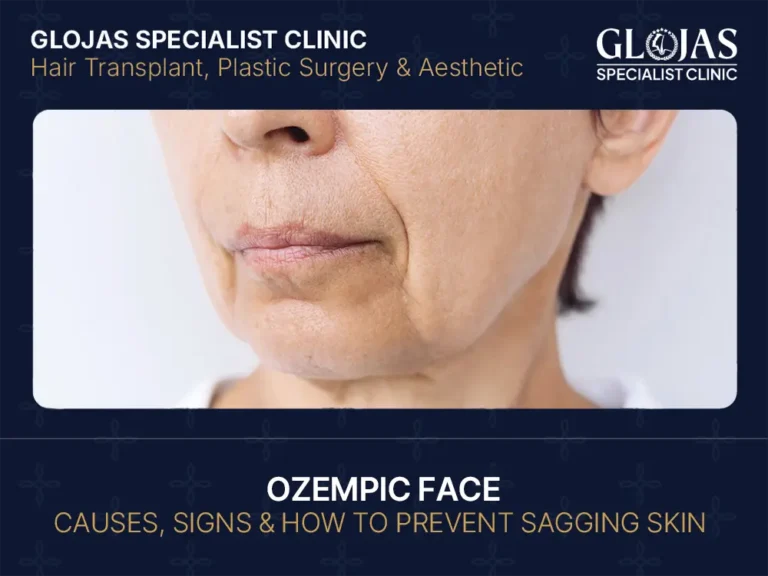
Losing weight is usually a cause for celebration, but for many people on GLP-1 medications, there’s a surprising “side effect” staring back at them in the mirror. You might have heard the term “Ozempic Face”—that gaunt, hollowed-out look that can make you look years older even as your waistline shrinks.
But is it actually the medication, or just the weight loss? More importantly, can you prevent it? Let’s dive into everything you need to know about managing your facial glow while hitting your weight goals.
What Is “Ozempic Face”?
Origin of the Term
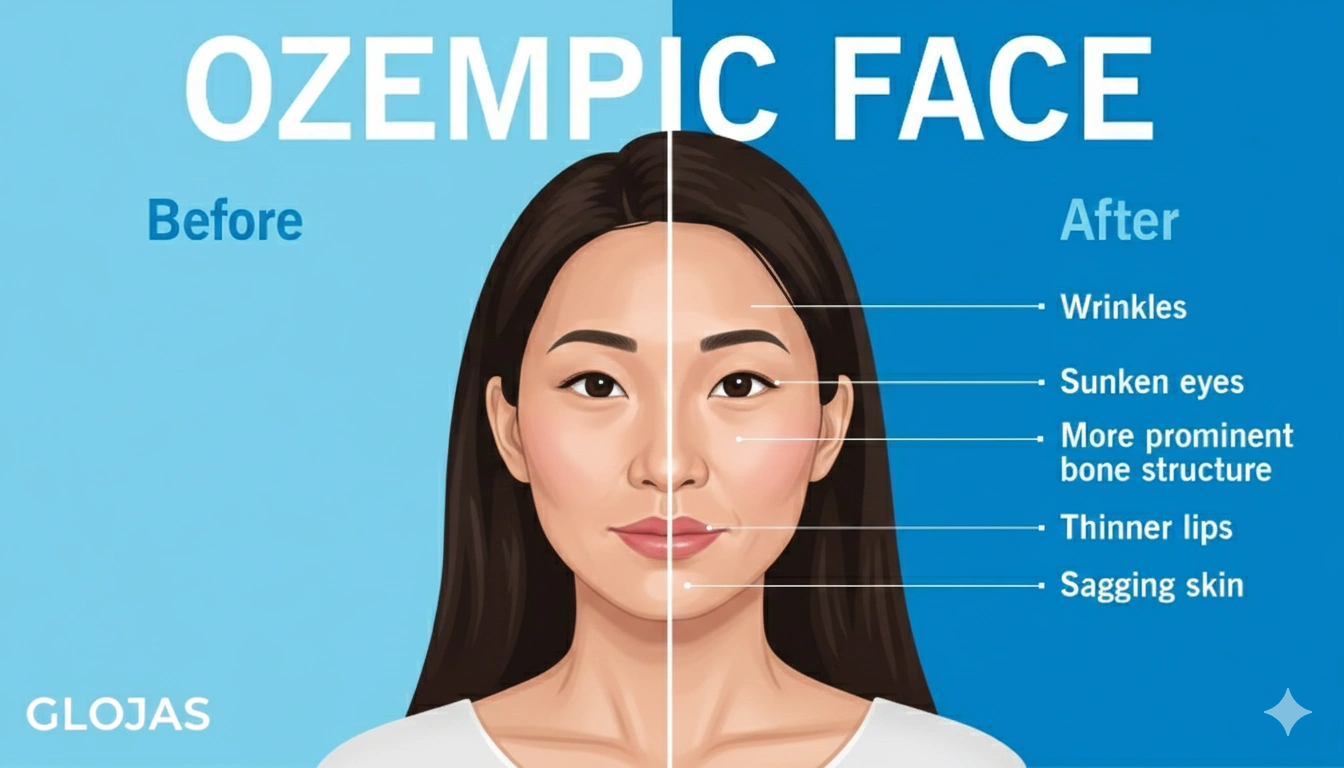
The term “Ozempic Face” isn’t a clinical diagnosis; it’s a viral catchphrase that took off on social media. It describes the facial gauntness, sunken eyes, and loose skin that sometimes appear in people using semaglutide (Ozempic/Wegovy) or tirzepatide (Mounjaro/Zepbound) for significant weight loss.
Is Ozempic Face a Medical Condition?
Technically, no. It is a cosmetic side effect of rapid fat loss. The medication isn’t “attacking” your face; it’s simply doing its job so well that your body sheds fat everywhere—including the essential fat pads that keep your face looking youthful and “plump.“
Why Rapid Weight Loss Affects the Face
Our faces rely on subcutaneous fat to provide structure and stretch the skin. When you lose weight slowly, your skin has a better chance of retracting. When you lose it rapidly, the “scaffolding” disappears too fast, leaving the skin hanging like an oversized coat.
How Ozempic Causes Facial Changes
Fat Loss vs. Muscle Loss in the Face
While Ozempic primarily targets fat, extreme calorie deficits can also lead to muscle wasting. Loss of the small muscles and fat pads in the cheeks and temples causes the face to lose its natural “lift.“
Impact of Rapid Weight Loss on Skin Elasticity
Think of your skin like a rubber band. If it’s been stretched for a long time, it loses its “snap.” Rapid weight loss doesn’t give collagen fibers enough time to remodel, leading to noticeable sagging.
Role of Age, Genetics, and Skin Type
If you are over 35, your natural collagen production is already slowing down. This makes older adults much more prone to “Ozempic Face” than younger patients who still have high skin elasticity.
Common Signs and Symptoms
Facial Sagging: Jowls appearing around the jawline.
Hollowed Cheeks: A sunken appearance where there used to be volume.
Increased Wrinkles: Fine lines becoming deeper folds (especially nasolabial folds).
Tired Appearance: Shadows under the eyes due to volume loss in the “tear troughs.“
Is Ozempic Face Permanent?
Not necessarily! While fat cells don’t just “pop” back into place, your skin is a living organ.
Temporary vs. Long-Term: Some sagging improves as your weight stabilizes and your skin partially retracts.
Recovery Timeline: It can take 6 to 12 months for skin to reach its “final” post-weight loss state.
How to Prevent Ozempic Face During Weight Loss
You don’t have to choose between a healthy body and a youthful face. Here’s how to balance both:
Gradual Weight Loss: Work with your doctor to adjust your dose so you lose weight at a steady pace (roughly 0.5kg to 1kg per week) rather than dropping it all at once.
Protein is King: Aim for high protein intake (1.6g to 2.2g per kg of body weight) to preserve muscle mass and support skin repair.
Hydration: Water keeps skin plump. Aim for at least 2-3 liters a day.
Skincare Support: Use retinoids and Vitamin C serums to stimulate collagen from the outside in.
Strength Training: Lifting weights helps preserve lean mass across your whole body, which supports overall metabolic and skin health.
Treatments for Ozempic Face
If the hollowing has already happened, modern aesthetics offers several “fixes”:
Dermal Fillers: Hyaluronic acid fillers (like Juvéderm or Restylane) can instantly restore volume to cheeks and temples.
Biostimulators: Injectables like Sculptra trigger your own body to grow new collagen over several months.
Skin Tightening: Non-invasive treatments like Morpheus8 (radiofrequency microneedling) or Ultherapy can help firm up loose skin.
Fat Grafting: For a permanent solution, a surgeon can move fat from your stomach or thighs to your face.
Frequently Asked Questions (PAA)
Does everyone on Ozempic get “Ozempic Face”? No. It typically only affects those who lose a large percentage of their body weight very quickly or those who already have lower skin elasticity due to age or sun damage.
How quickly can Ozempic Face appear? It can appear as early as 4 to 8 weeks into treatment if the weight loss is aggressive and the patient isn’t hitting their nutritional targets.
Can “Ozempic Face” be reversed without surgery? Yes! Many patients find success with “liquid facelifts” (a combination of fillers and Botox) and collagen-stimulating treatments that don’t require going under the knife.
Does Wegovy or Mounjaro Malaysia cause the same effect? Yes. Any medication that causes rapid, significant weight loss—including Mounjaro (tirzepatide)—can lead to facial volume loss.
Should I stop Ozempic if my face looks hollow? Usually, no. The health benefits of weight loss (improved heart health, reversed diabetes) far outweigh the cosmetic changes. Instead, talk to your doctor about adjusting your dose or starting a collagen-boosting regimen.
Final Thoughts
At the end of the day, “Ozempic Face” is a sign that your body is changing. While the gaunt look can be jarring, it’s often a manageable hurdle on the path to a healthier you. By focusing on nutrition, hydration, and professional aesthetic guidance, you can ensure your face looks just as vibrant as your new, healthier body feels.
Ready to refresh your look? Book a consultation with a specialist to see which volume-restoration treatment is right for your post-weight loss journey.