
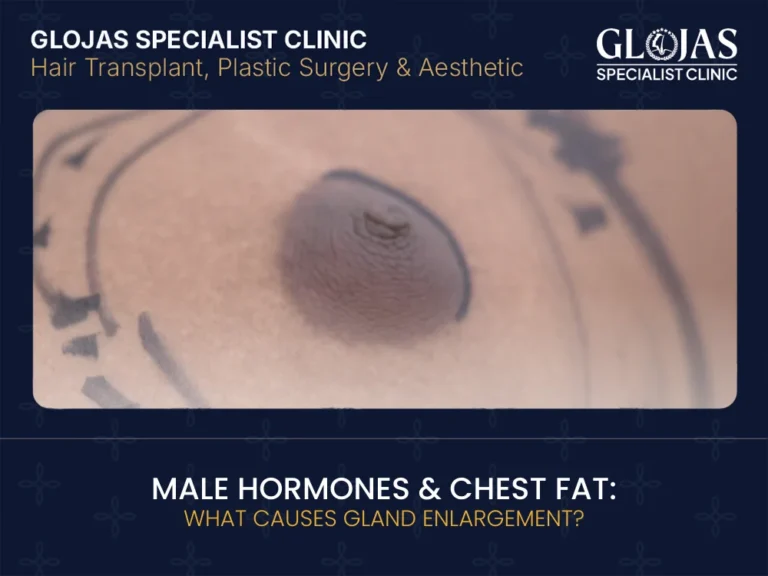
Understanding Gland Enlargement in Men
Gland enlargement refers to abnormal swelling of glands due to inflammation, infection, or hormonal imbalances. Common types include thyroid enlargement (goiter), lymph node swelling, and prostate enlargement (BPH). Symptoms vary by location. Diagnosis involves ultrasound, blood tests, or biopsy to determine underlying causes and appropriate treatment.
Male gland enlargement—often linked to gynecomastia—happens when the breast tissue beneath the nipple becomes thicker or more active. This isn’t the same as excess chest fat (pseudogynecomastia), which is softer and usually related to weight gain. Gland enlargement typically feels firmer or more rubbery, and it may affect one or both sides of the chest.
Why Gland Enlargement Happens
The male chest is made up of two main components: glandular tissue and fat tissue. Glandular tissue is firm and structured, while fat is softer and changes with overall body weight. Gland enlargement occurs when the glandular tissue grows more than it should, causing the chest to look fuller, rounder, or slightly swollen.
This enlargement is not the same as regular chest fat. Instead, it usually happens when the body’s hormone balance shifts—especially when estrogen becomes relatively higher than testosterone. Even small hormonal changes can trigger gland growth.
Although it often starts during puberty (when hormone levels naturally fluctuate), gland enlargement can also happen at any age.
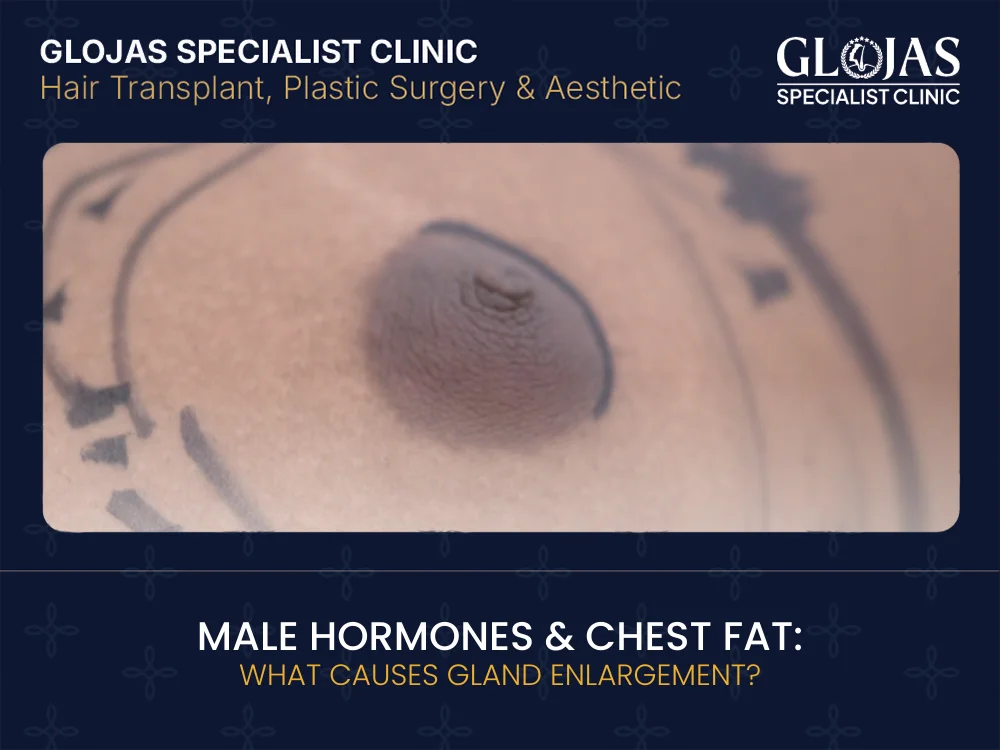
1. Hormonal Imbalances: The Core Trigger
Hormones play the biggest role in gland enlargement. Men naturally produce both testosterone and estrogen, but when the balance shifts—especially if estrogen becomes dominant—gland tissue may grow.
Triggers include:
- Puberty (temporary hormone surges)
- Aging (decline in testosterone levels)
- Stress-related hormonal fluctuations
- Obesity-related estrogen increases
This hormonal link is why many men search for:
“hormones and chest gland growth” — a highly relevant internal link anchor for educational content.
Correcting hormonal imbalance often helps, but long-term enlargement usually requires medical attention.
2. Puberty: The Most Common Cause
Up to 70% of boys experience temporary gland enlargement during puberty. This usually resolves naturally within months or a few years. However, when it persists into adulthood, it may become fibrous and harder to reverse without medical treatment.
Signs during puberty include:
- Tender nipple area
- Firm gland behind the areola
- Mild swelling or puffiness
This early stage is highly responsive to treatment if caught soon.
3. Weight Gain and Chest Fat Storage
Not all chest enlargement is gland-related. Fat accumulation can mimic gland enlargement, but the texture is different—fat is soft, while gland tissue is firm.
Obesity increases estrogen levels, which can cause both:
- Fat deposition
- True gland enlargement
This combination creates what many describe as “man boobs,” which is one reason weight management alone may not fully resolve the issue.
Internal link suggestion:
“causes of male breast enlargement.”
4. Medications That Influence Hormones
Several prescription and over-the-counter medications may trigger gland enlargement by altering hormone levels.
Common ones include:
- Anabolic steroids
- Anti-androgens
- Certain antidepressants
- Heart medications
- Anti-ulcer drugs
- Some antibiotics
Stopping or adjusting medication must always be guided by a doctor. Never discontinue a medication abruptly without medical advice.
5. Lifestyle Factors That Affect Hormone Levels
Lifestyle doesn’t directly create gland enlargement, but it influences hormones significantly.
Risk factors include:
- Heavy alcohol use
- Recreational substances
- Lack of sleep
- High stress
- Poor diet
- Sedentary habits
These factors may reduce testosterone or increase estrogen, making gland enlargement more likely—especially if you’re already predisposed.
6. The Role of Body Fat in Hormonal Conversion
Fat tissue contains an enzyme called aromatase, which converts testosterone into estrogen. Higher body fat = more aromatase activity = more estrogen.
This explains:
- Why men with higher BMI face increased risk
- Why chest fat often coexists with gland enlargement
- Why weight loss alone may shrink fat but not gland tissue
Once the gland becomes fibrotic, only surgical intervention can remove the hardened tissue.
7. Underlying Medical Conditions
Though less common, medical conditions can be the root cause.
Examples include:
- Thyroid disorders
- Testicular problems
- Liver disease
- Kidney failure
- Pituitary abnormalities
These conditions affect hormone production, metabolism, or clearance, contributing to gland enlargement.
Any unexplained or rapidly growing chest swelling warrants a medical evaluation.
8. Understanding the Difference: Fat vs Gland
Many men misjudge the cause of their chest enlargement. Here’s how gland tissue typically feels:
- Firm or rubbery
- Located directly under the nipple
- May feel sensitive or tender
- Has a disc-like shape
Chest fat, on the other hand:
- Feels soft
- Spreads evenly
- Changes with weight gain or loss
A proper clinical assessment is needed to determine which type you have—or if it’s a combination of both.
9. When Gland Enlargement Becomes Permanent
If the enlargement remains for more than a year, especially after puberty, the gland tissue may turn fibrous. Once this happens, it becomes difficult to reverse naturally.
At this stage, the most effective option is:
Gynecomastia surgery
A procedure that removes gland tissue, often combined with fat contouring to reshape the chest.
This approach restores a flatter, firmer chest and addresses both gland enlargement and surrounding fat.
10. Emotional and Psychological Impact
Though gland enlargement is not dangerous to physical health, it may significantly affect:
- Confidence
- Posture
- Clothing choices
- Social situations
- Intimacy
- Self-esteem
Many girls and women face similar issues with hormones, but for men, chest enlargement can feel particularly distressing. Treatment isn’t only about appearance—it’s about comfort and restoring confidence.
When Should You Seek Treatment?
You should consider seeing a specialist if you notice any of the following:
The enlargement has lasted more than a year — long-standing changes may indicate true glandular gynecomastia rather than temporary swelling.
The chest feels firm or glandular — a hard or rubbery texture often suggests enlarged breast tissue, not just fat.
You experience discomfort — tenderness, sensitivity, or tightness can signal underlying tissue changes.
It affects your confidence or daily life — if the appearance of your chest makes you feel self-conscious, avoid certain clothes, or impacts activities, professional support can help.
Weight loss does not improve the appearance — persistent fullness despite lifestyle changes may mean there is glandular tissue that won’t shrink on its own.
A proper medical evaluation can identify whether the enlargement is due to hormones, medication, fat accumulation, or true glandular growth—and guide you toward the safest, most effective treatment.
Frequently Asked Questions (FAQs)
1. What exactly is gland enlargement?
It is the growth of glandular tissue in the male chest, typically caused by hormonal imbalance.
2. Is gland enlargement the same as chest fat?
No. Gland tissue is firm and hormone-driven, while chest fat is soft and related to overall weight.
3. Can gland enlargement go away on its own?
In puberty, yes. In adults, it often becomes permanent without treatment.
4. What hormones cause gland enlargement?
Mostly an imbalance between estrogen and testosterone.
5. Can exercise reduce gland enlargement?
Exercise reduces fat but cannot shrink gland tissue.
6. Do steroids cause gland enlargement?
Yes. Excessive or improper steroid use is a major trigger.
7. What tests are used for diagnosis?
Physical examination, hormone tests, and sometimes ultrasound.
8. Is surgery the only permanent solution?
For true gland tissue, yes. Medications help only in early, active stages.
9. Is gland enlargement painful?
Sometimes. Early stages may cause tenderness or sensitivity.
10. How long is recovery after surgery?
Most men return to normal routines within a week, with full recovery in a few weeks.
11. Can gland enlargement happen on just one side?
Yes. It can affect one or both sides of the chest, and unevenness is very common.
12. Does weight gain make gland enlargement look worse?
Yes. While gland tissue itself doesn’t grow from weight gain, surrounding fat can increase, making the chest look fuller.
13. Can certain medications cause gland enlargement?
Yes. Some antidepressants, hair-loss medications, anti-anxiety drugs, and heart medications may contribute. Always consult a doctor before stopping any medication.
14. Is gland enlargement dangerous?
It’s usually harmless, but it can affect confidence and comfort. A medical evaluation helps rule out rare but serious causes.
15. Can gland enlargement return after surgery?
Recurrence is uncommon if hormones remain stable and triggers (like steroid use) are avoided.
16. How do I know if I have gland tissue or just fat?
Gland tissue feels firmer and sits directly under the nipple area. A specialist can confirm through examination or imaging.
17. Can hormonal supplements worsen gland enlargement?
Yes. Over-the-counter testosterone boosters, herbal supplements, or unregulated products may disrupt hormones.
18. Is there an age limit for treatment?
Most adults can safely undergo treatment if medically cleared. Teenagers are usually observed first to see if the condition resolves naturally.
19. Will insurance cover gland removal surgery?
Coverage varies. Some insurers classify it as a cosmetic procedure, while others may cover it if symptoms like pain are present.
20. How soon will I see results after surgery?
Initial improvements are visible immediately, but final results usually settle within 2–3 months as swelling reduces.