
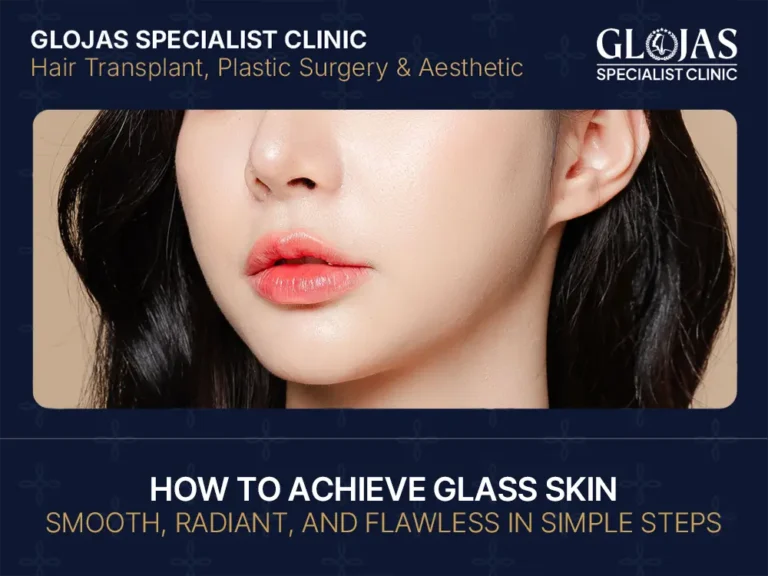
Glass skin is a skincare term describing skin that appears exceptionally smooth, clear, and deeply hydrated with a natural reflective glow similar to glass. It is achieved through strong skin barrier health, consistent hydration, and even texture, resulting in a luminous, pore-refined complexion that looks naturally radiant and healthy.

What is Glass Skin?
The term “glass skin” describes a skin state where the texture is so refined and hydrated that it reflects light uniformly. Unlike older trends that relied on heavy makeup or “slugging” to create shine, modern glass skin in 2026 focuses on “skinimalism”—achieving a natural glow through healthy skin function and barrier integrity.
Key Characteristics of Glass Skin
Translucency: A clear, “see-through” quality free from significant cloudiness or dullness.
Uniform Texture: Minimal visible pores, bumps, or rough patches.
Deep Hydration: A plump, supple feel that stems from high water content in the dermis.
Luminosity: A natural, lit-from-within glow that persists even without makeup.
Difference Between Glass Skin and Normal Healthy Skin
While both are desirable, they differ in visual intensity and biological focus:
| Feature | Normal Healthy Skin | Glass Skin |
| Surface | Soft, matte to slight sheen | Highly reflective, “wet” look |
| Pores | Visible but clean | Virtually invisible or blurred |
| Hydration | Balanced moisture | Maximum saturation (dewy) |
| Maintenance | Standard 3-step routine | Precision hydration & medical aesthetics |
Causes of Dull, Rough, or Uneven Skin Texture
Achieving a glass-like finish is difficult when the skin is fighting internal or external stressors. Understanding these triggers is the first step toward correction.
Skin Barrier Damage and Dehydration
A compromised skin barrier leads to Transepidermal Water Loss (TEWL). When the lipid bilayer is thin, moisture escapes, leaving the skin looking “crepey” and dull. Over-exfoliation with harsh acids is a leading cause of this damage in Malaysia’s humid climate.
Acne, Scarring, and Pigmentation Issues
Post-inflammatory hyperpigmentation (PIH) and acne scarring create “shadows” on the face. These shadows prevent light from reflecting evenly, which is the antithesis of the glass skin effect.
Enlarged Pores and Excess Oil Production
In Malaysia, high humidity often triggers overactive sebaceous glands. When excess oil mixes with dead skin cells, pores stretch and become more visible, breaking the smooth surface required for a reflective glow.
How to Achieve Glass Skin Naturally
While medical treatments offer a shortcut, your daily habits form the foundation of long-term skin health.
Daily Skincare Routine for Glass Skin
Double Cleansing: Use an oil-based cleanser followed by a pH-balanced water-based cleanser to remove pollutants without stripping lipids.
Layering Hydration: Use “skin flooding” techniques with alcohol-free toners and essences containing hyaluronic acid.
Barrier Support: Incorporate ceramides and niacinamide to strengthen the skin’s natural shield.
Importance of Hydration and Nutrition
Clinical data suggests that skin elasticity is closely tied to systemic hydration. Consuming antioxidant-rich foods like berries and healthy fats (Omega-3s) supports the lipid mantle from the inside out.
Sun Protection and Lifestyle Habits
UV radiation is the primary cause of collagen degradation. Using a broad-spectrum SPF 50+ is non-negotiable. Additionally, 2026 trends emphasize “circadian skincare”—ensuring 7–9 hours of sleep to allow for cellular repair cycles.
Medical Aesthetic Treatments for Glass Skin in Malaysia
For those seeking faster or more dramatic results, medical-grade treatments provide deep-reaching benefits that topical creams cannot match.
Hydrafacial for Deep Cleansing and Hydration
A Hydrafacial uses a patented vortex-fusion delivery system to exfoliate, extract, and hydrate. It is the “gold standard” for immediate luminosity with zero downtime.
Chemical Peels for Skin Renewal
Professional peels use controlled concentrations of AHAs or BHAs to dissolve the “glue” holding dead skin cells together, revealing the fresh, smooth skin underneath.
Laser Treatments for Pigmentation and Pores
Pico Lasers are highly effective in Malaysia for treating stubborn pigment and shrinking pores. They work by delivering ultra-short pulses of energy that shatter pigment without damaging the surrounding tissue.
Skin Boosters for Deep Hydration
Injectable treatments like Rejuran Healer (Salmon DNA) or Profhilo deliver high-concentration hyaluronic acid directly into the dermis. This provides a level of “internal hydration” that topicals simply cannot reach.
Microneedling for Collagen Stimulation
Devices like the Dermapen 4 create micro-channels in the skin, triggering a natural healing response that boosts collagen and elastin, smoothing out fine lines and texture.
GLOJAS Specialist Clinic Insight:
In our clinical experience, the most successful “Glass Skin” journeys involve a combination approach. While patients often request a single “miracle” laser, we find that prepping the skin with a medical-grade facial like Hydrafacial 48 hours before a Skin Booster injection significantly enhances the absorption and “glow” longevity.
Glass Skin Treatment in Malaysia: Who is Suitable
Ideal Candidates for Glass Skin Treatments
Individuals with dull, dehydrated skin.
Those with enlarged pores or minor textural irregularities.
Patients looking for a “red carpet” glow before major events.
Skin Conditions That May Require Caution
Patients with active cystic acne, eczema flares, or extremely sensitive barriers (rosacea) should stabilize their condition before pursuing intensive “glass skin” protocols to avoid further inflammation.
Step-by-Step Glass Skin Treatment Process
1. Skin Consultation and Analysis
Using 3D skin analysis technology (like VISIA), practitioners assess hydration levels, UV damage, and pore size to create a baseline.
2. Customized Treatment Planning
Not all skin needs the same approach. A plan might involve 3 sessions of Pico Laser followed by monthly maintenance Hydrafacials.
3. Treatment Procedure and Techniques
Most treatments take 30–60 minutes. Numbing cream is typically applied for injectables or deeper laser settings to ensure comfort.
4. Aftercare and Recovery Guidance
Post-treatment care involves avoiding direct sun, using gentle cleansers, and applying intensive barrier repair creams for 3–5 days.
Results and Expected Timeline
| Treatment | Initial Results | Optimal Results |
| Hydrafacial | Immediate | 2–3 days later |
| Laser (Pico) | 1 week | After 3–5 sessions |
| Skin Boosters | 1 week | 4 weeks (post-collagen synthesis) |
Glass Skin Treatment Cost in Malaysia
The cost of aesthetic treatments in Malaysia is influenced by the technology used and the provider’s expertise.
Factors That Affect Treatment Pricing
Device Authenticity: Medical-grade, FDA-approved machines cost more than “beauty grade” replicas.
Practitioner Expertise: LCP-certified doctors (Letter of Credentialing and Privileging) ensure safety and precision.
Product Volume: For skin boosters, the number of syringes used impacts the final price.
Average Cost Range in Malaysia (2026)
Hydrafacial: RM 500 – RM 900 per session.
Skin Boosters (Rejuran/Profhilo): RM 1,200 – RM 2,800 per session.
Pico Laser: RM 800 – RM 1,500 per session.
Safety, Side Effects, and Downtime
While generally safe, medical treatments do carry minor risks.
Common Temporary Side Effects
Redness: Usually subsides within 2–24 hours.
Swelling: Common with injectables; lasts 1–3 days.
Tiny Bumps: Specifically seen after Rejuran, which settle as the product absorbs.
How to Reduce Risks and Improve Recovery
Always verify that your clinic is registered with the Ministry of Health Malaysia (MOH). Stick to “bland” skincare (no actives like Retinol or Vitamin C) for at least 5 days post-procedure.
Why Choose Professional Aesthetic Clinics in Malaysia
Importance of Medical-Grade Devices and Protocols
Unlike spas, medical clinics use devices regulated by the Medical Device Authority (MDA). This ensures the energy levels delivered are both safe and effective.
Role of Experienced Aesthetic Practitioners
An experienced practitioner understands “skin anatomy.” They know exactly which layer of the dermis to target to achieve the reflective glass skin effect without causing thermal damage.
Importance of Personalized Skin Treatment Plans
Generic “packages” often fail because they don’t account for individual barrier health. Professional clinics adapt their protocols based on how your skin responds in real-time.
Glass Skin FAQs
How long does it take to get glass skin?
With a consistent routine, you can see surface improvements in 4 weeks. Medical treatments like skin boosters typically show peak “glass-like” results 2–4 weeks after the procedure.
Can I get glass skin if I have oily skin?
Yes. Glass skin is about hydration, not oil. By balancing your moisture levels, your skin may actually produce less oil, leading to a clearer, more reflective finish.
Are glass skin treatments painful?
Most treatments involve minimal discomfort. For injectables or lasers, topical numbing cream is used to ensure the experience is virtually painless.
How long do the results of a glass skin treatment last?
Facials like Hydrafacial last 2–4 weeks, while deeper treatments like Skin Boosters or Lasers can provide a radiant glow for 6–12 months with proper maintenance.
Is glass skin suitable for all ages?
Absolutely. In younger patients, the focus is on prevention and glow. For mature skin, the focus shifts to restoring lost collagen and deep-tissue hydration to achieve the same luminous effect.