
Ever wonder why your skin tone looks uneven? While pigmentation is simply your natural color, hyperpigmentation refers to those stubborn dark spots and patches. Understanding the “hyperpigmentation vs pigmentation” divide is the secret to choosing the right treatments and finally achieving that clear, radiant glow you’ve been searching for.
At GLOJAS Specialist Clinic, our experts provide medical-grade solutions for hyperpigmentation and pigmentation, using advanced lasers and peels to restore your skin’s natural, even radiance safely and effectively.
Quick Summary: 5 Key Takeaways
Pigmentation is Normal: It is simply the natural coloring of your skin caused by melanin; everyone has it.
Hyperpigmentation is an Excess: This occurs when the body produces too much melanin in specific areas, leading to dark spots or uneven patches.
Common Triggers: Sun exposure (UV rays), hormonal shifts (melasma), and inflammation (acne scars) are the primary drivers of dark spots.
Prevention is Priority: Daily application of broad-spectrum SPF is the most effective way to prevent further darkening.
Treatment Varies: Ingredients like Vitamin C, Retinoids, and Niacinamide are gold standards for brightening uneven skin tones.
Understanding the Basics: What is the Difference?
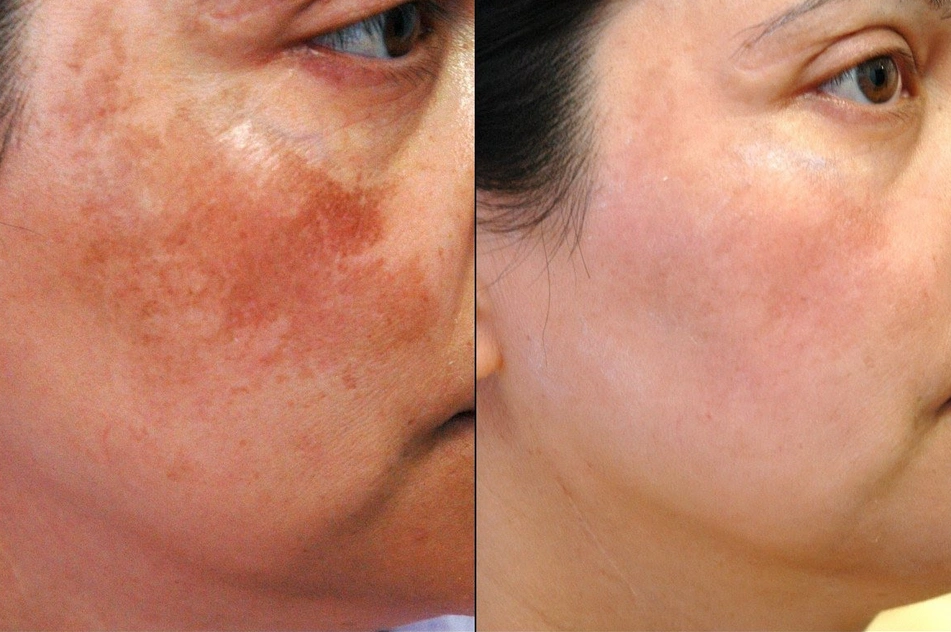
If you’ve ever looked in the mirror and noticed a new dark spot or an uneven patch of skin, you’ve likely searched for “pigmentation” solutions. However, there is a technical distinction you should know.
Pigmentation is a broad term that refers to the natural coloring of your skin. Whether your skin is deep ebony or very fair, that color is determined by cells called melanocytes, which produce melanin. Without pigmentation, we would have no skin color at all.
Hyperpigmentation, on the other hand, is a skin condition where an overproduction of melanin occurs. This results in concentrated dark spots or patches that look deeper than your surrounding skin tone. Essentially, “pigmentation” is the category, and “hyperpigmentation” is the issue we usually want to treat.
The Main Types of Hyperpigmentation
To treat your skin effectively, you have to identify which “cluster” of hyperpigmentation you are dealing with.
1. Sun Spots (Solar Lentigines)
Also known as liver spots, these are directly caused by chronic UV exposure. They typically appear on the face, hands, and shoulders.
2. Melasma
Often called the “mask of pregnancy,” melasma is driven by hormonal fluctuations. It appears as larger, symmetrical patches, usually on the forehead, cheeks, or upper lip.
3. Post-Inflammatory Hyperpigmentation (PIH)
This is the “shadow” left behind after a skin injury or bout of acne. When the skin is inflamed, it triggers melanocytes to overproduce pigment during the healing process.
Topical Ingredients That Actually Work
When browsing the skincare aisle, look for these evidence-based LSI (Latent Semantic Indexing) ingredients that target the melanin pathway:
Vitamin C (L-Ascorbic Acid): A powerful antioxidant that inhibits the enzyme tyrosinase, preventing pigment formation before it starts.
Retinoids: These speed up cell turnover, shedding the pigmented cells faster to reveal fresher skin.
Niacinamide: Helps prevent the transfer of pigment to the skin cells.
Alpha Arbutin & Kojic Acid: Gentler alternatives to hydroquinone that brighten the complexion effectively.
According to the American Academy of Dermatology, consistency is the most important factor when using topical brighteners, often taking 8 to 12 weeks to show results.
Professional Treatments for Faster Results
If over-the-counter serums aren’t cutting it, dermatological procedures can provide a deeper “reset” for your skin.
Chemical Peels: Using AHAs or BHAs to exfoliate the top layer of skin deeply.
Laser Therapy: Intense Pulsed Light (IPL) or Q-switched lasers target pigment clusters without damaging surrounding tissue.
Microneedling: Often paired with brightening serums to help the product penetrate deeper into the dermis.
For a deeper dive into how light therapy works, you can check out Harvard Health’s guide on cosmetic procedures to see if you’re a candidate.
The Role of Sun Protection
You can spend a fortune on serums, but without SPF, you are fighting a losing battle. UV rays act like “food” for hyperpigmentation; they signal your melanocytes to go into overdrive. Even on cloudy days or while sitting near a window, UVA rays can penetrate and darken existing spots.
Experts at the Skin Cancer Foundation recommend a broad-spectrum sunscreen of at least SPF 30 daily to maintain an even skin tone and prevent premature aging.
Common FAQs
Q1: Can hyperpigmentation disappear on its own? In cases like PIH (acne marks), it may fade over several months. However, sunspots and melasma are usually permanent unless treated with active ingredients or procedures.
Q2: Is hyperpigmentation vs pigmentation the same for all skin tones? While everyone has pigmentation, those with deeper skin tones are more prone to hyperpigmentation because their melanocytes are naturally more active.
Q3: Does Vitamin C help with all types of dark spots? Yes, Vitamin C is a versatile brightening agent, though it works best when combined with sun protection and other actives like ferulic acid.
Q4: Can I use retinol and Vitamin C together? It is best to use Vitamin C in the morning (to fight UV damage) and Retinol at night (to repair and renew skin) to avoid irritation.
Q5: How long does it take to see results? Skin cells take about 28–40 days to renew. You should expect to see visible changes in “hyperpigmentation vs pigmentation” balance after two to three full skin cycles (roughly 3 months).
Final Thoughts
Understanding hyperpigmentation vs pigmentation is the first step toward a more radiant complexion. Remember that your skin’s natural pigment is a beautiful, protective shield, but when that shield becomes uneven due to the sun or hormones, there are plenty of modern solutions to help you find your glow again.