
HIFU vs Thermage: Which Is Better for Skin Tightening?
Choosing between HIFU and Thermage in 2026 feels a bit like picking between a tailored suit and a high-tech sports jacket—both look great, but they serve different vibes. If you’ve spent any time looking in the mirror wondering why your jawline isn’t as “snatched” as it used to be, you’ve likely stumbled upon these two heavy hitters.
In Malaysia, where the pursuit of the “V-shape” face is practically a national sport, these non-surgical treatments are the gold standard. But which one actually deserves your hard-earned Ringgit? Let’s break down the science, the sizzle, and the actual results.
Overview of HIFU and Thermage
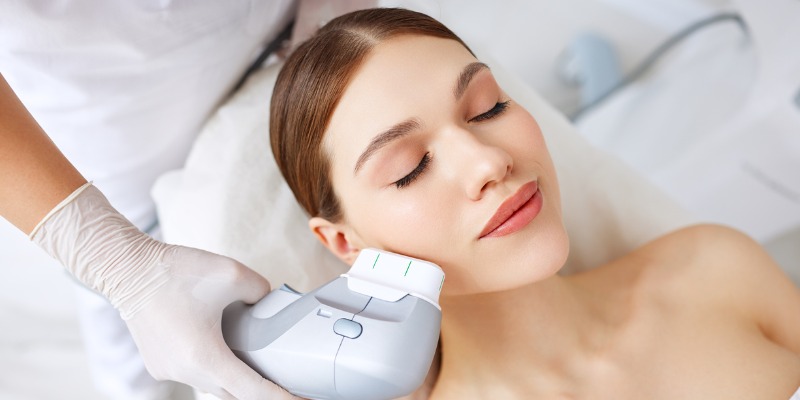
Both treatments are non-invasive powerhouses designed to kickstart your body’s natural repair mode. They aren’t fillers or Botox; they don’t add anything to your face. Instead, they use energy to remind your skin how to be young again.
What Is HIFU Treatment?
HIFU, or High-Intensity Focused Ultrasound, is essentially a “non-surgical facelift.” It uses ultrasound energy—the same tech used for baby scans, but way more intense—to target specific depths of the skin. It’s famous for its precision, focusing heat on the structural layers that surgeons usually touch during a real facelift.
What Is Thermage Treatment?
Thermage utilizes monopolar radiofrequency (RF) energy. Think of it as a uniform “bulk heating” for your skin. It warms the collagen-rich layers of your dermis to cause immediate contraction. While HIFU is about the deep lift, Thermage is often the go-to for smoothing texture and “shrink-wrapping” the skin to reduce fine lines and crepey-ness.
Key Differences Between HIFU and Thermage
The biggest “aha!” moment is understanding their energy types. HIFU is ultrasound (narrow and deep), while Thermage is radiofrequency (wide and volumetric).
HIFU is better for lifting sagging jowls and sharpening the jawline.
Thermage shines at tightening the skin surface, treating the delicate eye area, and improving overall skin “bounce.”
How HIFU and Thermage Work on Skin
If your skin were a house, HIFU works on the foundation and the frame, while Thermage works on the drywall and the paint.
Mechanism of HIFU for Collagen Stimulation
HIFU creates tiny “thermal coagulation points” at depths of 1.5mm, 3.0mm, and 4.5mm. By hitting the SMAS layer (the muscle-skin interface), it triggers a healing response that produces fresh, sturdy collagen. According to research published in the Journal of Clinical and Aesthetic Dermatology, this targeted heat effectively tightens the structural mesh of the face.
Mechanism of Thermage for Skin Tightening
Thermage FLX (the latest 5th gen version) uses RF energy to heat the dermis to about 40–55°C. This heat breaks the hydrogen bonds in your old, tired collagen fibers, causing them to immediately shorten and thicken. It’s like putting a wool sweater in the dryer; the fibers tighten up instantly.
Treatment Depths and Target Areas
HIFU Depths: Reaches up to 4.5mm, hitting the SMAS layer for deep lifting.
Thermage Depths: Generally reaches 3.0mm, focusing on the dermis and subcutaneous fat for tightening.
Benefits of HIFU vs Thermage
Skin Tightening and Lifting Results
HIFU is the undisputed king of the jawline and neck. If you have a “double chin” or drooping jowls, HIFU’s ability to target fat and muscle makes it superior for contouring. Thermage, however, is the only FDA-cleared treatment for non-invasive eyelid lifting, making it the winner for tired, hooded eyes.
Collagen Production and Long-Term Effects
Both treatments offer a “glow-up” that keeps giving. While you might see some initial tightness, the real magic happens at the 3-month mark.
HIFU: Results typically last 9 to 12 months.
Thermage: Because it heats a larger volume of tissue, results can often last 12 to 18 months.
Non-Surgical and Recovery Advantages
The best part? No scalpels. Both are “lunchtime” procedures. You might look a bit flushed (like you just finished a light jog), but you can head straight back to Pavilion or Mid Valley for some shopping without anyone knowing you had “work” done.
Side Effects and Risks
As with any “tweakment,” there are things to watch out for.
Common Side Effects of HIFU
You might feel some temporary numbness, tingling, or mild swelling. Because HIFU targets deeper layers, some patients report a “deep ache” along the jawline that lasts a few days. Clinical data suggests that these sensations are transient and usually resolve without intervention.
Common Side Effects of Thermage
Since Thermage uses heat on the surface, redness (erythema) is common. In very rare cases, if the energy is too high, it can cause small blisters or “shelving” (fat atrophy), though modern Thermage FLX machines have advanced cooling tips to prevent this.
Who Should Avoid These Treatments?
If you have active cystic acne, open wounds, or metallic implants (like a pacemaker), you’re a “no-go” for both. Pregnant women should also wait until after their journey to start their skin rejuvenation.
Cost Comparison in Malaysia
Let’s talk numbers. In Kuala Lumpur and Penang, prices vary wildly based on the clinic’s “atas” (sophisticated) factor and the machine’s authenticity.
Average Price of HIFU Treatments
Medical-grade HIFU (like Ultraformer III or Sygmalift) usually ranges from RM 1,500 to RM 4,500 for a full face and neck. Be wary of “beauty salon” HIFU for RM 300—these are often underpowered or uncertified machines that won’t give you the results you want.
Average Price of Thermage Treatments
Thermage is significantly more expensive because the “tips” used for the machine are single-use and costly. Expect to pay between RM 8,000 and RM 15,000 for a Thermage FLX session in Malaysia.
Cost vs. Results: Which Offers Better Value?
| Feature | HIFU | Thermage |
| Entry Price | Lower (~RM 1,800) | Higher (~RM 9,000) |
| Sessions | May need 1–2 per year | Usually 1 per year |
| Best Value For | Jawline Lifting & Fat Reduction | Overall Texture & Eye Tightening |
HIFU vs Thermage: Choosing the Right Treatment
Skin Types and Age Considerations
Late 20s to 30s: HIFU is great for “pre-juvenation” and face slimming (getting rid of that baby fat).
40s and Above: Thermage is often preferred for more mature skin that is losing its “elasticity” and looks thin or crepey.
Expected Results and Longevity
If you want a sharper chin for your selfies, go HIFU. If you want your makeup to sit smoother and your whole face to feel firmer, go Thermage. Many high-end clinics now suggest a “combo” approach, using HIFU for the lower face and Thermage for the upper face and eyes.
Expert Recommendations in Malaysia
Doctors in Malaysia often emphasize that the success of skin tightening depends heavily on the practitioner’s technique, especially for HIFU where depth precision is key. Always ensure your clinic is MOH-certified and uses authentic machines.
FAQs About HIFU and Thermage in Malaysia
1. Is it painful?
HIFU feels like tiny “electric zaps” or a deep ache. Thermage feels like a hot “snap” followed by a cooling sensation. Most Malaysian clinics provide numbing cream to keep you comfortable.
2. Can I do both?
Yes! This is the “Gold Standard.” They target different layers, so they actually complement each other.
3. When will I see the results?
Initial tightening is visible immediately, but the “Wow” factor happens around 2 to 3 months as your new collagen matures.
4. Is there downtime?
Virtually none. You can apply makeup and resume your skincare routine immediately.