

How Many HIFU Sessions Do You Need for Best Results?
So, you’ve heard the buzz about High-Intensity Focused Ultrasound (HIFU) and its “non-surgical facelift” reputation. It sounds like magic—tightening skin without needles or downtime. But the big question everyone asks before booking is: “Is this a one-and-done deal, or will I be living at the clinic?”
Getting the best results isn’t just about the machine; it’s about the strategy. Let’s dive into how many sessions you actually need to look snatched.
Understanding HIFU and Treatment Goals

Before we count sessions, we have to understand what we’re actually trying to achieve. HIFU isn’t a surface-level facial; it’s a deep-tissue architectural project for your face and body.
How HIFU Works to Stimulate Collagen
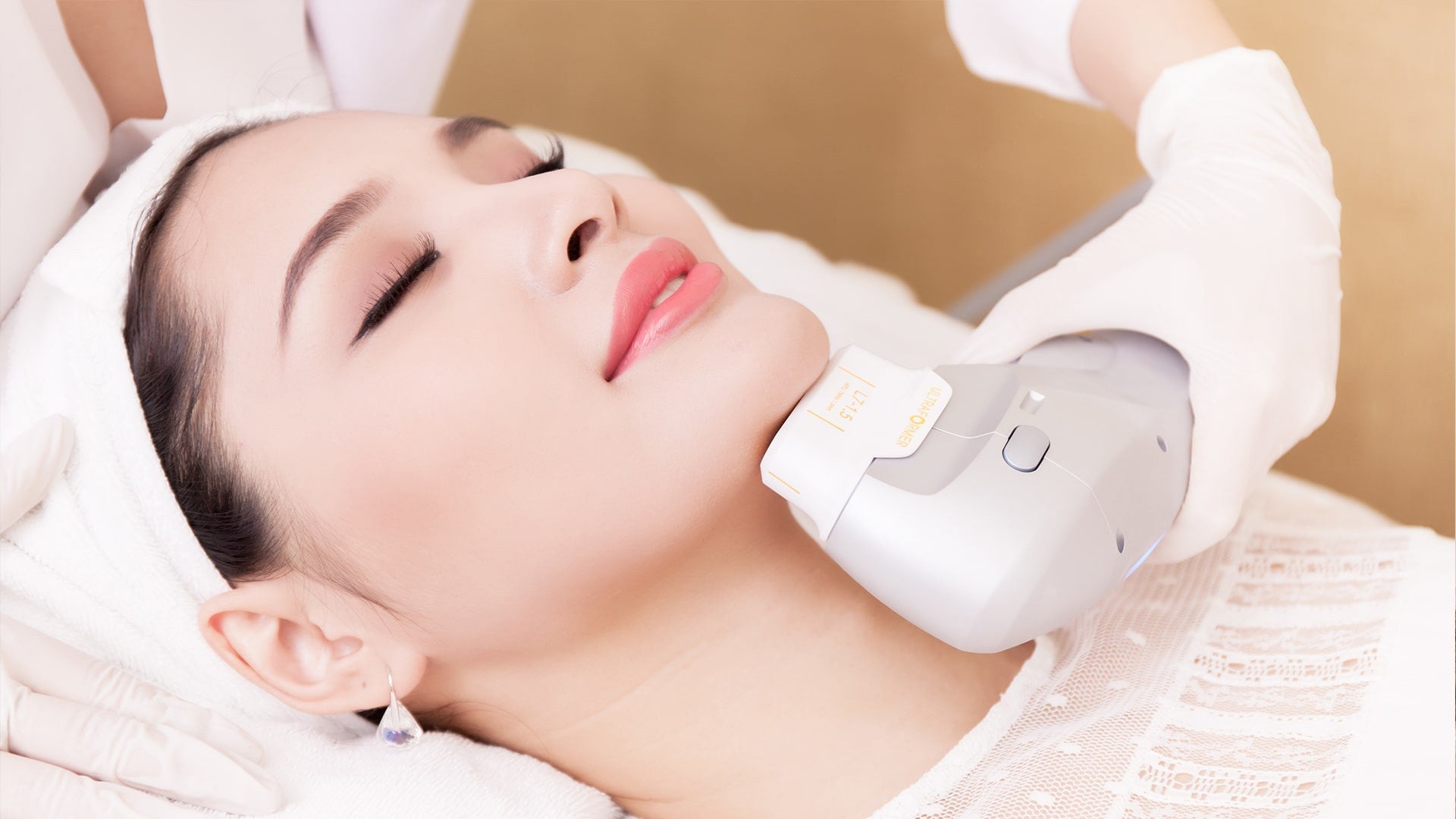
HIFU uses focused ultrasound energy to target the SMAS layer (the same layer surgeons adjust during a facelift). By creating tiny points of thermal energy, it triggers a “healing crisis” that forces your body to produce fresh, high-quality collagen. This collagen stimulation is what creates that natural lift over time.
What “Best Results” Mean in HIFU Treatments
“Best results” typically mean visible lifting of the jowls, a more defined jawline, reduced double chin, and smoother skin texture. However, “best” is subjective. Are you looking for a subtle glow-up or a significant structural lift? Your goal dictates your schedule.
Recommended Number of HIFU Sessions
The “magic number” varies, but there are some standard industry benchmarks.
Is One HIFU Session Enough?
For many people, yes. If you have mild to moderate skin laxity and you’re under 40, one high-quality session can provide a noticeable lift that lasts a year or more. It’s the ultimate “preventative” treatment.
When Multiple HIFU Sessions Are Required
If you’re dealing with more advanced sagging or deeper wrinkles, one session might just be the “primer.” In these cases, a secondary session helps build upon the initial collagen foundation to reach the desired level of tightness.
Typical HIFU Session Plans
Mild Laxity: 1 session every 12 months.
Moderate Laxity: 2 sessions, spaced 3–6 months apart.
Body Contouring: 2–3 sessions to penetrate deeper fat layers and tighten skin.
Factors That Affect How Many HIFU Sessions You Need
No two faces age the same way, which is why HIFU plans must be customized.
Age and Skin Elasticity
Your body’s ability to bounce back matters. Younger skin has a more robust fibroblast response, meaning it produces collagen faster. Older skin might need an extra “nudge” with a second session.
Severity of Skin Laxity
The more “heavy” the skin feels (like significant jowling), the more energy and sessions are required to lift that tissue effectively.
Treatment Area (Face, Neck, Body)
The neck and décolletage often require more attention than the forehead because the skin is thinner and loses elasticity faster. Body areas with more adipose tissue (fat) might also need multiple passes.
Individual Response to HIFU
Some people are “super-responders” who see instant tightening, while others have a slower metabolic response to the ultrasound energy.
Ideal Interval Between HIFU Sessions
Patience is a virtue—especially with ultrasound treatments.
Why Waiting Time Matters for Collagen Remodeling
Collagen doesn’t grow overnight. It takes roughly 12 weeks for new collagen to mature. If you treat the area again too soon, you’re interrupting the remodeling process rather than enhancing it.
Recommended Gap Between Sessions
If you are doing a multi-session plan, the sweet spot is usually 3 to 6 months between treatments. This allows the full effects of the first session to peak before adding more energy.
Results Timeline From HIFU Sessions
Don’t expect to walk out looking 10 years younger immediately—HIFU is a slow-burn treatment.
When Initial Results Become Visible
You might notice an “immediate” tightening effect due to the heat contracting existing collagen fibers, but this is temporary. The real work is happening under the surface.
Progressive Improvement Over 2–6 Months
This is the “golden window.” As the weeks pass, you’ll notice your jawline looking sharper and your skin feeling firmer. The peak result usually hits around the 3-month mark.
How Long HIFU Results Last
Usually, results stay fresh for 12 to 18 months. Factors like smoking, sun exposure, and skincare routines will influence how long that glow lasts.
Maintenance HIFU Sessions for Long-Term Results
HIFU pauses the clock; it doesn’t stop it entirely.
How Often Maintenance Sessions Are Needed
Most practitioners recommend a maintenance session once a year. Think of it like a “top-up” for your collagen bank account.
Signs It’s Time for a Repeat Session
When you start to notice the return of “softness” around the jaw or when your skin loses that specific “bounce” it had post-treatment, it’s time to book back in.
Single vs Multiple HIFU Sessions
Benefits of One-Time HIFU Treatment
Cost-effective.
Zero downtime.
Perfect for younger patients looking for “pre-juvenation.”
Advantages of Planned Multiple Sessions
Cumulative lifting effect.
Better results for stubborn areas like the double chin.
Longer-lasting structural support.
Can You Do Too Many HIFU Sessions?
More isn’t always better.
Risks of Over-Treatment
Doing HIFU too frequently can lead to fat loss in the face, which can actually make you look older by hollowing out the cheeks. It can also cause internal scarring if the tissue isn’t given time to heal.
Safe Limits for Repeated HIFU Sessions
Stick to the professional guidelines: no more than two aggressive sessions in a six-month period, followed by annual maintenance.
HIFU Sessions Compared With Other Skin Tightening Options
HIFU vs Radiofrequency Treatments
Radiofrequency (RF) like Thermage focuses on the epidermal and dermal layers. HIFU goes deeper. While RF often requires more frequent sessions (sometimes 4–6), HIFU is much more potent per session.
HIFU vs Surgical Skin Lifting
A surgical facelift is a one-time permanent solution, but it involves surgery and weeks of recovery. HIFU is the middle ground—multiple sessions over years to avoid the scalpel.
Who Is the Best Candidate for Fewer or More HIFU Sessions?
Ideal Candidates for Single Session Results
People aged 30–45.
Those with mild skin sagging.
People with good baseline skin health.
Patients Who Benefit From Multiple Sessions
People aged 50+.
Those with significant “turkey neck” or jowls.
Patients looking for body contouring and skin tightening combined.
FAQs About HIFU Sessions and Results
Can HIFU Results Be Enhanced With Other Treatments?
Absolutely. HIFU pairs beautifully with injectables like fillers (to replace lost volume) or Botox (to smooth surface lines). Just wait a few weeks between different procedures.
Does Age Affect the Number of HIFU Sessions Needed?
Yes. Generally, the older the patient, the more sessions or more frequent maintenance they may need to combat natural collagen depletion.
Are Results Permanent After Multiple Sessions?
No cosmetic treatment is truly permanent because aging continues. However, the collagen you build is yours to keep; you’re simply starting from a much “higher” baseline.