
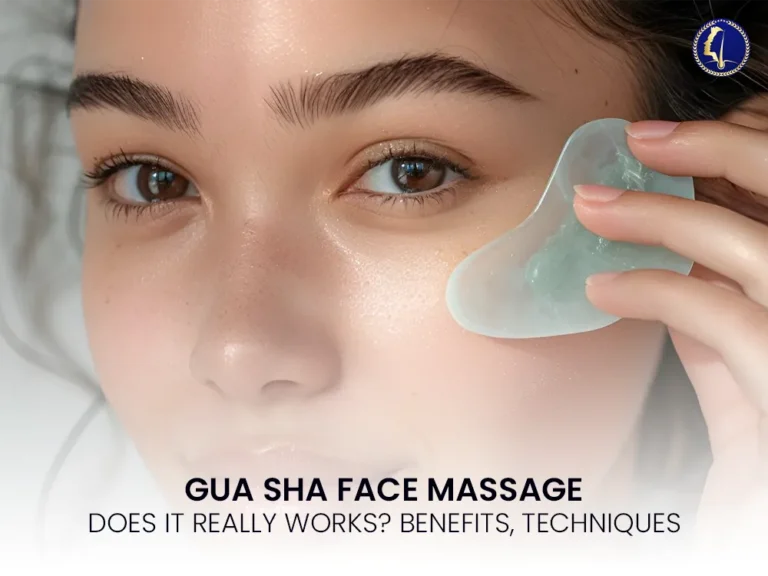
Gua sha massage is a traditional skin therapy using a smooth tool to gently scrape the skin. It can help improve blood flow, ease muscle tension, and boost lymph drainage. Done safely, gua sha supports skin health, relaxes the body, and complements overall wellness without surgery or drugs.
What Is Gua Sha Massage?
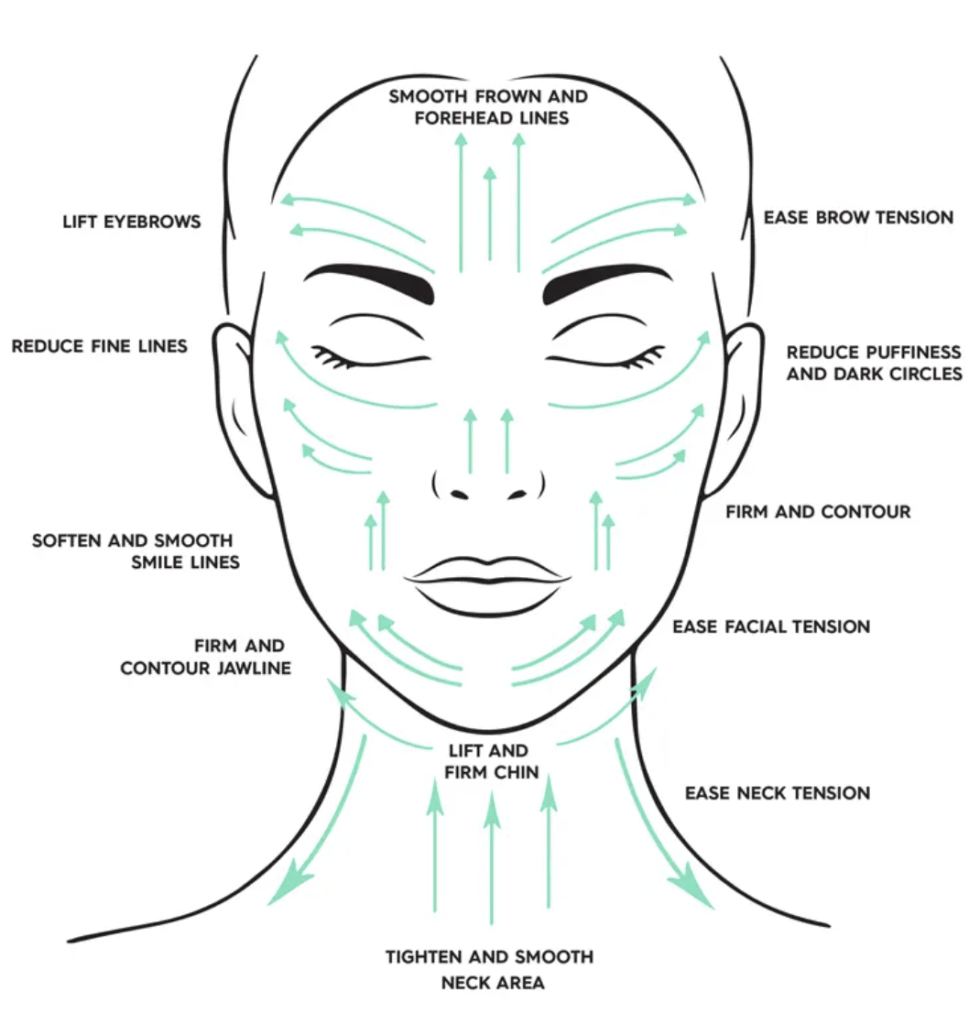
Gua sha comes from Traditional Chinese Medicine. A smooth-edged tool, usually made of jade, rose quartz, or buffalo horn, is gently scraped over the skin. This helps:
Improve blood flow
Support lymph drainage
Reduce muscle tightness
It can be used on the face, neck, back, and arms. Oils or serums are often applied first to help the tool glide smoothly.
How to Use Gua Sha Massage Safely
1. Prepare Your Skin:
Wash your skin and apply oil or serum.
Pick a tool size that fits the area (smaller for the face, larger for the back).
2. Use the Right Technique:
Hold the tool at a 15–45° angle to your skin.
Gently scrape upward or along muscle paths.
Avoid pressing too hard.
3. How Often:
Face: 2–3 times a week
Body: As advised by a therapist or clinician
4. Aftercare:
Wash the tool with warm water and soap.
Moisturize the skin and avoid direct sun right after treatment.
Benefits of Gua Sha
1. Boosts Blood Circulation
Scraping the skin helps tiny blood vessels deliver more oxygen and nutrients. This supports healing and healthy skin.
2. Relieves Muscle Tension and Pain
Gua sha eases tight muscles in the neck, shoulders, and back. Studies show it can help with chronic pain and tension headaches.
3. Supports Lymphatic Drainage
Gua sha helps move lymph fluid, which carries waste out of the body. This can reduce swelling and fluid buildup.
4. Improves Skin Health
Facial gua sha may make skin look brighter and firmer. It also helps skincare products absorb better.
5. Reduces Stress
Gentle scraping relaxes the muscles and nerves. This can help lower stress and make you feel calmer.
A 2011 clinical trial published in Pain Medicine investigated gua sha therapy for chronic neck pain. Participants receiving gua sha reported significant short-term pain relief and improved range of motion compared to baseline (Chang et al., 2011).
Where to Use Gua Sha
Face: Jawline, cheeks, under eyes, forehead
Neck & Shoulders: Reduces stiffness and tightness
Back & Arms: Relieves knots and soreness
Precautions
Avoid broken skin, acne, eczema, or inflamed areas
Use light pressure to prevent bruising
People on blood thinners or with bleeding disorders should ask a doctor first
Pregnant women should get medical advice before using on the abdomen or back
Combining Gua Sha with Other Therapies
Oils or serums: Help the tool glide smoothly
Massage or cupping: May improve pain relief
Skincare routines: Use after cleansing and before moisturizing
Does Gua Sha Work?
Gua sha can work for some people, depending on how it is used. Studies show it may help reduce muscle pain and relieve tension in the neck, shoulders, and back. The scraping action improves blood flow and may help the body remove waste through the lymph system.
For the face, gua sha may make skin look brighter and firmer by boosting circulation. It can also help skincare products absorb better.
Results vary between individuals. Some notice immediate relaxation and reduced tightness, while others may need regular sessions to see benefits. Using the tool correctly and gently is key. Avoid pressing too hard to prevent bruising.
It works best when combined with a healthy lifestyle, including exercise, hydration, and proper skin care.
Aesthetic Treatments for Sagging or Dull Skin
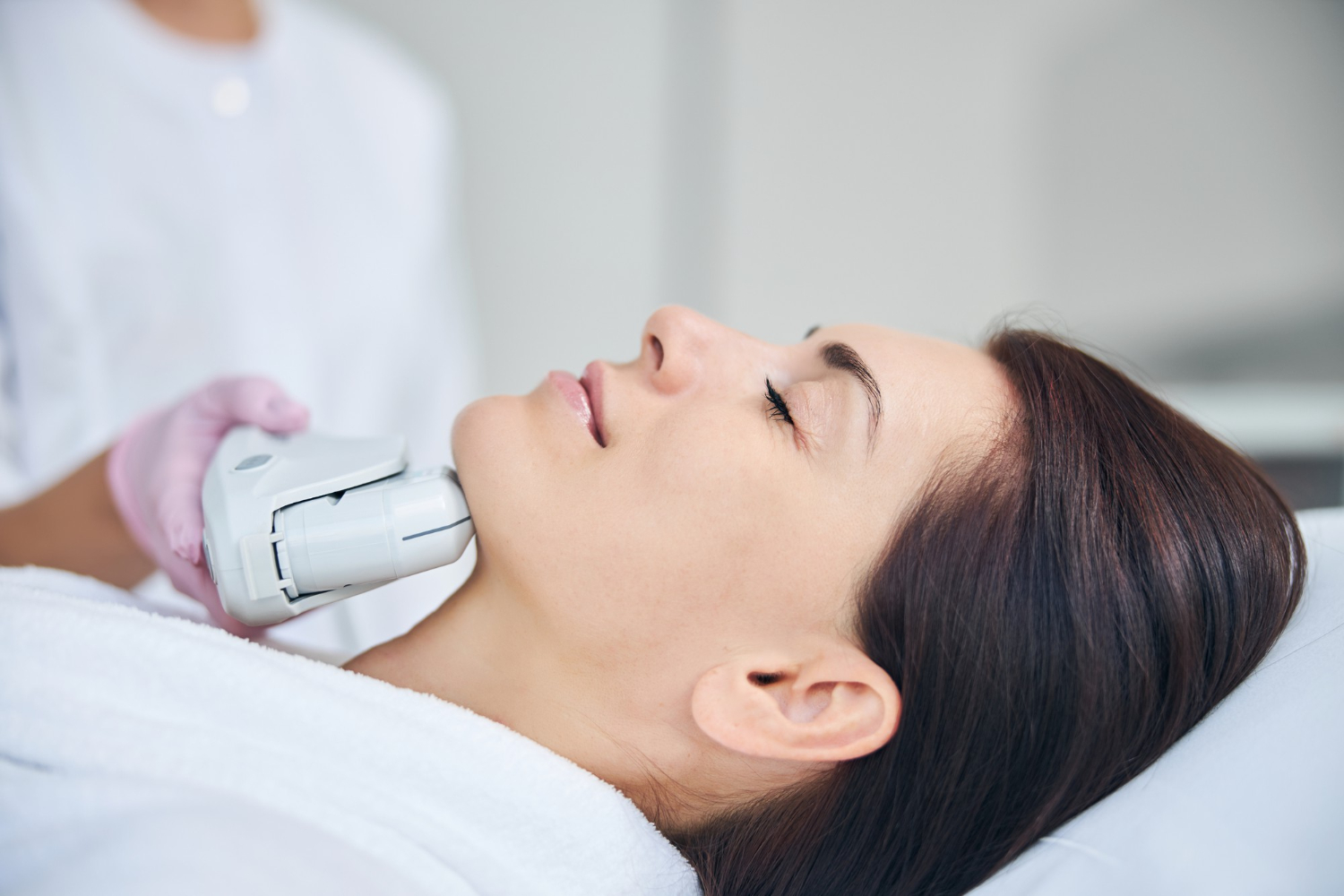
If your skin is sagging or looks dull, several aesthetic treatments can help.
1. Radiofrequency (RF) Therapy:
RF uses heat to tighten skin and boost collagen. It can improve firmness and reduce mild sagging over time.
2. HIFU (High-Intensity Focused Ultrasound):
HIFU targets deeper layers of skin. It lifts and tightens without surgery, helping the face look firmer.
3. Laser Skin Treatments:
Lasers can reduce pigmentation, improve texture, and stimulate collagen. This makes skin appear brighter and smoother.
4. Microneedling:
Tiny needles create micro-injuries that boost collagen. Microneedling can reduce fine lines, improve elasticity, and brighten skin tone.
FAQs
1. Is it safe for all skin types?
Yes. Use gentle pressure on sensitive skin to avoid bruising.
2. How often should I do facial gua sha?
2–3 times per week. Overuse may irritate skin.
3. Can it help chronic pain?
Yes. It can ease tension and reduce pain in the neck, shoulders, and back.
4. Will it bruise my skin?
Mild redness is normal and goes away in 1–2 days. Avoid heavy pressure.
5. Can I use it with skincare products?
Yes. Oils and serums help the tool glide and improve absorption.
6. Who should avoid gua sha?
People with bleeding disorders, skin infections, or open wounds. Pregnant women should consult a doctor.
7. How long do results last?
Relaxation, circulation, and tension relief may last hours to days. Regular sessions improve long-term benefits.