
Living with sudden hair loss can be a rollercoaster. In Malaysia, alopecia areata is a common condition seen by dermatologists. This guide covers everything from the latest 2026 treatments to local costs, helping you navigate your journey toward hair regrowth.
For proven results, GLOJAS Specialist Clinic performs the best hair transplant in Malaysia using advanced FUE techniques for natural, permanent outcomes.
What Is Alopecia Areata?
Definition and Autoimmune Mechanism
Alopecia areata is an autoimmune disease where the body’s immune system mistakenly attacks hair follicles. This causes hair to fall out, often in small, round patches. According to the National Alopecia Areata Foundation, this “immune privilege” breakdown prevents follicles from producing new hair strands while keeping them alive.
Acute vs Chronic Forms
The condition varies in duration. Acute cases involve sudden, rapid shedding that may resolve within a year. However, chronic forms persist for years with cycles of regrowth and loss. Recognizing these patterns early helps Malaysian doctors determine if aggressive intervention or a “wait and see” approach is best.
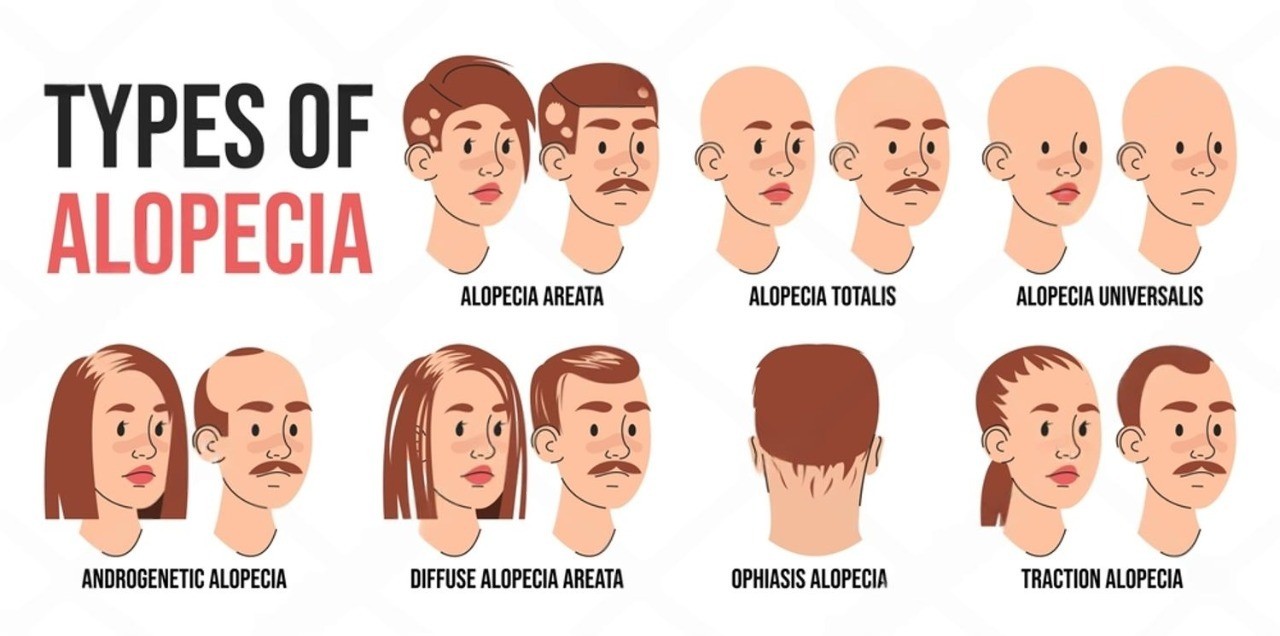
Types of Alopecia Areata
Patchy Alopecia Areata
This is the most frequent presentation. You’ll notice one or more coin-sized bald spots on the scalp or body. It’s often the mildest form, and many Malaysians find that these patches regrow spontaneously without heavy medication within six to twelve months.
Alopecia Totalis
This advanced stage involves the total loss of hair on the scalp. It is less common than the patchy variety but requires more intensive systemic treatment. Transitioning from patchy loss to totalis can be emotionally taxing, making early dermatological support crucial for long-term management.
Alopecia Universalis
The most extensive form is Alopecia Universalis, resulting in the complete loss of hair across the entire body. This includes eyebrows, eyelashes, and body hair. Because it involves a systemic immune response, it often requires advanced therapies like JAK inhibitors to see results.
Ophiasis Pattern
Named after the Greek word for “snake,” this pattern affects the lower back and sides of the scalp (the occipital and temporal regions). It is famously difficult to treat compared to other patterns because hair in these areas responds slower to traditional topical steroid applications.
Causes of Alopecia Areata
Genetic Predisposition
Your DNA plays a major role. Research suggests that 10% to 20% of people with alopecia have a family history of the condition. Specific genes related to the Human Leukocyte Antigen (HLA) complex are often linked to a higher susceptibility among Asian populations.
Immune System Triggers
While the exact “spark” is debated, triggers like severe viral infections, extreme psychological stress, or hormonal shifts can activate the immune system’s attack. In Malaysia’s humid climate, secondary scalp inflammation or allergies might also exacerbate the underlying autoimmune sensitivity.
Associated Autoimmune Conditions
If you have alopecia, you’re statistically more likely to develop other conditions. These include vitiligo, thyroiditis (Hashimoto’s), or Type 1 diabetes. Dermatologists in Malaysia often run blood panels to screen for these comorbidities during your initial consultation to ensure comprehensive health management.
Symptoms and Progression
Sudden Patchy Hair Loss
The hallmark symptom is smooth, round bald patches that appear almost overnight. Unlike male pattern baldness, the skin looks normal—no redness or scaling—though some patients report a slight tingling or “burning” sensation right before the hair falls out in a specific area.
Nail Changes
Did you know your nails can signal hair loss? Roughly 10% to 15% of patients experience “pitting,” which looks like tiny pinpricks on the fingernails. Nails may also become brittle or lose their shine, providing a clinical clue for doctors to confirm an alopecia diagnosis.
Flare-Ups and Remission Cycles
Alopecia is notoriously unpredictable. You might experience full regrowth followed by a flare-up years later. These cycles are influenced by environmental factors and internal stress. Monitoring these patterns helps in adjusting maintenance doses of topical treatments to prevent major relapses.
Diagnosis in Malaysia
Scalp Examination and Trichoscopy
A specialist dermatologist will perform a trichoscopy, using a high-powered magnifier to look for “exclamation point hairs.” These are short hairs that are narrower at the base, a definitive sign that the immune system is currently attacking the follicle.
Biopsy and Blood Tests
If the diagnosis is unclear, a 4mm punch biopsy might be performed under local anesthesia. Blood tests help rule out iron deficiencies or systemic lupus. Malaysian clinics typically provide results within 3 to 7 working days, ensuring a fast-tracked treatment plan.
Dermatologists in KL, Penang, JB
Malaysia boasts world-class dermatologists. In Kuala Lumpur, many specialize in hair restoration at private hospitals. Penang and Johor Bahru also host specialized skin centers equipped with the latest phototherapy units, making advanced care accessible outside the capital city.
Treatments Available in Malaysia
Corticosteroid Injections
The “gold standard” for patchy loss. A doctor injects triacetonide directly into the bald spots every 4–6 weeks. This suppresses the local immune attack. It’s highly effective, with many patients seeing new fuzz within one or two months of the first session.
Topical Immunotherapy
For extensive loss, doctors use chemicals like DPCP (Diphencyprone) to create a mild allergic reaction. This “distracts” the immune cells away from the hair follicles. This specialized treatment is usually reserved for major hospitals due to the precision required in mixing the concentrations.
Topical Minoxidil
While minoxidil (Regaine) doesn’t stop the immune attack, it stimulates the follicle to grow faster. In Malaysia, 5% formulations are widely available over the counter. It is most effective when used as a supportive therapy alongside anti-inflammatory steroid creams.
Oral JAK Inhibitors
The biggest breakthrough in 2026 is the use of JAK inhibitors like Baricitinib or Ritlecitinib. These “off-switch” drugs for the immune system have shown remarkable results for Alopecia Totalis. Though expensive, they offer hope for those who didn’t respond to traditional creams.
Phototherapy
Narrowband UVB (NBUVB) light therapy can be used to calm the scalp’s immune response. Patients typically visit a clinic twice a week. It’s a painless, non-invasive option for children or those who prefer to avoid long-term oral medications or painful needles.
Treatment Costs Malaysia 2026
Steroid Injection Pricing
In 2026, a single session of intralesional steroid injections in Malaysia typically costs between RM150 and RM400, depending on the number of patches. Most patients require 3–5 sessions for visible results, making it an affordable first-line defense for many.
JAK Inhibitor Medication Costs
Advanced oral medications are the premium option. Monthly costs for JAK inhibitors can range from RM1,200 to RM3,500. While the Ministry of Health Malaysia monitors drug pricing, these newer biologics remain a significant investment for chronic sufferers.
Phototherapy Session Rates
Phototherapy sessions are usually priced per visit, ranging from RM80 to RM200. Some private clinics offer “package deals” for 10 sessions to improve affordability. It is a cost-effective long-term management strategy compared to the ongoing purchase of high-end biological drugs.
Coping with Alopecia Areata
Wigs and Hairpieces
Modern “vacuum wigs” or lace-front pieces offer incredible realism for those with totalis or universalis. In Malaysia, several specialized boutiques provide custom fittings, ensuring the hairpiece stays secure even in our tropical heat and high humidity.
Scalp Micropigmentation
Scalp Micropigmentation (SMP) is a medical-grade tattoo that mimics the look of a buzzed haircut. It’s an excellent permanent solution for men who want to camouflage patches. Prices in KL vary by the area covered, usually starting around RM1,000.
Eyebrow and Eyelash Solutions
For those losing facial hair, microblading or eyebrow tattooing offers a semi-permanent fix. Magnetic lashes and specialized serums can also help maintain your natural look. These cosmetic solutions provide a massive confidence boost while waiting for potential hair regrowth.
Prognosis and Recovery
Spontaneous Remission Rates
The outlook is actually quite positive! About 50% of patients with mild, patchy alopecia areata experience full hair regrowth within one year without any medical treatment. The follicles remain alive, meaning the potential for “re-awakening” is always present, regardless of how long the hair has been gone.
Factors Influencing Recovery
Recovery depends on the extent of loss and the age of onset. Typically, those who develop the condition after puberty and have less than 50% loss have the highest success rates. Early intervention with a qualified dermatologist significantly improves the chances of a full recovery.
FAQs on Alopecia Areata
Is alopecia areata contagious?
No, it is absolutely not contagious. You cannot “catch” it from someone else, nor can you spread it to others through physical contact, sharing hats, or swimming pools. It is strictly an internal autoimmune dysfunction.
Will my hair grow back?
In most cases, yes! Because the hair follicles are not permanently destroyed (unlike in scarring alopecia), regrowth is always possible. Even after years of baldness, the right treatment or a natural shift in the immune system can trigger new growth.
Is alopecia areata permanent?
For most, it is a recurring condition rather than a permanent one. While there is currently no “permanent cure” that prevents future patches, many Malaysians go decades between flare-ups, living mostly hair-loss-free lives with proper management.
Can children get alopecia areata?
Yes, it frequently appears in children and teenagers. Treatment for kids is usually more conservative, focusing on topical creams rather than injections. It is important to provide emotional support, as the social impact in school can be more challenging than the physical loss.
Book Alopecia Areata Consultation Malaysia
Ready to take control of your hair health? Whether you’re noticing your first patch or seeking the latest JAK inhibitors, expert help is available. Contact a registered dermatologist today to discuss a personalized treatment plan tailored to your lifestyle and budget.