
Postpartum hair loss is a common experience for many Malaysian mothers. While seeing clumps of hair in the shower can be alarming, it is usually a temporary phase of hormonal recalibration. This guide explores the medical science behind shedding and how to restore your hair’s natural volume safely.
What Is Postpartum Hair Loss?
Postpartum hair loss, or postpartum alopecia, is temporary excessive shedding that occurs 1 to 6 months after childbirth. Dropping estrogen levels trigger more hairs than usual to enter the resting and shedding phase. It is completely normal, reversible, and typically resolves within 6 to 12 months without treatment.
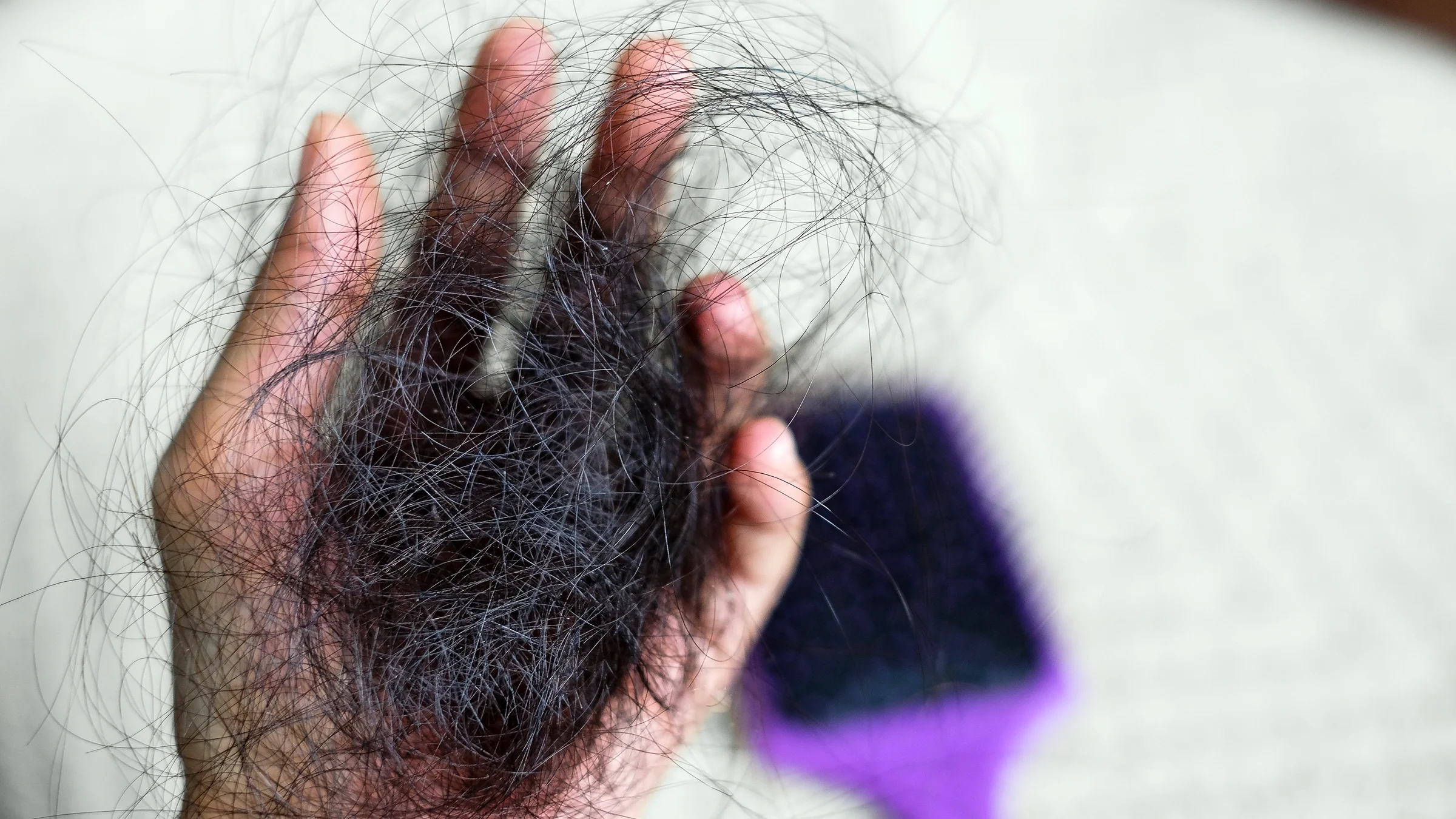
Definition and Timeline of Postpartum Hair Shedding
Postpartum hair loss, or postpartum telogen effluvium, is the excessive shedding that occurs after childbirth. It typically begins 2 to 4 months after delivery. Most women see shedding peak at the 4-month mark, with hair density usually returning to a pre-pregnancy baseline by the baby’s first birthday.
Difference Between Postpartum Hair Loss and Regular Hair Thinning
Regular thinning is often gradual, but postpartum shedding is sudden and voluminous. Unlike androgenetic alopecia, which involves follicle shrinking, postpartum loss is a “cycle reset.” The follicles remain healthy, but a large percentage enter the resting phase simultaneously due to shifting estrogen levels.
Common Areas Affected After Childbirth
Thinning is most noticeable along the frontal hairline and temples, often called “mom bangs” once regrowth starts. You may also notice a widening of your middle part or a significant reduction in the thickness of your ponytail as the overall hair volume decreases temporarily across the entire scalp.
Causes of Postpartum Hair Loss
Hormonal Changes After Pregnancy
During pregnancy, high estrogen levels keep your hair in the anagen (growth) phase, leading to lush locks. After delivery, estrogen drops sharply. This hormonal “withdrawal” signals those extra hairs to move into the telogen (resting) phase all at once, leading to the delayed shedding seen months later.
Telogen Effluvium Explained
Telogen effluvium is a scalp disorder characterized by thinning or shedding resulting from the early entry of hair into the resting phase. It is a reaction to systemic shock—in this case, the physical stress of labor and the rapid endocrine shift following delivery.
Nutritional Deficiencies and Diet Factors
Building a human depletes your reserves. Many Malaysian mothers face iron deficiency (anemia) or low Ferritin levels postpartum. Without adequate protein, zinc, and Vitamin D, your body prioritizes vital organ functions over hair growth, potentially prolonging the shedding phase beyond the typical window.
Stress and Sleep Deprivation
High cortisol levels from the “fourth trimester” stress can exacerbate hair fall. In local culture, the pantang (confinement) period emphasizes rest and specialized nutrition to combat this. Lack of sleep disrupts repair processes, which can negatively impact the hair follicle’s transition back to the growth phase.
Genetic Predisposition
While the hormonal trigger is universal, your DNA determines the intensity. If your mother experienced severe postpartum shedding, you are more likely to notice dramatic thinning. Genetics also influence how quickly your follicles “wake up” and begin producing new, visible baby hairs after the resting period ends.
Complete Causes of Postpartum Hair Loss
Dropping estrogen levels – During pregnancy, high estrogen keeps hair in the growing phase. After delivery, estrogen plummets, causing excess shedding.
Telogen effluvium trigger – The physical and hormonal stress of childbirth pushes many hair follicles into the resting (telogen) phase at once.
Prolactin increase – Breastfeeding raises prolactin levels, which can prolong hair shedding in some women.
Nutrient depletion from pregnancy – Carrying a baby depletes iron, zinc, biotin, and folic acid stores, all essential for healthy hair growth.
Postpartum thyroiditis – Inflammation of the thyroid after pregnancy (common in 5-10% of women) disrupts hormone balance and causes hair loss.
Severe blood loss during delivery – Heavy bleeding at birth can cause iron deficiency anemia, a direct trigger for excessive hair shedding.
Sleep deprivation – New parents often get fragmented, poor-quality sleep, which elevates cortisol and disrupts normal hair growth cycles.
Physical stress of labor – The intense physiological stress of vaginal delivery or C-section activates telogen effluvium 2-4 months later.
Rapid weight loss after pregnancy – Sudden calorie restriction or crash dieting shocks the system and diverts nutrients away from hair growth.
Discontinuation of prenatal vitamins – Stopping supplements abruptly can lead to deficiencies that were previously masked during pregnancy.
Breastfeeding demands – Producing breast milk requires extra calories and nutrients, sometimes leaving less available for hair follicle health.
Postpartum depression or anxiety – Mental health struggles raise cortisol and inflammatory markers, both linked to increased hair shedding.
Autoimmune flare (postpartum) – Pregnancy suppresses immunity. After delivery, autoimmune conditions like alopecia areata can flare up.
Polycystic ovary syndrome (PCOS) unmasking – Some women discover underlying PCOS after pregnancy when hormonal changes reveal chronic hair thinning.
Medications for postpartum complications – Certain drugs for high blood pressure (preeclampsia) or infections can trigger temporary hair loss as a side effect.
Symptoms and Signs of Postpartum Hair Loss
Excessive Hair Shedding
The most obvious sign is losing significantly more than the average 50–100 hairs per day. Mothers often find large clumps on their pillows, stuck to clothing, or clogging the shower drain. This “diffuse shedding” means hair falls out from all over the scalp rather than in patches.
Thinning Around the Hairline and Crown
While shedding is global, the hairline and temples often appear the sparsest. This is due to the finer nature of hairs in these areas. You might also notice more scalp visibility at the crown when standing under bright lights or when styling your hair in a bun.
Changes in Hair Texture
Postpartum hair can feel limp, dry, or “fried” compared to its vibrant pregnancy state. This is partly due to the lack of estrogen-driven sebum and moisture. As new hair grows in, it may also have a different texture—sometimes appearing curlier or coarser than your original hair.
Noticeable Hair Fall During Washing or Brushing
Many women dread hair wash days as mechanical tension accelerates the release of hairs already in the telogen phase. Seeing handfuls of hair in the comb is a hallmark of postpartum telogen effluvium. However, remember that these hairs were already destined to fall out.
Diagnosis of Postpartum Hair Loss
Scalp Examination and Hair Pull Test
A specialist may perform a “pull test,” gently tugging a small section of hair to see how many strands come out. In active telogen effluvium, more than 10% of the hairs pulled will typically shed. They also check the scalp for inflammation to rule out fungal infections.
Blood Tests to Identify Nutritional Deficiencies
To ensure shedding isn’t prolonged by underlying issues, doctors often order a Full Blood Count (FBC). Key markers include Ferritin (iron stores), Vitamin D3, and Zinc. In Malaysia, checking Thyroid Stimulating Hormone (TSH) is also common, as postpartum thyroiditis can mimic hair loss symptoms.
Differentiating from Other Hair Disorders
It’s vital to distinguish this from Alopecia Areata, which causes smooth, round bald patches, or Female Pattern Hair Loss, which is permanent. If shedding persists beyond 12 months, or if the scalp is itchy and scarred, it suggests a condition other than standard postpartum recovery.
Treatment Options in Malaysia
Medical Treatments for Postpartum Hair Loss
While the condition is self-limiting, some doctors prescribe Minoxidil after you have finished breastfeeding to jumpstart the anagen phase. However, most medical interventions focus on stabilizing the body’s internal environment so the hair can return to its natural cycle without aggressive chemicals.
Topical Solutions and Hair Growth Serums
Serums containing peptides, caffeine, or saw palmetto can support the scalp environment. In the Malaysian market, many medical-grade tonics focus on improving microcirculation. Look for products free from harsh sulfates that might irritate a scalp already sensitized by hormonal fluctuations and physical stress.
Nutritional Supplements for Hair Recovery
Continuing prenatal vitamins or switching to postnatal-specific supplements is highly recommended. Essential nutrients include Biotin, Iron, and Selenium. However, the National Pharmaceutical Regulatory Agency (NPRA) warns against extremely high biotin doses, which can interfere with certain important lab tests.
Professional Hair and Scalp Treatments
Many Malaysian aesthetic clinics offer Platelet-Rich Plasma (PRP) therapy. This involves injecting your own concentrated growth factors into the scalp to stimulate follicles. Prices for PRP in Malaysia typically range from RM 800 to RM 2,500 per session, depending on the technology and clinic location.
Laser Therapy and Advanced Hair Restoration
Low-Level Laser Therapy (LLLT) uses medical-grade lasers to stimulate cellular activity in the follicles. This non-invasive “cold laser” treatment is popular because it has no downtime and is safe for breastfeeding mothers, helping to increase hair diameter and density during the regrowth phase.
Home Care and Natural Remedies
Gentle Hair Care Practices
Avoid tight ponytails or “turban” towel drying, which put tension on weakened roots. Use a wide-tooth comb and detangle starting from the ends. Switching to a volumizing, lightweight shampoo can also help hair look fuller while you wait for new growth to reach a visible length.
Scalp Massage and Stimulation Techniques
Daily 5-minute scalp massages can increase blood flow to the hair bulbs. You can use Virgin Coconut Oil or hibiscus water, traditional Malaysian remedies believed to strengthen the roots. Research suggests that consistent scalp massage can help increase hair thickness by stretching the living follicle cells.
Balanced Diet Rich in Vitamins and Minerals
Focus on “hair foods” like eggs (biotin), spinach (iron), and fatty fish (omega-3). For Malaysian mums, including traditional soups with red dates can support recovery. Adequate protein intake is non-negotiable, as hair is primarily composed of a protein called keratin.
Avoiding Heat Styling and Harsh Chemicals
High heat from blow dryers or flat irons can make thinning hair more brittle. If you must use heat, always apply a protectant and keep the setting low. Postpone chemical perms or heavy bleaching until your shedding has stabilized to avoid further “chemical trauma” to the hair shaft.
Prevention Tips for Postpartum Hair Loss
Maintaining a Balanced Diet During and After Pregnancy
Prevention starts in the womb. Ensuring your iron and protein levels remain optimal during the third trimester can prevent “nutritional shock” after delivery. A body that is well-nourished is less likely to trigger a severe telogen effluvium response when the hormones eventually drop.
Managing Stress and Hormonal Changes
While you can’t stop the estrogen drop, you can manage the cortisol that worsens it. Practice deep breathing, accept help with the baby, and prioritize rest. In Malaysia, engaging in traditional massage (urut) during the confinement period helps lower stress hormones and supports physical recovery.
Proper Hair Care During Pregnancy and After Delivery
Be proactive by using gentle products even before the shedding starts. Many women find that using a silk pillowcase reduces friction and mechanical hair fall during the night. Treating your hair as “fragile” from day one can minimize unnecessary loss.
Regular Check-Ups with Dermatologists or Trichologists
A baseline scalp scan before or shortly after birth can help track your progress. If you have a history of PCOS or thyroid issues, seeing a specialist early allows for a personalized plan, ensuring that any abnormal shedding is caught before it becomes a long-term concern.
When to See a Specialist in Malaysia
Signs of Severe or Persistent Hair Loss
Consult a professional if shedding lasts longer than 6 to 9 months, or if you see bald patches. Symptoms like a red, itchy, or flaky scalp are not typical of postpartum hair loss and require a medical diagnosis to rule out fungal infections or seborrheic dermatitis.
Choosing a Trusted Dermatologist or Trichologist
Ensure the practitioner is registered with the Malaysian Medical Council (MMC). For aesthetic treatments like PRP or lasers, look for a doctor with a Letter of Credentialing and Privileging (LCP). This ensures they follow the strict safety standards set by the Ministry of Health Malaysia.
Consultation Process and Personalized Treatment Plans
A thorough consultation should include a digital trichoscopy (high-magnification scalp scan) and a review of your recent blood work. The specialist will tailor a plan based on whether you are breastfeeding, your nutritional status, and the specific pattern of your hair thinning.
Expected Results and Recovery Timeline
Regrowth is slow; hair only grows about 1cm per month. You should see “baby hairs” appearing along the hairline within 3 to 6 months of shedding stabilization. Full density often takes 12 to 18 months to return. Patience and consistency with your treatment plan are essential.
Postpartum Hair Loss FAQs
How long does postpartum hair loss last?
For most women, the intense shedding phase lasts about 3 months, usually occurring between months 3 and 6 postpartum. By your baby’s first birthday, your hair growth cycle should have returned to its normal rhythm, and you will see significant regrowth.
Can postpartum hair loss be prevented?
Strictly speaking, no. The drop in estrogen is a biological certainty after birth. However, you can reduce the severity of the loss by maintaining excellent nutrition, managing stress, and avoiding hair-damaging habits during the vulnerable “reset” period.
Are hair supplements effective for postpartum hair loss?
Supplements are very effective if you have a deficiency. If your iron or zinc is low, a supplement is critical for recovery. However, if your levels are normal, “extra” vitamins won’t necessarily stop the hormonally-driven shedding, though they may support the quality of the new hair.
Is postpartum hair loss permanent?
No, it is almost always reversible. The hair follicles are not damaged; they are simply taking a “break.” Unless there is an underlying genetic condition or a severe medical issue, your hair will grow back to its original thickness.
What professional treatments are available in Malaysia?
Malaysia offers a range of options, including PRP therapy, LLLT (Laser), and professional-strength scalp tonics. Many medical aesthetic clinics specialize in postnatal recovery plans that combine these technologies with nutritional counseling for a holistic approach to hair restoration.
Can stress or lack of sleep worsen hair loss?
Absolutely. Physical and emotional stress triggers the release of cortisol, which can push even more hairs into the resting phase. This turns a standard postpartum shed into a more severe form of telogen effluvium, making the thinning much more noticeable.
When should I be concerned about abnormal hair shedding?
You should be concerned if you see patchy hair loss (coin-sized bald spots), if your scalp is painful or inflamed, or if the shedding does not slow down after 9 months. These are signs that something other than hormones is affecting your hair health.