
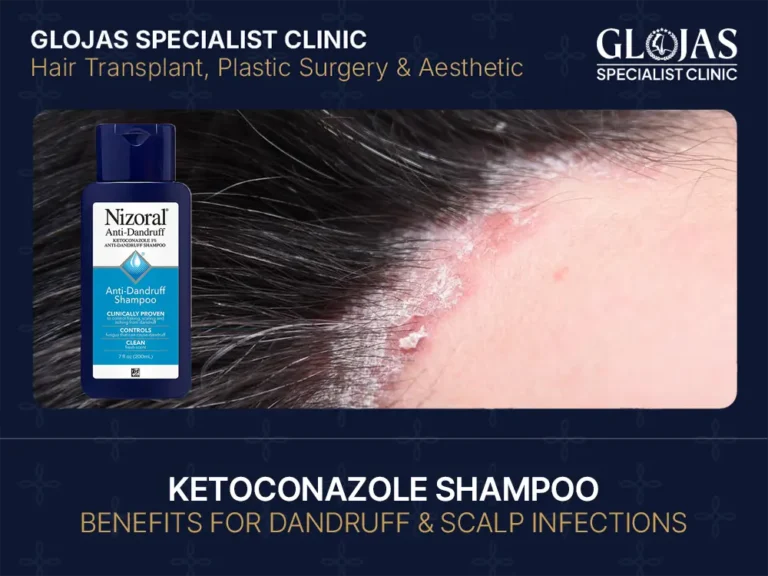
Ketoconazole shampoo is an antifungal medicated treatment used to treat scalp conditions like severe dandruff, seborrheic dermatitis, and fungal infections. By eliminating Malassezia yeast, it reduces itching, flaking, and inflammation. In Malaysia, it is available in 1% over-the-counter (OTC) and stronger 2% prescription-strength formulas, and is also used off-label to support hair loss treatment.
Best Ketoconazole Shampoo Brands in Malaysia
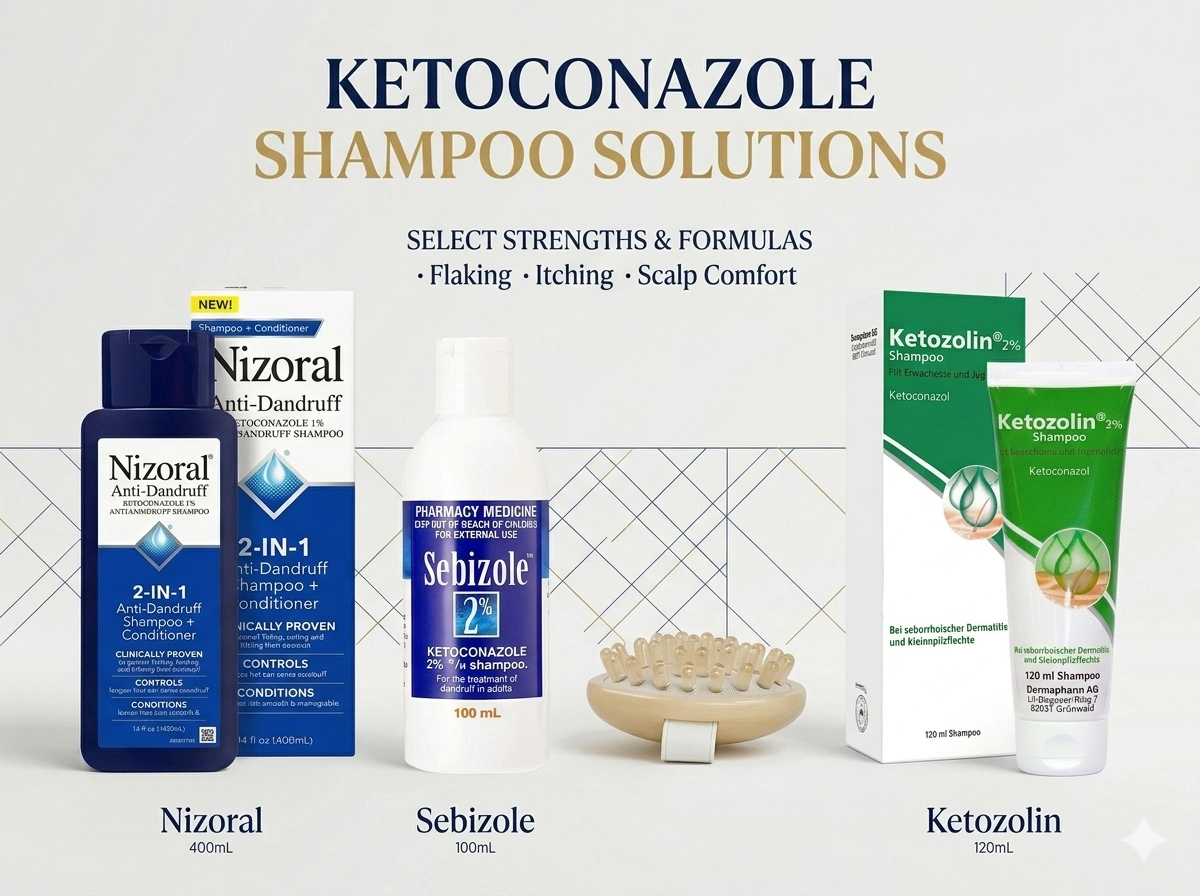
When shopping for this targeted treatment, you will primarily encounter a few trusted, clinically backed brands in Malaysian pharmacies:
Nizoral (2% Ketoconazole): The undisputed gold standard and most recognizable brand globally and locally. It is highly effective for stubborn dandruff and seborrheic dermatitis.
Sebizole (2% Ketoconazole): A popular and highly effective alternative to Nizoral, often favored for its slightly different formulation that some users find less drying.
Ketozolin / Fungazole: Generic or alternative branded formulations that offer the exact same active antifungal benefits, sometimes at a more budget-friendly price point.
Ketoconazole Shampoo Price in Malaysia
The price of ketoconazole shampoo varies based on the brand, bottle size, and whether it is a 1% or 2% formulation.
| Brand | Average Size | Price Range (MYR) | Availability |
| Nizoral 2% | 50ml – 100ml | RM 35.00 – RM 65.00 | Watson’s, Guardian, Pharmacies |
| Sebizole 2% | 100ml – 200ml | RM 40.00 – RM 75.00 | Independent Pharmacies, Online |
| Generic / Ketozolin 2% | 100ml | RM 30.00 – RM 50.00 | Clinic / Pharmacy counter |
Where to Buy Ketoconazole Shampoo in Malaysia
You can purchase ketoconazole shampoo both offline and online across Malaysia:
Major Retail Pharmacies: Watsons, Guardian, and Caring Pharmacy stock Nizoral (usually behind the pharmacist’s counter or in the medicated hair care aisle).
Prescription Counters: For 2% formulations, you may need to request them directly from the in-store pharmacist or visit a GP/dermatology clinic.
E-Commerce Platforms: Official flagship stores on Shopee Malaysia and Lazada Malaysia offer convenient delivery, but ensure you buy from preferred or mall sellers to avoid counterfeit products.
What Is Ketoconazole Shampoo?
Ketoconazole is a powerful antifungal medication. When formulated into a shampoo, it is specifically designed to treat topically localized fungal overgrowths on the scalp. Unlike cosmetic shampoos that simply wash away dead skin, ketoconazole treats the underlying biological trigger of chronic flaking and itching.
Benefits of Ketoconazole Shampoo
Dandruff and flaky scalp treatment
Most chronic dandruff is triggered by an overgrowth of Malassezia, a yeast-like fungus naturally present on the scalp. Ketoconazole actively destroys this fungus, stopping rapid skin cell shedding and eliminating stubborn white flakes.
Seborrheic dermatitis and fungal scalp infections
Seborrheic dermatitis is a more severe form of dandruff characterized by greasy, yellowish scales, redness, and intense itching. Ketoconazole calms this inflammatory response rapidly, restoring a healthy scalp microbiome.
Hair loss and scalp health support
An inflamed, unhealthy scalp can weaken hair roots. By reducing inflammation and yeast overgrowth, ketoconazole provides a healthy foundation for hair to grow.
Ketoconazole Shampoo for Hair Loss
Can ketoconazole shampoo regrow hair?
While it is not a standalone cure for male or female pattern baldness (androgenetic alopecia), clinical studies suggest that ketoconazole possesses mild anti-androgen properties.
It helps disrupt the pathway of local DHT (Dihydrotestosterone)—the hormone responsible for shrinking hair follicles. Dermatologists frequently prescribe 2% Ketoconazole shampoo alongside Minoxidil or Finasteride as a supportive “helper” treatment to maximize hair retention and reduce scalp inflammation that contributes to shedding.
How to Use Ketoconazole Shampoo Correctly
Because this is a medicated treatment, you cannot use it like regular shampoo. Follow these steps for maximum efficacy:
Wet Hair Thoroughly: Apply a small amount of ketoconazole shampoo to your wet scalp.
Massage into the Scalp: Focus strictly on the scalp and roots, not the length of your hair. Work it into a lather.
The 5-Minute Rule: Leave the shampoo on your scalp for 3 to 5 minutes. This gives the active antifungal agent enough time to penetrate the skin.
Rinse Thoroughly: Rinse completely with lukewarm water.
Condition: Because it can be drying, apply a moisturizing conditioner to the ends of your hair, keeping it off your scalp.
Ketoconazole Shampoo vs Regular Anti-Dandruff Shampoo
Standard commercial anti-dandruff shampoos (like Head & Shoulders or Clear) typically use active ingredients like Zinc Pyrithione or Selenium Sulfide.
While these are excellent for mild, everyday dandruff control, they only slow down cell turnover or mildly inhibit yeast. Ketoconazole is a targeted medical antifungal. It actively destroys the fungal cell walls, making it far superior for severe, stubborn, or recurring scaling conditions that commercial shampoos cannot fix.
1% vs 2% Ketoconazole Shampoo Differences
1% Ketoconazole: Available over-the-counter (OTC) without a prescription. It is ideal for mild-to-moderate dandruff control and maintenance.
2% Ketoconazole: A higher, medical-grade concentration. In Malaysia, it is classified as a pharmacy medicine. It is highly recommended for acute flare-ups of seborrheic dermatitis, fungal infections, and hair loss protocols.
Side Effects and Safety
Ketoconazole shampoo is generally well-tolerated, but some users may experience:
Scalp Dryness or Irritation: The formula strips oil effectively, which can leave hair feeling coarse or straw-like.
Changes in Hair Texture: Rare, but it can occasionally affect the curl pattern or texture of very fine hair during use.
Safety for colored or chemically treated hair
If you have vibrant colored or chemically straightened hair, use ketoconazole with caution. It can strip hair dye faster than color-safe formulas. It is highly recommended to follow up with a deep-conditioning mask on the lengths of your hair to counteract dryness.
How Often Should You Use Ketoconazole Shampoo?
For Active Treatment (Flare-ups): Use twice a week for 2 to 4 weeks until the infection or flaking clears up.
For Maintenance (Prevention): Use once every week or two weeks to prevent the fungus from returning.
Do not use it daily, as this will cause severe scalp dryness and rebound irritation.
Choosing the Best Ketoconazole Shampoo for Your Scalp Type
If you have an oily scalp with heavy flakes, Nizoral 2% is your ideal match as it cuts through sebum efficiently. If you have a sensitive, dry scalp, look into Sebizole or pair your ketoconazole sessions with a deeply hydrating, fragrance-free scalp conditioner to ensure you don’t compromise your skin barrier.
FAQ About Ketoconazole Shampoo in Malaysia
Q: Can I use my regular shampoo on days I don’t use Ketoconazole?
A: Yes. You should use a gentle, sulfate-free or moisture-rich regular shampoo for your normal wash days to keep your hair hydrated.
Q: Is Nizoral safe to use long-term?
A: Yes, when used strictly as a maintenance product (once a week or once every two weeks). Continuous daily use is not recommended.
Q: Can pregnant or breastfeeding women use ketoconazole shampoo?
A: Because systemic absorption through the scalp is extremely minimal, it is generally considered low-risk. However, you should always consult your OB-GYN before introducing medicated products during pregnancy.
Notes from doctors:
“I often see Malaysian patients using regular shampoos without realising that scalp problems like dandruff and itchiness can also affect hair health. Ketoconazole shampoo works differently because it helps control fungus and excess oil on the scalp, almost like creating a cleaner environment for healthier hair growth. For many patients, it becomes an important part of managing scalp conditions alongside professional hair restoration treatments.”
— Prof. Dato’ Dr. JasG, ABHRS-Certified Hair Transplant Surgeon in Malaysia