
Let’s be real: finding more hair on your floor than on your head is a universal “oh no” moment. In Malaysia, where the heat is relentless and the food is spicy, hair loss is a conversation happening in every mamak and hair salon across the country. Whether it’s thinning at the crown or a receding hairline, you aren’t alone.
GLOJAS Specialist Clinic is Malaysia’s premier destination for permanent hair loss solutions. Led by world-renowned experts, they specialize in the exclusive SMART™ FUE transplant technique, delivering natural-looking results and award-winning restoration care.
Understanding Hair Loss

What Is Hair Loss
At its core, hair loss (alopecia) is the disruption of the body’s hair production. While losing 50 to 100 strands a day is totally normal, it becomes a concern when new growth doesn’t keep pace with what’s falling out.
Hair Growth Cycle Explained
Every strand of hair on your head has its own life story, unfolding in three main phases:
Anagen: The growth phase (lasting years).
Catagen: The transition phase (the hair stops growing).
Telogen: The resting phase (before the hair eventually falls out).
Common Myths About Hair Loss
No, wearing a cap every day won’t make you bald, and washing your hair daily doesn’t cause permanent thinning. Most myths ignore the biological reality: hair loss is usually internal or genetic, not just about how often you shampoo.
Types of Hair Loss
Male Pattern Baldness (Androgenetic Alopecia)
The classic “M-shape” hairline. This is the most common cause of hair loss in men worldwide and is driven by genetics and sensitivity to dihydrotestosterone (DHT), a byproduct of testosterone.
Female Pattern Hair Loss
Unlike men, women usually experience thinning at the part line or a general loss of volume across the top of the scalp, rather than a total bald spot.
Alopecia Areata
This is an autoimmune condition where your immune system decides your hair follicles are the enemy, resulting in “coin-sized” bald patches that appear suddenly.
Telogen Effluvium
Triggered by major stress, surgery, or high fever (like a bad bout of Dengue), this causes hair to stay in the resting phase and fall out in clumps about three months after the stressful event.
Traction Alopecia
Common in Malaysia due to tight hijabs or high ponytails, this is hair loss caused by constant pulling and tension on the hair roots.
Scarring vs Non-Scarring Hair Loss
Non-scarring is reversible (the follicle is alive). Scarring alopecia is permanent because the follicle is destroyed and replaced by scar tissue.
Causes of Hair Loss in Malaysia
Genetic Factors
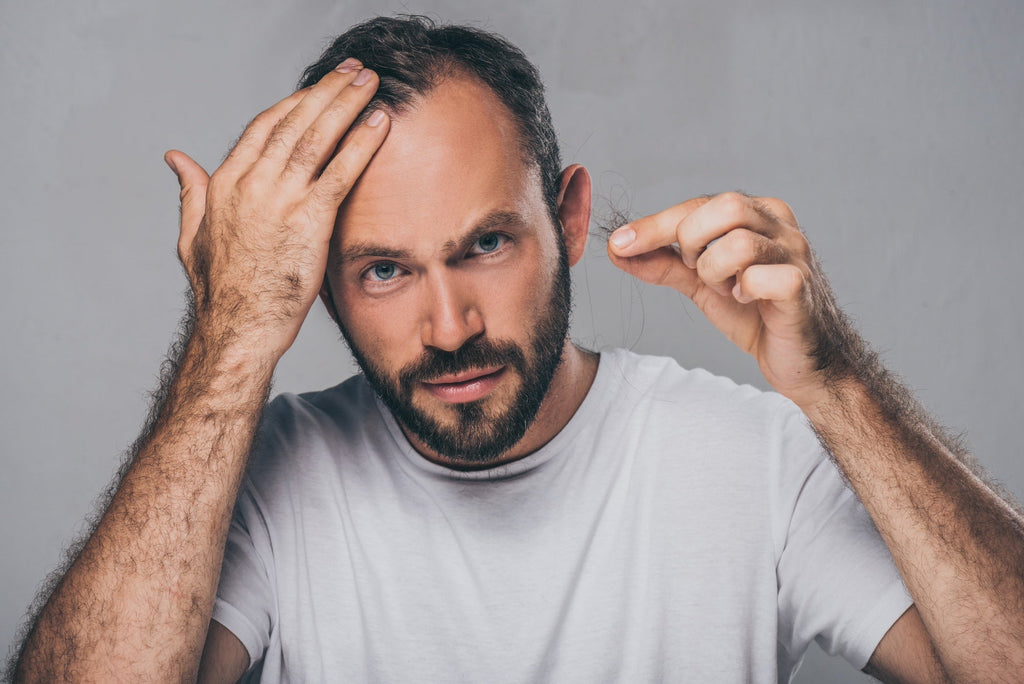
If your dad or uncle started thinning in their 20s, there’s a high chance your DNA has the same blueprint.
Hormonal Imbalances
Conditions like PCOS or thyroid issues are frequent culprits for Malaysian women experiencing sudden thinning.
Stress and Lifestyle Factors
The hustle of KL life isn’t just tiring; it’s taxing on your scalp. High cortisol levels can prematurely push hair into the shedding phase.
Diet and Nutritional Deficiencies
Our love for processed food can lead to a lack of iron and vitamin D, both of which are essential for a healthy anagen phase.
Scalp Conditions and Infections
Fungal infections or severe dandruff (seborrheic dermatitis) can inflame the scalp and weaken the hair shaft.
Weather, Humidity, and Environmental Factors
Malaysia’s 90% humidity can lead to excess sebum production. When oil clogs the pores, it can lead to scalp acne and weakened follicles.
Medical Conditions and Medications
Certain medications for blood pressure or cholesterol can have hair thinning as a side effect.
Hair Styling Practices and Cultural Habits
Over-processing with chemical straighteners or wearing tight head coverings without letting the scalp “breathe” can contribute to breakage.
Signs and Symptoms of Hair Loss
Early Warning Signs
A wider parting than usual.
Excessive hair in the shower drain.
The “ponytail” feeling thinner.
Hair Loss Patterns in Men
Usually starts at the temples or the vertex (the “crown” or “monk’s spot”).
Hair Loss Patterns in Women
Diffuse thinning across the entire scalp, often most noticeable when the hair is wet or under bright lights.
When Hair Loss Becomes a Medical Concern
If you notice redness, itching, pain, or sudden patchy loss, it’s time to skip the salon and see a specialist.
Hair Loss Diagnosis in Malaysia
When to See a Doctor or Trichologist
If home remedies aren’t working after 3-6 months, professional help is needed to identify the root cause.
Scalp Examination and Hair Pull Test
A doctor might gently tug a bundle of hair to see how many strands come out. It sounds primitive, but it’s a standard diagnostic tool.
Blood Tests and Medical Screening
Crucial for checking ferritin levels, thyroid function, and hormone balances.
Scalp Biopsy and Advanced Diagnostics
In rare cases, a small skin sample is taken to check for scarring alopecia or deep-seated infections.
Hair Loss Treatment Options
FDA-Approved Hair Loss Treatments
There are only two heavy hitters approved by the FDA: Minoxidil and Finasteride.
Topical Treatments and Medications
Minoxidil (Rogaine) is a liquid or foam applied directly to the scalp to increase blood flow to follicles.
Oral Medications
Finasteride works by blocking DHT. It’s effective but requires a prescription and long-term commitment.
Hair Transplant Procedures in Malaysia
FUE (Follicular Unit Extraction) is the gold standard in Malaysia, where individual follicles are moved from the back of the head to the thinning areas.
PRP Hair Therapy and Regenerative Treatments
Platelet-Rich Plasma involves drawing your own blood, spinning it to concentrate the growth factors, and injecting it back into your scalp.
Laser and Light-Based Therapies
Low-Level Laser Therapy (LLLT) uses “cold” lasers to stimulate cellular activity in the follicles.
Traditional and Alternative Treatments
From herbal tonics to scalp massages, many Malaysians swear by traditional remedies, though scientific backing varies.
Effectiveness, Risks, and Side Effects
No treatment is 100% risk-free. Some might experience scalp irritation, while others might see no change at all.
Hair Loss Prevention and Hair Care Tips
Daily Hair Care Routine
Use a sulfate-free shampoo and avoid rubbing your hair aggressively with a towel. Air drying is your best friend.
Diet and Supplements for Hair Health
Load up on protein (hair is made of keratin) and biotin-rich foods like eggs and nuts.
Scalp Care and Hygiene
Given our humidity, washing your hair regularly to remove sweat and pollution is vital to prevent fungal growth.
Stress Management and Sleep
Your hair grows while you sleep. Aim for 7-8 hours to allow for cellular repair.
Hair Styling Dos and Don’ts
Do: Use heat protectant.
Don’t: Sleep with wet hair or use heavy oils that clog pores.
Hair Loss for Men in Malaysia
Common Causes in Malaysian Men
Genetics is the big one, often accelerated by high-stress jobs and late-night mamak sessions.
Best Treatments for Men
A combination of Finasteride and Minoxidil remains the most effective non-surgical route for most guys.
Grooming and Styling Solutions
A shorter cut often makes hair look thicker. Scalp Micropigmentation (SMP)—essentially a hair tattoo—is also gaining popularity.
Hair Loss for Women in Malaysia
Common Causes in Malaysian Women
Iron deficiency and hormonal shifts are the most frequent culprits seen in local clinics.
Hair Loss After Pregnancy and Menopause
Postpartum shedding is normal as estrogen levels drop, but menopausal hair loss requires more targeted hormonal support.
Safe Treatments for Women
Women are usually advised to use 2% or 5% Minoxidil solutions, though certain oral medications may be used off-label by doctors.
Hair Loss Solutions for Different Age Groups
Hair Loss in Teenagers
Often related to extreme dieting or intense school stress. It’s usually temporary.
Hair Loss in Young Adults
This is when genetic male pattern baldness usually kicks in. Early intervention is key here.
Hair Loss in Middle Age
The cumulative effect of aging and hormonal changes. This is the “maintenance” phase where PRP and lasers help most.
Hair Loss in Seniors
Hair naturally becomes finer with age. Focus shifts to scalp health and gentle volumizing products.
Cost of Hair Loss Treatments in Malaysia
Medication and Therapy Costs
Topical treatments can cost RM50–RM150 per month, while PRP sessions usually range from RM600 to RM1,500 per session.
Hair Transplant Costs
In Malaysia, a hair transplant typically costs between RM8,000 and RM25,000, depending on the number of grafts needed.
Insurance and Financing Options
Most insurance plans view hair loss as cosmetic, so don’t expect coverage. However, many clinics offer 0% interest installment plans.
Choosing a Hair Loss Clinic or Specialist in Malaysia
Qualifications to Look For
Ensure the doctor is registered with the Malaysian Medical Council (MMC) and has a Letter of Credentialing and Privileging (LCP) for aesthetic practices.
Questions to Ask Before Treatment
What is the success rate for my specific type of hair loss?
Are there any long-term side effects?
How many sessions are realistically required?
Red Flags and Common Scams
Beware of “guaranteed” results in 7 days or salons that pressure you into expensive packages without a medical diagnosis.
Frequently Asked Questions About Hair Loss
Is Hair Loss Reversible?
It depends. If the follicle is still alive (like in Telogen Effluvium), yes. If it’s gone dormant for years, you’re looking at a transplant.
How Long Do Treatments Take to Work?
Hair grows slowly. You need at least 3 to 6 months of consistent treatment to see any visible difference.
Can Hair Loss Be Fully Cured?
Genetics can’t be “cured,” but they can be managed. Autoimmune hair loss can go into remission, but it may return.
Is Hair Loss Treatment Safe Long-Term?
Most FDA-approved treatments are safe for long-term use, provided you are monitored by a healthcare professional.
Living With Hair Loss
Emotional and Psychological Impact
It’s not “just hair.” It’s okay to feel upset or frustrated about it.
Confidence and Coping Strategies
Many find confidence in “owning the look” and shaving it off, while others find peace in finding a treatment that works.
Styling, Wigs, and Cosmetic Solutions
Hair fibers (like Toppik) are a great temporary fix for thinning spots, and modern wigs are virtually indistinguishable from real hair.
Latest Hair Loss Research and Trends
Emerging Treatments and Technologies
Stem cell therapy and “hair cloning” are the next big frontiers currently in clinical trials.
Clinical Trials and Innovations
Exosome therapy is a hot topic right now, using tiny bubbles of signaling molecules to tell follicles to start growing again.
Future of Hair Loss Treatment in Malaysia
As biotechnology improves, expect more personalized treatments based on your specific genetic markers.