
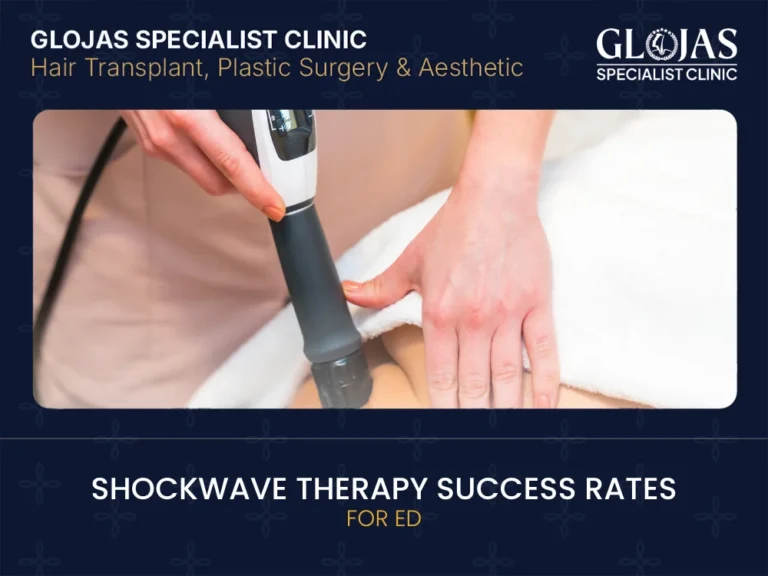
Shockwave Therapy Success Rates: What Do Studies Really Show?
When researching Shockwave Therapy Success Rates, most men want a clear answer: does it actually work for Erectile Dysfunction? The evidence so far is promising—but not one-size-fits-all. Success rates vary depending on the cause of ED, overall health, and treatment protocol. In this guide, we break down realistic expectations, clinical findings, and who is most likely to benefit.
What Is Shockwave Therapy for ED?
Shockwave therapy—also known as low-intensity extracorporeal shockwave therapy (Li-ESWT)—is a non-invasive treatment designed to improve penile blood flow.
Unlike medications such as Sildenafil or Tadalafil, which provide temporary support, shockwave therapy targets the underlying vascular issue.
How It Works
Shockwave therapy for Erectile Dysfunction (ED) is designed to address the root cause of the condition—most commonly poor blood flow—rather than simply masking symptoms. It uses advanced technology to trigger the body’s natural healing response, making it a regenerative treatment rather than a temporary aid.
Delivers Low-Intensity Acoustic Waves
The procedure uses low-intensity extracorporeal shockwave therapy (Li-ESWT), which delivers controlled acoustic waves directly to targeted areas of the penis. These sound waves are not electrical and do not cause pain or tissue damage when applied correctly.
Instead, they create micro-mechanical stress within the tissue. This gentle stimulation acts as a signal to the body that repair is needed, activating a cascade of biological responses. The treatment is typically performed in short sessions and does not require anesthesia or downtime.
Stimulates New Blood Vessel Formation (Angiogenesis)
One of the most important effects of shockwave therapy is the promotion of Angiogenesis—the formation of new blood vessels.
The acoustic waves trigger the release of growth factors such as:
- Vascular Endothelial Growth Factor (VEGF)
- Endothelial Nitric Oxide Synthase (eNOS)
These signaling molecules help repair damaged blood vessels and encourage the development of new microvascular networks. Over time, this improves the structural integrity of penile tissue and enhances its ability to support natural erections.
Enhances Circulation in Erectile Tissue
Healthy erectile function depends on strong and consistent blood flow. By repairing and regenerating blood vessels, shockwave therapy significantly improves circulation within the corpus cavernosum (erectile tissue of the penis).
Improved circulation leads to:
- Better oxygen delivery to tissues
- Increased responsiveness to sexual stimulation
- Stronger and more sustainable erections
This is especially beneficial for men with vasculogenic ED, where restricted blood flow is the primary issue.
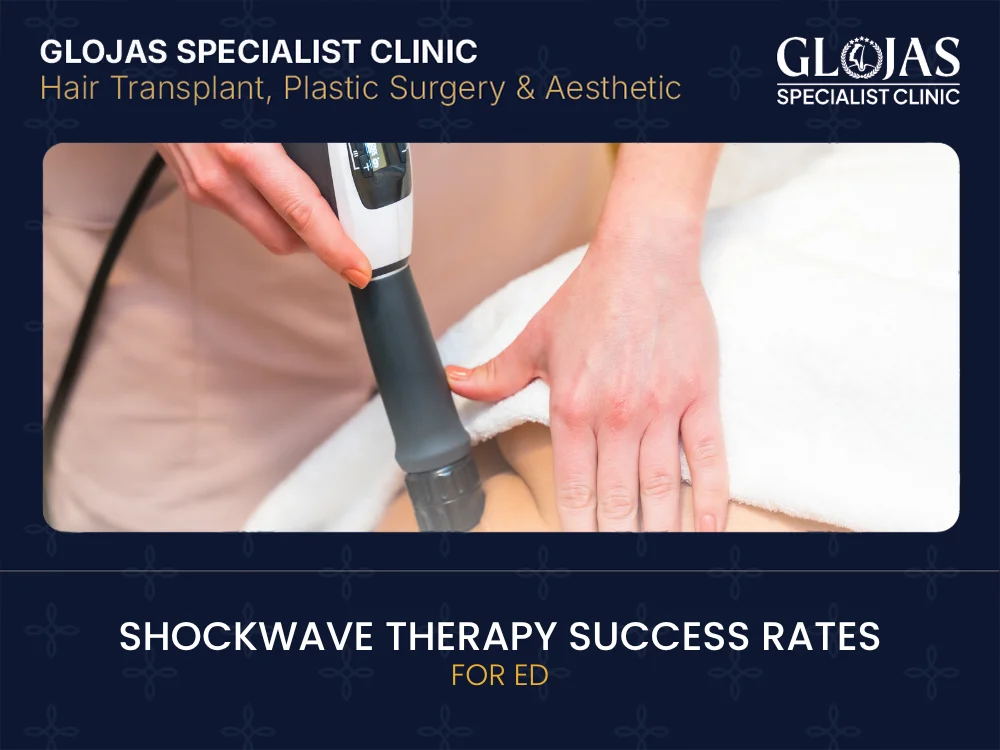
What Are the Average Shockwave Therapy Success Rates?
General Clinical Findings
Across multiple studies in Urology, shockwave therapy shows:
- 60%–80% improvement rate in men with mild to moderate ED
- Higher success in patients with vascular-related ED
- Lower response in severe or nerve-related cases
What “Success” Actually Means
Success doesn’t always mean a complete cure. It often includes:
- Improved erection quality
- Better response to medications
- Increased spontaneity
- Reduced dependence on pills
Factors That Affect Shockwave Therapy Success Rates
1. Underlying Cause of ED
The most important factor.
Best outcomes:
- Poor blood flow (vascular ED)
Lower Shockwave Therapy success rates:
- Severe nerve damage
- Post-surgical ED
- Advanced diabetes-related ED
2. Severity of the Condition
- Mild ED: Highest Shockwave Therapy success rates (up to 80%)
- Moderate ED: Moderate Shockwave Therapy Success Rates (60–70%)
- Severe ED: Lower Shockwave Therapy Success Rates (30–50%)
Early treatment generally leads to better results.
3. Age and Overall Health
Younger, healthier individuals tend to respond better.
Key influencing factors:
- Cardiovascular health
- Smoking status
- Obesity
- Exercise habits
4. Treatment Protocol
Not all shockwave therapy is the same.
Typical protocol:
- 2 sessions per week
- 3–6 weeks duration
- Total: 6–12 sessions
Clinics using optimized protocols often report better outcomes.
5. Technology and Provider Expertise
Success depends heavily on:
- Quality of the device
- Experience of the practitioner
- Proper patient selection
Choosing a reputable clinic matters more than price.
Clinical Evidence: What Research Says
Studies published in leading journals in Urology indicate:
- Significant improvement in erectile function scores
- Sustained benefits lasting 6–12 months or longer
- Minimal side effects
Some meta-analyses suggest that Li-ESWT can restore natural erectile function in selected patients—not just improve symptoms.
How Long Do Results Last?
One of the biggest advantages of shockwave therapy is durability.
Typical Duration of Results
- 6 to 12 months (common)
- Longer with maintenance sessions
Maintenance Therapy
Some patients benefit from:
- Booster sessions every 6–12 months
This helps maintain blood flow improvements over time.
Can Shockwave Therapy Replace ED Medications?
In some cases, yes—but not always.
Possible Outcomes:
- Full independence from medication (in responders)
- Lower dosage needed for drugs like Sildenafil
- Improved response to Tadalafil
This is especially true for men who previously had a partial response to medication.
Who Is the Best Candidate?
Shockwave therapy is not a one-size-fits-all solution, but it can be highly effective for the right group of patients—especially when the underlying cause of Erectile Dysfunction (ED) is related to blood flow rather than nerve damage or structural issues.
Ideal Candidates for Shockwave Therapy
Shockwave therapy tends to deliver the best outcomes for men who fall into the following categories:
1. Mild to Moderate ED
Men experiencing early or moderate stages of ED often respond more positively. At this stage, the blood vessels are typically still capable of repair and regeneration, which is exactly what shockwave therapy aims to stimulate.
2. Vascular-Related ED
This treatment is particularly effective for individuals with vasculogenic ED, where reduced blood flow to the penis is the primary issue. Shockwave therapy works by promoting angiogenesis (the formation of new blood vessels), helping restore natural erectile function over time.
3. Those Seeking a Non-Invasive Option
Patients who prefer to avoid medications, injections, or surgery often choose shockwave therapy because it is:
- Non-invasive
- Drug-free
- Requires no downtime
This makes it an appealing option for individuals looking for a more natural and low-risk approach.
4. Patients Wanting Long-Term Improvement
Unlike oral medications that provide temporary results, shockwave therapy focuses on improving the underlying cause of ED. This makes it ideal for men who want sustainable, long-term benefits rather than short-term symptom relief.
5. Partial Responders to ED Medications
Men who have tried medications like PDE5 inhibitors (e.g., sildenafil) but achieved only partial results may benefit from shockwave therapy as a complementary or alternative solution.
Less Ideal Candidates:
While shockwave therapy can be effective, it may not be suitable for everyone. Results tend to be less favorable in the following cases:
1. Severe ED
Men with advanced ED, especially where there is significant tissue damage or long-standing dysfunction, may not achieve optimal results with shockwave therapy alone.
2. Significant Nerve Damage
Conditions involving nerve injury—such as post-prostate surgery or neurological disorders—may limit the effectiveness of this treatment, as shockwave therapy primarily targets blood vessel health, not nerve repair.
3. Advanced Chronic Conditions
Patients with poorly controlled or advanced-stage conditions such as:
- Diabetes (with vascular and nerve complications)
- Severe cardiovascular disease
may experience reduced treatment response due to compromised healing capacity.
Why Medical Evaluation Matters
Before starting treatment, a proper clinical assessment is essential. A qualified medical professional will evaluate:
- The root cause of your ED
- Severity and duration
- Overall health and medical history
This ensures that shockwave therapy is both safe and appropriately matched to your condition, maximizing the chances of success while avoiding ineffective treatment.
How Does It Compare to Other Treatments?
Treatment | Success Type | Duration | Invasiveness |
Oral meds | Temporary | Short-term | Low |
Injections | Immediate | Short-term | Moderate |
Shockwave therapy | Regenerative | Long-term | Non-invasive |
Shockwave therapy stands out because it targets the root cause, not just the symptom.
Risks and Limitations
While generally safe, it’s important to stay realistic.
Limitations:
- Not effective for everyone
- Requires multiple sessions
- Results take time (not instant)
Safety Profile:
- No surgery
- No anesthesia
- Minimal discomfort
How to Improve Your Success Rate
To maximize outcomes:
Lifestyle Improvements
- Exercise regularly
- Maintain a healthy weight
- Quit smoking
- Manage stress
Combine Treatments
Some patients benefit from:
- Shockwave therapy + medication
- Lifestyle changes + therapy
Combination approaches often enhance results.
Future of Shockwave Therapy Success Rates
As research evolves in Urology:
- Protocols are becoming more refined
- Success rates may improve further
- Standardization will increase consistency
The field is rapidly advancing, making outcomes more predictable over time.
Key Takeaways
- Shockwave Therapy Success Rates range from 60% to 80% in suitable candidates
- Best results are seen in vascular ED
- Outcomes depend on health, severity, and provider quality
- It offers a long-term, non-invasive alternative to medication
- Not all patients will respond—but many experience meaningful improvement
FAQs: Shockwave Therapy Success Rates
1. What is the Shockwave Therapy Success Rates for ED?
Typically between 60% and 80% for mild to moderate cases.
2. Does it permanently cure ED?
Not always, but it can provide long-lasting improvement.
3. How quickly will I see Shockwave Therapy Success Rates results?
Some notice improvement within weeks, but full results take time.
4. Is it better than medication?
It depends—shockwave therapy targets the cause, while meds treat symptoms.
5. Can severe ED be treated with shockwave therapy?
Results are less predictable in severe cases.
6. Are the results guaranteed?
No treatment guarantees results, including shockwave therapy.
7. How long do results last?
Usually 6–12 months or longer with maintenance.
8. Is it safe?
Yes, when performed by trained professionals.
9. Can I combine it with medication?
Yes, and this often improves outcomes.
10. Do I need repeat treatments?
Some patients benefit from periodic maintenance sessions.