
Why Stubborn Fat Doesn’t Go Away: Understanding Fat Cell Biology
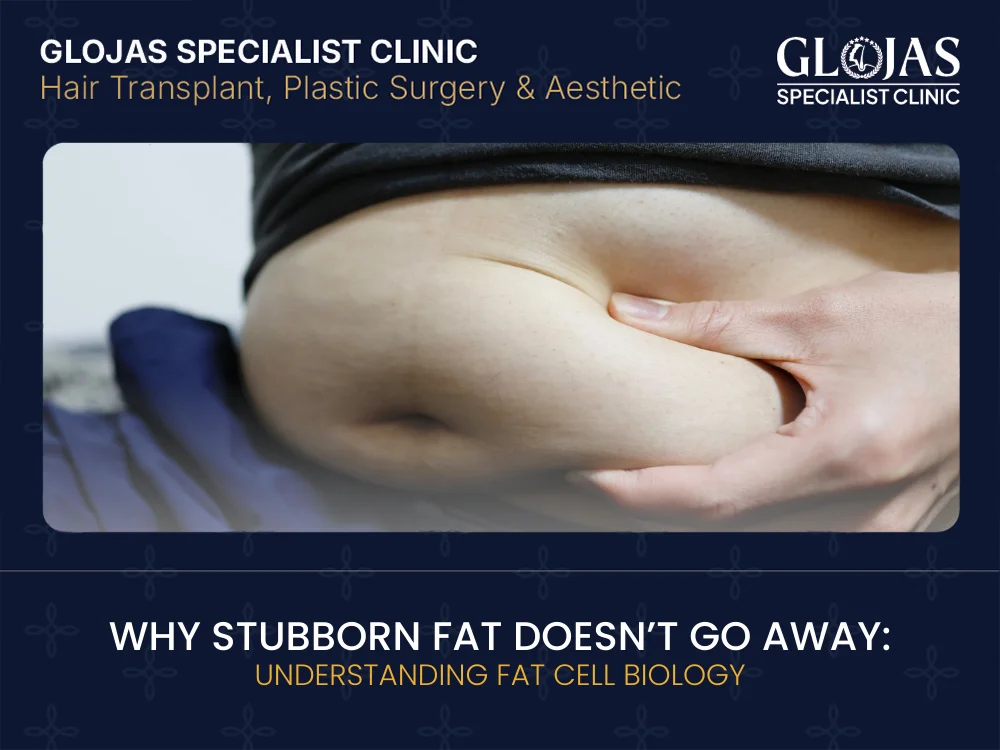
Understanding Fat Cells: The Science Behind Stubborn Fat Fat isn’t just something that sits beneath the skin. It’s part of a complex, active system that influences metabolism, hormones, energy storage, inflammation, and overall health. The biology of fat cells (also called adipocytes) plays a much bigger role in your body shape than most people realize. Below, we explore how these cells develop, why they resist shrinking, and what makes some pockets of fat appear more “stubborn” than others. What Exactly Is a Fat Cell? Also known as an adipocyte—is a specialized cell whose main job is to store and manage energy. What makes fat cells unique is their ability to expand or shrink depending on your body’s energy needs: When you consume more calories than you burn → fat cells fill up and grow When your body uses stored energy → fat cells shrink Even though their size changes, the number of fat cells usually stays the same after adolescence, which is why fat distribution tends to remain consistent throughout life unless treatments like liposuction reduce the actual cell count. These cells come in different types: 1. White Cells These are the most abundant fat cells in the body. Their functions include: Energy storage — white fat acts as the body’s long-term “fuel tank” Hormone regulation — they release important hormones that influence: hunger and appetite metabolism insulin sensitivity Insulation and cushioning — protecting organs and maintaining body temperature White cells are the main contributors to stubborn areas like the abdomen, thighs, and arms. 2. Brown Cells Brown fat is much more metabolically active than white fat. It: Burns energy to produce heat Helps regulate body temperature Is most abundant in newborns, and decreases significantly with age Adults still have small pockets of brown fat, typically around the neck and upper back. 3. Beige Cells Beige cells are a unique hybrid: They originate from white fat Under certain conditions—such as cold exposure, exercise, or certain hormones—they behave like brown fat and start burning energy Their ability to “switch modes” makes them a topic of interest in metabolic research. How Fat Form & Grow Most people assume the body constantly creates new cells, but that’s not usually the case. In reality, adults keep nearly the same number of fat cells throughout life—the difference lies in how big those cells become. This process is known as hypertrophy, which means “cells growing in size.” Key points to understand: • The number of fat cells is mostly set by adolescenceDuring childhood and teenage years, the body may create additional cells as it grows. Once someone reaches adulthood, the total count tends to stay stable. • Overeating makes existing fat cells expandWhen you consume more energy than the body uses, that excess gets stored inside current cells, causing them to swell rather than multiply. • Fat cells rarely disappear on their ownEven with weight loss, those cells don’t vanish. Instead, they simply shrink as the stored fat is used for energy. • After weight loss, fat cells remain in the bodyBecause the cells are still present—just smaller—they can refill if old habits return. This is why certain areas may regain fullness quickly. Understanding how cells behave helps explain why long-term results rely on maintaining healthy lifestyle habits, even after procedures like liposuction or major weight loss. Why Some Fat Becomes “Stubborn” Stubborn fat typically appears in the abdomen, thighs, hips, love handles, and under the chin. But why? 1. Hormonal Receptors Differ by Body Area These cells have two types of receptors: Alpha-2 receptors (slow fat release) Beta-2 receptors (fast fat release) Areas with more alpha-2 receptors hold onto fat more tightly. These areas resist shrinking—even when in calorie deficit. This is why genetics heavily influence your body shape and where you store fat. 2. Blood Flow Is Lower in Stubborn Fat Areas Lower blood flow = reduced access to fat-burning hormones.This means fat in these regions responds poorly to exercise and dieting. 3. Gender Plays a Role Men and women have different fat distribution patterns due to hormonal differences. Women: more stubborn fat in hips, thighs, lower abdomen Men: more stubborn fat in the abdomen and flanks This isn’t a flaw—it’s evolutionary biology. 4. Fat Cells Shrink, but They Don’t Disappear Even with weight loss, stubborn fat areas shrink last. And when you regain weight, these same areas fill up first—because the fat cell count in those regions is higher. Why Stubborn Fat Doesn’t Always Respond to Diet & Exercise It’s important to understand: Exercise burns overall fat—not targeted fat You cannot “spot reduce” fat through workouts Genetics dictate which areas shrink first and last This explains why even the fittest individuals can still struggle with localized stubborn fat pockets. The Role of Liposuction in Fat Cell Reduction Liposuction stands out from regular weight-loss methods because it physically removes fat cells from the body. While dieting and exercise make fat cells shrink, liposuction actually reduces the number of fat cells in a specific area. How Liposuction Works With Fat Cell Biology • It permanently reduces fat cell count in targeted areasDuring liposuction, a specialist gently removes fat cells from specific regions. Once removed, those cells do not grow back. • Fewer fat cells = less ability to store fat in that areaBecause the remaining fat cells are limited, that area is less likely to enlarge compared to untreated parts of the body. • Body shape stays more balanced even with small weight changesIf your weight fluctuates later on, the areas treated with liposuction will tend to stay more sculpted because they simply have fewer cells able to store fat. • Results last as long as weight stays relatively stableMaintaining a healthy lifestyle helps preserve the improved contours. While treated areas resist future enlargement, untreated areas can still change with weight gain. Liposuction is not a method for losing weight. Instead, it’s a body-contouring procedure meant to improve shape by addressing stubborn fat that doesn’t respond to diet and exercise. It works best when
Understanding Breast Anatomy: What Affects Shape, Volume & Symmetry
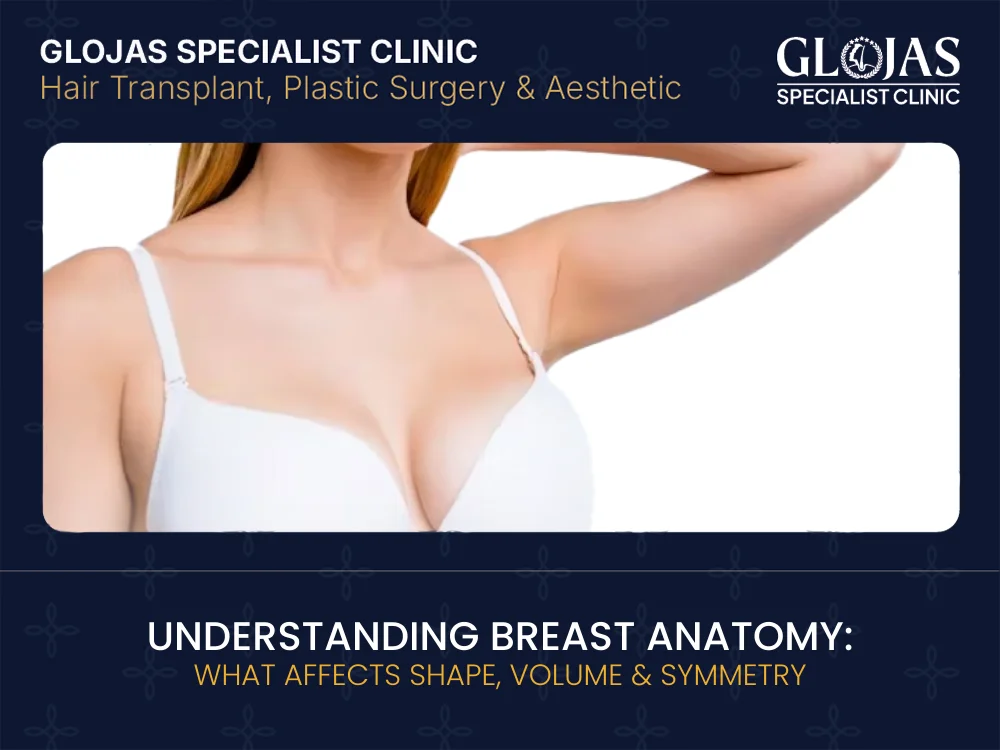
Why Breast Anatomy Matters in Aesthetic & Medical Decisions Understanding breast anatomy is essential before considering any breast enhancement or corrective procedure. Because breast anatomy affects shape, volume, and symmetry, knowing these factors helps set realistic expectations and ensures safer decision-making. This guide breaks down the key components that influence appearance and how specialists evaluate them. The Foundations of Breast Anatomy “Breast anatomy” refers to the structures that make up the breast: skin, fat, ligaments, glands, and surrounding muscles. These elements interact to create each person’s unique breast characteristics. Breast shape is not just about size — it’s influenced by genetics, lifestyle, hormones, and natural development. This is why two people with the same volume may have very different contour, projection, or fullness. Major Components That Influence Breast Shape 1. Skin Quality and Elasticity The skin provides coverage and support. Its elasticity affects: How lifted or saggy the breast appears The ability to hold shape How the breast responds to changes in weight or hormonal fluctuations Younger individuals generally have firmer, more elastic skin, while aging or pregnancy can reduce elasticity. 2. Fatty Tissue (Adipose Tissue) Fat contributes significantly to breast volume. Depending on body composition, some individuals naturally store more fat in the breast area. This affects: Softness Fullness Overall size Because fat varies with weight changes, breast size may fluctuate over time. 3. Glandular Tissue The glandular (milk-producing) tissue affects the internal structure and firmness of the breast. A higher proportion of glandular tissue gives a denser feel, while more fatty tissue gives a softer feel. This tissue changes with: Hormonal shifts Pregnancy Breastfeeding Age These shifts explain why breast shape is not constant throughout life. 4. Cooper’s Ligaments These are delicate connective tissues that help support the breast and maintain shape. When these ligaments stretch — often due to gravity, age, or weight fluctuations — the breast may appear less lifted. This contributes to natural variations in position and contour. 5. Chest Wall & Muscle Structure The pectoral muscles underneath the breast also influence shape and projection. Differences in ribcage width, muscle development, and posture all play roles in how the breasts sit on the chest. This is a key factor in pre-surgical assessments for shaping or augmentation. Factors That Influence Breast Volume 1. Genetics Genetics largely determine baseline breast size and tissue distribution. These hereditary traits influence: Overall breast volume Fat distribution Ligament strength Skin elasticity Family patterns often repeat across generations. 2. Hormone Levels Hormones strongly affect breast size and density. Estrogen, progesterone, and other hormones influence: Growth during puberty Changes during menstrual cycles Modifications during pregnancy Post-menopausal shrinking Hormonal changes explain natural fluctuations many people notice throughout different life stages. 3. Body Weight Since breasts contain fatty tissue, changes in body weight directly affect volume. Weight gain may increase size and fullness, while weight loss often reduces volume. Understanding Breast Symmetry Breast symmetry refers to how similar the breasts are in size, shape, and position. It’s important to know that perfect symmetry doesn’t exist — almost everyone has some level of natural difference between their breasts. In most cases, this variation is completely normal and harmless. Concerns usually arise only when the asymmetry becomes more noticeable or begins affecting a person’s comfort, posture, or confidence. For some, it may also influence clothing fit or physical activity. Several factors can contribute to differences between the breasts, including: Natural development variations: Each breast may grow at a slightly different pace during puberty. Rib cage structure: The underlying bone shape can create the appearance of imbalance even when the breast tissue is normal. Hormonal changes: Pregnancy, menstrual cycles, and certain medications can temporarily alter breast size. Previous injury or surgery: Trauma or past procedures can impact tissue growth and positioning. Genetics: Many patterns of asymmetry are inherited. Weight fluctuations: Changes in body fat can affect each breast differently. During consultations, specialists carefully assess these factors to understand the root cause. This evaluation helps them design a personalised aesthetic or corrective treatment plan that enhances symmetry while maintaining natural proportions. Breast Anatomy & Aesthetic Procedures: Why They Are Connected Understanding breast anatomy is essential for anyone considering augmentation, reduction, lifting, or corrective procedures. The structure of the breast — including the skin, tissue, gland density, and chest wall shape — directly influences every stage of treatment planning and outcome. A clear understanding of anatomy helps determine: • What results are realistically achievable Every person has different tissue characteristics, skin elasticity, and natural proportions. These factors affect how much enhancement or reshaping is possible while still looking harmonious and natural. • The safest techniques Some techniques are better suited for certain body types or tissue profiles. For example, individuals with thinner tissue may require specific implant types or placement methods to ensure safety and avoid long-term issues. • The most natural-looking outcome Working with your existing anatomy allows specialists to enhance your shape without creating an artificial or imbalanced look. This includes selecting the right volume, contour, or reshaping method. • The best implant placement (if implants are used) Anatomy guides whether implants should be placed above or below the muscle, what shape or profile is appropriate, and how to avoid visible edges or rippling. • Whether non-implant options are suitable For some individuals, fat grafting, lifts, or tissue reshaping may achieve the desired results without implants. This depends largely on tissue quality, breast footprint, and skin support. Additionally, breast anatomy influences how the breasts will age over time. Skin elasticity, gland distribution, and natural breast position all affect how the breasts change with weight fluctuations, pregnancy, and aging. Understanding this helps set long-term expectations and guides decisions for more stable, lasting results. How Specialists Determine the Best Approach Choosing the right aesthetic or corrective treatment isn’t a one-size-fits-all process. A certified aesthetic specialist evaluates multiple anatomical and personal factors to create a plan that is safe, natural-looking, and aligned with the patient’s goals. Below are the key elements they assess: 1. Skin envelope The “skin envelope” refers
Liposuction Candidate Guide: BMI, Medical Needs & Who Should Avoid
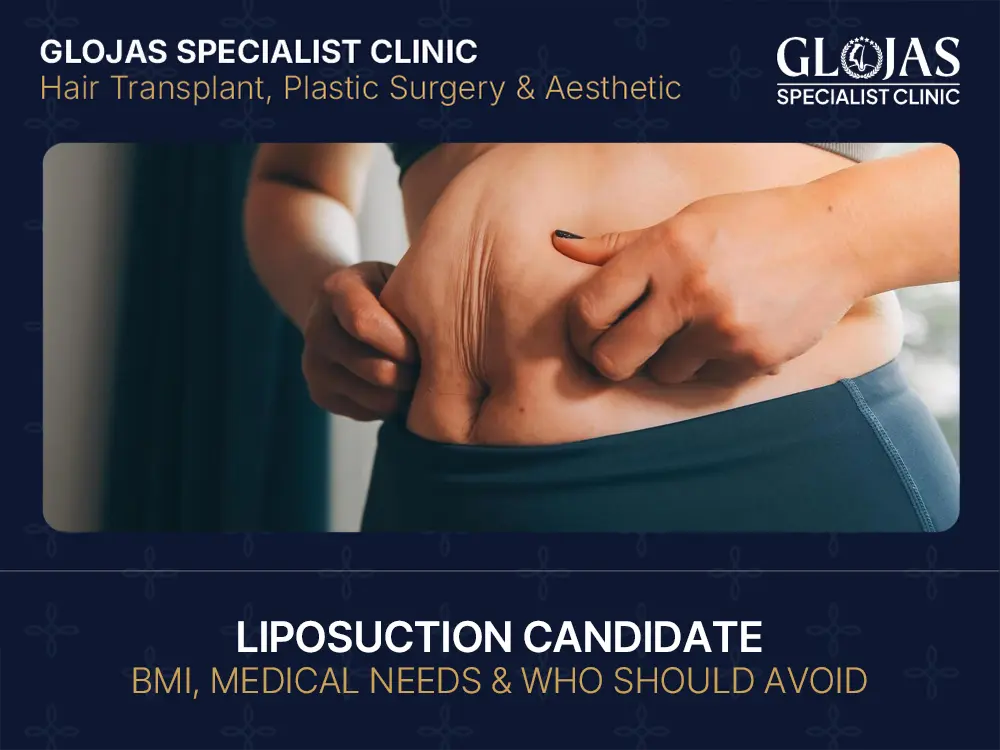
Are You Fit to Be a Liposuction Candidate in Malaysia? Liposuction targets stubborn, localized fat that doesn’t respond well to diet or exercise, helping refine body contours and improve proportions. It is not designed for weight loss or obesity treatment, and it cannot replace healthy lifestyle habits. The procedure works best for individuals already near their ideal weight who want to enhance specific areas. At GLOJAS Specialist Clinic, every patient undergoes a thorough, medically guided assessment to confirm whether liposuction is appropriate and safe. Our team of experienced, credentialed specialists evaluates BMI, overall health, and individual risk factors, prioritizing evidence-based care and patient safety. Only candidates who meet clinical standards proceed with treatment. Ideal Candidate Profile BMI Guidelines While each case is individualized, many board-certified plastic surgeons follow these general BMI criteria: BMI under 25: Ideal candidates with the lowest surgical risk and most predictable contouring results. BMI 25–29.9: Still suitable for liposuction if health is stable and weight is consistent. BMI 30–34.9: Considered on a case-by-case basis due to higher anesthesia and postoperative risks. BMI 35 and above: Usually not recommended because complication risks increase significantly, and non-surgical or medical weight-loss options may be safer. Health and Physical Requirements A strong candidate typically has: Stable weight for 3–6 months Overall good health without uncontrolled medical conditions Skin with enough elasticity to retract smoothly after fat removal Localized fat deposits rather than widespread excess fat No nicotine use (or ability to stop for 4 weeks before and after surgery) Lifestyle and Behavioral Readiness Candidates who benefit most from liposuction: Maintain balanced eating habits Engage in regular physical activity Can follow pre- and postoperative instructions Understand that liposuction sculpts the body rather than lowers body weight Medical Requirements Before Liposuction 1. Comprehensive Medical Evaluation Before surgery, your surgeon will review: Full medical and surgical history BMI and body-fat distribution Vital signs and cardiovascular health Current medications and allergies 2. Laboratory Testing Common pre-op tests include: CBC: blood counts CMP: kidney and liver function Coagulation tests: bleeding/clotting profile Pregnancy test: when appropriate 3. Medication and Supplement Adjustments Certain medications and supplements may increase bleeding risk. Patients are often advised to pause: Blood thinners (e.g., warfarin, apixaban) NSAIDs High-dose vitamin E Herbal supplements such as ginkgo, ginseng, or St. John’s wort 4. Smoking and Nicotine Restrictions Nicotine affects circulation and healing. Complete cessation for at least 4 weeks before and after surgery is recommended to reduce complications. Who Should Avoid Liposuction High BMI or Obesity Liposuction is not intended for individuals with: BMI 35 or higher: strongly discouraged BMI 40 or higher: typically contraindicated Higher BMI increases risks such as poor healing, anesthesia complications, and disappointing cosmetic outcomes. Certain Medical Conditions Liposuction may not be safe if you have: Uncontrolled diabetes Significant heart or lung disease Bleeding or clotting disorders Compromised immune function Severe vein disease or circulation problems Active Infections or Skin Issues Any infection or inflammation in the treatment area must be resolved before surgery. Unrealistic Cosmetic Expectations Liposuction is not suitable for patients expecting it to: Replace weight-loss programs Remove very large fat volumes safely Tighten loose skin without additional procedures Pregnancy or Postpartum Period Liposuction is not performed during pregnancy. New mothers are usually advised to wait 6–12 months to allow hormones and weight to stabilize. Risks and Safety Considerations Although liposuction is generally safe, especially in healthy candidates, possible complications include: Fluid buildup (seroma) Uneven fat removal or contour irregularities Infection Anesthesia-related issues Blood clots Asymmetry Selecting a qualified, board-certified plastic surgeon and following proper pre- and postoperative guidelines significantly reduces these risks. Expected Results and Limitations What Liposuction Can Improve Overall body contour and shape Waistline definition Balance between abdomen, flanks, thighs, arms, or chin Fit and comfort of clothing What Liposuction Cannot Do Treat obesity Replace medical weight-loss or bariatric surgery Remove stretch marks Correct significant skin laxity (skin tightening may be required) Alternatives for Non-Candidates For those who are not suitable for liposuction, effective alternatives include: Medically supervised weight-management programs Nutrition and lifestyle coaching Prescription weight-loss medications (e.g., GLP-1 therapy like ozempic malaysia or mounjaro malaysia) Non-invasive fat reduction (CoolSculpting®, radiofrequency) Bariatric surgery for patients with severe obesity FAQs What is the safest BMI for liposuction? A BMI below 30 generally offers the safest conditions and most predictable outcomes. Can I get liposuction if I’m overweight but not obese? Yes. Many patients with a BMI 25–29.9 are suitable if their health is stable and they have localized pockets of fat. How much fat can safely be removed? Most surgeons limit removal to up to 5 liters per session to minimize risk. Does liposuction help with weight loss? No. It reshapes the body, and any weight change is usually minimal. Can liposuction remove visceral fat? No. Liposuction targets subcutaneous fat only. Visceral fat requires lifestyle changes or medical weight-management. Is liposuction safe for diabetics? Possibly—only if diabetes is well controlled. Poor control increases infection and healing risks. How long after childbirth can I have liposuction? Most surgeons recommend waiting 6–12 months until weight and hormones stabilize.
Breast Fillers vs Breast Augmentation: What You Need to Know In 2026
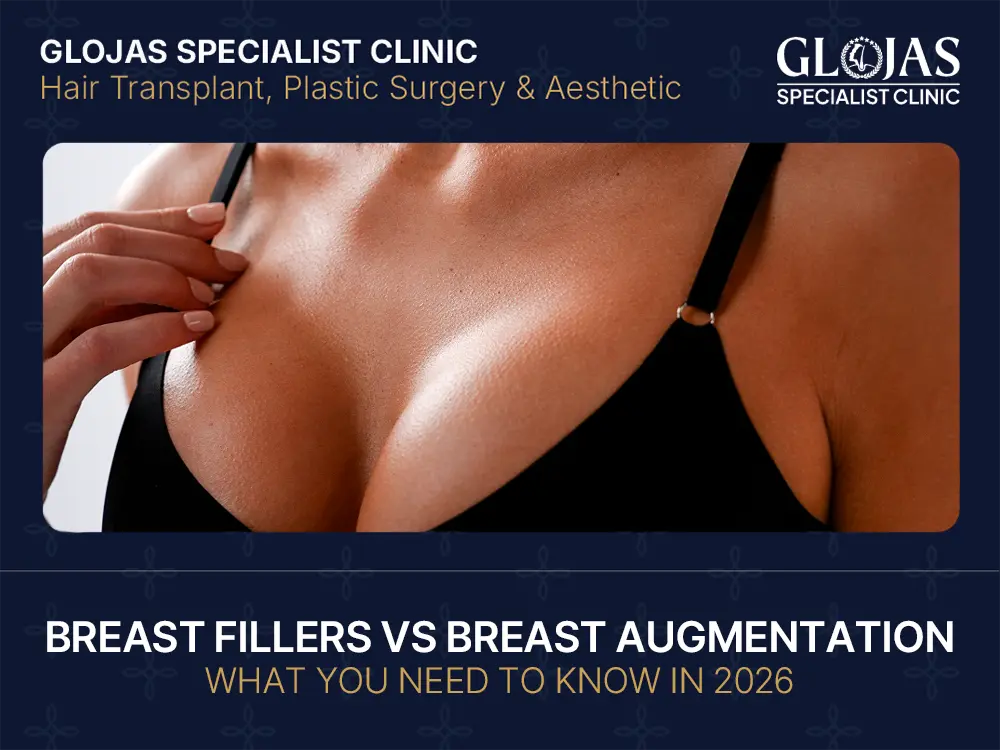
Breast fillers are non-surgical injections that provide subtle, temporary volume, whereas breast augmentation is a surgical procedure using implants or fat transfer for long-lasting breast enhancement. Fillers are best for mild improvements, while augmentation offers predictable, durable results. Understanding safety, longevity, and suitability can help you make an informed decision. The Right Comparison: Breast Fillers vs Breast Augmentation Over the years, breast enhancement has grown in popularity, but the two most requested treatments remain breast fillers and breast augmentation. While both aim to improve size and shape, they differ in technique, safety, results, and recovery. Choosing the right option requires accurate, evidence-based information—not just marketing claims. This guide breaks down both options in clear, patient-friendly language and highlights critical considerations often missing in online resources. 1. Breast Fillers (Non-Surgical Enhancement) Breast fillers involve injecting hyaluronic acid (HA) or autologous fat into the breast to provide mild volume and contouring. They appeal to patients seeking non-surgical enhancement, but their use in breast tissue requires caution due to safety and diagnostic considerations. How Breast Fillers Work HA gel or processed fat is gently injected into the breast tissue Adds subtle volume and contour enhancement Procedure takes 30–60 minutes Local anaesthesia or numbing cream is usually applied Benefits of Breast Fillers Non-surgical, no incisions No general anaesthesia required No implants involved Minimal downtime and no visible scars Limitations & Safety Considerations Breast fillers have important clinical limitations often underemphasized online: Volume increase is limited (usually <1 cup size) Temporary effects: HA lasts 6–12 months; fat may last 1–2 years with variable retention Repeat treatments increase long-term cost Can interfere with mammograms and ultrasound imaging Risk of lumps, nodules, calcifications, or filler migration May complicate future breast surgery or cancer screening For these reasons, many board-certified surgeons, including those at GLOJAS Specialist Clinic, recommend fillers only for select patients who understand these limitations. 2. Breast Augmentation (Surgical Enhancement) Breast augmentation, also called augmentation mammoplasty, is a surgical approach using implants or fat transfer to increase breast size and improve shape. It remains the gold standard for predictable, long-lasting enhancement. A. Implant-Based Augmentation Breast implants are FDA-approved medical devices with several types available: Silicone Gel Implants: Soft, natural feel with minimal rippling Saline Implants: Filled after placement; rupture is easily detectable Highly Cohesive “Gummy Bear” Implants: Form-stable, maintain shape, reduced leakage risk Incision Options: Inframammary (under the breast, most predictable) Periareolar (around the nipple) Transaxillary (through the armpit, endoscopic) Implant Placement: Submuscular (under the chest muscle) Subglandular (above the muscle) Dual-plane (combines both, common for natural contour) B. Fat Transfer Augmentation This method uses your own body fat from areas like the abdomen, hips, or thighs. Advantages: Feels soft and natural Adds the bonus of body contouring No synthetic implants needed Limitations: Best for small to moderate size increases Requires sufficient donor fat Approximately 40–60% of transferred fat survives permanently 3. Comparing Fillers and Augmentation Feature Breast Fillers Breast Augmentation Volume & Shape Mild, subtle, temporary Moderate to large, precise, long-lasting Durability 6–18 months (HA), up to 2 years (fat) 10–20+ years (implants), permanent with fat transfer Cost Over Time Higher due to repeated sessions More cost-effective long-term Safety Higher risk of lumps, imaging interference Predictable surgical risk profile Recovery Minimal downtime 1–2 weeks reduced activity Suitability Subtle change Meaningful, reliable enhancement 4. Breast Lift vs Breast Augmentation Many patients confuse breast lifts and augmentation. Here’s the difference: Breast Lift (Mastopexy): Corrects sagging or drooping and repositions nipples; does not add volume. Breast Augmentation: Increases size and projection, restoring fullness. When a lift is needed: Nipples point downward Breast tissue sits below the crease Significant postpartum or weight-related sagging Often, combining a lift + augmentation provides the most natural and aesthetically pleasing results, a technique regularly performed by GLOJAS Specialist Clinic surgeons. 5. Choosing a Facility: Medical Centre vs Clinic The environment for breast procedures matters just as much as the procedure itself. Medical Centres (e.g., GLOJAS Specialist Clinic) Full surgical suites and hospital-grade sterilisation On-site anaesthesiologists and emergency support Multidisciplinary teams for complex cases Aesthetic Clinics Suitable for non-surgical treatments Smaller teams and limited resources Not ideal for procedures requiring general anaesthesia or advanced monitoring Why a medical centre is preferred for surgery: Highest safety protocols Experienced surgical teams Better management of complex anatomy or revisions For implant or fat-transfer procedures, a licensed medical centre is the safest choice. 6. Which Option is Right for You? Choose Breast Fillers if: You want mild, temporary enhancement You prefer a non-surgical approach You accept repeat treatments and limitations Choose Breast Augmentation if: You want predictable, long-lasting results You seek significant size or shape improvement You prefer medically regulated treatment You want the most cost-effective approach over time At GLOJAS Specialist Clinic, augmentation is generally recommended for patients seeking stable, meaningful breast enhancement. FAQ: Breast Fillers vs Breast Augmentation 1. Are fillers safe?Yes, when performed by trained clinicians, but risks include migration, lumps, and imaging interference. 2. Can fillers affect mammograms?Yes. Fillers can obscure imaging, potentially complicating cancer screening. 3. How long do fillers last?HA lasts 6–12 months; fat injections last 1–2 years. 4. Are implants permanent?Implants can last 10–20+ years but may need replacement if complications arise. 5. Does fat transfer last longer than fillers?Yes. Stabilized fat is permanent, though not all injected fat survives. 6. Which has shorter downtime?Breast fillers have minimal downtime; augmentation requires 1–2 weeks. 7. Which looks most natural?Fat transfer provides the softest, most natural result, followed by silicone implants.
Male Hormones & Chest Fat: What Causes Gland Enlargement?
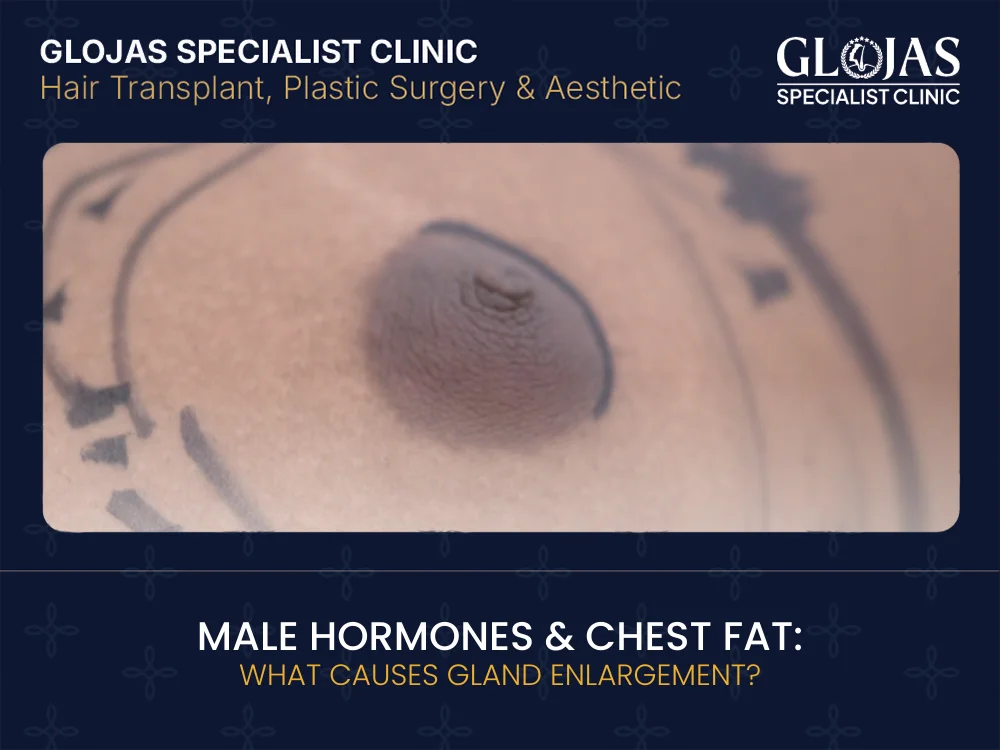
Understanding Gland Enlargement in Men Gland enlargement refers to abnormal swelling of glands due to inflammation, infection, or hormonal imbalances. Common types include thyroid enlargement (goiter), lymph node swelling, and prostate enlargement (BPH). Symptoms vary by location. Diagnosis involves ultrasound, blood tests, or biopsy to determine underlying causes and appropriate treatment. Male gland enlargement—often linked to gynecomastia—happens when the breast tissue beneath the nipple becomes thicker or more active. This isn’t the same as excess chest fat (pseudogynecomastia), which is softer and usually related to weight gain. Gland enlargement typically feels firmer or more rubbery, and it may affect one or both sides of the chest. Why Gland Enlargement Happens The male chest is made up of two main components: glandular tissue and fat tissue. Glandular tissue is firm and structured, while fat is softer and changes with overall body weight. Gland enlargement occurs when the glandular tissue grows more than it should, causing the chest to look fuller, rounder, or slightly swollen. This enlargement is not the same as regular chest fat. Instead, it usually happens when the body’s hormone balance shifts—especially when estrogen becomes relatively higher than testosterone. Even small hormonal changes can trigger gland growth. Although it often starts during puberty (when hormone levels naturally fluctuate), gland enlargement can also happen at any age. 1. Hormonal Imbalances: The Core Trigger Hormones play the biggest role in gland enlargement. Men naturally produce both testosterone and estrogen, but when the balance shifts—especially if estrogen becomes dominant—gland tissue may grow. Triggers include: Puberty (temporary hormone surges) Aging (decline in testosterone levels) Stress-related hormonal fluctuations Obesity-related estrogen increases This hormonal link is why many men search for:“hormones and chest gland growth” — a highly relevant internal link anchor for educational content. Correcting hormonal imbalance often helps, but long-term enlargement usually requires medical attention. 2. Puberty: The Most Common Cause Up to 70% of boys experience temporary gland enlargement during puberty. This usually resolves naturally within months or a few years. However, when it persists into adulthood, it may become fibrous and harder to reverse without medical treatment. Signs during puberty include: Tender nipple area Firm gland behind the areola Mild swelling or puffiness This early stage is highly responsive to treatment if caught soon. 3. Weight Gain and Chest Fat Storage Not all chest enlargement is gland-related. Fat accumulation can mimic gland enlargement, but the texture is different—fat is soft, while gland tissue is firm. Obesity increases estrogen levels, which can cause both: Fat deposition True gland enlargement This combination creates what many describe as “man boobs,” which is one reason weight management alone may not fully resolve the issue. Internal link suggestion:“causes of male breast enlargement.” 4. Medications That Influence Hormones Several prescription and over-the-counter medications may trigger gland enlargement by altering hormone levels. Common ones include: Anabolic steroids Anti-androgens Certain antidepressants Heart medications Anti-ulcer drugs Some antibiotics Stopping or adjusting medication must always be guided by a doctor. Never discontinue a medication abruptly without medical advice. 5. Lifestyle Factors That Affect Hormone Levels Lifestyle doesn’t directly create gland enlargement, but it influences hormones significantly. Risk factors include: Heavy alcohol use Recreational substances Lack of sleep High stress Poor diet Sedentary habits These factors may reduce testosterone or increase estrogen, making gland enlargement more likely—especially if you’re already predisposed. 6. The Role of Body Fat in Hormonal Conversion Fat tissue contains an enzyme called aromatase, which converts testosterone into estrogen. Higher body fat = more aromatase activity = more estrogen. This explains: Why men with higher BMI face increased risk Why chest fat often coexists with gland enlargement Why weight loss alone may shrink fat but not gland tissue Once the gland becomes fibrotic, only surgical intervention can remove the hardened tissue. 7. Underlying Medical Conditions Though less common, medical conditions can be the root cause. Examples include: Thyroid disorders Testicular problems Liver disease Kidney failure Pituitary abnormalities These conditions affect hormone production, metabolism, or clearance, contributing to gland enlargement. Any unexplained or rapidly growing chest swelling warrants a medical evaluation. 8. Understanding the Difference: Fat vs Gland Many men misjudge the cause of their chest enlargement. Here’s how gland tissue typically feels: Firm or rubbery Located directly under the nipple May feel sensitive or tender Has a disc-like shape Chest fat, on the other hand: Feels soft Spreads evenly Changes with weight gain or loss A proper clinical assessment is needed to determine which type you have—or if it’s a combination of both. 9. When Gland Enlargement Becomes Permanent If the enlargement remains for more than a year, especially after puberty, the gland tissue may turn fibrous. Once this happens, it becomes difficult to reverse naturally. At this stage, the most effective option is: Gynecomastia surgery A procedure that removes gland tissue, often combined with fat contouring to reshape the chest. This approach restores a flatter, firmer chest and addresses both gland enlargement and surrounding fat. 10. Emotional and Psychological Impact Though gland enlargement is not dangerous to physical health, it may significantly affect: Confidence Posture Clothing choices Social situations Intimacy Self-esteem Many girls and women face similar issues with hormones, but for men, chest enlargement can feel particularly distressing. Treatment isn’t only about appearance—it’s about comfort and restoring confidence. When Should You Seek Treatment? You should consider seeing a specialist if you notice any of the following: The enlargement has lasted more than a year — long-standing changes may indicate true glandular gynecomastia rather than temporary swelling. The chest feels firm or glandular — a hard or rubbery texture often suggests enlarged breast tissue, not just fat. You experience discomfort — tenderness, sensitivity, or tightness can signal underlying tissue changes. It affects your confidence or daily life — if the appearance of your chest makes you feel self-conscious, avoid certain clothes, or impacts activities, professional support can help. Weight loss does not improve the appearance — persistent fullness despite lifestyle changes may mean there is glandular tissue that won’t shrink on its own. A proper medical evaluation can identify whether the enlargement is due to hormones, medication, fat accumulation, or
Small Breasts: Causes, Impact, and What You Can Do In Malaysia
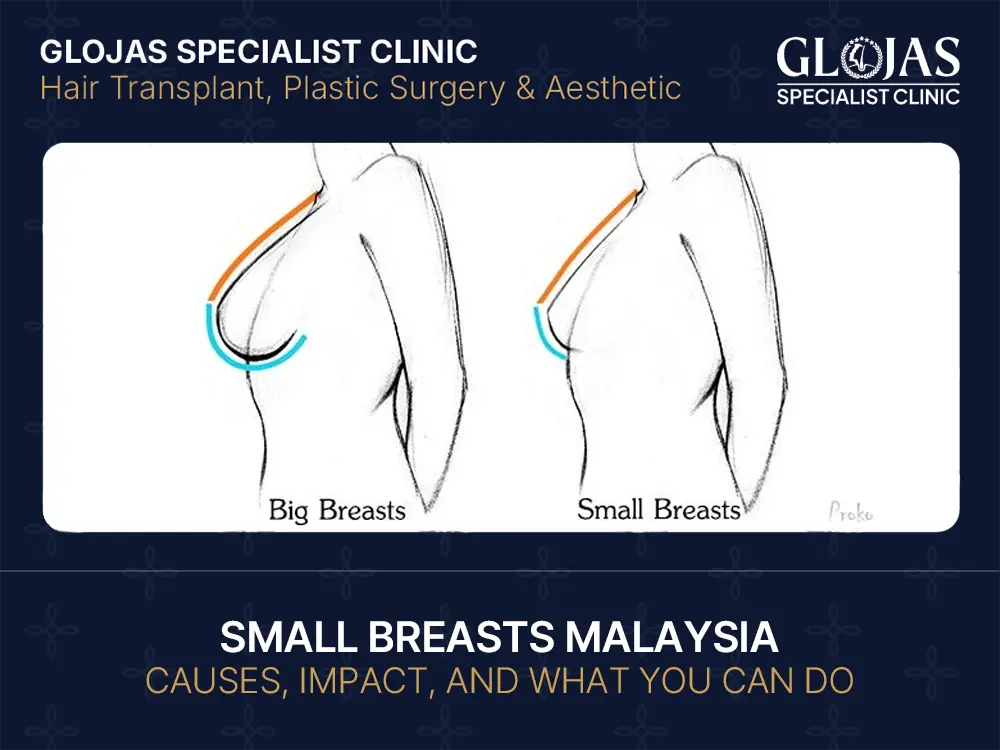
Breast size varies widely among women, and having small breasts is a natural variation. While some women embrace their small breasts, others may feel self-conscious or explore ways to enhance their appearance. Understanding the causes, effects, and available options can help women feel informed and confident about their bodies. What Are Small Breasts? Small breasts, medically referred to as hypomastia, describe breasts that are smaller in proportion to a woman’s body. This can range from slightly smaller than average to underdeveloped breasts that appear flat. Breast size is influenced by a combination of genetics, hormones, lifestyle, and overall body composition. It is important to recognize that breast size alone does not define beauty or femininity. Women with small breasts are healthy and normal, and variations in breast size are common worldwide. How to Determine If You Have Small Breasts There is no strict medical cutoff for “small breasts,” as size is subjective and varies based on body frame, age, and personal perception. In many countries, bra band sizes range widely (e.g., 26–64 in the UK), with cup sizes from AA to M. Factors such as ethnicity, BMI, and age all influence what is considered small. Women who feel their breasts are proportionally smaller than average or underdeveloped may identify with having small breasts, but this does not imply any health issue. Factors That Influence Small Breasts Size 1. Genetics Genetics is one of the most significant determinants of breast size. Women whose close relatives have small breasts are more likely to have small breasts themselves. This is due to inherited differences in glandular tissue, fat distribution, and overall breast volume. 2. Hormonal Levels Hormones, particularly estrogen and progesterone, are essential for breast development. Low hormone levels during puberty can lead to underdeveloped breasts. Conditions like polycystic ovary syndrome (PCOS) or other hormonal imbalances can also influence breast size. 3. Body Composition Breasts are largely composed of fatty tissue. Women with lower body fat percentages may naturally have smaller breasts. Similarly, significant weight loss can reduce breast size, while weight gain may increase it, depending on individual body composition. 4. Age and Life Stages Breast size changes across life stages. During puberty, breasts develop under hormonal influence. Pregnancy and breastfeeding can increase breast volume temporarily, and menopause may lead to size reduction due to hormonal changes. 5. Diet and Nutrition Nutrition during developmental years plays a role in overall growth, including breast development. Poor nutrition can limit development, whereas a balanced diet rich in essential nutrients supports healthy growth. Psychological and Social Impacts of Small Breast Breast size can influence a woman’s body image and self-esteem. Some common psychological and social impacts include: Self-consciousness in social or intimate settings Comparison to societal ideals, often influenced by media Pressure to conform to perceived standards of beauty It is essential to understand that confidence and attractiveness are not determined by breast size, and many women with small breasts embrace and celebrate their natural bodies. Non-Surgical Approaches to Enhancing Small Breasts Women who wish to improve the appearance of small breasts without surgery can consider several options: 1. Padded or Push-Up Bras Specialty bras can enhance the appearance of small breasts instantly. Padded bras, push-up bras, and silicone inserts create the illusion of fuller breasts and can improve overall body proportion. 2. Exercise Strengthening the pectoral muscles beneath the breasts through chest presses, push-ups, and other targeted exercises can improve breast firmness and lift, though they will not increase actual breast size. 3. Nutrition and Lifestyle Maintaining a healthy, balanced diet can support natural body development. While diet alone cannot significantly change breast size, overall body health may enhance natural curves and tissue tone. 4. Hormonal Support In rare cases where breast size is influenced by hormonal imbalance, medical advice may include hormonal treatments. These should always be guided by a healthcare professional. Surgical and Medical Options To Enlarged Breasts Size For those seeking more permanent enhancement, several medical options exist: 1. Breast Augmentation Breast implants are a surgical solution to increase size and improve shape. Implant options vary in size, material, and placement, offering a customizable outcome. 2. Fat Transfer Breast Augmentation This technique uses fat harvested from other parts of the body (e.g., abdomen or thighs) to enhance breast size naturally. The result is often more subtle and natural-looking compared to implants. While surgical options are effective, they carry potential risks and require consultation with a qualified medical professional. Embracing Small Breasts For many women, confidence comes from accepting and loving their natural body. Emphasizing self-esteem, practicing positive self-talk, and surrounding oneself with supportive communities can improve body image and personal comfort with small breasts. FAQs About Small Breasts Q1: What is considered a small breast size?A: Small breasts are subjective and vary by body frame and cultural norms. Generally, AA or A cup sizes are considered small, but perception depends on individual proportion. Q2: Can small breasts become larger naturally?A: Minor changes may occur due to weight gain, hormonal changes, or pregnancy, but genetics largely determines natural breast size. Q3: Are small breasts less healthy than larger breasts?A: No. Breast size does not indicate health. Small breasts are completely normal and pose no health risks. Q4: What are the non-surgical ways to enhance small breasts?A: Options include padded bras, push-up bras, inserts, chest-strengthening exercises, and maintaining a balanced diet. Q5: When should I see a doctor about breast size?A: Consult a doctor if you notice sudden changes, pain, or discomfort, or if you have concerns about hormone levels or are considering medical enhancement options. Conclusion Small breasts are a natural and common variation in female anatomy, influenced by genetics, hormones, body composition, and lifestyle factors. While some women may explore enhancement methods, others choose to embrace their natural size. Whether through non-surgical methods, lifestyle adjustments, or medical options, understanding your choices helps you make informed decisions and feel confident in your body. Remember: breast size does not define beauty, self-worth, or femininity. Enhance Your Curves – Book Your Small Breasts
Cara Ketatkan Miss V: Semula Jadi, Tradisional & Rawatan Moden
Masalah miss V longgar adalah sesuatu yang biasa dialami wanita, terutamanya selepas bersalin atau dengan peningkatan usia. Keadaan ini berlaku akibat perubahan hormon, kehilangan kolagen, atau kelemahan otot lantai pelvis. Walaupun ia bukan masalah perubatan serius, ia boleh menjejaskan keyakinan diri, keselesaan, dan hubungan intim. Artikel ini membincangkan cara ketatkan miss V melalui kaedah semula jadi, tradisional, dan rawatan moden di klinik estetik Malaysia yang MOH-certified, serta fakta klinikal untuk membantu wanita membuat keputusan yang selamat. Apa Punca Miss V Longgar? Berdasarkan kajian ginekologi, punca utama termasuk: Kehamilan & kelahiran normal – meregangkan otot lantai pelvis. Penuaan & penurunan estrogen – mengurangkan kolagen dan elastin, menjadikan tisu faraj kurang anjal. Obesiti & tekanan intra-abdominal tinggi – menambah beban pada otot pelvis. Gaya hidup – merokok, kekurangan senaman, atau pemakanan tidak seimbang. Menurut American Urogynecologic Society, kira-kira 50% wanita selepas bersalin melaporkan perubahan ketat faraj. Cara Semula Jadi Ketatkan Miss V Senaman Kegel Dilakukan dengan mengetatkan otot lantai pelvis selama 5–10 saat. Kajian menunjukkan senaman ini meningkatkan kekuatan otot pelvis sehingga 60% dalam 3 bulan. Yoga & Squat Posisi seperti bridge pose dan squat membantu meningkatkan peredaran darah dan menguatkan otot pelvis. Pemakanan Berkhasiat Ambil makanan kaya kolagen, vitamin C, dan fitoestrogen (soya, kekacang, flaxseed). Kekurangan nutrisi seperti zat besi dan vitamin D boleh mempercepatkan kelemahan otot. Hidrasi & Gaya Hidup Sihat Minum air mencukupi, tidur berkualiti, dan kurangkan stres untuk keseimbangan hormon. Cara Tradisional Ketatkan Miss V Herba Manjakani Digunakan sejak turun-temurun untuk mengurangkan keputihan & mengetatkan faraj. Mengandungi tanin yang membantu mengecutkan tisu. Daun Sireh Popular untuk pembersihan intim, mempunyai sifat antibakteria semula jadi. Jamu & Akar Kayu Sesetengah wanita percaya ia membantu menguatkan tenaga batin, namun bukti saintifik masih terhad. ⚠️ Penting: Kaedah tradisional mungkin berkesan bagi sesetengah wanita, tetapi tidak boleh menggantikan rawatan klinikal. Rawatan Moden Ketatkan Miss V di Klinik Estetik Di Malaysia, terdapat rawatan moden yang dijalankan oleh doktor estetik LCP-certified dan lebih terbukti secara klinikal: Laser Vaginal Tightening (CO₂ / Er:YAG) Merangsang kolagen & elastin. Kajian klinikal menunjukkan peningkatan ketat faraj sehingga 80% selepas 3 sesi. Radiofrequency (RF) & HIFU Intim Tenaga haba yang menembusi lapisan tisu, merangsang penghasilan kolagen. Tidak memerlukan pembedahan, downtime rendah. PRP Vaginal Rejuvenation Menggunakan platelet-rich plasma dari darah pesakit sendiri untuk memperbaiki tisu. Pembedahan Vaginoplasty Pilihan terakhir bagi kes yang teruk. Prosedur ini menyempitkan faraj melalui pembedahan. Adakah Rawatan Klinik Selamat? Ya, jika dilakukan di klinik bertauliah: Peralatan mesti FDA-approved. Doktor perlu mempunyai LCP (Letter of Credentialing & Privileging) KKM. Risiko seperti jangkitan & iritasi adalah rendah (<5% mengikut laporan klinikal). Bila Perlu Jumpa Doktor? Jika terdapat simptom seperti: ketidakselesaan, kekeringan, sakit ketika hubungan intim, atau keputihan berlebihan. Selepas bersalin, jika senaman Kegel tidak berkesan. Jika ingin memilih rawatan moden dengan hasil lebih cepat & terbukti. FAQ Mengenai Cara Ketatkan Miss V 1. Adakah senaman Kegel cukup untuk mengetatkan miss V?Ya, ia membantu, tetapi hasil berbeza mengikut tahap kelemahan otot. Sesetengah kes memerlukan rawatan tambahan. 2. Adakah rawatan laser miss V menyakitkan?Tidak, pesakit biasanya hanya rasa sedikit panas atau tekanan ringan. 3. Berapa lama hasil rawatan moden bertahan?Biasanya 12–18 bulan, bergantung kepada gaya hidup & tahap hormon. 4. Adakah rawatan moden selamat untuk wanita selepas bersalin?Ya, selamat selepas 6 bulan postpartum, tetapi perlu pemeriksaan doktor terlebih dahulu. 5. Mana lebih baik: kaedah tradisional atau moden?Kaedah tradisional boleh menyokong kesihatan intim, tetapi rawatan moden lebih terbukti secara saintifik dengan hasil yang lebih konsisten. Kesimpulan Cara ketatkan miss V boleh dilakukan dengan pelbagai kaedah – daripada senaman Kegel, herba tradisional, hinggalah rawatan moden seperti laser & HIFU. Pilihan terbaik bergantung kepada punca, tahap kelonggaran, dan matlamat individu. Bagi hasil yang selamat dan berkesan, wanita digalakkan berjumpa dengan pakar sakit puan atau doktor estetik LCP-certified di Malaysia untuk diagnosis dan pelan rawatan yang sesuai.
10 Cara Menurunkan Berat Badan 10kg Dalam 2 Minggu Dengan Berkesan (2025)
Cara Menurunkan Berat Badan Dengan Berkesan Menurunkan berat badan adalah impian ramai orang, terutama bagi mereka yang ingin tampil lebih sihat dan yakin. Tapi betul ke cara menurunkan berat badan 10kg dalam masa 2 minggu? Jawapannya: ya, ada cara yang boleh membantu menurunkan berat badan dengan cepat, tetapi ia mesti dilakukan dengan kaedah yang selamat dan dipantau. Artikel ini akan mengupas punca obesiti, kaedah diet, senaman, rawatan moden di Malaysia, serta pilihan perubatan seperti pembedahan bariatrik untuk mereka yang mengalami masalah berat badan berlebihan. Kenapa Berat Badan Anda Sukar Turun? Sebelum cuba kurus dengan cepat, penting untuk faham faktor yang menyebabkan berat badan tidak mudah turun. Kalori Berlebihan Pengambilan makanan tinggi gula, nasi putih, roti, dan minuman bergula meningkatkan jumlah kalori yang tidak dibakar. Hormon dan Metabolisme Masalah seperti rintangan insulin, PCOS, dan metabolisme perlahan boleh melambatkan proses kurus. Kurang Aktiviti Fizikal Gaya hidup sedentari, duduk terlalu lama tanpa senaman, menyebabkan kalori tidak terbakar dengan baik. Faktor Genetik Sesetengah individu lebih cenderung menyimpan lemak berbanding orang lain. Tekanan dan Kurang Tidur Stres dan kurang tidur meningkatkan hormon kortisol yang menggalakkan selera makan berlebihan. Cara Menurunkan Berat Badan 10kg Dalam 2 Minggu Dengan Diet Diet adalah asas utama jika anda ingin kurus dengan cepat. Tetapi ia mesti seimbang dan selamat. Diet Rendah Karbohidrat Mengurangkan pengambilan karbohidrat seperti nasi putih, roti, mee dan gula memaksa badan menggunakan lemak sebagai tenaga. Fokus pada Protein dan Serat Sumber protein: ayam panggang, ikan, telur, tauhu. Sumber serat: sayur hijau, buah rendah gula, oat. Protein membantu mengekalkan otot, manakala serat memberi rasa kenyang lebih lama. Minum Air Kosong Sekurang-kurangnya 2–3 liter sehari membantu metabolisme dan mengurangkan rasa lapar. Elakkan Makanan Diproses Makanan segera, jajan, dan minuman berkarbonat memperlahankan proses penurunan berat badan. Senaman Untuk Membakar Lemak Dengan Cepat Selain diet, senaman adalah kunci untuk hasil yang lebih pantas. Senaman Kardio Aktiviti seperti jogging, berbasikal, skipping, atau HIIT membakar kalori dengan intensif. Latihan Kekuatan Mengangkat berat atau bodyweight training membantu membina otot. Lebih banyak otot bermakna metabolisme lebih tinggi. Yoga dan Regangan Membantu mengurangkan stres, meningkatkan fleksibiliti, dan memperbaiki tidur yang penting untuk kurus. GLOJAS Specialist Clinic menawarkan rawatan penurunan berat badan profesional di Malaysia, termasuk Ozempic®, Exilis, dan liposuction. Dikendalikan oleh pakar perubatan berpengalaman, setiap prosedur disesuaikan dengan keperluan individu, memastikan keselamatan, keberkesanan, dan hasil semula jadi yang menyokong gaya hidup sihat jangka panjang. Cara Menurunkan Berat Badan Dengan Rawatan Moden di Malaysia Di Malaysia, terdapat pelbagai pilihan rawatan moden untuk membantu mereka yang ingin menurunkan berat badan dengan lebih cepat. Suntikan Perubatan GLP-1 seperti Ozempic atau Mounjaro membantu mengawal selera makan dan kadar gula. Rawatan Body Contouring Prosedur seperti Liposuction, HIFU body, fat freezing (cryolipolysis), dan Exilis membantu mengurangkan lemak di bahagian tertentu. Pembedahan Bariatrik Pilihan untuk pesakit obesiti dengan BMI lebih 35. Kaedah seperti gastric sleeve atau gastric bypass memberi hasil jangka panjang. Kaunseling Diet dan Pemantauan Doktor Program kurus di klinik seperti GLOJAS menawarkan pelan diet dan gaya hidup yang dipantau pakar. Realiti Menurunkan 10kg Dalam 2 Minggu Walaupun ada yang berjaya, kebanyakan doktor menekankan bahawa penurunan berat badan yang sihat adalah sekitar 0.5–1kg seminggu. Jika turun terlalu cepat, ia mungkin disebabkan kehilangan air atau otot, bukan lemak semata-mata. Untuk hasil jangka panjang, fokus kepada perubahan gaya hidup sihat, bukan hanya diet drastik. FAQ Cara Menurunkan Berat Badan Q1: Adakah selamat menurunkan 10kg dalam 2 minggu?Ia boleh dilakukan tetapi tidak sesuai untuk semua orang. Pemantauan doktor diperlukan untuk mengelakkan kesan sampingan. Q2: Apakah makanan terbaik untuk kurus cepat?Ayam, ikan, telur, sayur hijau, buah rendah gula, oat, dan air kosong adalah pilihan terbaik. Q3: Adakah ubat kurus berkesan?Elakkan ubat tidak berdaftar. Pilihan selamat ialah ubat preskripsi atau suntikan GLP-1 di bawah pengawasan doktor. Q4: Apakah rawatan moden untuk obesiti?Suntikan perubatan, rawatan body contouring, liposuction, dan pembedahan bariatrik adalah antara opsyen. Q5: Bagaimana mengekalkan berat badan selepas berjaya kurus?Amalkan diet seimbang, senaman berkala, tidur mencukupi, kawal stres, dan elakkan makanan diproses. Kesimpulan Tentang Cara Menurunkan Berat Badan Cara menurunkan berat badan 10kg dalam 2 minggu boleh dicapai dengan diet rendah karbohidrat, senaman intensif, serta rawatan moden. Namun, pendekatan ini perlu dilakukan secara berhati-hati dan sebaiknya dipantau doktor. Untuk hasil yang selamat, berkesan, dan tahan lama, gabungkan pemakanan sihat, aktiviti fizikal, serta rawatan perubatan yang terbukti. View this post on Instagram A post shared by Glojas Specialist | Plastic Surgery, Hair Transplant, Aesthetic (@glojasaesthetic)
Types of Liposuction Techniques: Which Method is Best for You?
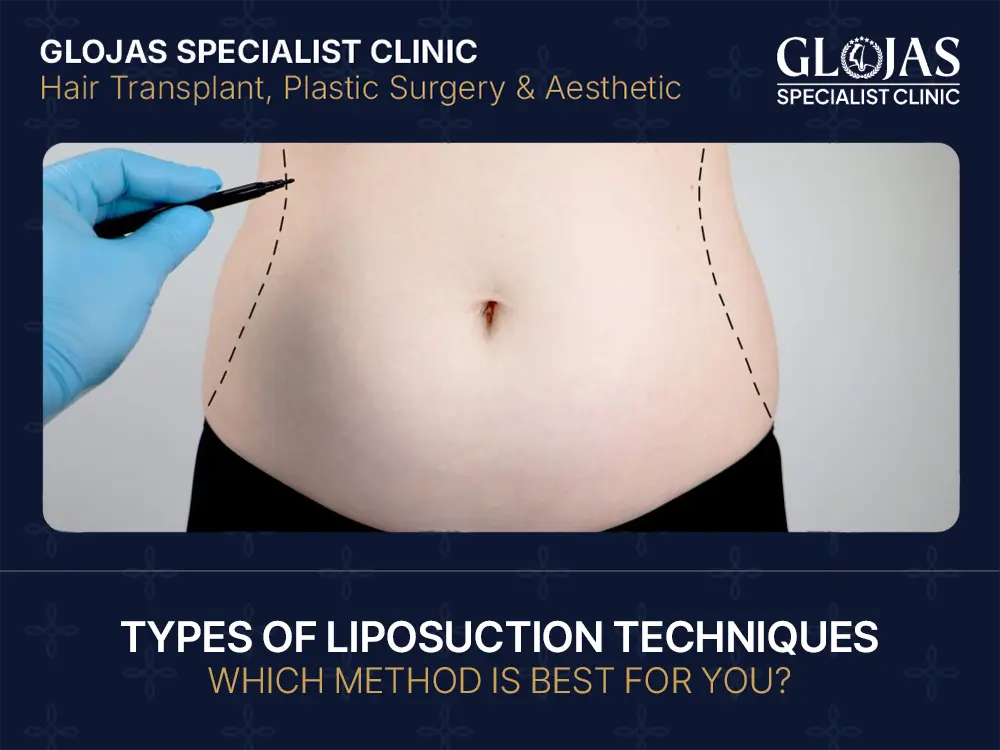
Liposuction is one of the most popular cosmetic procedures for fat removal and body contouring. However, many people do not realise that there are several types of liposuction techniques, each designed for different needs and outcomes. Choosing the right method depends on factors like treatment area, body type, recovery expectations, and overall goals. In this guide, we will explore the most common liposuction techniques used today, how they work, and which one may be best suited for you. What is Liposuction? Liposuction is a surgical procedure that removes stubborn fat deposits that do not respond to diet and exercise. Unlike weight-loss surgery, liposuction is a body contouring treatment that targets specific areas such as the abdomen, thighs, arms, hips, and double chin. Main Types of Liposuction Techniques 1. Tumescent Liposuction How it works: A solution of saline, lidocaine (local anaesthetic), and epinephrine is injected into the treatment area. This reduces bleeding, swelling, and discomfort during fat removal. Best for: Patients who want a traditional, safe, and proven method with less bleeding. Advantages: Widely available, effective for large areas, relatively shorter recovery compared to older methods. 2. Ultrasound-Assisted Liposuction (UAL) How it works: Uses ultrasonic energy to break down fat cells before suctioning. Best for: Dense or fibrous areas (e.g., male chest, back). Advantages: More precise fat removal, effective in difficult areas. Considerations: Slightly longer procedure time, may carry higher risk of burns if not performed by an experienced surgeon. 3. Laser-Assisted Liposuction (LAL) How it works: Laser energy liquefies fat before it is removed. The heat also stimulates collagen production, which can tighten skin. Best for: Small areas and patients who want mild skin tightening benefits alongside fat removal. Advantages: Improved skin elasticity, less bruising, quicker recovery. Considerations: Best suited for smaller treatment areas, not large-volume fat removal. 4. Vaser Liposuction (VASERlipo) How it works: A form of ultrasound-assisted liposuction that uses vibration amplification to gently break fat cells without harming surrounding tissues. Best for: Patients seeking high-definition body sculpting (abs, arms, jawline). Advantages: Minimally invasive, smooth results, skin retraction, precise contouring. Considerations: Requires experienced hands for optimal results, may cost more than traditional liposuction. 5. Power-Assisted Liposuction (PAL) How it works: Uses a vibrating cannula to loosen fat cells, making suctioning easier and faster. Best for: Surgeons performing large-volume fat removal with less strain. Advantages: Shorter surgery time, less trauma, more comfortable recovery. Considerations: Primarily for efficiency, less skin tightening compared to laser/ultrasound methods. Which Liposuction Techniques is Best for You? The best liposuction techniques depends on: Treatment area: Abdomen, thighs, chin, or arms. Skin quality: Presence of sagging or need for tightening. Desired results: High-definition sculpting vs general fat removal. Downtime tolerance: Some methods offer faster recovery than others. Budget and availability: Advanced techniques like Vaser or laser liposuction may cost more. 📌 Always consult with a qualified plastic surgeon like in GLOJAS Plastic Surgery Specialist Clinic who can assess your body type and goals before recommending the right method. Recovery and Aftercare for All Liposuction Techniques Expect swelling and bruising for 1–2 weeks. Compression garments are usually required to aid healing. Light activities can resume in a few days, but heavy exercise should wait 4–6 weeks. Results continue improving as swelling subsides, usually visible within 3–6 months. FAQs About Liposuction Techniques 1. Which liposuction method is the safest?All modern techniques are safe when performed by a board-certified surgeon. Tumescent and Vaser liposuction are among the most common due to safety and effectiveness. 2. Is Vaser liposuction better than traditional liposuction?Vaser allows more precise body contouring and skin tightening, but traditional tumescent liposuction remains effective for larger fat removal. 3. Can liposuction also tighten skin?Laser and Vaser liposuction offer mild skin tightening benefits due to heat energy stimulating collagen. 4. How long do results from liposuction last?Results are long-lasting as fat cells are permanently removed. However, maintaining a healthy lifestyle is essential to prevent new fat accumulation. 5. What areas are best treated with liposuction?Common areas include abdomen, thighs, hips, buttocks, arms, back, and under the chin. Key Takeaway There is no single “best” type of liposuction — the right technique depends on your unique goals, treatment area, and expectations. By consulting with an experienced surgeon, you can determine whether tumescent, Vaser, laser, ultrasound, or power-assisted liposuction is most suitable for your body contouring needs. Body Sculpting with Liposuction Surgery at GLOJAS Plastic Surgery Specialist Clinic Achieve the body shape you’ve always desired with safe and advanced liposuction techniques at GLOJAS Plastic Surgery Specialist Clinic in Kuala Lumpur. Our procedures are performed by board-certified plastic surgeons with years of experience in body contouring, ensuring natural-looking results with the highest standards of safety. Whether you’re targeting stubborn fat on the abdomen, thighs, arms, or chin, our team customises each treatment plan to suit your body type and goals. From consultation to recovery, we provide comprehensive care so you can feel confident every step of the way. ✨ Book your personalised consultation today and take the first step towards a slimmer, more sculpted you. View this post on Instagram A post shared by Glojas Specialist | Plastic Surgery, Hair Transplant, Aesthetic (@glojasaesthetic)
Rahsia Hilangkan Perut Buncit dengan Cara Selamat & Berkesan
Perut buncit adalah masalah yang kerap dialami oleh lelaki dan wanita. Selain menjejaskan penampilan, ia juga boleh menandakan masalah kesihatan seperti lemak visceral berlebihan, metabolisme terganggu, atau ketidakseimbangan hormon. Artikel ini akan membincangkan punca perut buncit, cara mengatasinya secara selamat, dan tips untuk memperoleh perut rata dan sihat. Punca Perut Buncit 1. Pola Makan Tidak Sihat Pengambilan makanan tinggi lemak, gula, dan karbohidrat olahan boleh menyebabkan penumpukan lemak di perut. Makanan segera, minuman bergula, dan snek manis adalah antara faktor utama. 2. Kurang Aktiviti Fizikal Kurang bersenam menyebabkan tubuh sukar membakar lemak, terutamanya di kawasan perut. Senaman perut dan aktiviti kardio disarankan untuk membantu mengurangkan lemak visceral. 3. Ketidakseimbangan Hormon Wanita mungkin mengalami perut buncit selepas bersalin atau semasa menopaus akibat perubahan hormon. Pada lelaki, pengurangan kadar testosteron boleh menyebabkan penumpukan lemak di perut. 4. Perut Buncit Disebabkan Gas atau Kembung Selain lemak, gas berlebihan boleh membuat perut kelihatan buncit. Masalah ini biasanya sementara dan boleh dikurangkan dengan mengatur diet dan kesihatan pencernaan. 5. Tekanan dan Kurang Tidur Tahap kortisol tinggi akibat tekanan berpanjangan boleh meningkatkan penyimpanan lemak perut. Tidur yang tidak mencukupi juga menjejaskan metabolisme, menyebabkan perut lebih mudah buncit. Cara Hilangkan Perut Buncit 1. Senaman dan Aktiviti Fizikal Senaman adalah cara paling berkesan untuk mengecilkan perut buncit. Jenis senaman yang dicadangkan: Kardio (lari, berbasikal, berenang) Senaman perut (crunch, plank, bicycle crunch) Latihan intensiti tinggi (HIIT) 2. Diet Sihat Amalkan diet rendah karbohidrat olahan, tinggi protein dan serat. Makanan yang disyorkan termasuk: Sayur-sayuran dan buah-buahan segar Protein sihat (ikan, ayam, telur) Kacang dan bijirin penuh Minum air mencukupi 3. Minuman Detoks dan Suplemen Minuman detoks seperti air lemon atau teh hijau boleh membantu mengurangkan kembung dan meningkatkan metabolisme. Suplemen pembakar lemak boleh dipertimbangkan, tetapi sebaiknya dapatkan nasihat doktor terlebih dahulu. 4. Perubahan Gaya Hidup Tidur cukup (7–8 jam sehari) Kurangkan tekanan melalui meditasi atau yoga Elakkan pengambilan alkohol berlebihan 5. Rawatan Perubatan Jika perut buncit sukar dikurangkan dengan diet dan senaman, beberapa rawatan boleh dipertimbangkan: Liposuction perut Konsultasi dengan pakar pemakanan atau doktor untuk pilihan perubatan lain Punca Perut Buncit Perempuan dan Cara Hilangkan Perut Buncit Wanita Perut buncit bukan sahaja masalah lelaki; ramai perempuan juga mengalaminya. Faktor utama perut buncit pada perempuan berbeza dan sering berkait rapat dengan hormon, kehamilan, dan gaya hidup. 1. Selepas Bersalin Selepas melahirkan, perut perempuan mungkin masih kelihatan buncit kerana otot perut dan kulit memerlukan masa untuk kembali tegang. Latihan ringan dan senaman perut yang konsisten membantu mempercepat proses pemulihan. 2. Ketidakseimbangan Hormon Perubahan hormon seperti penurunan estrogen semasa menopaus atau sindrom ovarium polikistik (PCOS) boleh menyebabkan penumpukan lemak di kawasan perut. Pemantauan hormon dan konsultasi dengan doktor adalah langkah penting. 3. Gaya Hidup Tidak Aktif Kurang bersenam dan duduk terlalu lama menyukarkan pembakaran lemak. Aktiviti fizikal seperti kardio, yoga, dan senaman perut sangat membantu. 4. Diet Tinggi Kalori dan Gula Pengambilan makanan segera, manisan, dan minuman manis menyumbang kepada perut buncit pada perempuan. Mengamalkan diet seimbang tinggi serat, protein, dan rendah gula dapat mengurangkan lemak visceral. 5. Tekanan dan Tidur Tidak Cukup Tekanan kronik meningkatkan hormon kortisol, yang menggalakkan penyimpanan lemak di perut. Tidur yang mencukupi (7–8 jam) dan teknik relaksasi seperti meditasi membantu mengurangkan risiko perut buncit. Tips Kempiskan Perut Buncit dengan Berkesan Fokus pada pembakaran lemak visceral berbanding hanya menurunkan berat badan. Gabungkan kardio, senaman perut, dan diet sihat untuk hasil optimum. Pantau pengambilan gula dan garam untuk mengurangkan kembung. Ambil makanan tinggi serat dan protein untuk rasa kenyang lebih lama. Konsistensi lebih penting daripada kaedah cepat; perubahan perlahan lebih selamat. 5 FAQ Berkaitan Perut Buncit 1. Apa punca utama perut buncit?Punca utama termasuk pola makan tidak sihat, kurang senaman, ketidakseimbangan hormon, tekanan, dan lemak visceral berlebihan. 2. Bagaimana cara mengecilkan perut buncit secara semula jadi?Gabungkan senaman kardio, senaman perut, diet sihat, tidur cukup dan kawalan stres untuk hasil optimum. 3. Adakah perut yang buncit hanya disebabkan oleh lemak?Tidak semestinya. Perut buncit juga boleh disebabkan oleh gas berlebihan atau kembung sementara. 4. Adakah liposuction berkesan untuk perut yang buncit?Ya, liposuction boleh membantu mengurangkan lemak perut yang degil, tetapi perlu dilakukan oleh doktor bertauliah. 5. Makanan apa yang patut dielakkan untuk mengurangkan perut buncit?Elakkan makanan tinggi gula, minuman bergula, makanan segera, karbohidrat olahan, dan pengambilan alkohol berlebihan. Kesimpulan:Dengan pengamalan diet seimbang, senaman yang konsisten, dan perubahan gaya hidup, perut buncit boleh dikurangkan dengan selamat dan berkesan. Untuk kes yang lebih serius, rawatan perubatan seperti liposuction atau konsultasi pakar boleh dipertimbangkan. Turun Berat Badan dengan Suntikan Ozempic di GLOJAS Kini, mencapai berat badan ideal lebih mudah dengan Ozempic injection, kaedah non-surgical yang selamat dan berkesan di GLOJAS Plastic Surgery Specialist Clinic. Suntikan ini membantu mengawal selera makan dan meningkatkan metabolisme tanpa memerlukan pembedahan. Bagaimana Ozempic Injection Berfungsi Mengawal nafsu makan dan rasa lapar, membantu anda makan lebih terkawal. Meningkatkan metabolisme untuk pembakaran kalori lebih efisien. Membantu penurunan berat badan secara beransur dan selamat. Kelebihan Kaedah Non-Surgical dengan Ozempic Selamat dan tidak invasif – tiada pembedahan atau tempoh pemulihan panjang. Sesuai untuk individu yang mahu menurunkan berat badan tanpa risiko pembedahan. Hasil boleh dipantau secara profesional oleh doktor bertauliah. Kenapa Pilih GLOJAS? Pelan penurunan berat badan peribadi dan disesuaikan mengikut keperluan anda. Dikendalikan oleh doktor pakar bertauliah dengan pengalaman luas. Fokus kepada penurunan berat badan yang selamat dan berkesan, tanpa komplikasi pembedahan. Mulakan perjalanan berat badan ideal anda hari ini!Hubungi GLOJAS untuk konsultasi percuma dan ketahui bagaimana Ozempic injection dapat membantu anda mendapatkan tubuh yang lebih sihat dan proporsional.