
Ozempic Dosage Guide: Safe Dosing for Diabetes & Weight Loss
So, you’ve secured your pen and you’re ready to start your journey. But before you “click” away, understanding the Ozempic dosage is the most critical step to ensure you actually see results without spending the whole week in the bathroom. In Malaysia, doctors follow a strict titration (step-up) schedule to help your body adapt to semaglutide. Standard Ozempic Dosage Schedule The golden rule with Ozempic is “start low, go slow.” Because it mimics the GLP-1 hormone, your digestive system needs time to figure out what’s happening. Starting Dose (0.25mg Once Weekly) For the first 4 weeks, you will start with 0.25mg once weekly. According to the FDA, this initial dose isn’t actually meant to lower your blood sugar or melt fat—it’s purely a “starter phase” to minimize side effects while your body adjusts. Increase to 0.5mg Weekly From Week 5 onwards, your doctor will likely bump you up to 0.5mg once weekly. This is often where the magic starts to happen for both glucose control and weight management. Maintenance Dose (0.5mg–1mg Weekly) If 0.5mg is working well, you might stay there. However, if you need more “oomph” for your HbA1c levels or appetite suppression, the dose can be increased to 1mg weekly after another 4 weeks of 0.5mg. Maximum Recommended Dose In Malaysia, the NPRA has approved Ozempic for Type 2 Diabetes at a maximum dose of 2mg once weekly. While some countries use higher doses (like Wegovy at 2.4mg), 2mg is currently the top tier for the Ozempic-branded pen locally. Ozempic Dosage for Type 2 Diabetes Dose Adjustment Based on Blood Sugar Response Your doctor will monitor your A1C levels closely. If your fasting blood sugar remains high after a month on 0.5mg, they may step you up to 1mg to reach your target range. Use with Other Diabetes Medications If you’re already on Metformin or Insulin, your doctor might adjust those doses when you start Ozempic. The Mayo Clinic warns that combining Ozempic with certain meds can increase the risk of hypoglycemia (low blood sugar), so always keep your doctor in the loop. Ozempic Dosage for Weight Loss Titration for Appetite Control While Ozempic is used “off-label” for weight loss in Malaysia, the titration remains the same. You need that slow climb to 1mg or 2mg to achieve the satiety (feeling of fullness) required to drop the kilos. Recommended Treatment Duration Weight loss isn’t an overnight thing. Most clinical reviews, such as those found on PMC, suggest that significant results are seen over 6 to 12 months. Stopping too early—especially before reaching a maintenance dose—often leads to the “rebound effect” where weight creeps back. How to Take Ozempic Correctly Injection Sites You have three main choices: Abdomen: Stay at least 2 inches away from your belly button. Thigh: The front or outer side of your thigh. Upper Arm: The fleshy back part (might need a friend to help with this one). Pro Tip: Rotate your site every week to avoid “lumps” (lipohypertrophy) under the skin. Weekly Injection Timing Inject on the same day every week. You can do it at any time—with or without food. Some Malaysians prefer Friday nights so any initial “nausea” happens over the weekend. What to Do If You Miss a Dose If you miss your dose, take it as soon as possible within 5 days. If more than 5 days have passed, skip the missed dose and just take your next one on your usual day. Never double up to “catch up.” Dose-Related Side Effects Common Gastrointestinal Symptoms The higher the dose, the higher the chance of: Nausea and Vomiting Diarrhea or Constipation Stomach Bloating (the “Ozempic Burp”) When Dose Adjustment Is Needed If you’re feeling miserable on 1mg, your doctor might suggest “splitting” the dose or dropping back down to 0.5mg for a few weeks. The World Health Organization notes that tolerability is the biggest factor in whether a patient sticks to the treatment. FAQs About Ozempic Dosage Can I Increase the Dose Faster? No. Rushing the titration is a one-way ticket to severe nausea. Stick to the 4-week rule to let your gut enzymes catch up. What Happens If I Take Too Much? Taking too much can cause severe nausea and vomiting that might require a trip to the ER for IV fluids. If you accidentally double-dose, contact your clinic immediately. How Long Should I Stay on 0.25mg? The standard is 4 weeks. It’s tempting to move up early if you don’t feel “less hungry” right away, but 0.25mg is about safety and preparation, not immediate weight loss.
Ozempic Price Malaysia (2026): Cost Per Pen & Monthly Treatment Budget
If you’ve been scrolling through social media or chatting with friends in KL about weight management, the conversation almost always lands on the “skinny jab.” But while the results are famous, the Ozempic price in Malaysia can be a bit of a maze. Whether you’re managing Type 2 Diabetes or exploring off-label weight loss, here is the 2026 breakdown of what your wallet should expect. What Is the Current Ozempic Price in Malaysia? Average Price Per Pen As of early 2026, the retail price for a single Ozempic (semaglutide) pen in Malaysia typically ranges between RM850 and RM1,150. This variation depends largely on whether you are purchasing from a high-end aesthetic clinic in Bangsar or a specialized hospital pharmacy. Price by Dosage (0.25mg, 0.5mg, 1mg) Interestingly, the price per pen is often uniform across different strengths (0.25mg, 0.5mg, and 1mg). This is because the pen itself contains a set amount of medication (e.g., 2mg or 4mg total), and the dial determines the dose. However, a “starter pen” used for 0.25mg doses will last longer than a pen used for 1mg doses, impacting your long-term budget. Estimated Monthly Cost For most users, the monthly investment sits between RM900 and RM1,200. During the initial “titration” phase (starting at 0.25mg), one pen might last you six to eight weeks. Once you reach a maintenance dose of 1mg per week, you will need exactly one pen per month. Factors Affecting Ozempic Price in Malaysia Dosage and Treatment Duration The National Pharmaceutical Regulatory Agency (NPRA) ensures that all semaglutide products imported into Malaysia meet strict safety standards, but they do not set a “ceiling price” for private retailers. As your dosage increases, your “price per dose” effectively goes up. Clinic vs Hospital Pricing Private Aesthetic Clinics: Often bundle the pen with body composition analysis and nutritional coaching, which can push the price toward RM1,100+. Private Hospitals: Generally stick closer to the pharmaceutical retail price, often around RM850–RM950 per pen, excluding consultation. Consultation and Follow-Up Fees Don’t forget the “hidden” costs. Most clinics require an initial blood test to check kidney and liver function. These medical screenings can add a one-time cost of RM200 to RM500 to your first bill. Supply and Availability Global demand still fluctuates. In 2026, while supply has stabilized, “scalper” prices still exist in unregulated spaces. Always buy from licensed sources to ensure cold-chain integrity, as semaglutide must be stored between 2°C and 8°C. Ozempic for Diabetes vs Weight Loss: Price Differences Indication-Based Prescribing In Malaysia, Ozempic is officially registered for the treatment of Type 2 Diabetes. When used for weight loss, it is considered “off-label.” While the physical pen is the same, the price may differ based on the “package” the clinic offers for weight management vs. chronic disease care. Insurance Coverage for Type 2 Diabetes If you are a diagnosed diabetic, some premium medical insurance plans in Malaysia may cover the cost of Ozempic if it is deemed medically necessary. However, coverage is rarely 100% and often requires a specialist’s referral. Self-Pay for Weight Management For those using it strictly for weight loss, expect to pay out-of-pocket. Most Malaysian insurers categorize weight management as a “lifestyle” or “cosmetic” concern, which is excluded from standard policy coverage. Where to Get Ozempic in Malaysia Private Medical Clinics Many LCP-certified (Letter of Credentialing and Privileging) aesthetic clinics stock Ozempic. They are popular because they offer a more “lifestyle-oriented” approach, focusing on “Ozempic Face” prevention and body contouring alongside the injections. Hospitals Major private hospitals (like Gleneagles or Prince Court) are the safest bet for consistent stock. You will need to book an appointment with an endocrinologist or internal medicine specialist first. Licensed Pharmacies You cannot walk into a pharmacy and buy Ozempic over the counter. However, with a valid prescription from a Malaysian doctor, retail pharmacies like Alpro or Big Pharmacy can dispense the medication, often at the most competitive retail rates. Ozempic vs Other Weight Loss Injections Price Comparison Medication Frequency Estimated Monthly Price (RM) Ozempic Weekly RM900 – RM1,200 Saxenda Daily RM1,000 – RM1,400 Wegovy Weekly RM1,100 – RM1,500 Mounjaro Weekly RM1,400 – RM3,000 Saxenda Price Malaysia Saxenda (liraglutide) is a daily injection. Because you need more pens per month, the cost can often exceed Ozempic, though it is the only one with a specific MOH “weight loss” indication. Wegovy Price Malaysia Wegovy is the higher-dose version of semaglutide. While it is more effective for weight loss, its price in Malaysia reflects its premium status, often starting at RM1,100 per month. Mounjaro Price Malaysia Mounjaro (tirzepatide) is the “heavy hitter” in terms of results, but it comes with a heavy price tag. According to clinical data from the FDA, tirzepatide can lead to higher weight loss percentages, but in Malaysia, you’ll pay a significant premium for it. Is Ozempic Worth the Cost? Clinical Effectiveness The World Health Organization recognizes obesity as a complex chronic disease. For many, the “cost” of Ozempic is an investment in preventing long-term complications like heart disease or joint failure, which carry much higher price tags in the future. Long-Term Financial Considerations Consider the “food noise” reduction. Many users report spending significantly less on groceries, dining out, and alcohol, which can partially offset the monthly RM1,000 cost of the medication. FAQs About Ozempic Price Malaysia How Much Does Ozempic Cost Per Month? On average, expect to spend RM1,000 per month. This includes the pen and a basic follow-up consultation. Can I Buy Ozempic Without Prescription in Malaysia? No. Ozempic is a Group B Poison under the Poisons Act 1952. Selling or buying it without a prescription is illegal and dangerous, as you risk getting counterfeit products. Why Does Ozempic Price Vary Between Clinics? Clinics factor in their overhead, cold-chain storage costs, and the level of medical supervision provided. A clinic that offers 24/7 access to a nutritionist will naturally charge more than a hospital pharmacy.
Ozempic Face: Causes, Symptoms & Treatment Options in Malaysia
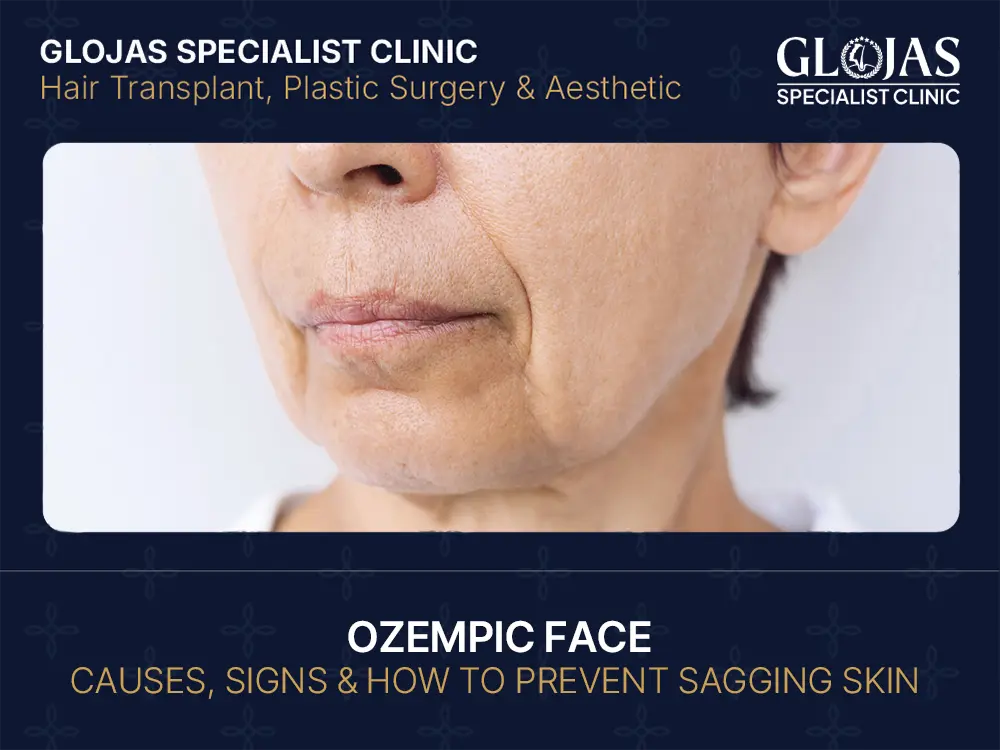
If you’ve been keeping an eye on the health and wellness scene in Malaysia lately, you’ve probably heard everyone buzzing about “Ozempic Face.” While the weight loss results from semaglutide can be life-changing, some people are finding that their reflection in the mirror looks a bit more “tired” than they expected. Let’s dive into what’s actually happening to your skin when the kilos drop. What Is Ozempic Face? Definition and Clinical Explanation “Ozempic Face” isn’t a medical diagnosis; it’s a colloquial term for the facial changes that occur during rapid weight loss facilitated by GLP-1 receptor agonists. According to the Mayo Clinic, semaglutide was originally designed for Type 2 diabetes but has gained massive popularity for obesity management. Why Rapid Weight Loss Causes Facial Volume Loss Our faces rely on fat pads to look youthful and “plump.” When you lose weight rapidly, the body doesn’t get to choose where the fat comes from. Because facial fat is often the first to go, the skin loses its underlying support structure, leading to a gaunt appearance. How Ozempic (Semaglutide) Leads to Ozempic Face Mechanism of Action and Fat Reduction Ozempic works by mimicking a hormone that targets areas of the brain that regulate appetite. This leads to a significant caloric deficit. As the FDA notes, this systemic fat reduction affects the entire body, including the delicate sub-dermal layers of the face. Facial Fat Loss vs Skin Laxity The issue is twofold: you lose the “filler” (fat) and the “envelope” (skin) doesn’t shrink fast enough to keep up. This results in skin laxity, where the skin appears to hang loosely over the newly narrowed bone structure. Common Signs and Symptoms of Ozempic Face Sunken Cheeks and Hollow Temples The most telling sign is a “skeletal” look. When the malar fat pads in the cheeks diminish, the mid-face collapses inward, and the temples can appear concave. Under-Eye Hollowness As support vanishes, the “tear troughs” become more pronounced. This creates dark shadows that make you look like you haven’t slept in weeks, even if you’re feeling more energetic than ever. Sagging Jawline and Nasolabial Folds Without cheek fat to pull the skin upward, gravity takes over. This causes the skin to pool around the mouth, deepening the nasolabial folds (smile lines) and creating jowls along the jawline. More Visible Wrinkles After Weight Loss Fat acts as a natural “iron” for wrinkles. Once that volume is gone, fine lines and dynamic wrinkles suddenly become much more apparent. Who Is at Risk of Developing Ozempic Face? Age and Collagen Decline Patients over 40 are at higher risk. At this age, our natural collagen production has already begun to slow down, meaning the skin has less “snap-back” ability. Amount and Speed of Weight Loss The faster you lose weight, the more dramatic the facial changes. Gradual weight loss allows the skin a bit more time to adapt, though it isn’t a total guarantee against volume loss. Baseline Facial Volume If you naturally have a more angular or “lean” face, you’ll likely notice these changes sooner than someone with a rounder bone structure and higher initial fat distribution. Ozempic Face vs Normal Ageing Differences in Onset and Pattern Normal ageing is a marathon; Ozempic face is a sprint. While natural ageing takes decades, these changes can happen in as little as three to six months after starting treatment. Clinical Assessment A qualified aesthetic doctor in Malaysia will look for a “deflated” look rather than just sagging. The American Society of Plastic Surgeons highlights that distinguishing between fat loss and muscle atrophy is key to choosing the right corrective treatment. Treatment Options for Ozempic Face in Malaysia Dermal Fillers for Volume Restoration Hyaluronic Acid (HA) fillers are the go-to for immediate results. They act as a “liquid lift,” replacing the lost fat in the cheeks and temples to restore a youthful contour. Collagen-Stimulating Injections Treatments like Sculptra (poly-L-lactic acid) or Radiesse work by telling your body to grow its own collagen. These are great for Malaysian patients looking for a more gradual, natural-looking improvement over several months. Energy-Based Skin Tightening (HIFU / RF) HIFU (High-Intensity Focused Ultrasound) and Radiofrequency (RF) treatments use heat to contract the skin fibers. These are perfect for tackling the “skin laxity” aspect without needles. Combination Treatment Approach Most practitioners recommend a “sandwich” approach: fillers for volume and energy-based devices for tightening. Cost of Ozempic Face Treatment in Malaysia Factors Affecting Pricing Product Volume: How many syringes of filler are needed? Technology: Is the clinic using medical-grade, FDA-cleared devices? Doctor’s Expertise: Experienced injectors often charge a premium for better safety and results. Estimated Treatment Range In Malaysia, dermal fillers typically start from RM1,500 to RM3,000 per syringe, while skin-tightening sessions like HIFU can range from RM2,000 to RM5,000 depending on the area covered. Safety and Medical Considerations Risks of Injectable Treatments While generally safe, risks include bruising, swelling, or the “Tyndall effect” (a bluish tint). The World Health Organization emphasizes that any medical intervention for obesity or its side effects should be supervised by professionals. Importance of Qualified Practitioners in Malaysia Ensure your clinic is registered with the Ministry of Health (MOH) and the doctor holds a valid LCP (Letter of Credentialing and Privileging) to perform aesthetic procedures. FAQs About Ozempic Face Is Ozempic Face Permanent? The fat loss is permanent unless you regain the weight. However, the skin laxity can worsen over time if left untreated. Can It Be Reversed? Yes, through aesthetic interventions. While you can’t “spot-gain” fat back in your face by eating, fillers and biostimulators do an excellent job of mimicking natural volume. How Soon Should Treatment Be Started? Many doctors suggest waiting until your weight stabilizes, but “maintenance” skin tightening can be started early to support the skin during the transition. Does Stopping Ozempic Restore Facial Volume? If you stop the medication and regain weight, some fat may return to the face, but it rarely distributes exactly as it was before.
Benefits of Breast Reduction Surgery: Medical, Physical & Emotional Advantages
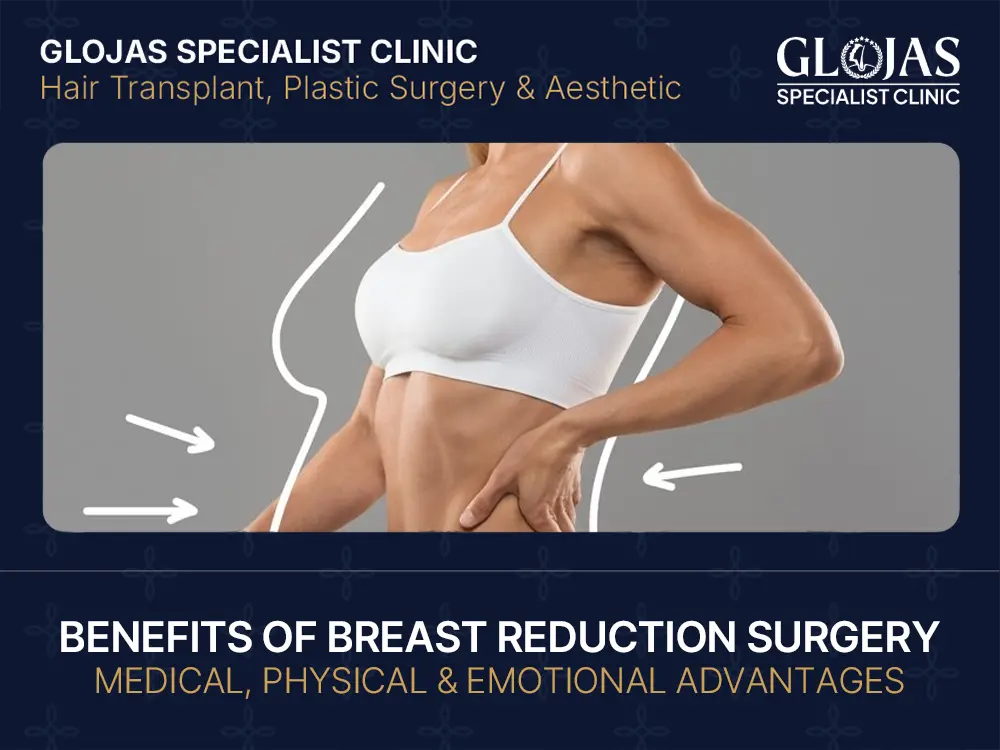
Benefits of Breast Reduction Surgery You Must Know Let’s be real: while many people focus on aesthetics, breast reduction surgery (medically known as reduction mammoplasty) is often more about quality of life than just looking a certain way. For many women in Malaysia dealing with heavy, overly large breasts, the daily grind involves more than just finding a sports bra that actually works—it’s about managing chronic physical strain. If you’ve been considering this procedure, here is a breakdown of why it’s one of the highest-satisfaction surgeries in the medical world. GLOJAS Specialist Clinic in Kuala Lumpur offers breast reduction surgery to relieve back, neck, and shoulder pain while improving body proportion, comfort, and confidence with safe, specialist-led care in Malaysia. Physical Benefits of Breast Reduction Surgery The most immediate “wow” factor after surgery isn’t usually the mirror; it’s the sudden lightness. Removing excess glandular tissue and skin provides relief that impacts your entire physiology. Relief from Neck, Shoulder & Back Pain Carrying significant weight on the chest puts a massive load on the upper body. This often leads to deep grooves in the shoulders from bra straps and chronic tension. By shifting the center of gravity, surgery provides a functional solution for back pain relief that physical therapy alone often can’t fix. Reduction of Skin Irritation & Rashes In Malaysia’s humid climate, large breasts often lead to intertrigo—a fancy word for the skin irritation, rashes, and fungal infections that happen in the skin folds. Reducing the breast volume eliminates the constant skin-to-skin friction and moisture trapping. Improved Posture & Spinal Alignment When you’re front-heavy, your body naturally hunches forward to compensate. Over time, this creates a “dowager’s hump” or rounded shoulders. Post-surgery, patients find it significantly easier to sit and stand tall, allowing the spine to return to its natural alignment. Easier Physical Movement & Exercise It’s hard to stay active when every step feels like a workout for your back. Reducing breast size makes everything from walking to high-intensity interval training (HIIT) more accessible and significantly less painful. Functional & Daily Life Benefits Beyond the clinical stuff, there’s the “day-to-day” stuff. These are the small wins that actually make the biggest difference in your happiness. Improved Ability to Exercise Many women find that obesity and breast size create a vicious cycle: it’s too painful to exercise, which leads to weight gain. Breaking this cycle allows for a more active lifestyle and better cardiovascular health. Better Clothing Fit & Comfort Shopping becomes a whole new experience. Instead of buying clothes three sizes too big just to accommodate your chest, you can wear standard sizes. No more safety pins on button-down shirts or specialized, expensive custom bras. Enhanced Sleep Quality It’s hard to get a good night’s rest when you can’t find a comfortable position. Many patients report that they can finally sleep on their backs or stomachs without feeling restricted or experiencing breathing discomfort. Psychological & Emotional Benefits The mental weight is often just as heavy as the physical weight. Improved Body Image There is a massive boost in how patients perceive their bodies. Feeling that your proportions are “balanced” often leads to a more positive relationship with your reflection. Increased Self-Confidence When you aren’t constantly worried about unwanted attention or trying to hide your shape under baggy clothes, your confidence naturally spikes. This ripples into professional and social interactions. Reduced Social Discomfort Many women with macromastia (the medical term for enlarged breasts) experience unwanted comments or feel self-conscious in public spaces like gyms or pools. Surgery helps reclaim that sense of privacy and comfort. Medical Benefits Supported by Clinical Evidence This isn’t just “anecdotal”—science backs it up. Reduced Musculoskeletal Strain Clinical studies show that reduction mammoplasty significantly alters gait and reduces the force exerted on the lumbar spine, protecting your joints as you age. Decreased Nerve Compression Symptoms Excessive weight can compress the brachial plexus nerves, leading to numbness or tingling in the arms and hands (paresthesia). Removing that weight frequently resolves these neurological symptoms. Long-Term Pain Reduction Data suggests that the long-term outcomes of breast reduction are overwhelmingly positive, with patients maintaining their pain-free status decades after the procedure. Short-Term vs Long-Term Benefits Immediate Post-Surgery Improvements The relief from back and neck tension is often felt the moment the anesthesia wears off. Even with the initial swelling, the “lightness” is an instant game-changer. Long-Term Quality of Life Improvements Over the years, the benefits compound. You’re more likely to stay fit, your posture remains better, and the psychological impact of breast reduction correlates with lower rates of anxiety regarding body image. Who Benefits Most from Breast Reduction Surgery? Women with Symptomatic Macromastia If your breast size is causing physical symptoms—like those “bra strap grooves” or chronic rashes—you are the prime candidate for this life-changing procedure. Patients with Chronic Pain or Functional Limitation If you’ve tried physical therapy, chiropractic adjustments, and specialized bras but still live in pain, surgery is often the most effective permanent solution for managing chronic pain from large breasts.
Breast Reduction Candidate: Are You Suitable for Surgery in Malaysia
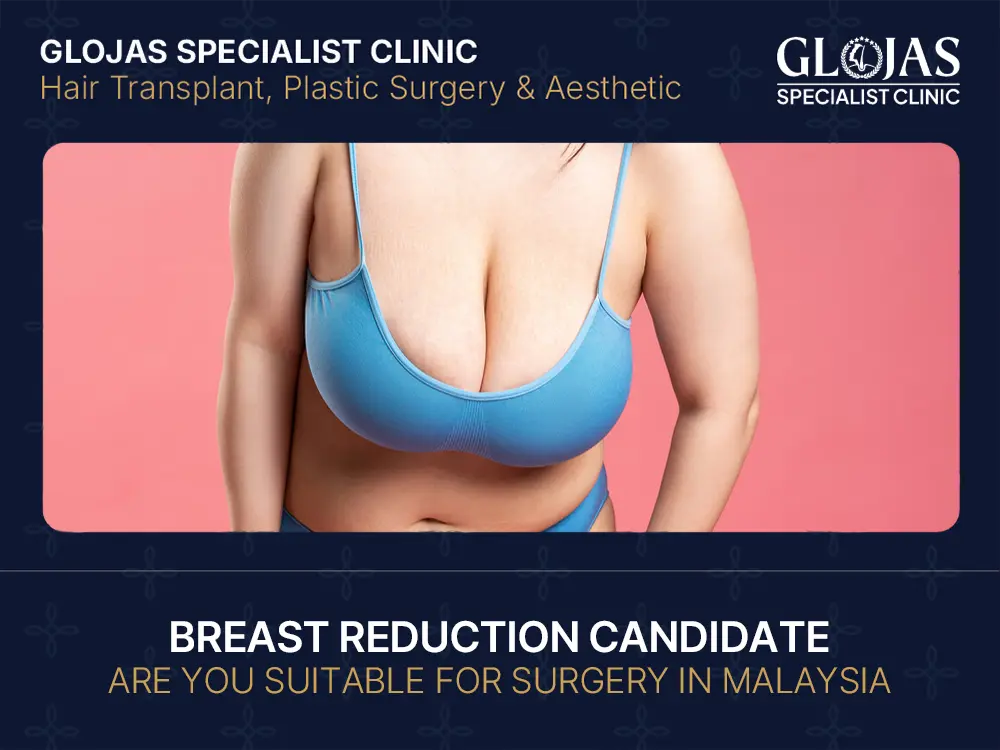
If you’ve ever looked in the mirror and felt like your frame was playing a permanent game of “catch up” with your chest, you’re likely already wondering if there’s a better way to live. In Malaysia, where the tropical heat can make the physical burden of heavy breasts even more uncomfortable (hello, skin irritation and heavy sports bras), breast reduction surgery is a common and life-changing solution. But how do you know if you’re actually a “candidate” or just having a bad back day? Let’s break down who qualifies for this procedure in the Malaysian medical landscape. Determining your suitability for a reduction mammoplasty isn’t just about cup size; it’s about how that size impacts your daily quality of life. Malaysian plastic surgeons look for a combination of physical symptoms and realistic aesthetic goals to ensure you get the best outcome. Who Qualifies as a Breast Reduction Candidate? Physical Symptoms Indicating Surgery (Back, Neck, Shoulder Pain) The most common “green flag” for surgery is chronic physical pain. When the weight of breast tissue pulls the shoulders forward, it creates a domino effect of musculoskeletal issues. Many candidates suffer from deep “bra strap grooves” in their shoulders or recurring intertrigo—a painful skin rash that occurs in the fold under the breast. If your chest is causing skeletal strain, you are likely a primary candidate. Cosmetic and Proportional Concerns Sometimes, it’s not just about the ache; it’s about the silhouette. You might be a candidate if you feel your breasts are disproportionately large for your height and frame, leading to a “top-heavy” appearance. This often results in difficulty finding clothes that fit or feeling extremely self-conscious during physical activities like HIIT classes or swimming. Age and Health Considerations While there isn’t a “magic number” for age, surgeons in Malaysia generally prefer candidates to be at least 18 years old to ensure breast development is complete. From a health perspective, being a non-smoker is a massive plus. According to the American Society of Plastic Surgeons, smoking significantly impairs blood flow to the tissue, which can lead to complications during the healing process. Medical Assessment for Breast Reduction Candidates Pre-Surgery Consultation and Evaluation Your journey begins with a face-to-face consultation. In Malaysia, board-certified surgeons will evaluate your “ptosis” (the degree of sagging) and discuss your desired nipple position. This is the time to be honest about your lifestyle, your activity levels, and what you hope to achieve. Medical History and Health Screening Your surgeon will dive into your medical records. They’ll look for history of breast lumps, family history of breast cancer, and any chronic conditions like diabetes or hypertension. Controlling these factors is key to being cleared for general anaesthesia. Imaging and Breast Measurements Expect some “science” to go along with the art. A surgeon will take precise measurements from your sternal notch to your nipple to determine the degree of reduction needed. Most Malaysian clinics also require a baseline mammogram or ultrasound to ensure the tissue being operated on is healthy and free of underlying masses. Ideal Candidates vs Unsuitable Candidates Factors That Make Surgery Recommended You are an ideal candidate if: You have realistic expectations about scarring (which is permanent but fades). You are at a stable weight (significant weight loss after surgery can change your results). Your physical activities are limited by your breast size. You experience chronic back pain that hasn’t responded to physical therapy or chiropractic care. Conditions That May Prevent Surgery On the flip side, some factors might make a surgeon hit the “pause” button. These include: Active Smoking: Most Malaysian surgeons require you to quit at least 4–6 weeks before and after surgery. Uncontrolled Diabetes: This can severely delay wound healing and increase infection risks. BMI Over 35: Some surgeons may ask you to reach a lower Body Mass Index to reduce the risk of surgical complications and ensure a more aesthetic contour. Future Pregnancy Plans: While not a total “no,” if you plan on getting pregnant soon, it’s often better to wait, as pregnancy can significantly alter breast size and shape. FAQs About Breast Reduction Candidates in Malaysia How do I know if I am a candidate? If you can’t participate in sports without pain, struggle with skin infections under the breast, or have persistent neck and shoulder tension despite trying conservative treatments, you are likely a strong candidate for a reduction. Are there age limits for surgery? There is no upper age limit as long as you are in good cardiovascular health. For younger patients, it is usually recommended to wait until the breasts have finished growing, typically around late teens or early twenties. Can medical conditions affect eligibility? Yes. Conditions that affect blood clotting or the immune system’s ability to heal (like certain autoimmune disorders or poorly managed heart disease) can affect your eligibility. A thorough screening with your GP and your plastic surgeon is essential to ensure the procedure is safe for you.
How Long Do Breast Implants Last? – Lifespan, Safety & Maintenance
How Long Do Breast Implants Last? The “10-year rule” is one of the most persistent myths in the aesthetic world. If you’ve been scrolling through forums or chatting with friends about breast augmentation, you’ve probably heard that implants come with an “expiry date.” In reality, it’s not like a carton of milk. Modern breast implants in 2026 are engineered with high-strength shells and cohesive gels that can go the distance. While they aren’t technically “lifetime devices,” many women in Malaysia enjoy their results for 15 to 20 years—or even longer—without a single issue. Here’s the lowdown on how long your investment will actually last and what you need to keep an eye on. Average Lifespan of Breast Implants Think of breast implants like high-quality tires. They are built for long-term use, but “mileage” varies based on your body, lifestyle, and the type of tech inside them. Typical Duration of Silicone and Saline Implants The material matters. Saline implants usually have a lifespan of 10 to 15 years. Because they are filled with sterile saltwater, the shell can eventually wear down, leading to a visible leak. Silicone implants—the crowd favorite in Malaysia for their natural feel—tend to last longer, often 15 to 20+ years. Today’s “gummy bear” or highly cohesive silicone gels are designed to hold their shape even if the shell is compromised. Most manufacturers now offer long-term warranties that cover replacements for at least a decade, reflecting their confidence in device durability. Factors That Affect Implant Longevity Surgical Technique: How the “pocket” is created and whether a “no-touch” insertion sleeve is used can significantly lower the risk of early complications. Placement: Implants placed under the muscle (submuscular) often face less “tissue thinning” over time compared to those over the muscle. Lifestyle & Gravity: If you’re a marathon runner or high-impact gym enthusiast, the extra movement can put more “wear and tear” on your breast tissue and the implant interface. Body Changes: Pregnancy, breastfeeding, and significant weight fluctuations can change how your implants sit, even if the devices themselves are perfectly fine. Signs You May Need a Replacement Your body is surprisingly good at signaling when it’s time for a “refresh.” You don’t need surgery just because a calendar says it’s been 10 years; you need it when there’s a physical reason. Common Indications for Revision The most frequent reason for a trip back to the surgeon is capsular contracture. This happens when the scar tissue around the implant tightens, making the breast feel firm or look distorted. Other signs include implant displacement (where one sits higher than the other) or bottoming out, where the implant slips below the breast crease. For saline users, the sign is obvious: a sudden loss of volume as the breast deflates like a balloon. How to Monitor Implant Health For silicone, things are a bit more subtle. Since silicone leaks are often “silent,” you won’t see a change in size overnight. According to the American Society of Plastic Surgeons, persistent pain, new lumps, or a change in the “softness” of the breast are the primary red flags that warrant a professional check-up. Maintenance and Follow-Up Owning implants is a bit like owning a luxury car—regular servicing keeps things running smoothly and safely. Recommended Check-Ups in Malaysia In Malaysia, it’s best practice to visit your surgeon every 2 to 3 years for a physical evaluation. If you had your surgery in KL or Penang, your clinic likely has a protocol for long-term monitoring. Recent updates in patient safety guidelines emphasize that being proactive is the best way to avoid complex revision surgeries later on. Imaging and Self-Examinations Self-Exams: Once a month, perform a breast self-exam. Get to know the “normal” feel of your implants so you can spot any new firm areas or changes in symmetry. Imaging: The current FDA recommendation for silicone implants is to have your first screening (ultrasound or MRI) at the 5 to 6-year mark, followed by regular imaging every 2 to 3 years to check for silent ruptures. FAQs About Breast Implant Longevity in Malaysia 1. Is it true I must replace them every 10 years? Nope! That’s a dated guideline. If your implants look and feel great and imaging shows no leaks, there is no medical reason to replace them. 2. Can I get a mammogram with implants? Absolutely. You just need to inform the radiologist so they can use “displacement views.” Standard mammography is still effective for breast cancer screening in women with implants. 3. What does “silent rupture” mean? It means the outer shell of a silicone implant has a tiny tear, but the thick gel stays inside the scar tissue “pocket,” so you don’t notice any change in appearance or feel without an ultrasound or MRI. 4. Does insurance in Malaysia cover replacement? Generally, aesthetic procedures aren’t covered. However, if the replacement is due to a medical complication like severe capsular contracture or a ruptured reconstruction implant, some policies might offer partial coverage. Always check with your provider. 5. Are newer implants like Motiva or Mentor safer? Modern “6th generation” implants used in top Malaysian clinics feature advanced barrier layers and even RFID microchips for easy identification, which can help in long-term tracking and safety.
Breast Augmentation Before & After: What to Expect in Malaysia
If you’ve been scrolling through Instagram or aesthetic clinic galleries, you’ve likely seen a mountain of “Before & After” transformations. In Malaysia’s booming medical tourism scene, these photos are the gold standard for setting expectations. But what does the journey from “A” to “C” (or beyond) actually look like behind the scenes? Let’s dive into the reality of the Breast Augmentation Before & After experience, from the first consultation in KL to the final “settled” look. Understanding Breast Augmentation Before & After It’s more than just a size change; it’s a structural recalibration. What “Before & After” Means in Breast Augmentation A “Before” photo represents your baseline—your natural breast tissue, chest wall shape, and skin elasticity. The “After” isn’t just about volume; it’s about how the silicone or saline implants interact with your unique anatomy to create a new silhouette. Why Seeing Before & After Results Matters Photos help you “speak” the same language as your surgeon. While one person’s “natural look” is another’s “too small,” visual aids ensure you and your doctor are on the same page regarding projection and cleavage. Factors Influencing Results in Malaysian Patients Genetics play a huge role. Factors like the width of your sternum and the amount of existing “pinchable” fat determine how close the implants can sit together. Local climate also matters—Malaysian humidity means post-op wound care is extra vital to prevent irritation. Preparing for Breast Augmentation – Before Surgery The “Before” phase is where the magic (and the math) happens. Consultation and Assessment with a Certified Surgeon In Malaysia, your first step should be verifying your doctor via the National Specialist Register (NSR). A certified plastic surgeon will measure your base tissue diameter to ensure the implant doesn’t overstretch your skin. Choosing the Right Implant Type, Size, and Shape Do you want the “teardrop” look of anatomical implants or the fullness of round ones? Most Malaysian clinics now offer 3D imaging software so you can virtually “try on” different CC (cubic centimeter) sizes before the scalpel even touches skin. Pre-Surgery Health Evaluation and Lifestyle Considerations You’ll need a clean bill of health. This includes blood tests and potentially a mammogram. According to the American Society of Plastic Surgeons, quitting smoking at least four weeks prior is non-negotiable for proper blood flow and healing. Expectations and Goal Setting for Your Body Type If you have a petite frame, jumping to a very large size might lead to “rippling” or visible edges. Your surgeon will help you pick a size that stays “proportional” to your hips and shoulders. The Breast Augmentation Procedure What actually happens when you’re under? Surgical Techniques and Implant Placement Your surgeon will choose between Submuscular (under the muscle) or Subglandular (over the muscle). Under-the-muscle placement is often preferred for thinner patients to provide better coverage and a more natural “After.” Duration of Surgery and Anesthesia Options The procedure typically takes 1 to 2 hours under general anesthesia. Modern techniques in Malaysia often use “TIVA” (Total Intravenous Anesthesia) for a smoother wake-up with less nausea. What Happens During the Operation The surgeon creates an incision, creates a “pocket” for the device, and carefully positions the implant. They then check for symmetry while you are lying flat to ensure the breast implant placement is perfect. Immediate Results – After Surgery The “After” photo taken in the recovery room isn’t the final look—not by a long shot. Swelling, Bruising, and Initial Changes Immediately after, your breasts will look very high, tight, and perhaps a bit “boxy.” This is due to muscle tension and fluid. Pain Management and Recovery Tips The first 48–72 hours are the “tightest.” Most patients manage with oral pain relief and plenty of rest. Pro tip: Sleep in a reclined position to help the swelling go down faster. How the Breasts Look in the First Weeks They might look intimidatingly large at first. Don’t panic! This is 20% implant and 80% “I just had surgery” inflammation. Long-Term Results – Weeks to Months After Surgery This is the “Drop and Fluff” phase. Healing Process and Breast Settling Over 3 to 6 months, the implants settle into the lower part of the breast pocket. The skin relaxes, and the “After” starts looking soft and natural. Final Shape, Symmetry, and Contour By the six-month mark, your results are mostly permanent. The International Society of Aesthetic Plastic Surgery (ISAPS) notes that it takes this long for the internal scars to soften and the tissue to fully adapt. Scarring and Skin Adaptation Scars will transition from angry red to a thin white or pink line. Consistent use of silicone sheets or gels during this phase is your best bet for a “hidden” scar. Maintaining Results Over Time Gravity still exists. Wearing a supportive bra and maintaining a stable weight will keep your “After” looking fresh for years. Factors That Affect Before & After Results Why do two people with the same implants look different? Age & Elasticity: Younger skin snaps back better; older skin may require a “Lift” (Mastopexy) alongside the augmentation. Implant Material: Highly cohesive gel (Gummy Bear) holds its shape better than liquid silicone. Post-Op Care: Following the “no heavy lifting” rule for 6 weeks prevents the implants from shifting. Real Before & After Examples in Malaysia The “Mommy Makeover”: Often involves restoring volume lost after breastfeeding. The “Athletic Upgrade”: Smaller implants placed under the muscle to maintain a fit, subtle look. The “Correction”: Using implants to fix asymmetry (where one side is naturally smaller). Breast Augmentation Before & After FAQs How long until I see final results? Usually 3 to 6 months. That’s when the “drop and fluff” is complete and the implants look like part of your body. Can results change over time? Yes. Pregnancy, significant weight loss, and the natural aging process will still affect your breast tissue, even with implants. Are before & after photos reliable? They are a great guide, but remember that lighting and posture matter. Always ask to see “un-retouched” photos during your consult. How
Breast Augmentation Side Effects & Safety in Malaysia
Getting a confidence boost through surgery is a big deal, but let’s be real—the most important part of your glow-up isn’t just the “after” photo; it’s the Side Effects & Safety protocols that get you there. Malaysia has become a global hub for medical tourism, but navigating the local landscape requires more than just looking at price tags. Whether you’re eyeing silicone gel or saline, here is the lowdown on what to expect and how to stay safe in the 603. Common Side Effects of Breast Augmentation Most people breeze through recovery, but your body is going to have some opinions about its new additions. These initial reactions are usually part of the standard healing timeline. Swelling, Bruising, and Tenderness Expect some “fluffing” time. Your breasts will look higher and feel tighter than expected for the first few weeks. According to the U.S. Food and Drug Administration (FDA), swelling and bruising are the most common localized reactions immediately following surgery. Numbness or Tingling Around the Breast It’s a weird sensation, but “zaps” or temporary numbness are normal. This happens because the small nerves in the breast tissue get stretched or moved. For most patients, sensation returns within a few months, though for some, it can be permanent. Scarring and Skin Sensitivity Every surgeon makes an incision, and every incision leaves a mark. Whether it’s inframammary (under the fold) or periareolar (around the nipple), the skin might feel sensitive or itchy as it knits back together. Using silicone gel sheets can help manage the aesthetic of the scar. Implant-Related Discomfort or Pain A heavy feeling in the chest is common as your pectoral muscles adjust to the volume. This isn’t usually “sharp” pain, but more of a deep ache that responds well to the meds your surgeon will prescribe. Serious but Rare Complications While most surgeries go off without a hitch, being an informed patient means knowing the “what-ifs.” Capsular Contracture – Causes and Management This is the big one. Your body naturally forms a tissue capsule around any foreign object. If that capsule tightens excessively, it’s called capsular contracture. Current data suggests a capsular contracture rate of approximately 10% over the life of the implant. Infection Risks and Prevention Infections are rare (around 1%) but serious. They usually pop up within the first few weeks. High-end clinics in Malaysia use the “Keller Funnel” or “no-touch” techniques to keep bacteria away from the implant shell. Implant Rupture or Leakage Implants aren’t lifetime devices. The FDA reports a rupture rate of about 0.5% at two years, which can climb to nearly 8% after a decade. If a silicone implant leaks, it’s often a “silent rupture,” which is why regular imaging is a must. Changes in Breast or Nipple Sensation While most regain feeling, there is a small risk of permanent loss of nipple sensation or, conversely, hypersensitivity. This is often linked to the surgical approach and the size of the implant. Factors Affecting Safety of Breast Augmentation Your safety isn’t just luck; it’s a combination of these four pillars. Implant Type, Size, and Material Choosing between cohesive “gummy bear” silicone and saline matters. Larger implants carry a higher risk of “bottoming out” or causing tissue thinning over time. Always ask for Kementerian Kesihatan Malaysia (KKM) approved brands like Motiva, Mentor, or Polytech. Surgeon Credentials and Experience in Malaysia In Malaysia, you want a surgeon who isn’t just a “medical practitioner” but a board-certified specialist. Look for memberships in MAPACS (Malaysian Association of Plastic, Aesthetic and Craniomaxillofacial Surgeons). Pre-Existing Medical Conditions Autoimmune issues or smoking can significantly delay healing. Be 100% honest during your consultation; a “safe” surgery starts with a healthy candidate. Post-Surgery Care and Lifestyle Considerations If you’re a gym rat, you’ll need to hit pause. Pushing your body too early can cause implant displacement or seroma (fluid buildup). How to Minimize Side Effects and Ensure Safety Pre-Surgery: Get a baseline mammogram or ultrasound. Post-Op: Wear your surgical bra like it’s your new best friend. Warning Signs: Watch for sudden swelling in only one breast or redness that feels hot to the touch. Monitoring: The American Society of Plastic Surgeons recommends MRI or ultrasound screenings starting 5–6 years post-surgery to check for silent ruptures. Breast Implant Safety Standards in Malaysia The Medical Device Authority (MDA) under the Ministry of Health regulates every implant that enters the country. Only Class III medical devices (the highest safety tier) are permitted for use in reputable clinics. When choosing a facility, ensure it complies with the Private Healthcare Facilities and Services Act (PHFSA). This ensures the clinic has the emergency equipment and sterilization protocols to handle any hiccups during surgery. FAQs on Breast Augmentation Side Effects & Safety Are breast implants safe long-term? Yes, but they require maintenance. Think of them like a high-end car—they are safe to drive, but you need to go in for “servicing” (check-ups) every few years. How common are complications in Malaysia? When performed by a board-certified surgeon in an accredited hospital, the complication rate in Malaysia aligns with international standards, with major issues appearing in less than 3–5% of cases. Can side effects be reversed or treated? Absolutely. Capsular contracture can be treated with a capsulectomy, and infections are managed with antibiotics or, in extreme cases, temporary implant removal. When should I consult my surgeon after surgery? Aside from your scheduled follow-ups, call your surgeon immediately if you experience shortness of breath, chest pain, or an unusual heart rhythm—though rare, these require immediate medical eyes.
Reconstructive Surgery: Procedures & Recovery Guide in Malaysia
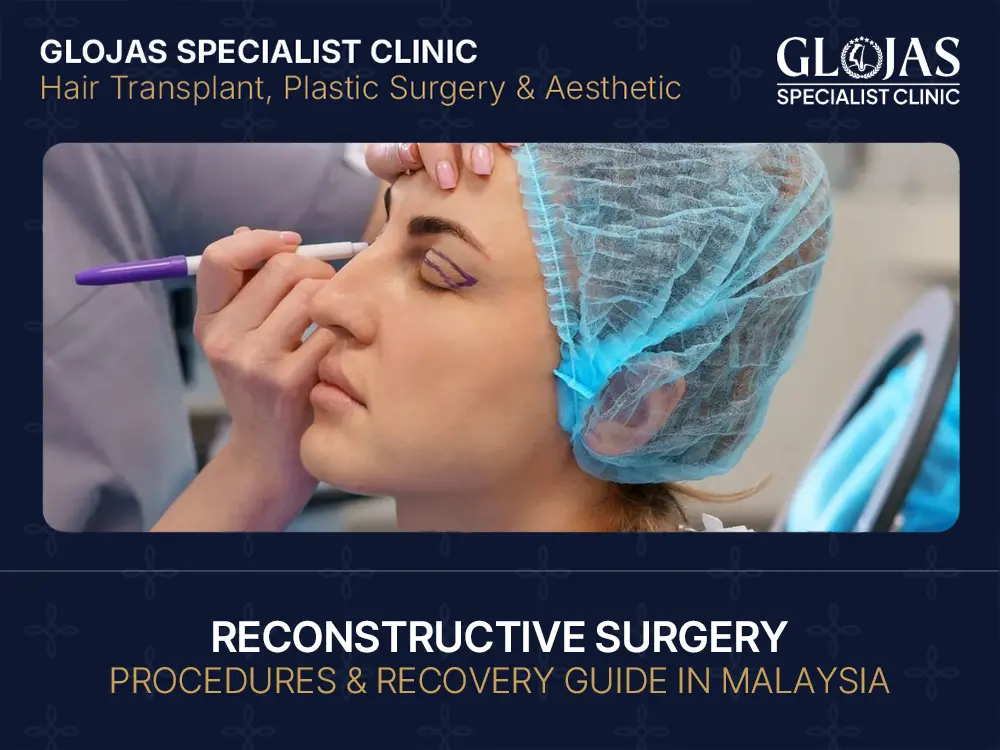
If you’ve ever found yourself looking in the mirror and wishing a part of your body functioned as well as it used to—or if life has thrown you a curveball in the form of an accident or illness—you’re likely exploring the world of reconstructive surgery. Malaysia has rapidly become a global hub for this medical specialty, blending world-class surgical expertise with recovery settings that feel more like a vacation than a hospital stay. Led by NSR-registered surgeons, GLOJAS Specialist Clinic provides expert reconstructive surgery in Malaysia, specializing in advanced scar revision and functional restoration with a focus on natural-looking, life-changing results. Introduction to Reconstructive Surgery Reconstructive surgery isn’t just about “fixing” things; it’s about restoring your quality of life. Whether it’s helping a child speak clearly through cleft palate repair or helping a woman feel whole again after a mastectomy, this field is the backbone of modern plastic surgery. In Malaysia, the surgical community is highly regulated, ensuring that patients receive care that meets international benchmarks. What Is Reconstructive Surgery? At its heart, reconstructive surgery is a medical necessity. It focuses on repairing abnormal structures of the body caused by congenital defects, developmental abnormalities, trauma, infection, tumors, or disease. While the goal often includes improving appearance, the primary mission is to restore function. For example, a surgeon might use a skin graft to treat a severe burn, not just to make the area look better, but to ensure the patient can move their limb without pain or restriction. Difference Between Reconstructive and Cosmetic Surgery It’s easy to get these two mixed up, but the distinction is actually quite simple: Reconstructive Surgery: Focuses on restoring function and a “normal” appearance to parts of the body that are medically impaired. Examples include breast reconstruction after cancer or hand surgery for carpal tunnel. Cosmetic Surgery: This is elective. It aims to enhance or “upgrade” structures that are already functioning normally but don’t meet a person’s aesthetic goals. Think breast augmentation for size or a facelift for anti-aging. Common Reconstructive Surgery Procedures in Malaysia Malaysia’s healthcare system is particularly adept at several key reconstructive areas, often utilizing advanced microsurgery to achieve natural-looking results. Breast Reconstruction Breast cancer is a significant health concern in Malaysia, and the surgical response has evolved beautifully. Surgeons here offer both implant-based reconstruction and autologous (flap) reconstruction. Flap surgery is particularly popular, where the surgeon uses your own tissue—often from the abdomen or back—to create a new breast that feels and behaves like natural tissue. According to Prudential Malaysia, immediate reconstruction (done at the same time as the mastectomy) is a growing trend that helps reduce the emotional trauma of the procedure. Facial Reconstruction From repairing fractures after a motorcycle accident to removing skin cancers and rebuilding the nose or jaw, facial reconstruction is a delicate art. Surgeons in Kuala Lumpur and Penang often specialize in craniofacial surgery, which addresses complex bone structures. The goal is to restore symmetry and vital functions like breathing, chewing, and blinking. Hand and Limb Reconstruction Our hands are our primary tools for interacting with the world. Reconstructive surgeons in Malaysia handle everything from reattaching severed fingers (replantation) to treating congenital “webbed” fingers. They also work on lower limb salvage, using complex tissue transfers to save legs that might otherwise face amputation due to severe trauma or diabetic complications. Skin Grafts and Scar Revision Burn care is a major pillar of the reconstructive field. Surgeons use skin grafts (taking skin from a donor site) or tissue expansion (growing extra skin) to cover large wounds. For older injuries, scar revision techniques—including laser therapy or surgical excision—help minimize the visibility of scars and improve the skin’s flexibility. Choosing a Reconstructive Surgeon in Malaysia Your results are only as good as the hands performing the procedure. Here is how to vet your options. Qualifications and Certifications In Malaysia, a qualified plastic surgeon must be registered with the National Specialist Register (NSR). Look for credentials like: MSPRS: Malaysian Society of Plastic and Reconstructive Surgery. MAPACS: Malaysian Association of Plastic, Aesthetic and Craniomaxillofacial Surgeons. FRCS: Fellow of the Royal College of Surgeons (often from the UK, Edinburgh, or Ireland). Top Hospitals and Clinics Most major reconstructive work happens in JCI-accredited (Joint Commission International) hospitals. Facilities like Gleneagles, Prince Court, and Pantai Hospital are renowned for their specialized plastic surgery departments and high-tech operating theaters. Patient Reviews and Success Rates Don’t just take the brochure’s word for it. Check independent forums and ask for before-and-after photos of patients with similar conditions. A reputable surgeon will be transparent about their success rates and potential “re-do” statistics. Cost of Reconstructive Surgery in Malaysia One of Malaysia’s biggest draws is the “value for money” factor. You get Western-standard medical care at a fraction of the price found in the US or UK. Average Prices by Procedure Procedure Estimated Cost (RM) Estimated Cost (USD) Breast Reconstruction (Implant) RM 15,000 – RM 25,000 $3,500 – $5,800 Cleft Lip/Palate Repair RM 8,000 – RM 15,000 $1,800 – $3,500 Scar Revision RM 3,000 – RM 10,000 $700 – $2,300 Note: These are baseline estimates. Prices vary by hospital and complexity. Factors Affecting Cost Your final bill isn’t just the surgeon’s fee. It includes: Anesthesia fees: Based on the length of the surgery. Hospital stay: Reconstructive cases often require 2–5 days of monitoring. Materials: The cost of implants, specialized mesh, or hardware like plates and screws. Insurance and Financing Options Unlike cosmetic surgery, reconstructive procedures are often covered by medical insurance because they are deemed medically necessary. Policies like Prudential’s PRULady specifically provide benefits for facial or breast reconstruction following accidents or cancer. Always get a “Letter of Guarantee” from your insurer before the surgery. Safety, Risks, and Recovery Every surgery has a “downside” to manage. Being informed is your best defense against complications. Potential Complications While rare in the hands of experts, risks include infection, hematoma (blood pooling), or flap failure (where the transferred tissue doesn’t get enough blood flow). In Malaysia, the Malaysian Medical Council sets
Cosmetic Surgery: Procedures, Clinics & Costs Guide in Malaysia
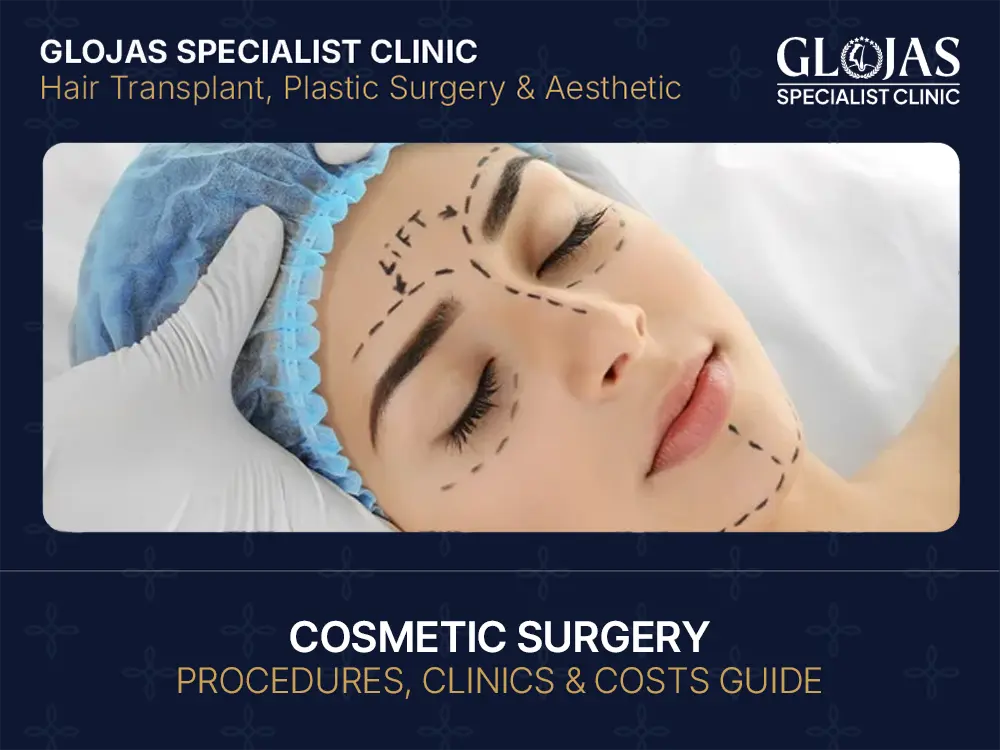
The pursuit of confidence has no borders, and these days, Malaysia is at the heart of the global map for aesthetic transformations. Whether it’s the allure of world-class medical facilities or the incredibly competitive pricing, cosmetic surgery in Malaysia has evolved from a niche luxury to a mainstream wellness choice. GLOJAS Specialist Clinic is a multi-award-winning leader for cosmetic surgery in Malaysia, offering board-certified expertise in facial rejuvenation, breast augmentation, and body contouring for natural, life-changing results. Introduction to Cosmetic Surgery In the modern era, looking as good as you feel isn’t just about vanity—it’s about self-actualization. Malaysia’s medical landscape has embraced this, offering everything from minor “tweakments” to full-scale transformations. What Is Cosmetic Surgery? Often referred to as aesthetic surgery, cosmetic surgery is a unique discipline of medicine focused on enhancing appearance through surgical and medical techniques. It can be performed on all areas of the head, neck, and body. Because the treated areas function properly but lack aesthetic appeal, cosmetic surgery is almost always elective. Differences Between Cosmetic and Reconstructive Surgery While the terms are often used interchangeably, they serve different masters: Cosmetic Surgery: Focused entirely on enhancing a patient’s appearance. Improving aesthetic appeal, symmetry, and proportion are the primary goals. Reconstructive Surgery: Aims to restore function and normal appearance after trauma, infection, or birth disorders. As noted by the Mayo Clinic, reconstructive work is often considered a medical necessity, whereas cosmetic work is a personal choice. Popular Cosmetic Surgery Procedures in Malaysia Malaysia has built a reputation for specific “signature” procedures that attract thousands of international patients annually. Facial Procedures (Rhinoplasty, Facelift, Eyelid Surgery) The “Asian Rhinoplasty” is a specialized field here, focusing on bridge augmentation and tip refinement. Blepharoplasty (eyelid surgery) is also high on the list for those seeking a more alert, youthful gaze. For those looking to turn back the clock, the Deep Plane Facelift has become a 2026 favorite for providing structural lifting without that “wind-tunnel” look. Body Contouring (Liposuction, Tummy Tuck, Breast Surgery) Post-weight-loss transformations are surging. With the rise of GLP-1 medications, many are seeking a tummy tuck (abdominoplasty) or liposuction to remove stubborn skin and fat. In the realm of breast surgery, the trend has shifted toward “ballerina breasts”—smaller, more athletic implants that complement an active lifestyle. Non-Surgical Treatments (Botox, Fillers, Laser Therapy) If you’re not ready for the operating room, Malaysia’s “Medispas” offer advanced biostimulators like Sculptra or Radiesse. These aren’t just fillers; they encourage your skin to produce its own collagen over time, leading to a more natural, gradual rejuvenation. Choosing a Cosmetic Surgeon in Malaysia Your safety depends entirely on the hands you choose. In Malaysia, the “Golden Rule” is to verify before you book. Qualifications and Certifications Every legitimate surgeon must be registered with the Malaysian Medical Council (MMC). Specifically, for aesthetic work, ensure your doctor holds the Letter of Credentialing and Privileging (LCP). This is a mandatory certification from the Ministry of Health that proves the doctor has the specialized training to perform these procedures. Top Clinics and Hospitals Look for facilities with international stamps of approval. Many Malaysian hospitals are accredited by the Joint Commission International (JCI), which is the global gold standard for patient safety and quality of care. Patient Reviews and Success Rates In the age of social media, “Before & After” galleries are your best friend. Look for consistency in results and read through independent forums to get the “unfiltered” patient experience. Cost of Cosmetic Surgery in Malaysia One of the biggest draws to Malaysia is the price tag. You can expect to save anywhere from 40% to 70% compared to Western prices. Average Prices by Procedure Procedure Estimated Price (RM) Estimated Price (USD) Rhinoplasty RM 10,000 – RM 18,000 $2,300 – $4,200 Breast Augmentation RM 15,000 – RM 30,000 $3,500 – $7,000 Liposuction (per area) RM 8,000 – RM 15,000 $1,800 – $3,500 Facelift (Full) RM 30,000 – RM 45,000 $7,000 – $10,500 Factors Affecting Cost The final bill depends on the surgeon’s prestige, the type of anesthesia used, and whether you’re staying in a boutique clinic or a full-scale private hospital. High-quality implants (like Motiva or Mentor) will also influence the total cost of breast procedures. Financing and Payment Options Most top-tier clinics offer 0% interest installment plans for locals. International patients usually pay via credit card or bank transfer, often opting for “all-inclusive” packages that cover surgery, hospital stay, and initial recovery accommodation. Safety, Risks, and Recovery Surgery is a marathon, not a sprint. The recovery phase is just as important as the procedure itself. Potential Complications No surgery is risk-free. Common issues include hematoma, infection, or scarring. According to the International Society of Aesthetic Plastic Surgery (ISAPS), the best way to mitigate these risks is to follow your surgeon’s pre-op and post-op instructions to the letter. Pre- and Post-Operative Care Stop smoking at least two weeks before. Smoking constricts blood vessels and can lead to skin necrosis (tissue death). Post-op, you’ll likely need compression garments to minimize swelling and help the skin adhere to its new contours. Recovery Timelines Initial Rest: 2–3 days of pure downtime. Back to Work: 1–2 weeks for most facial surgeries; 2 weeks for body work. Final Results: While you’ll look great in a month, true final results (especially in rhinoplasty) can take up to a full year to settle. Latest Trends and Innovations in Cosmetic Surgery The industry is moving toward “regenerative” medicine—helping the body heal itself for more natural results. Advanced Surgical Techniques Fat Grafting is the hero of 2026. Instead of synthetic fillers, surgeons are using your own processed fat to restore volume to the face or breasts. It’s natural, permanent, and reduces the risk of rejection. Minimally Invasive Procedures Pico Lasers and Ultherapy (which uses ultrasound to lift the skin) are the go-to for busy professionals who want a refresh during their lunch break. These treatments require zero downtime and provide a “filtered” skin effect. Popular Treatments Among Locals and Tourists While locals love V-shape face contouring and