
5 Incredible Benefits of Chin Liposuction for a Slimmer, Defined Jawline

Chin liposuction, also known as submental liposuction in plastic surgery malaysia, is a popular cosmetic procedure designed to remove excess fat from the chin and neck area. This procedure can provide a more sculpted and youthful appearance, especially for those struggling with a double chin or excess fat under the jawline. In recent years, chin liposuction has gained popularity due to its minimal downtime and effective results. This article will explore the process, benefits, risks, and everything you need to know about chin liposuction. What is Chin Liposuction? Chin liposuction is a surgical procedure that removes excess fat from the area under the chin and around the neck. This procedure is often recommended for individuals with stubborn fat in the chin area that is resistant to diet and exercise. The goal of chin liposuction is to create a more defined and contoured jawline, enhancing the overall facial profile. How Does Chin Liposuction Work? During chin liposuction, a cosmetic surgeon uses a thin tube called a cannula to suction out excess fat from the targeted areas. This is typically done under local anesthesia, ensuring that the patient is comfortable throughout the procedure. The surgeon makes small, discreet incisions through which the cannula is inserted. Once the fat is removed, the incisions are closed, and the recovery process begins. Benefits of Chin Liposuction Chin liposuction offers several benefits, making it an appealing option for those looking to enhance their facial appearance. Here are five incredible benefits of chin liposuction: 1. Immediate and Long-Lasting Results One of the most significant advantages of chin liposuction is the immediacy of the results. Patients can typically see a noticeable improvement in the shape and contour of their chin and jawline within a few days after the procedure. The results are long-lasting as the fat cells removed during liposuction do not regenerate, ensuring that the newly contoured jawline remains in place as long as the patient maintains a stable weight. 2. Minimally Invasive Procedure Chin liposuction is a minimally invasive procedure, meaning it involves small incisions and requires only local anesthesia. This minimizes the risks and recovery time associated with more extensive surgeries. Most patients can resume their normal activities within a week of the procedure, making it a convenient option for those with busy lifestyles. 3. Boosts Self-Confidence Excess fat under the chin can be a source of self-consciousness for many people. It can make the face appear heavier and less defined. Chin liposuction helps to eliminate this concern by providing a more sculpted and youthful appearance. Many patients report feeling more confident in their appearance after the procedure, especially in photographs and social settings. 4. Permanent Fat Removal Once the fat is removed during chin liposuction, it is gone for good. Unlike weight loss through diet and exercise, where fat cells shrink but do not disappear, chin liposuction physically removes fat cells. This permanent fat removal ensures that even if the patient gains weight in the future, the treated area is less likely to accumulate fat as it did before. 5. Improves Overall Facial Harmony Chin liposuction can dramatically improve facial harmony by enhancing the balance between the chin, neck, and other facial features. A more defined jawline can make the face appear slimmer and create a more youthful and aesthetically pleasing appearance. This procedure is especially beneficial for individuals with a double chin or excess fat that obscures their natural jawline. Who is a Good Candidate for Chin Liposuction? Chin liposuction is ideal for individuals who are in good health and have realistic expectations about the results. The best candidates for this procedure are those who: Have excess fat under the chin that does not respond to diet or exercise. Have good skin elasticity, which allows the skin to retract smoothly after the fat is removed. Are within 30% of their ideal body weight. Do not smoke or are willing to quit smoking before and after the surgery to promote healing. Chin Liposuction vs. Other Chin Contouring Procedures In addition to chin liposuction, other procedures are available to improve the appearance of the chin and neck, such as neck lift surgery and non-surgical treatments like Kybella. Here is a brief comparison: Chin Liposuction: Removes fat permanently and provides immediate, dramatic results with minimal downtime. Kybella: A non-surgical injectable treatment that dissolves fat under the chin over several sessions. Results take longer to appear and may require multiple treatments. Neck Lift: A more invasive surgery that not only removes fat but also tightens loose skin. This option may be suitable for individuals with significant skin laxity. The Chin Liposuction Procedure: Step-by-Step Understanding the steps involved in chin liposuction can help alleviate any concerns you may have about the procedure. Here’s what to expect: 1. Consultation and Preparation The first step is a consultation with a qualified cosmetic surgeon to discuss your goals and determine if chin liposuction is the right option for you. During this consultation, the surgeon will assess your facial structure, skin elasticity, and the amount of fat present under your chin. You will also receive instructions on how to prepare for the procedure, including any medications to avoid before surgery. 2. Anesthesia and Incisions On the day of the surgery, local anesthesia is administered to numb the chin and neck area. Small incisions, typically less than an inch long, are made in discreet areas, such as behind the ears or under the chin, to insert the cannula. 3. Fat Removal The cannula is then used to break up and suction out the excess fat cells. The surgeon moves the cannula back and forth to ensure even fat removal and sculpt the desired shape. 4. Recovery Once the fat has been removed, the incisions are closed, and a compression garment is placed around the chin and neck to minimize swelling and promote healing. Most patients experience mild swelling and bruising, which subsides within a few days. Recovery is typically quick, and most individuals can return to work within 5 to 7 days.
5 Incredible Benefits of Arm Liposuction You Need to Know

Arm fat can be difficult to reduce through diet and exercise alone, leading many people to seek plastic surgery in Malaysia. One increasingly popular option is arm liposuction, a cosmetic procedure designed to remove excess fat from the upper arms and give them a more toned, sculpted appearance. In this comprehensive guide, we’ll explore the key benefits, process, and what you should expect from arm liposuction. What Is Arm Liposuction? Arm liposuction is a targeted fat-removal procedure that specifically focuses on reducing excess fat in the upper arms. The goal of the surgery is to create a slimmer, more contoured arm shape by eliminating stubborn fat deposits that are resistant to traditional weight-loss methods. This procedure is ideal for individuals who have tried diet and exercise but still struggle with sagging or “flabby” arms. Using a small tube called a cannula, a surgeon will remove unwanted fat cells through suction. The result is a leaner, more defined upper arm area, offering a boost in confidence for those who have been self-conscious about their arms. Key Benefits of Arm Liposuction 1. Immediate and Noticeable Results One of the most attractive benefits of arm liposuction is that it delivers almost immediate results. Patients can see a visible difference in the shape and contour of their arms shortly after the procedure. Once the swelling subsides, typically within a few weeks, the arms appear slimmer and more toned. Unlike non-surgical fat reduction methods, liposuction provides a more dramatic transformation. Since the fat cells are permanently removed during the procedure, as long as you maintain a stable weight, the results can be long-lasting. 2. Minimal Scarring Arm liposuction is considered a minimally invasive procedure. During the surgery, small incisions are made in inconspicuous areas of the arm, and a thin tube is used to remove the fat. Because the incisions are so small (usually only a few millimeters), scarring is minimal and often fades over time. For many patients, any scarring that does occur is easily hidden or barely noticeable. This makes arm liposuction an appealing option for those who want to improve their arm contour without worrying about significant post-surgery marks. 3. Quick Recovery Time Compared to other surgical procedures, the recovery time for arm liposuction is relatively quick. Most patients can return to their regular activities within a few days, though strenuous exercise and heavy lifting should be avoided for about two to three weeks. Compression garments are usually recommended for the first few weeks to help reduce swelling and promote optimal healing. The downtime is generally minimal, making it a suitable option for those with busy schedules or who want to achieve toned arms without taking significant time off work or other commitments. 4. Boost in Confidence and Self-Esteem For many people, flabby or sagging arms can cause self-consciousness, especially when wearing sleeveless tops or swimsuits. One of the major psychological benefits of arm liposuction is the boost in confidence and self-esteem that often follows. After the procedure, patients can enjoy the freedom of wearing more revealing clothing and feeling good about how their arms look. This increased confidence often extends into other areas of life, including professional settings and social interactions, making arm liposuction more than just a cosmetic enhancement—it can also improve emotional well-being. 5. Targeted Fat Reduction One of the unique advantages of arm liposuction is that it allows for precise, targeted fat reduction. While diet and exercise can lead to overall weight loss, they cannot specifically target areas like the upper arms. Liposuction, however, allows a skilled surgeon to focus solely on the areas of concern, ensuring a more tailored and effective outcome. This level of precision ensures that the fat is removed from the areas where it’s needed most, resulting in a more sculpted and symmetrical arm shape. The Arm Liposuction Procedure: What to Expect Understanding the steps involved in arm liposuction can help alleviate any concerns or uncertainties you might have about the process. Below is an overview of what you can expect before, during, and after the procedure. 1. Consultation with a Surgeon The first step is a consultation with a board-certified plastic surgeon. During this meeting, your surgeon will evaluate your medical history, discuss your goals, and examine your arms to determine if arm liposuction is the right procedure for you. This is also the time to ask any questions you have about the surgery, recovery, and potential results. 2. Preparation for Surgery On the day of your arm liposuction, you’ll be given anesthesia to ensure you’re comfortable throughout the procedure. This could be local anesthesia, sedation, or general anesthesia, depending on your surgeon’s recommendation and the complexity of the surgery. 3. Fat Removal Once you’re prepped, the surgeon will make small incisions in inconspicuous areas of your arms. A cannula, which is a thin, hollow tube, is inserted through these incisions to loosen and suction out the excess fat. The surgeon will carefully shape the area to ensure a smooth, natural contour. 4. Post-Surgery Recovery After the procedure, you’ll be given a compression garment to wear on your arms. This garment helps to reduce swelling and support your arms as they heal. You may experience some swelling, bruising, and discomfort for the first few days, but these symptoms typically improve quickly. Arm Liposuction vs. Arm Lift: What’s the Difference? It’s essential to differentiate between arm liposuction and an arm lift (also known as a brachioplasty). While both procedures are designed to enhance the appearance of the arms, they serve different purposes. Arm Liposuction: Primarily focuses on removing excess fat. It is ideal for patients who have good skin elasticity and only need fat reduction. Arm Lift (Brachioplasty): Involves both fat removal and the excision of excess skin. This procedure is often recommended for individuals with significant skin sagging, usually due to substantial weight loss or aging. Your surgeon will help determine which procedure is best suited for your needs based on your skin’s condition and the results you’re hoping to achieve. Who
Dimple Surgery: 7 Fascinating Facts About This Popular Cosmetic Procedure
Dimples are often seen as a sign of charm and attractiveness, which is why many people seek to enhance their smiles with dimple surgery. This cosmetic procedure, also known as dimpleplasty, has become increasingly popular among those looking to add or accentuate dimples on their cheeks. This article explores everything you need to know about dimple surgery, including its benefits, procedure details, and essential considerations before deciding if it’s right for you. What Is Dimple Surgery? Dimple surgery, or dimpleplasty known as one of medical surgery in plastic surgery malaysia is a minimally invasive cosmetic procedure that creates dimples on the cheeks. Dimples occur naturally when a small muscle in the cheek pulls the skin inward, forming a small indentation. While some people are born with dimples, others may opt for surgery to create this sought-after feature. How Does Dimple Surgery Work? Dimple surgery is a straightforward procedure that typically takes about 30 minutes to an hour. During the surgery, the surgeon makes a small incision inside the cheek to create a defect in the cheek muscle. A small suture is then placed through the muscle to pull the skin inward, forming a dimple. The suture dissolves over time, but the dimple remains as the skin heals in the new shape. Who Should Consider Dimple Surgery? Dimple surgery is ideal for individuals who desire a more defined facial appearance with the addition of dimples. It is suitable for both men and women, and the procedure can be customized to create dimples that complement your facial structure. Before undergoing surgery, it’s essential to have realistic expectations and consult with a qualified surgeon to discuss the potential results. The 7 Fascinating Facts About Dimple Surgery 1. Permanent Yet Natural Results One of the most appealing aspects of dimple surgery is the natural-looking and permanent results it delivers. Once the procedure is complete, the dimples become a lasting feature of your smile. Initially, the dimples may appear more pronounced, especially when the face is at rest, but over time, they blend seamlessly with your natural expressions, becoming visible mainly when you smile. 2. Quick and Minimally Invasive Dimple surgery is a quick, minimally invasive procedure with a relatively short recovery time. Since the surgery is performed under local anesthesia, patients can usually go home the same day. The small incisions inside the mouth heal quickly, and most people can return to their normal activities within a few days. 3. Customizable Dimple Placement Another fascinating fact about dimple surgery is its customizable nature. During your consultation, you and your surgeon can discuss the ideal placement and depth of the dimples to ensure they complement your unique facial features. Whether you prefer subtle dimples or more prominent ones, the procedure can be tailored to your preferences. 4. Low Risk of Complications Dimple surgery is generally considered safe, with a low risk of complications when performed by an experienced surgeon. Common side effects include mild swelling, bruising, and discomfort, which typically resolve within a few days. Because the incisions are made inside the mouth, there is no visible scarring on the face, further minimizing the risks associated with the surgery. 5. Cultural Significance of Dimples Dimples have different cultural significances around the world, often associated with beauty, luck, and charm. In many cultures, dimples are seen as a desirable trait, enhancing one’s attractiveness and social appeal. This cultural appreciation has contributed to the growing popularity of dimple surgery, especially in regions where dimples are particularly revered. 6. Reversible Procedure While the results of dimple surgery are intended to be permanent, the procedure is technically reversible. If a patient is unsatisfied with the outcome or experiences any complications, the dimples can be corrected or reversed by releasing the sutures. However, this is rarely necessary, as most patients are pleased with the results of their dimple surgery. 7. Affordable Cosmetic Option Compared to other cosmetic procedures, dimple surgery is relatively affordable. The cost varies depending on the surgeon’s experience, the geographic location of the practice, and the specifics of the procedure. Many people find the cost to be a worthwhile investment in enhancing their appearance and boosting their self-confidence. The Dimple Surgery Procedure: Step-by-Step Consultation and Planning The first step in the dimple surgery process is a consultation with a qualified cosmetic surgeon. During this appointment, you’ll discuss your aesthetic goals, review your medical history, and determine whether you’re a good candidate for the procedure. The surgeon will also explain the procedure in detail, including potential risks and the expected outcome. The Surgery Day On the day of the surgery, local anesthesia is administered to numb the treatment area. The surgeon makes a small incision inside the cheek at the predetermined dimple site. A tiny piece of cheek muscle is removed, and a suture is placed to create the dimple. The suture is tied tightly to pull the skin inward, forming the desired indentation. Recovery and Aftercare After the surgery, patients may experience some swelling and discomfort, which can be managed with pain relievers and cold compresses. It’s essential to follow the surgeon’s aftercare instructions to ensure proper healing. This includes maintaining good oral hygiene, avoiding strenuous activities, and following a soft food diet for a few days. Long-Term Results As the swelling subsides and the tissues heal, the dimples will begin to look more natural. The sutures inside the cheek will dissolve over time, leaving a permanent indentation in the skin. Most patients are fully healed within a few weeks and can enjoy their new dimples as a natural part of their smile. Potential Risks and Considerations Common Side Effects While dimple surgery is safe, it’s essential to be aware of potential side effects. Common side effects include swelling, bruising, and temporary numbness in the treated area. These effects are typically mild and resolve on their own within a few days to a week. Infection and Scarring As with any surgical procedure, there is a slight risk of infection. To minimize this risk, it’s crucial to
10 Amazing Benefits of Fat Transfer to Face for Youthful Skin
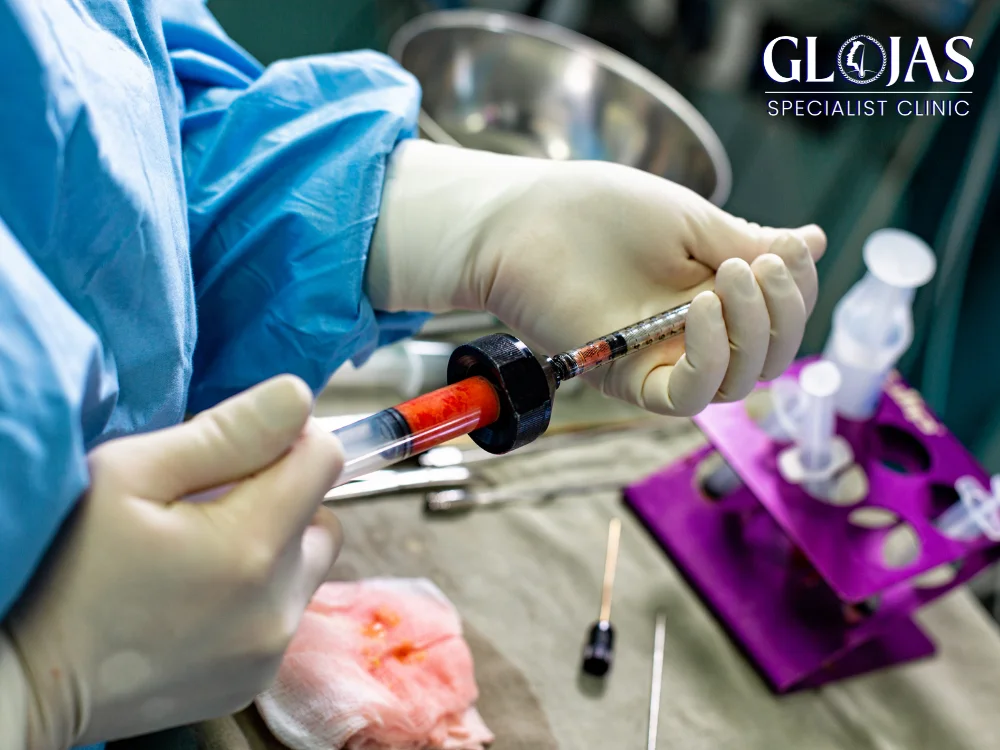
Fat transfer to the face is becoming increasingly popular in the world of cosmetic procedures. This innovative technique uses your body’s own fat to restore volume, smooth wrinkles, and rejuvenate your appearance. Whether you’re looking to combat signs of aging or enhance facial contours, fat transfer offers a natural solution with lasting results. In this article, we’ll dive deep into the benefits, procedure, and recovery process to help you understand why fat transfer to the face is the go-to treatment for many seeking a youthful look. What is Fat Transfer to Face? Fat transfer to the face, also known as fat grafting or fat injection, involves harvesting fat from one part of the body (typically the thighs, abdomen, or buttocks) and injecting it into areas of the face that have lost volume or definition. This process can help reduce wrinkles, add fullness to the cheeks, lips, or under-eye areas, and provide an overall rejuvenated appearance. Since the procedure uses your body’s own fat, it provides a more natural alternative to synthetic fillers. Why Choose Fat Transfer to Face Over Traditional Fillers? When considering facial rejuvenation, you might wonder why fat transfer is preferable to traditional dermal fillers. Here’s a quick comparison: Natural Results: One of the key advantages of fat transfer to the face is that it uses your body’s natural fat. This reduces the risk of allergic reactions or adverse side effects that can sometimes occur with synthetic fillers. Longevity: While dermal fillers typically last anywhere from six months to a year, fat transfer results can be much more durable. Once the fat cells have established a blood supply in the new area, they can last for years. Dual Benefit: Fat grafting involves liposuction to extract fat from donor areas, so you’re not only rejuvenating your face but also slimming down another part of your body. The Step-by-Step Procedure of Fat Transfer to Face Understanding how the fat transfer process works can ease your concerns and help you feel more confident in opting for this treatment. Below is a breakdown of the typical steps involved: 1. Fat Harvesting The procedure starts with liposuction to remove fat from areas such as the abdomen, thighs, or hips. A small incision is made, and a cannula is used to gently suction out the fat. This step is minimally invasive and usually performed under local anesthesia. 2. Fat Processing Once the fat is harvested, it goes through a purification process. This ensures that only healthy, viable fat cells are used for transfer. The purified fat is then loaded into small syringes for precise injection into the face. 3. Fat Injection Finally, the purified fat is strategically injected into the areas of the face that require volume restoration. The surgeon carefully molds and shapes the area to ensure smooth, natural-looking results. Who is an Ideal Candidate for Fat Transfer to Face? Not everyone is an ideal candidate for fat transfer to the face. The best candidates are individuals who: Have noticeable volume loss in areas like the cheeks, temples, or under-eye areas. Desire a more natural alternative to synthetic fillers. Have enough excess fat in donor areas for extraction. Are in good health and have realistic expectations about the results. It’s always important to consult with a certified plastic surgeon to assess whether fat transfer to the face is suitable for your unique facial structure and aesthetic goals. Recovery Process After Fat Transfer to Face The recovery process for fat transfer to the face is generally smooth, but it’s essential to follow all post-procedure instructions for optimal results. Here’s what to expect: Swelling and Bruising: Immediately after the procedure, swelling and bruising are common but subside within a week or two. Mild Discomfort: You may experience some discomfort at both the donor and injection sites, but this is usually manageable with prescribed pain medication. Gradual Results: While you’ll notice immediate changes, the final results of the fat transfer may take a few months to fully manifest as the swelling reduces and the fat settles. Potential Risks and Side Effects As with any medical procedure, fat transfer to the face comes with some risks. However, these risks are generally minimal compared to other cosmetic surgeries. Potential side effects include: Fat Reabsorption: Not all of the transferred fat will survive. It’s normal for some fat to be reabsorbed by the body over time, which may require a touch-up procedure. Asymmetry: In rare cases, uneven fat distribution may occur, though an experienced surgeon can minimize this risk. Infection: As with any surgery, there is a slight risk of infection, but proper care and hygiene can reduce this risk significantly. The Long-Term Benefits of Fat Transfer to Face Fat transfer to the face offers long-lasting benefits beyond just filling wrinkles. Some of the key long-term advantages include: Youthful Appearance: By restoring lost volume, fat grafting helps achieve a fuller, more youthful look. Natural Contouring: The fat transfer procedure enhances facial contours, providing a balanced, proportionate appearance. Minimal Scarring: Since the incisions made for fat extraction are tiny, there’s virtually no visible scarring on either the donor or the treatment site. Smoother Skin: Fat is rich in stem cells, which may improve skin texture and promote skin healing and rejuvenation. How Long Do Results Last? The results of fat transfer to the face can last several years, making it a more durable option than synthetic fillers. However, the exact longevity can vary based on factors such as the surgeon’s technique, the area treated, and your body’s natural ability to maintain the transferred fat. Many patients enjoy their results for five years or more, with some needing minor touch-ups over time. Cost of Fat Transfer to Face The cost of fat transfer to the face can vary widely depending on factors like the surgeon’s expertise, location, and the extent of the treatment. On average, you can expect to pay between $3,000 and $7,000. While this may seem higher than traditional fillers, the longevity of the
Penghapusan Lemak Pipi (Buccal) : Memahami Prosedur dan Manfaatnya
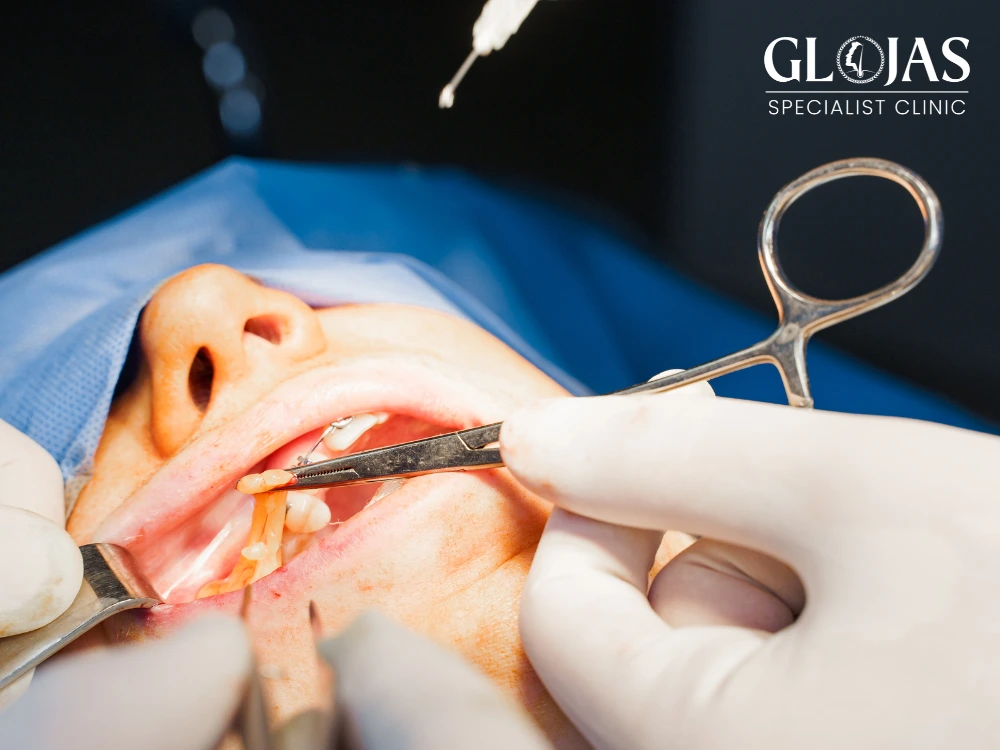
Penghapusan lemak pipi (buccal) merupakan salah satu prosedur pembedahan estetik yang semakin mendapat perhatian di kalangan masyarakat. Prosedur ini bertujuan untuk mengurangkan lemak di kawasan pipi, dikenali sebagai buccal fat pads. Dengan menghapuskan lemak ini, individu dapat mencapai bentuk wajah yang lebih tirus dan terdefinisi, yang sering dianggap lebih menarik. Dalam artikel ini, kita akan meneroka secara mendalam mengenai penghapusan lemak pipi (buccal), termasuk definisi, prosedur, manfaat, risiko, dan proses pemulihan. Apa Itu Penghapusan Lemak Pipi (Buccal)? Penghapusan lemak pipi (buccal) adalah prosedur pembedahan yang bertujuan untuk mengurangkan jumlah lemak yang terdapat di dalam buccal fat pads. Lemak pipi (buccal) pads adalah dua kantung lemak yang terletak di antara pipi dan gigi molar di setiap sisi wajah. Kehadiran lemak ini memberi kesan pada bentuk wajah, menjadikannya kelihatan lebih bulat. Prosedur ini menjadi pilihan bagi mereka yang ingin mendapatkan penampilan yang lebih slim dan berdefinisi, terutamanya individu dengan wajah bulat atau penuh. Siapa yang Sesuai untuk Menghadapi Prosedur Ini? Tidak semua individu adalah calon yang sesuai untuk penghapusan lemak pipi (buccal). Calon yang ideal biasanya terdiri daripada: 1. Individu dengan Wajah Bulat : Mereka yang mempunyai bentuk wajah bulat atau penuh dan ingin menekankan tulang pipi dan garis rahang. 2. Berat Badan Stabil : Calon yang sudah berada pada berat badan ideal atau hampir dengan berat badan ideal. Prosedur ini bukanlah solusi untuk masalah berat badan yang lebih besar. 3. Kesihatan Baik : Calon harus berada dalam keadaan sihat secara keseluruhan dan tidak mempunyai penyakit yang dapat meningkatkan risiko komplikasi semasa dan selepas pembedahan. 4. Harapan Realistik : Individu yang memahami dan mempunyai harapan realistik mengenai hasil yang dapat dicapai melalui prosedur ini. View this post on Instagram A post shared by Aesthetic Clinic Kuala Lumpur | Plastic Surgery, Hair Transplant (@glojasspecialist) Prosedur Penghapusan Lemak Pipi (Buccal) Prosedur penghapusan lemak pipi (buccal) biasanya dilakukan di klinik pembedahan atau hospital oleh pakar bedah plastik yang berkelayakan. Berikut adalah langkah-langkah yang biasanya terlibat dalam prosedur ini: 1. Konsultasi Awal : Proses ini bermula dengan pertemuan antara pesakit dan pakar bedah. Dalam sesi ini, pesakit akan membincangkan sejarah perubatan, kebimbangan, dan harapan mengenai hasil akhir. Doktor juga akan melakukan pemeriksaan fizikal untuk menilai bentuk wajah dan mengesyorkan jumlah lemak pipi (buccal) yang boleh dihapuskan. 2. Penandaan Kawasan : Sebelum pembedahan, pakar bedah akan menandakan kawasan di dalam mulut di mana sayatan akan dibuat. Ini membantu dalam memastikan ketepatan semasa pembedahan. 3. Anestesia : Prosedur ini biasanya dilakukan di bawah anestesia tempatan, yang akan memastikan pesakit tidak merasakan kesakitan semasa pembedahan. Dalam sesetengah kes, anestesia umum juga mungkin digunakan. 4. Sayatan : Pakar bedah akan membuat sayatan kecil di bahagian dalam pipi, biasanya di kawasan yang tidak dapat dilihat. Sayatan ini membolehkan akses ke buccal fat pads. 5. Pengeluaran Lemak : Dengan menggunakan instrumen khas, lemak pipi (buccal) akan dikeluarkan secara hati-hati. Jumlah lemak yang dihapuskan bergantung kepada hasil yang diinginkan dan keputusan yang telah dibincangkan semasa konsultasi. 6. Penutupan Sayatan : Setelah lemak dikeluarkan, sayatan akan ditutup dengan jahitan. Jahitan ini biasanya adalah jahitan yang boleh larut dengan sendirinya, yang bermaksud pesakit tidak perlu datang kembali untuk mengeluarkan jahitan. 7. Pemulihan : Setelah prosedur selesai, pesakit akan dipantau untuk jangka waktu pendek sebelum dibenarkan pulang. Pemulihan biasanya memerlukan beberapa hari hingga seminggu. Manfaat Penghapusan Lemak Pipi (Buccal) Penghapusan lemak pipi (buccal) menawarkan pelbagai manfaat, termasuk: 1. Kontur Wajah yang Ditingkatkan : Prosedur ini dapat memberikan bentuk wajah yang lebih terdefinisi, menjadikan tulang pipi dan garis rahang lebih menonjol. 2. Penampilan Lebih Muda : Mengurangkan lemak di pipi boleh membantu mengurangkan penampilan penuaan, memberikan wajah yang lebih ramping dan segar. 3. Hasil Kekal : Berbanding dengan teknik non-invasif, hasil dari penghapusan lemak pipi (buccal) adalah kekal, kerana lemak yang dikeluarkan tidak akan tumbuh kembali. 4. Parut Minimum : Oleh kerana sayatan dilakukan di dalam mulut, parut yang kelihatan adalah minimum dan tidak mengganggu penampilan. 5. Pemulihan yang Relatif Pantas : Kebanyakan pesakit dapat kembali ke aktiviti normal dalam tempoh seminggu, menjadikannya pilihan yang baik bagi mereka yang ingin cepat melihat hasil. Risiko dan Pertimbangan Walaupun terdapat banyak manfaat, prosedur ini juga mempunyai risiko dan komplikasi yang mungkin timbul, termasuk: 1. Jangkitan : Seperti mana-mana prosedur pembedahan, terdapat risiko jangkitan. Namun, ini dapat dikendalikan dengan penggunaan antibiotik. 2. Asimetri Wajah : Jika terlalu banyak lemak dikeluarkan dari satu sisi, ia boleh menyebabkan wajah kelihatan tidak seimbang. Oleh itu, adalah penting untuk berkomunikasi dengan pakar bedah mengenai hasil yang diinginkan. 3. Kerosakan Saraf : Terdapat risiko kecil untuk merosakkan saraf wajah semasa pembedahan, yang boleh menyebabkan perubahan dalam sensasi atau pergerakan. 4. Pengeluaran Berlebihan : Sekiranya terlalu banyak lemak dikeluarkan, ia boleh mengakibatkan pipi kelihatan cekung pada masa akan datang. 5. Bengkak dan Lebam : Bengkak dan lebam selepas pembedahan adalah biasa, tetapi biasanya akan reda dalam beberapa minggu. Proses Pemulihan Proses pemulihan selepas penghapusan lemak pipi (buccal) adalah penting untuk memastikan hasil yang terbaik. Berikut adalah beberapa perkara yang boleh dijangkakan semasa proses pemulihan: 1. Pasca Pembedahan Segera : Pesakit mungkin mengalami bengkak dan ketidakselesaan pada beberapa hari pertama. Kesakitan biasanya dapat dikawal dengan ubat yang ditetapkan oleh pakar bedah. 2. Diet Lembut : Dalam beberapa hari pertama pemulihan, pesakit disarankan untuk makan makanan lembut bagi mengelakkan memberi tekanan kepada kawasan pembedahan. Makanan seperti yogurt, sup, dan puri adalah pilihan yang baik. 3. Hidrasi : Memastikan pengambilan air yang mencukupi adalah penting untuk membantu proses penyembuhan. Dehidrasi boleh memperlahankan pemulihan. 4. Aktiviti Fizikal : Pesakit disarankan untuk menghindari aktiviti fizikal yang berat selama beberapa minggu. Ini penting untuk mengelakkan tekanan pada kawasan yang telah dipotong. 5. Janji Temu Susulan : Pesakit perlu menjadualkan janji temu susulan dengan pakar bedah untuk memantau proses penyembuhan dan memastikan tidak ada komplikasi. Tips untuk Memastikan Pemulihan yang Berkesan 1. Ikuti Arahan Doktor : Pastikan untuk mengikuti semua arahan pasca pembedahan yang diberikan oleh pakar bedah. 2. Elakkan Merokok dan Alkohol : Merokok dan pengambilan alkohol boleh memperlahankan proses penyembuhan dan meningkatkan risiko komplikasi. 3. Perhatikan Tanda-tanda Jangkitan : Jika terdapat tanda-tanda seperti demam, kemerahan yang berlebihan, atau
5 Life-Changing Benefits of a Tummy Tuck You Should Know About

For many people, achieving a flat, toned abdomen can be challenging, even with a strict diet and exercise regimen. Factors such as aging, genetics, pregnancy, and significant weight fluctuations can result in excess skin and fat in the abdominal area that are resistant to conventional methods. This is where a tummy tuck can make a significant difference. In this article, we’ll explore the essential aspects of tummy tuck surgery, its benefits, and what you should know before considering this procedure. What Is a Tummy Tuck? A tummy tuck, medically known as abdominoplasty, is a surgical procedure designed to remove excess skin and fat from the abdomen while tightening the underlying muscles. The result is a smoother, firmer abdominal profile that can dramatically enhance a person’s appearance and self-confidence. Types of Tummy Tucks There are different variations of tummy tuck surgery, each tailored to meet the specific needs of the patient: Full Tummy Tuck A full tummy tuck is the most comprehensive form of the procedure. It involves an incision made from hip to hip, just above the pubic area, and another around the navel. This allows the surgeon to remove a significant amount of excess skin and fat, tighten the abdominal muscles, and reposition the belly button for a natural appearance. Mini Tummy Tuck A mini tummy tuck is ideal for patients with a smaller amount of excess skin and fat localized below the navel. The procedure involves a smaller incision, and there is no need to reposition the belly button. This option offers a shorter recovery time and less scarring compared to a full tummy tuck. Extended Tummy Tuck An extended tummy tuck is designed for patients who have excess skin and fat that extends beyond the abdomen to the flanks or lower back. This procedure includes a longer incision, allowing for the removal of excess tissue from a larger area, resulting in a more comprehensive contouring effect. 5 Life-Changing Benefits of a Tummy Tuck Opting for a tummy tuck can provide numerous benefits beyond just improving your appearance. Here are five life-changing advantages that make this procedure worth considering: 1. Enhanced Abdominal Tone and Contour One of the most obvious benefits of a tummy tuck is the improved appearance of the abdomen. By removing excess skin and fat, and tightening the abdominal muscles, the procedure results in a flatter, more toned stomach. This can be particularly beneficial for individuals who have lost a significant amount of weight or women who have had multiple pregnancies, as these factors can stretch the abdominal muscles and skin beyond their natural elasticity. 2. Improved Posture Weak abdominal muscles often lead to poor posture, which can result in back pain and discomfort. By tightening the abdominal muscles, a tummy tuck can provide better core support, leading to improved posture. Many patients report reduced back pain and an overall improvement in their physical comfort following the surgery. 3. Reduction in Stress Urinary Incontinence (SUI) Stress urinary incontinence (SUI) is a condition characterized by uncontrollable leakage of urine during physical activities such as coughing, sneezing, or exercising. It is a common issue for women, particularly after childbirth. A tummy tuck, particularly when combined with other pelvic floor surgeries, can help alleviate the symptoms of SUI by providing additional support to the pelvic region. 4. Correction of Ventral Hernias A ventral hernia occurs when the intestine or abdominal tissue pushes through the abdominal wall, creating a bulge. This condition can be caused by factors such as obesity, previous surgeries, or significant weight loss. A tummy tuck can correct a ventral hernia by reinforcing the abdominal wall, preventing the recurrence of the hernia and providing a more stable abdominal structure. 5. Boost in Self-Confidence and Quality of Life Beyond the physical benefits, a tummy tuck can have a profound impact on a patient’s mental and emotional well-being. Many individuals feel more confident and satisfied with their appearance after the surgery, which can translate into improved self-esteem and a better quality of life. This boost in confidence often encourages patients to maintain their results through a healthier lifestyle, including regular exercise and a balanced diet. What to Expect During and After a Tummy Tuck Understanding the tummy tuck procedure and recovery process is crucial for those considering this surgery. The Tummy Tuck Procedure A tummy tuck is usually performed under general anesthesia and can take between two to five hours, depending on the extent of the surgery. Here’s a general outline of what the procedure involves: Anesthesia: The surgeon will administer general anesthesia to ensure the patient is comfortable and pain-free during the procedure. Incision: The type and length of the incision depend on the type of tummy tuck being performed. For a full tummy tuck, an incision is typically made from hip to hip, while a mini tummy tuck requires a shorter incision. Muscle Tightening: The surgeon will tighten the underlying abdominal muscles by stitching them together, creating a firmer abdominal wall. Excess Skin and Fat Removal: The surgeon will remove the excess skin and fat, pulling the remaining skin taut over the abdomen. Repositioning the Belly Button: In a full tummy tuck, the belly button is repositioned to ensure it remains in a natural location on the abdomen. Closing the Incisions: The incisions are closed with sutures, and the area is bandaged to support the healing process. Recovery and Results The recovery period following a tummy tuck varies depending on the individual and the extent of the surgery. Here’s what you can generally expect: Initial Recovery: Most patients can return home the same day or the day after the surgery. You will need to wear a compression garment to reduce swelling and support the abdomen as it heals. Pain Management: Pain and discomfort are common during the first few days post-surgery, but these can be managed with prescribed pain medication. Activity Restrictions: It’s important to avoid strenuous activities, including heavy lifting and vigorous exercise, for at least six weeks. Light activities and walking
Causes of Gynecomastia in Men: Hormones, Lifestyle & More
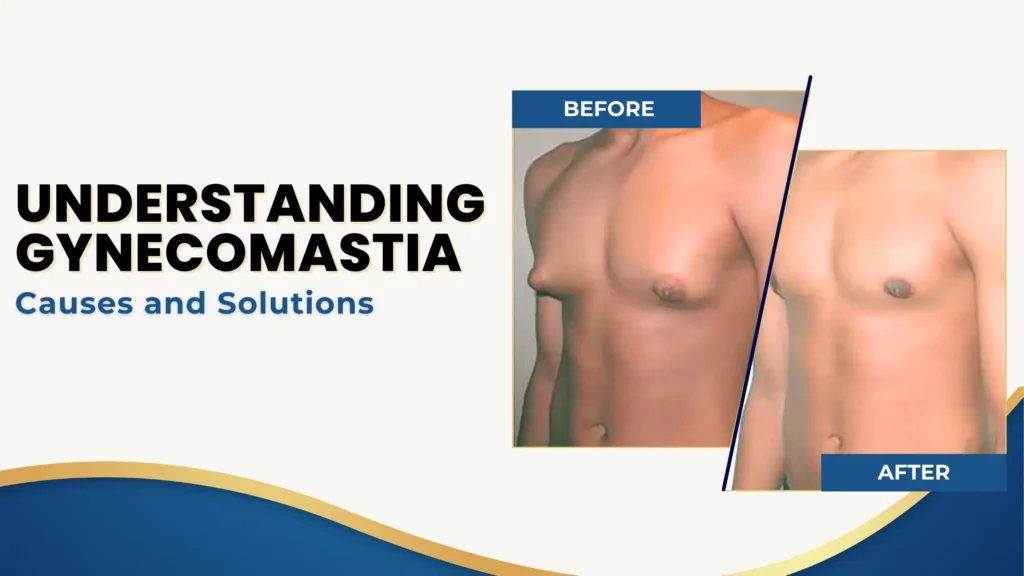
Causes of Gynecomastia: What You Should Know First Understanding the causes of gynecomastia is important for men who notice changes in chest shape or fullness. Gynecomastia is a condition where glandular breast tissue enlarges due to hormonal imbalance, lifestyle factors, or underlying medical issues. It is not always dangerous, but it can affect confidence and quality of life, especially among teenagers and adults. What Is Gynecomastia? Gynecomastia is the benign enlargement of male breast tissue caused by an imbalance between estrogen and testosterone. Key Features: Firm or rubbery tissue under the nipple May affect one or both sides Sometimes accompanied by tenderness It is different from chest fat (pseudo-gynecomastia), which is caused by excess fat rather than glandular growth. Hormonal Imbalance: The Main Cause The most common cause of gynecomastia is a disruption in hormone balance. Testosterone vs Estrogen Male bodies naturally produce both: Testosterone (dominant male hormone) Estrogen (present in small amounts) When estrogen levels increase or testosterone decreases, breast tissue can grow. Puberty-Related Gynecomastia During puberty, hormone levels fluctuate significantly. Why It Happens: Temporary spike in estrogen Immature hormonal regulation This type is very common and often resolves on its own within months to a couple of years. Aging and Hormonal Decline As men age, testosterone levels naturally decrease. Contributing Factors: Reduced testosterone production Increased body fat (which converts testosterone to estrogen) This explains why gynecomastia is more common in older men. Medications That Can Cause Gynecomastia Certain medications can interfere with hormone balance. Common Drug Types: Anti-androgens Some antidepressants Heart medications Anti-ulcer drugs These can indirectly increase estrogen activity or reduce testosterone levels. Anabolic Steroid Use One of the most significant modern causes of Gynecomastia is the use of Anabolic steroids. How It Leads to Gynecomastia: Steroids increase testosterone levels artificially Excess testosterone converts into estrogen via Aromatization Elevated estrogen stimulates breast tissue growth This is common among bodybuilders and athletes. Obesity and Lifestyle Factors Excess body fat plays a major role in hormone imbalance. Why It Happens: Fat tissue converts testosterone into estrogen Leads to increased estrogen levels Obesity can therefore contribute to both true gynecomastia and chest fat accumulation. Alcohol and Substance Use Excessive alcohol consumption can affect liver function, which plays a key role in hormone regulation. Effects Include: Reduced testosterone metabolism Increased estrogen levels Recreational drug use may also contribute to hormonal disruption. Medical Conditions Linked to Gynecomastia Certain health conditions can influence hormone levels. Examples: Liver disease Kidney failure Thyroid disorders These conditions can indirectly affect estrogen-testosterone balance. Herbal Products and Supplements Some supplements marketed for bodybuilding or wellness may contain hormone-altering compounds. Risk Factors: Unregulated ingredients Hidden steroid-like substances Always choose reputable and tested supplements. Stress and Hormonal Health Chronic stress may indirectly contribute by affecting hormone regulation. Mechanism: Increased cortisol levels Disruption of testosterone production While not a direct cause, stress can worsen hormonal imbalance. Genetics and Individual Sensitivity Some men are naturally more sensitive to hormonal changes. This means: Even small hormone fluctuations can trigger tissue growth Family history may play a role Types of Gynecomastia Understanding types helps identify underlying causes of Gynecomastia. 1. True Gynecomastia Glandular tissue growth Hormonal imbalance-driven 2. Pseudo-Gynecomastia Fat accumulation Related to obesity 3. Mixed Type Combination of fat and glandular tissue Symptoms to Watch For Early signs may include: Swelling under nipples Tenderness Uneven chest appearance In confirmed cases, tissue becomes firm and persistent. Diagnosis Process Doctors typically evaluate: Physical examination Hormonal blood tests Medical history review Accurate diagnosis is important to identify the exact cause. Treatment Options Treatment depends on the underlying cause. 1. Lifestyle Changes Weight loss Reducing alcohol intake Stopping causative substances 2. Medication Adjustment If medications are the cause, alternatives may be prescribed. 3. Surgical Treatment In persistent cases: Gynecomastia surgery is performed to remove glandular tissue This provides a permanent correction. Prevention Tips 1. Avoid Steroid Misuse Unsupervised use of Anabolic steroids is a major risk factor. 2. Maintain Healthy Weight Helps regulate hormone balance naturally. 3. Limit Alcohol Intake Supports liver and hormone function. 4. Regular Health Checkups Early detection helps prevent progression. Psychological Impact Gynecomastia can affect emotional well-being. Common Effects: Reduced self-confidence Body image concerns Social discomfort Addressing the condition often improves mental health significantly. Final Thoughts The causes of gynecomastia are diverse, ranging from hormonal changes to lifestyle and medication use. While some cases resolve naturally, others require medical treatment. Understanding the root cause is the first step toward effective management and long-term confidence. FAQs 1. What are the main causes of gynecomastia? Hormonal imbalance between testosterone and estrogen is the primary cause. 2. Can steroids lead to causes of gynecomastia? Yes, Anabolic steroids are a major risk factor. 3. Is gynecomastia reversible? Some early cases may improve, but long-standing tissue often requires treatment. 4. Does obesity also causes of gynecomastia? Yes, fat can increase estrogen production and contribute to the condition. 5. Can puberty cause gynecomastia? Yes, it is common and usually temporary in teenagers. 6. Do medications cause gynecomastia? Certain drugs can interfere with hormone balance. 7. Is gynecomastia dangerous? It is usually benign but can indicate underlying issues. 8. Can exercise cure gynecomastia? Exercise helps fat reduction but not glandular tissue. 9. What is the best treatment? Severe cases are often treated with Gynecomastia surgery. 10. Can gynecomastia come back? It can recur if underlying causes of Gynecomastia are not managed. Facebook Twitter LinkedIn Reddit Pinterest WhatsApp
Harga Tanam Rambut: Panduan Lengkap Untuk Memahami Kos dan Faktor-faktor Yang Mempengaruhi
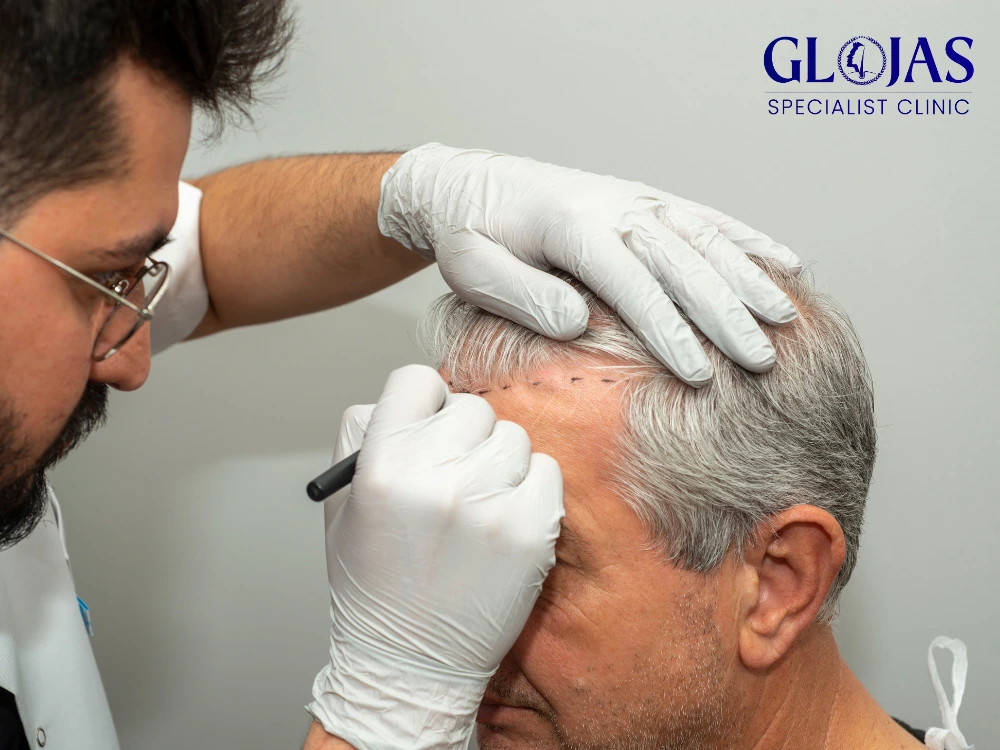
Harga Tanam Rambut Terbaik Untuk Transformasi Rambut Anda Harga Tanam Rambut untuk rawatan tanam rambut, atau dalam bahasa perubatannya dikenali sebagai “hair transplant,” semakin popular di kalangan individu yang menghadapi masalah keguguran rambut. Prosedur ini bukan hanya tentang mendapatkan rambut yang lebih tebal dan sihat tetapi juga berkaitan dengan kos yang perlu dipertimbangkan sebelum membuat keputusan. Artikel ini akan membincangkan secara terperinci mengenai harga tanam rambut di Malaysia, faktor-faktor yang mempengaruhi kos, dan apa yang boleh anda jangkakan daripada prosedur ini. Apa Itu Tanam Rambut? Tanam rambut adalah prosedur pembedahan yang melibatkan pemindahan folikel rambut dari kawasan yang mempunyai rambut lebat (biasanya di belakang kepala) ke kawasan yang mengalami kebotakan atau kekurangan rambut. Terdapat beberapa teknik yang digunakan dalam tanam rambut, termasuk: 1. Teknik Follicular Unit Extraction (FUE) : Folikel rambut diambil satu persatu dari kawasan penderma dan dipindahkan ke kawasan yang memerlukan.2. Teknik Follicular Unit Transplantation (FUT) : Sebuah jalur kulit yang mengandungi folikel rambut diambil dari kawasan penderma dan kemudian dipisahkan menjadi unit folikel sebelum ditanam. Faktor-Faktor Yang Mempengaruhi Harga Tanam Rambut Harga tanam rambut boleh berbeza dengan ketara bergantung kepada beberapa faktor. Berikut adalah beberapa elemen utama yang mempengaruhi kos prosedur ini: 1. Kawasan Geografi : Kos tanam rambut berbeza bergantung pada lokasi klinik. Di bandar-bandar besar seperti Kuala Lumpur, George Town, atau Johor Bahru, harga mungkin lebih tinggi berbanding di kawasan luar bandar. 2. Pengalaman dan Kepakaran Pakar : Pakar bedah yang mempunyai pengalaman dan kepakaran yang tinggi akan mengenakan bayaran yang lebih tinggi. Kepakaran dan reputasi klinik juga memainkan peranan penting dalam menentukan kos. 3. Jumlah Folikel Rambut : Kos biasanya dikira berdasarkan bilangan folikel rambut yang dipindahkan. Semakin banyak folikel yang diperlukan, semakin tinggi kosnya. 4. Teknik Yang Digunakan : Teknik FUE biasanya lebih mahal daripada teknik FUT kerana ia memerlukan masa dan kemahiran yang lebih tinggi untuk dilakukan. 5. Kemudahan dan Peralatan : Klinikal yang menggunakan peralatan canggih dan menyediakan kemudahan yang selesa biasanya mengenakan harga yang lebih tinggi. 6. Kos Tambahan : Kos lain seperti pemeriksaan awal, konsultasi, dan rawatan susulan juga perlu diambil kira. Harga Tanam Rambut di Malaysia Di Malaysia, kos untuk prosedur tanam rambut boleh bervariasi. Secara amnya, harga boleh berkisar antara RM8,000 hingga RM25,000 bergantung kepada faktor-faktor yang telah dinyatakan. Berikut adalah pecahan kasar kos berdasarkan teknik dan bilangan folikel: 1. Teknik FUE : Kosnya biasanya antara RM10,000 hingga RM25,000. Harga ini adalah untuk bilangan folikel yang boleh mencapai sehingga 4,000 hingga 5,000 unit. 2. Teknik FUT : Kos untuk teknik ini adalah antara RM8,000 hingga RM15,000. Harga ini bergantung pada jumlah folikel yang diperlukan dan kompleksiti prosedur. Apa Yang Termasuk Dalam Harga Tanam Rambut? Biasanya, harga tanam rambut merangkumi beberapa perkara berikut: 1. Konsultasi Awal : Pertemuan pertama dengan pakar bedah untuk menilai keadaan rambut dan menentukan pelan rawatan. 2. Prosedur Pembedahan : Kos untuk pembedahan itu sendiri, termasuk segala peralatan dan bahan yang digunakan. 3. Rawatan Selepas Pembedahan : Tempoh pemulihan yang termasuk ubat-ubatan dan rawatan susulan untuk memastikan hasil yang optimum. 4. Pemeriksaan Berkala : Beberapa klinik mungkin menyediakan pemeriksaan berkala untuk memantau perkembangan selepas prosedur. Persediaan Sebelum Tanam Rambut Sebelum menjalani prosedur tanam rambut, terdapat beberapa perkara yang perlu anda pertimbangkan dan persiapkan: 1. Konsultasi Dengan Pakar : Dapatkan konsultasi dengan pakar bedah untuk memahami dengan jelas apa yang akan berlaku semasa dan selepas prosedur. Ini juga masa yang baik untuk bertanya mengenai kos dan apa yang termasuk dalam harga. 2. Periksa Klinik dan Pakar : Pastikan klinik dan pakar bedah mempunyai reputasi yang baik dan berpengalaman dalam prosedur ini. Semak ulasan dari pesakit sebelum ini dan pastikan klinik itu mendapat kelulusan yang diperlukan. 3. Pertimbangkan Pilihan Pembayaran : Beberapa klinik mungkin menawarkan pelan pembayaran ansuran atau pembiayaan untuk memudahkan pembayaran. Pemulihan Selepas Prosedur Pemulihan selepas tanam rambut memerlukan masa dan penjagaan yang betul. Anda mungkin mengalami beberapa kesan sampingan seperti kemerahan, bengkak, atau ketidakselesaan pada kawasan yang dirawat. Walau bagaimanapun, ini adalah perkara biasa dan biasanya akan hilang dalam beberapa hari. Berikut adalah beberapa tip untuk pemulihan yang berjaya: 1. Ikuti Arahan Pakar : Pastikan anda mengikuti arahan pasca-pembedahan yang diberikan oleh pakar. Ini mungkin termasuk pengambilan ubat, elakkan aktiviti fizikal yang berat, dan penjagaan khusus untuk kawasan yang dirawat. 2. Elakkan Menggaru Kepala : Menggaru kawasan yang baru ditanam boleh merosakkan folikel rambut yang baru ditanam dan mengganggu proses pemulihan. 3. Gunakan Produk Yang Disyorkan : Gunakan produk penjagaan rambut yang disyorkan oleh pakar untuk membantu memulihkan dan mempercepatkan pertumbuhan rambut. 4. Jadual Pemeriksaan Susulan : Hadiri semua temujanji susulan yang dijadualkan untuk memantau kemajuan dan memastikan segala-galanya berjalan lancar. View this post on Instagram A post shared by GLOJAS HAIR TRANSPLANT SPECIALIST MALAYSIA (@fuehairtransplantmalaysia) Kesimpulan Tanam rambut adalah pelaburan jangka panjang dalam penampilan dan keyakinan diri. Memahami kos dan faktor-faktor yang mempengaruhi harga adalah langkah penting sebelum memutuskan untuk menjalani prosedur ini. Dengan persiapan yang betul dan pemilihan klinik yang sesuai, anda boleh memastikan hasil yang memuaskan dan pengalaman yang positif. Jika anda mempertimbangkan tanam rambut, ambil masa untuk menyelidik dan berbincang dengan pakar untuk membuat keputusan yang terbaik berdasarkan keadaan anda. Dengan persiapan dan maklumat yang tepat, anda boleh memulakan perjalanan menuju rambut yang lebih sihat dan keyakinan diri yang lebih tinggi. BACA ARTIKEL : Rawatan Tanam Rambut , Tanam Jambang
Filler Bibir: Bibir Lebih Penuh untuk Lebih Menawan
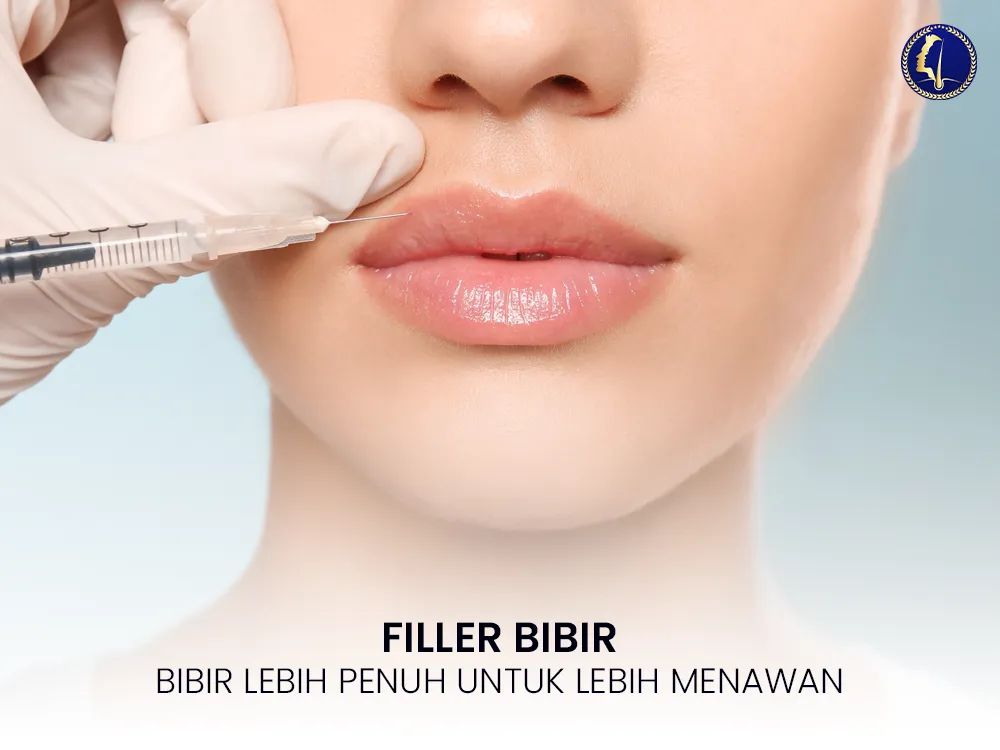
Filler Bibir: Memahami, Kebaikan, Risiko, dan Prosedur Filler bibir merupakan rawatan untuk menjadikan bibir lebih penuh dan sempurna. Berlawanan dengan rawatan mengurangkan volume bibir (lip reduction), bibir yang penuh dan berbentuk sempurna sering dianggap sebagai ciri kecantikan yang diidamkan. Untuk mencapai penampilan ini, ramai orang kini memilih untuk menjalani rawatan ini. Artikel ini akan membincangkan segala yang perlu anda ketahui tentang filler bibir, termasuk jenis-jenisnya, kebaikan dan risiko, serta prosedur dan penjagaan selepas rawatan. Apa Itu Filler Bibir? Filler bibir adalah prosedur kosmetik yang melibatkan suntikan bahan khas ke dalam bibir untuk menambah volum dan memperbaiki bentuk bibir. Prosedur ini bertujuan untuk memberikan bibir yang lebih penuh dan berbentuk menarik tanpa memerlukan pembedahan invasif. Bahan utama yang digunakan dalam pengisi bibir biasanya adalah asid hyaluronik, satu bahan yang secara semula jadi terdapat dalam tubuh manusia. Jenis-Jenis Filler Bibir Asid Hyaluronik : Asid hyaluronik adalah bahan paling popular dalam rawatan ini. Ia adalah bahan semulajadi yang terdapat dalam tisu penghubung, kulit, dan mata. Asid hyaluronik membantu mengekalkan kelembapan dan memberikan sokongan struktur pada kulit. Filler ini yang mengandungi asid hyaluronik membantu menambah volum bibir dan memberikan hasil yang semulajadi. Kesan daripada pengisi jenis ini biasanya bertahan antara 6 hingga 12 bulan. Kolagen : Kolagen adalah protein yang memberikan kekuatan dan keanjalan kepada kulit. Filler bibir yang mengandungi kolagen digunakan untuk meningkatkan keanjalan dan mengurangkan kedutan di bibir. Walau bagaimanapun, penggunaan kolagen sebagai filler bibir kurang popular berbanding asid hyaluronik kerana risiko reaksi alergi yang lebih tinggi dan hasil yang kurang tahan lama. Bahan Sintetik : Terdapat juga filler bibir yang menggunakan bahan sintetik seperti polimetil metakrilat (PMMA). PMMA adalah bahan yang memberikan hasil yang lebih kekal berbanding filler lain. Namun, bahan ini juga datang dengan risiko komplikasi yang lebih tinggi dan memerlukan pertimbangan yang lebih teliti sebelum digunakan. Sel Stem : Filler bibir berasaskan sel stem adalah teknologi terbaru yang masih dalam penyelidikan dan perkembangan. Prosedur ini melibatkan penggunaan sel stem untuk merangsang pertumbuhan tisu dan meningkatkan volum bibir. Walaupun menjanjikan hasil yang lebih tahan lama, teknologi ini masih memerlukan lebih banyak kajian dan bukti klinikal sebelum diterima secara meluas. View this post on Instagram A post shared by Glojas Spec Plastic Surgery, Hair Transplant, Aesthetic Malaysia (@glojasspecialist) Kebaikan Filler Bibir Penambahbaikan dalam Kecantikan : Rawatan ini dapat membantu memperbaiki penampilan bibir yang nipis atau tidak seimbang. Ia boleh memberikan bibir yang lebih penuh, membentuk semula bibir yang asimetrik, dan mengurangkan garisan halus di sekitar bibir. Ini meningkatkan keyakinan diri individu dan memberikan wajah yang lebih segar dan muda. Prosedur Tidak Invasif : Salah satu kelebihan utama rawatan ini ialah ia adalah prosedur yang tidak invasif. Ini bermaksud tiada pembedahan besar diperlukan, dan proses pemulihan biasanya lebih cepat berbanding pembedahan kosmetik lain. Suntikan dilakukan dengan jarum halus, dan kebanyakan pesakit hanya mengalami kesakitan yang minimum. Kesan Serta-Merta : Salah satu daya tarik utama filler bibir adalah hasilnya yang segera. Setelah prosedur selesai, pesakit dapat melihat perubahan pada bibir mereka serta-merta. Walau bagaimanapun, hasil akhir mungkin memerlukan beberapa hari untuk sepenuhnya jelas apabila bengkak dan kemerahan reda. Penjagaan Selepas Prosedur yang Mudah : Penjagaan selepas prosedur filler bibir adalah agak mudah. Pesakit biasanya disarankan untuk mengelakkan aktiviti yang boleh menyebabkan tekanan atau kecederaan pada bibir dalam tempoh beberapa hari selepas suntikan. Kebanyakan pesakit dapat kembali kepada aktiviti harian mereka dalam tempoh yang singkat. Risiko dan Kesan Sampingan Filler Bibir Kemerahan dan Bengkak : Kemerahan dan bengkak adalah kesan sampingan yang biasa selepas prosedur filler bibir. Ini adalah reaksi normal terhadap suntikan dan biasanya reda dalam beberapa hari. Untuk mengurangkan ketidakselesaan, pesakit boleh menggunakan kompres sejuk pada kawasan yang terjejas. Kesakitan dan Ketidakselesaan : Beberapa pesakit mungkin mengalami kesakitan atau ketidakselesaan selepas suntikan. Walau bagaimanapun, kebanyakan filler bibir mengandungi anestetik tempatan yang membantu mengurangkan kesakitan semasa dan selepas prosedur. Jika ketidakselesaan berlanjutan, pesakit disarankan untuk berunding dengan penyedia perkhidmatan kesihatan. Komplikasi Jangkitan : Seperti prosedur suntikan lain, terdapat risiko jangkitan selepas filler bibir. Menjaga kebersihan kawasan suntikan dan mengikuti arahan penjagaan selepas prosedur adalah penting untuk mengurangkan risiko jangkitan. Pesakit perlu melaporkan sebarang tanda jangkitan seperti kemerahan teruk, nanah, atau demam kepada doktor mereka. Reaksi Alahan : Walaupun jarang berlaku, terdapat kemungkinan reaksi alahan terhadap bahan filler. Reaksi ini boleh termasuk gatal-gatal, ruam, atau bengkak yang berlebihan. Pesakit dengan sejarah alahan atau sensitiviti kulit perlu memberitahu penyedia perkhidmatan kesihatan mereka sebelum menjalani prosedur. Ketidakpuasan Terhadap Hasil : Ada kalanya pesakit mungkin tidak berpuas hati dengan hasil filler bibir. Ini boleh disebabkan oleh faktor seperti teknik suntikan, jenis pengisi yang digunakan, atau jangkaan yang tidak realistik. Pesakit perlu berbincang dengan penyedia perkhidmatan untuk menguruskan jangkaan mereka dan mencari penyelesaian jika diperlukan. Prosedur Filler Bibir Persediaan : Sebelum menjalani prosedur, pesakit perlu menjalani konsultasi dengan penyedia perkhidmatan kesihatan untuk membincangkan matlamat dan keperluan mereka. Penyedia akan menilai keadaan bibir, sejarah perubatan, dan jenis filler yang paling sesuai. Jika pesakit mempunyai alahan atau keadaan kesihatan tertentu, ini perlu dibincangkan untuk memastikan keselamatan prosedur. Prosedur Suntikan : Prosedur filler bibir biasanya memakan masa antara 15 hingga 30 minit. Penyedia akan membersihkan kawasan bibir dan mungkin menggunakan anestetik tempatan untuk mengurangkan ketidakselesaan. Suntikan filler akan dilakukan dengan jarum halus atau kanula, bergantung kepada teknik yang digunakan. Selama prosedur, penyedia akan memantau hasil untuk memastikan bibir mendapat bentuk dan volum yang diinginkan. Penjagaan Selepas Prosedur : Selepas prosedur, pesakit perlu mengikuti arahan penjagaan yang diberikan oleh penyedia. Ini termasuk mengelakkan sentuhan atau tekanan pada bibir, tidak melakukan aktiviti fizikal berat, dan mengelakkan paparan matahari secara langsung. Menggunakan kompres sejuk boleh membantu mengurangkan bengkak dan kemerahan. Pesakit juga disarankan untuk minum banyak air dan mengelakkan makanan yang boleh menyebabkan iritasi. Temujanji Susulan : Temujanji susulan mungkin diperlukan untuk menilai hasil dan membuat penyesuaian jika perlu. Penyedia akan memantau perkembangan dan memastikan tiada komplikasi. Jika terdapat sebarang kebimbangan atau isu, pesakit perlu berunding dengan penyedia mereka untuk mendapatkan nasihat dan rawatan lanjut. Kesimpulan Filler bibir adalah prosedur kosmetik yang semakin popular untuk mendapatkan bibir yang lebih penuh dan berbentuk menarik tanpa perlu menjalani pembedahan besar. Walaupun prosedur ini menawarkan banyak
Gynecomastia Grades: Understanding Severity Levels
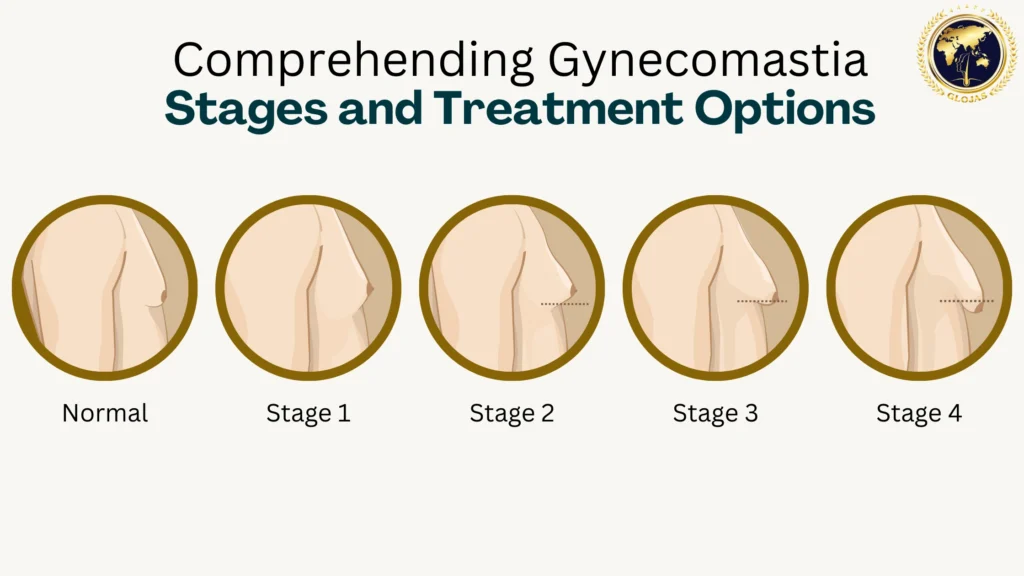
Gynecomastia, a condition characterized by the enlargement of breast tissue in males, is often a cause of concern for those affected. Understanding the gynecomastia grades is crucial for both early detection and effective treatment. This article provides a detailed examination of the various gynecomastia grades, shedding light on how the condition progresses, its causes, and potential treatment options. What is Gynecomastia? Gynecomastia is the benign enlargement of male breast tissue, typically caused by an imbalance of the hormones estrogen and testosterone. While it can occur at any age, it is most commonly seen in newborns, adolescents, and older men. This condition can affect one or both breasts and may result in discomfort, tenderness, and psychological distress. The Four Stages of Gynecomastia Grades Gynecomastia is typically classified into four distinct stages, each representing the severity and progression of the condition. Understanding these stages can help in identifying the best treatment approach. Stage 1: Initial Swelling (Florid Stage) Stage 1, also known as the Florid Stage, usually lasts for about six months. During this stage, the breast tissue begins to swell due to hormonal changes. This swelling is generally firm and tender, and the area may feel lumpy. This stage is often accompanied by pain or sensitivity in the breast tissue. Early intervention during this stage, such as addressing the underlying hormonal imbalance, can prevent further progression. Stage 2: Intermediate Stage (Fibrous Stage) The Intermediate Stage, or Fibrous Stage, typically occurs after six to twelve months. The breast tissue becomes more fibrous, meaning it starts to harden. At this point, the tissue is less tender, but the enlargement remains. The fibrous tissue may form around the glandular tissue, making the condition more noticeable. Treatments during this stage are still effective, but the focus often shifts towards reducing the size and hardness of the tissue. Stage 3: Advanced Stage In the Advanced Stage, which can persist beyond one year, the breast tissue becomes more prominent, with the development of dense, fibrous tissue around the gland. This stage is often associated with more significant breast enlargement and a higher likelihood of permanent tissue changes. At this stage, the tissue is typically less responsive to medical treatments, and surgical options may be considered to correct the condition. Stage 4: Severe Stage Stage 4 represents the most severe form of gynecomastia, characterized by significant breast enlargement with excess skin and tissue sagging. This stage often resembles female breasts and can lead to considerable emotional and psychological distress. Surgical intervention, such as liposuction or mastectomy, is often required to remove the excess tissue and skin, restoring a more typical male chest appearance. Causes of Gynecomastia The development of gynecomastia grades is primarily linked to hormonal imbalances, but various other factors can contribute to the condition. Hormonal Imbalance The most common cause of gynecomastia is a hormonal imbalance between estrogen and testosterone. Estrogen promotes breast tissue growth, while testosterone inhibits it. When the balance tips in favor of estrogen, gynecomastia can occur. Medications Certain medications can induce gynecomastia by altering hormone levels. These include anabolic steroids, anti-androgens used in prostate cancer treatment, certain antidepressants, and medications for heart conditions. Long-term use of these drugs can push the condition through the gynecomastia grades. Health Conditions Underlying health conditions such as liver disease, kidney failure, or hyperthyroidism can also cause hormonal imbalances, leading to gynecomastia. Additionally, tumors in the testes, adrenal glands, or pituitary gland can produce hormones that disrupt the balance. Substance Abuse The use of drugs like marijuana, alcohol, and certain recreational drugs can also lead to gynecomastia by disrupting hormonal balance. These substances may accelerate the progression of gynecomastia grades. Diagnosis of Gynecomastia Diagnosing gynecomastia typically involves a physical examination, medical history review, and, in some cases, imaging tests. Understanding which gynecomastia stage the patient is in helps tailor the treatment plan. Physical Examination During a physical exam, the doctor will assess the breast tissue’s size, texture, and tenderness. The examination may also include checking for lumps or asymmetry. The doctor will consider the patient’s age, medical history, and any medications or supplements that might be contributing to the condition. Imaging Tests Imaging tests such as mammograms or ultrasounds are sometimes used to distinguish gynecomastia from other conditions like breast cancer or fat accumulation. These tests can help determine the stage of gynecomastia and guide further treatment decisions. Treatment Options for Gynecomastia The treatment for gynecomastia depends on its stage, underlying cause, and the severity of the symptoms. Early-stage gynecomastia is often reversible with appropriate interventions, while more advanced stages may require surgical treatment. Medications In the early stages of gynecomastia, medications like selective estrogen receptor modulators (SERMs) or aromatase inhibitors may be prescribed to reduce breast tissue growth and restore hormonal balance. These medications are most effective when used in the initial stages. Lifestyle Changes For mild cases or early stages, lifestyle changes can significantly impact the condition. Reducing alcohol intake, stopping the use of recreational drugs, and losing weight can help manage the symptoms and prevent progression. Surgery In advanced or severe stages, surgery may be necessary to remove the excess breast tissue. The most common surgical procedures are liposuction, which removes fat, and mastectomy, which removes glandular tissue. Surgery is typically considered when other treatments have failed or when the condition causes significant physical or emotional discomfort. FAQs about Gynecomastia Grades 1. What is the most common gynecomastia grades? The most common stage is Stage 1 (Florid Stage), where the breast tissue starts to swell due to hormonal changes. This stage is often reversible with timely intervention. 2. Can gynecomastia resolve on its own? Yes, in some cases, particularly in adolescent boys, gynecomastia can resolve on its own within six months to two years as hormone levels stabilize. 3. Is surgery always necessary for gynecomastia? Surgery is not always necessary. It is usually reserved for advanced or severe stages when other treatments have been ineffective or when the condition causes significant distress. 4. How long does each stage of gynecomastia last? Stage 1