

Navigating the landscape of metabolic health in 2026 requires understanding the leap from simple weight loss to hormonal optimization. In Malaysia, both medications have transformed how we approach chronic weight management, yet they operate through distinct biological pathways that dictate their overall clinical success and patient experience.
What Is Ozempic?
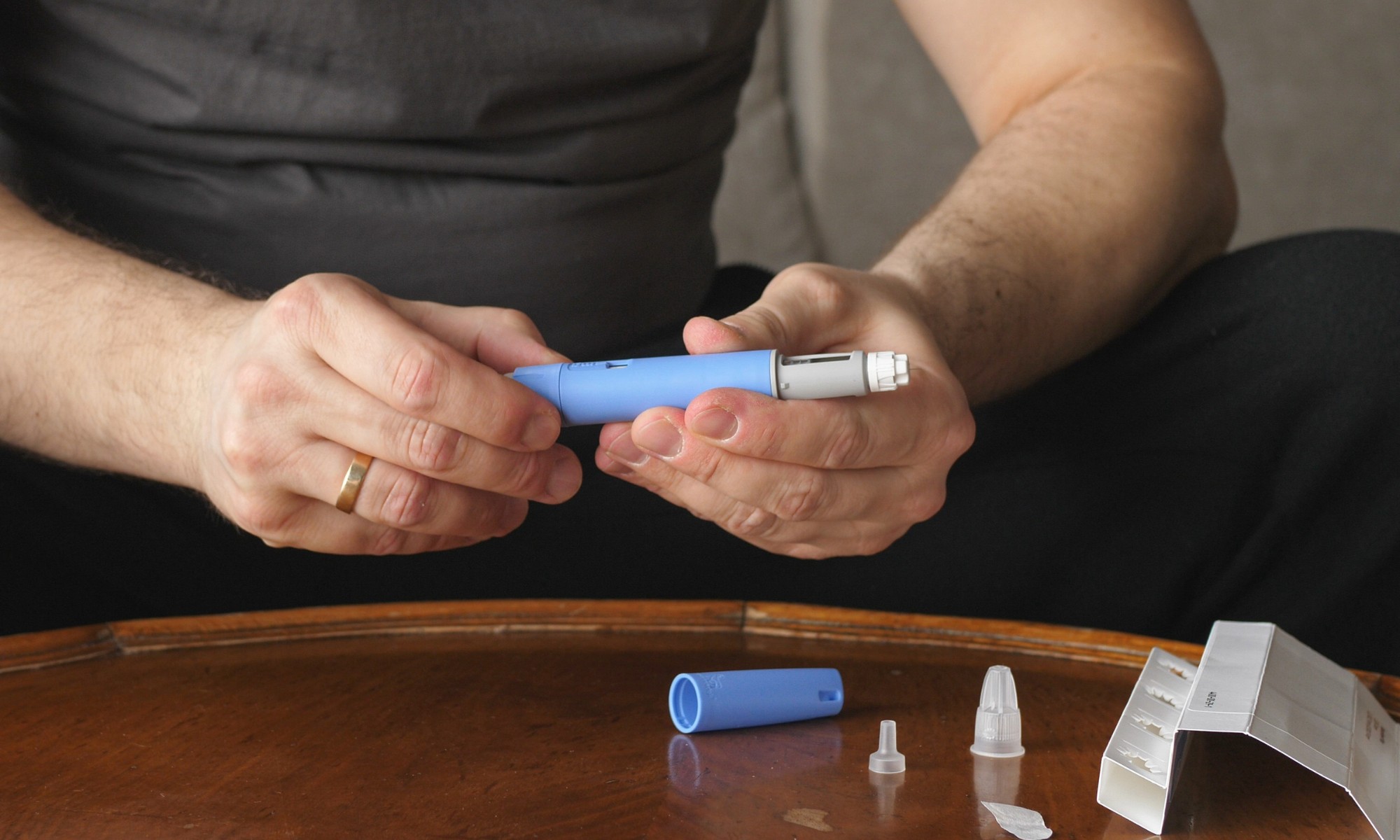
How Ozempic Works in the Body (GLP-1 Receptor Agonist)
Ozempic utilizes semaglutide to mimic the GLP-1 hormone naturally produced in your gut. It slows gastric emptying and signals the brain to feel full sooner. This biological “brake” on appetite is essential for correcting metabolic dysfunction and reducing systemic inflammation, leading to sustainable fat loss over time.
Medical Uses of Ozempic (Type 2 Diabetes and Weight Loss)
Originally FDA-approved for Type 2 Diabetes, its secondary benefit of significant weight reduction became a global phenomenon. It improves glycemic control by stimulating insulin secretion only when blood sugar is high, making it a dual-purpose powerhouse for metabolic health and cardiovascular risk reduction in at-risk patients.
What Is Mounjaro?
How Mounjaro Works (Dual GIP and GLP-1 Mechanism)
Mounjaro (tirzepatide) is a “twincretin,” the first of its kind to target both GLP-1 and GIP receptors. This dual-action approach not only curbs appetite but also enhances how the body breaks down sugar and fat. It offers a more comprehensive metabolic reboot than single-receptor agonists.
Medical Uses of Mounjaro (Diabetes and Weight Management)
By activating two hormonal pathways, Mounjaro achieves superior glucose regulation and weight reduction. It is increasingly prescribed for patients who require more intensive metabolic intervention. In clinical settings, it has set new benchmarks for non-surgical weight loss, often rivaling the results previously only seen with bariatric procedures.
Ozempic vs Mounjaro: Key Differences at a Glance
| Feature | Ozempic (Semaglutide) | Mounjaro (Tirzepatide) |
| Mechanism | GLP-1 Only | GLP-1 + GIP |
| Average Weight Loss | ~15% | Up to 22% |
| Dosing | Weekly Injection | Weekly Injection |
| Primary Focus | Cardiovascular & Glucose | Maximum Weight & Glucose |
Active Ingredients and Mechanism of Action
The core difference lies in the chemical structure. While semaglutide focuses solely on the glucagon-like peptide-1 receptor, tirzepatide adds the glucose-dependent insulinotropic polypeptide. This synergy allows Mounjaro to address insulin resistance more aggressively, often leading to more profound changes in body composition and metabolic age markers.
Weight Loss Effectiveness Comparison
Clinical data suggests a clear edge for Mounjaro in sheer pounds lost. Research published in The New England Journal of Medicine demonstrates that patients on tirzepatide often achieve higher percentage weight loss compared to semaglutide. However, “better” is subjective; Ozempic remains a highly effective, gold-standard treatment for many.
Blood Sugar Control and Dosage
Both drugs effectively lower A1C levels, though Mounjaro typically shows a slightly stronger reduction. Both are administered via a once-weekly subcutaneous injection. Doctors usually start patients on a low “starter dose” to build tolerance before titrating upwards to the maintenance dose, minimizing gastrointestinal distress during the transition.
Which Works Better for Weight Loss?
Clinical Results and Real-World Outcomes
While Mounjaro often yields higher numbers on the scale, real-world success depends on adherence. Ozempic has a longer track record of safety data, making it a “reliable” choice for long-term maintenance. According to The Lancet, consistent usage is the strongest predictor of maintaining weight loss results permanently.
Expert Insight: At GLOJAS Specialist Clinic, we’ve observed that while comparing Ozempic vs Mounjaro, the choice depends on the patient’s specific metabolic profile. I’ve personally guided many through this journey, noting that Mounjaro often provides faster initial results, while Ozempic offers a steady, time-tested path toward sustainable body transformation.
Speed of Results and Timeline Differences
Mounjaro users often report a faster “quieting” of food noise within the first month. Ozempic results tend to be more gradual, which some clinicians prefer for skin elasticity and muscle preservation. Both medications require roughly 24 to 40 weeks to reach peak effectiveness and stabilized weight loss plateaus.
Side Effects and Safety Comparison
Common Side Effects and Serious Risks
Gastrointestinal issues like nausea, vomiting, and constipation are the most frequent complaints for both. According to the Mayo Clinic, these symptoms usually subside as the body adapts. Serious but rare risks include pancreatitis and gallbladder issues, requiring strict medical supervision and regular blood work during treatment.
Cost and Availability in Malaysia
Price Differences and Accessibility
In Malaysia, pricing varies based on dosage and supply chain stability. Mounjaro, being a newer technology, often carries a premium price tag. Availability can fluctuate due to high global demand, so it is vital to source these medications through reputable medical channels rather than unverified online sellers.
Switching Between Medications
Is It Safe to Switch?
Switching from Ozempic vs Mounjaro is common, especially if a patient plateaus or experiences intolerable side effects. However, this must be done under a physician’s guidance to calculate the “equipotent” dose. Abruptly switching without a transition plan can lead to severe gastrointestinal upset or blood sugar spikes.
Conclusion: Which One Is Better for You?
Choosing between Ozempic vs Mounjaro isn’t about finding the “strongest” drug, but the one that fits your biology. If you prioritize a long-term safety record, Ozempic is excellent. If you have significant weight to lose and need dual-hormone support, Mounjaro may be the superior clinical option.