
Liposuction FAQs in Malaysia
If you’ve been hitting the gym in KL or eating clean in Penang but still can’t nudge those stubborn pockets of fat, you’ve probably searched for “liposuction in Malaysia.” It’s one of the most popular body contouring tools for a reason. But before you dive in, let’s clear up the confusion with this ultimate FAQ guide.
What is liposuction?
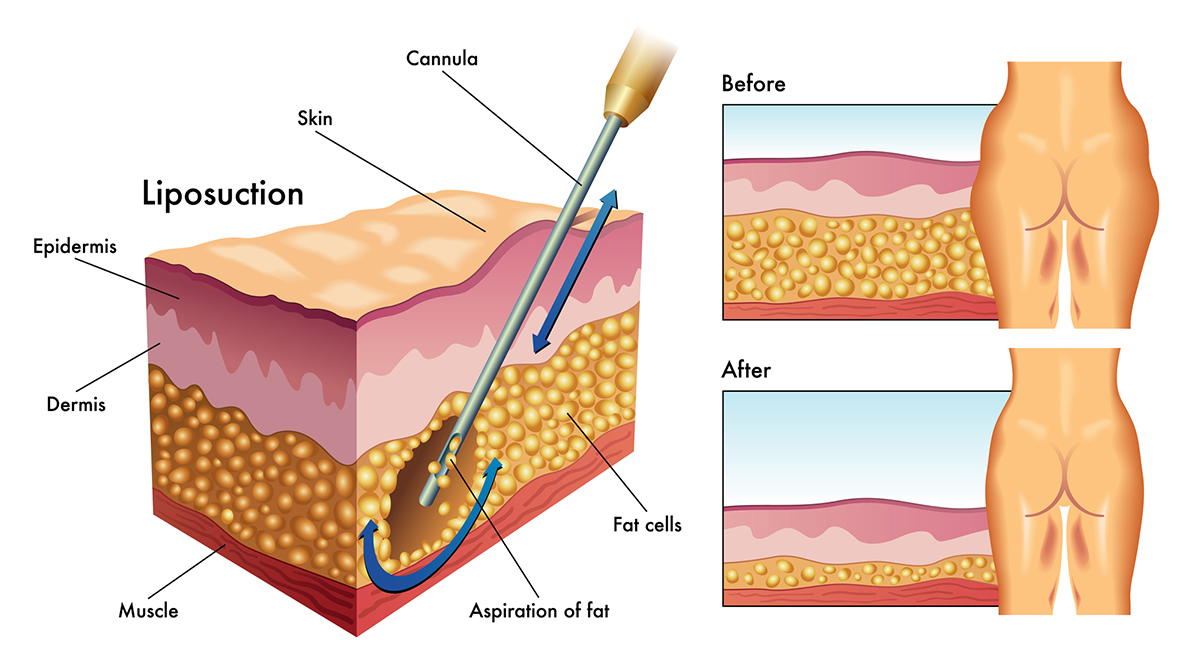
Liposuction is a surgical procedure designed to remove specific areas of “stubborn” fat that don’t respond to traditional diet and exercise. It’s not a weight-loss tool, but rather a body sculpting method to refine your silhouette.
How does liposuction work?
The surgeon makes tiny incisions in the target area and inserts a thin tube called a cannula. This tube is connected to a vacuum that suctions out the fat cells. Modern techniques often use ultrasound or laser energy to “melt” the fat first, making it easier to remove.
Who is a good candidate for liposuction?
The ideal candidate is someone within 30% of their ideal weight with firm, elastic skin. You should be in good health and have realistic goals. If you have significant loose skin, you might need a lift (like a tummy tuck) instead.
What areas of the body can liposuction treat?
Pretty much anywhere fat likes to hide! Common spots include:
Abdomen and waist (love handles)
Thighs and buttocks
Upper arms and “bra fat”
Chin and neckline
Male chest (for gynecomastia)
Is liposuction safe?
When performed by a board-certified plastic surgeon in an accredited facility, it is very safe. However, like any surgery, it carries risks. The American Society of Plastic Surgeons emphasizes that choosing a qualified surgeon is the most important factor in ensuring safety.
How much does liposuction cost in Malaysia?
In 2026, prices in Malaysia are quite competitive. You can generally expect:
Small areas (Chin/Arms): RM 6,000 – RM 12,000
Medium areas (Abdomen/Thighs): RM 12,000 – RM 22,000
Full Body/Multi-area: RM 25,000 – RM 45,000+ Costs vary based on the clinic’s location and the technology used (like VASER).
How long does liposuction take?
Usually between 1 to 3 hours, depending on how many areas are being treated and the volume of fat being removed.
What is the recovery time after liposuction?
Most people return to light desk work within 3 to 7 days. However, you’ll need to avoid strenuous exercise for about 4 to 6 weeks while your body heals internally.
When will I see the results of liposuction?
You’ll see a difference immediately, but the “wow” factor happens after the swelling goes down. Most patients see final results between 3 to 6 months post-op.
Will liposuction leave scars?
The incisions are tiny (usually less than 1cm). While they leave small marks, these are typically placed in natural skin folds or hidden areas and fade significantly over time.
Does liposuction hurt?
The procedure itself is done under anesthesia (local or general), so you won’t feel a thing. Afterward, it feels like a very intense workout—soreness and tenderness are normal for the first week.
How long does swelling last after liposuction?
The bulk of the swelling subsides within 4 to 6 weeks, but minor residual swelling can linger for a few months as the skin molds to your new contour.
Can liposuction remove cellulite?
Unfortunately, no. Liposuction removes deep fat, while cellulite is caused by bands of connective tissue near the surface. It may even make cellulite look slightly more prominent if the skin is thin.
Will fat come back after liposuction?
The fat cells removed are gone forever. However, if you gain significant weight, the remaining fat cells in your body can still expand. Staying active is key!
Is liposuction a weight loss solution?
Definitely not. It’s for contouring, not shedding kilograms. In fact, most surgeons will only remove a maximum of about 5 liters of fat in one session for safety reasons.
Can liposuction be combined with other cosmetic procedures?
Yes! It’s often paired with a Fat Transfer (moving the fat to the breasts or buttocks) or a Tummy Tuck to remove excess skin.
What are the risks and side effects of liposuction?
Common side effects include bruising, swelling, and temporary numbness. Rare risks include infection, fluid accumulation (seromas), or contour irregularities.
How do I choose the best liposuction clinic in Malaysia?
Check the Malaysian Medical Council (MMC) to ensure the doctor is registered. Look for the LCP (Letter of Credentialing and Privileging), which is the official MOH license for aesthetic procedures.
Is liposuction covered by insurance in Malaysia?
In 99% of cases, no. It’s considered an elective cosmetic procedure. However, if it’s for a medical condition like lipoedema, you might have a case, though this is rare.
What types of liposuction are available in Malaysia?
Tumescent: The standard “wet” technique.
VASER: Uses ultrasound to liquefy fat (very popular in KL).
Laser-Assisted (Cool Lipo): Uses heat to break down fat.
PAL (Power-Assisted): Uses a vibrating cannula for faster removal.
Do I need to shave before liposuction?
Usually, no. If hair removal is needed, the clinic staff will often handle it right before surgery to minimize the risk of nicks or infection.
How should I prepare for liposuction in Malaysia?
Stop smoking at least two weeks before, avoid blood-thinning supplements (like Vitamin E or Aspirin), and arrange for someone to drive you home from the clinic.
What should I expect during a liposuction consultation?
The surgeon will assess your skin elasticity, measure your fat deposits, and discuss which liposuction technique is best for your body type.
Can men get liposuction in Malaysia?
Absolutely. Men frequently get lipo for the abdomen, love handles, and “man boobs” (gynecomastia).
Can liposuction be done without surgery?
True liposuction is surgical. However, non-invasive alternatives like Cryolipolysis (fat freezing) exist, though they offer much more subtle results than surgery.
How long do liposuction results last?
They are permanent as long as you maintain a stable weight. Think of it as a permanent change to your body’s “blueprint.“
What is the best age for liposuction?
There’s no “perfect” age, but skin elasticity is key. Younger patients generally have better “snap back,” while older patients might need skin tightening procedures alongside lipo.
Can I exercise after liposuction?
Walking is encouraged the very next day to prevent blood clots. However, skip the gym and heavy lifting for at least 4 weeks.
How much pain is normal after liposuction?
Most patients describe it as moderate soreness (a 4/10 on the pain scale) that is easily managed with the painkillers prescribed by the clinic.
Are there non‑surgical alternatives to liposuction?
Yes, options like CoolSculpting or ultrasound treatments can reduce small fat pockets, but they can’t match the dramatic results of a surgical transplant.
Is liposuction suitable for people with Asian body types?
Yes. Asian patients often have different fat distribution patterns (like the lower abdomen or outer thighs). Surgeons in Malaysia are highly experienced in Asian aesthetic nuances, focusing on subtlety and natural proportions.
What aftercare is required following liposuction in Malaysia?
The #1 rule: Wear your compression garment. It reduces swelling and helps your skin settle smoothly. You’ll also need to keep the incision sites clean and attend follow-up appointments.
How many sessions of liposuction are needed?
For most people, just one. If you are treating multiple large areas, the surgeon might split them into two sessions for your safety.
Can I travel after liposuction in Malaysia?
If you’re a medical tourist, wait at least 7 to 10 days before flying to minimize the risk of deep vein thrombosis (DVT) and ensure you’ve had a post-op check-up.
What questions should I ask my surgeon before liposuction?
Are you LCP-certified by the Ministry of Health?
Which technique (VASER, PAL, etc.) do you recommend for me?
What is the total “all-in” cost including aftercare?
Can I see before-and-after photos of patients with my body type?