
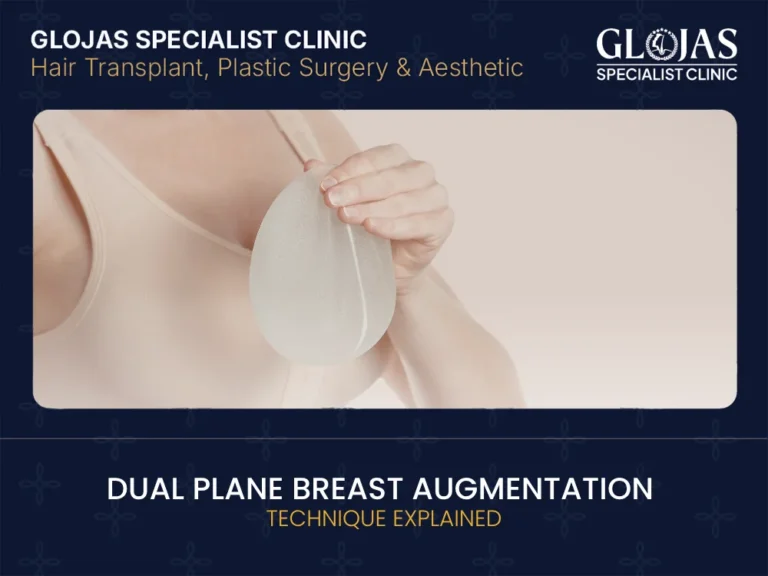
Breast augmentation remains one of the most popular cosmetic procedures worldwide. While many people focus on implant size or shape, the placement technique also plays a crucial role in achieving natural-looking results. One widely used surgical approach is dual plane breast augmentation.
This technique combines two implant placement methods to create balanced breast contours and improved aesthetic outcomes. In this guide, we explain how dual plane breast augmentation works, its benefits, potential risks, and who may be a good candidate for this approach.
Understanding Dual Plane Breast Augmentation
Dual plane breast augmentation is a surgical technique where the breast implant is positioned partly beneath the chest muscle and partly beneath the natural breast tissue.
The procedure is a variation of Breast Augmentation, designed to combine the advantages of two implant placement techniques: subglandular and submuscular.
In this approach:
- The upper portion of the implant sits under the chest muscle.
- The lower portion of the implant sits beneath the breast gland.
This positioning allows surgeons to achieve a more natural breast contour while reducing certain implant-related complications.
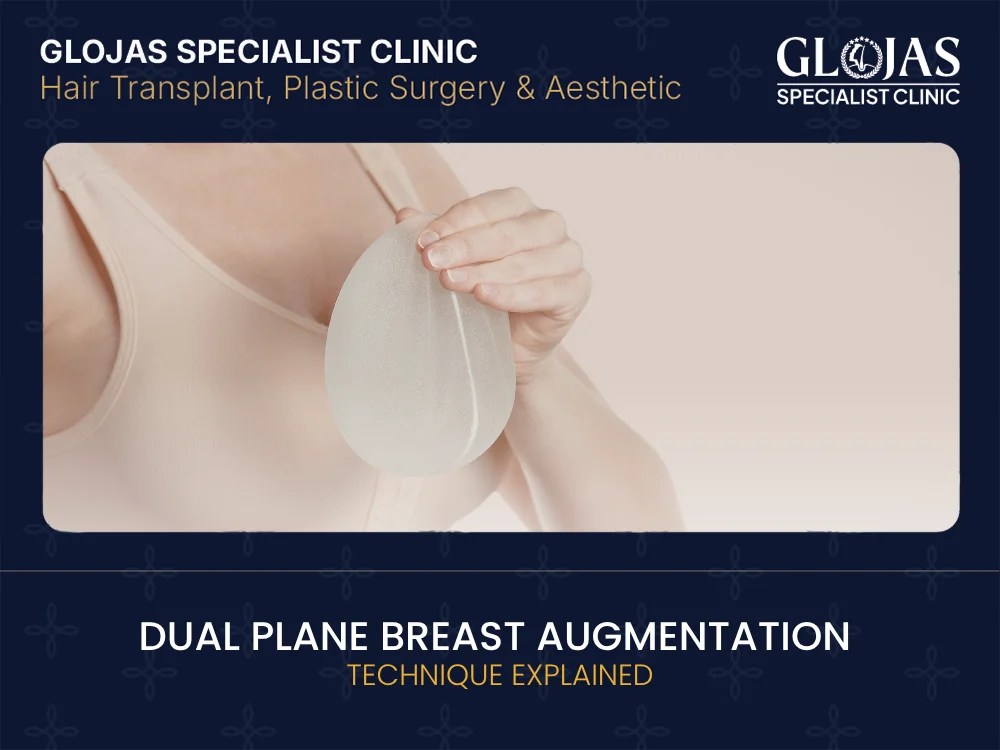
Why Surgeons Use the Dual Plane Technique
Traditional implant placement methods include:
- Subglandular placement (above the muscle)
- Submuscular placement (below the muscle)
The dual plane technique blends these methods to balance aesthetics and implant support.
Benefits may include:
- More natural breast slope
- Improved lower breast fullness
- Reduced implant visibility in thin patients
- Better support for the implant
Because of these advantages, many plastic surgeons consider this technique a versatile option for breast augmentation.
How the Dual Plane Technique Works
During surgery, the implant pocket is carefully created in two layers.
The surgeon partially releases the lower portion of the chest muscle to allow the implant to settle naturally within the breast.
The implant is typically placed beneath the Pectoralis Major, which provides additional coverage in the upper breast.
This positioning helps soften the transition between the chest wall and the breast implant, creating a smoother contour.
Types of Implants Used in Dual Plane Breast Augmentation
Dual Plane Breast Augmentation can be performed with different types of implants.
Silicone Implants
Many surgeons prefer Silicone Breast Implants because they tend to feel more like natural breast tissue.
Silicone implants also provide smooth contouring, especially in patients with limited breast tissue.
Saline Implants
Another option is Saline Breast Implants, which are filled with sterile saline after placement.
These implants are adjustable during surgery but may feel slightly firmer compared to silicone implants.
Advantages of Dual Plane Breast Augmentation
The dual plane approach offers several potential benefits compared with traditional implant placement methods.
More Natural Appearance
By placing the implant partly beneath the muscle, the upper breast contour appears softer and more natural.
Better Implant Coverage
Muscle coverage helps conceal implant edges, particularly in patients with thinner breast tissue.
Improved Lower Breast Projection
The lower part of the implant sits beneath the breast gland, allowing natural expansion of the lower breast.
Reduced Risk of Implant Rippling
Because the upper implant is covered by muscle, visible rippling may be less noticeable in some patients.
Who Is a Good Candidate?
Dual plane breast augmentation may be recommended for individuals who:
- Have mild breast sagging
- Have thin breast tissue
- Want natural-looking upper breast contour
- Desire enhanced lower breast fullness
This technique is particularly helpful for patients who want implant support without the overly artificial appearance that can sometimes occur with other placements.
Recovery After Dual Plane Breast Augmentation
Recovery after dual plane surgery is similar to other breast augmentation procedures.
Patients may experience:
- Mild swelling
- Temporary soreness
- Tightness in the chest area
Doctors usually recommend avoiding strenuous activity for several weeks while healing occurs.
Most individuals return to normal daily activities within one to two weeks, depending on their recovery progress.
Possible Risks and Complications
Although breast augmentation is generally considered safe, all surgical procedures carry potential risks.
Possible complications may include:
- Infection
- Implant displacement
- Capsular contracture
Capsular contracture refers to scar tissue tightening around the implant. This condition can sometimes occur after Breast Augmentation and may require corrective treatment.
Choosing an experienced surgeon significantly reduces the risk of complications.
Dual Plane vs Other Implant Placement Techniques
Understanding the differences between implant placement options helps patients make informed decisions.
Subglandular Placement
Implants are placed above the chest muscle.
Pros:
- Shorter recovery time
- Less muscle involvement
Cons:
- Higher visibility of implants in thin patients
Submuscular Placement
Implants are placed entirely beneath the muscle.
Pros:
- Better implant coverage
- Lower risk of visible rippling
Cons:
- May limit lower breast projection
Dual Plane Placement
Combines benefits of both techniques.
Pros:
- Balanced breast shape
- Natural contour
- Improved implant support
This hybrid approach often provides a compromise between aesthetics and structural support.
Longevity of Breast Augmentation Results
Breast augmentation with implants is designed to provide long-lasting results, but it is important to understand that implants are not considered lifetime devices.
Many patients enjoy stable results for 10 to 15 years or longer, and some may keep their implants for decades without issues. However, the need for replacement or revision surgery can arise over time depending on individual circumstances.
Factors That Influence Implant Longevity
Implant Type
Different implant materials can affect durability.
- Silicone gel implants tend to feel more natural and may have a lower risk of visible rippling.
- Saline implants allow for easier detection of rupture but may be more prone to deflation over time.
Advances in implant technology have improved overall longevity and safety.
Lifestyle and Physical Activity
Active lifestyles, especially those involving high-impact exercise or chest strain, may place stress on implants over time. While this does not necessarily cause damage, it can influence how the implants settle and age.
Individual Anatomy and Aging
Natural changes in the body play a significant role. Factors such as:
- Skin elasticity
- Weight fluctuations
- Pregnancy and breastfeeding
- Natural aging
can affect breast shape and position, even if the implants themselves remain intact.
Surgical Technique and Implant Placement
The experience of the surgeon and the chosen technique (e.g., placement above or below the muscle) can influence long-term outcomes, including implant stability and aesthetic appearance.
When Might Replacement Be Needed?
Implants do not need to be replaced on a fixed schedule, but revision may be recommended if certain issues arise, such as:
- Implant rupture or leakage
- Capsular contracture (hardening of scar tissue)
- Noticeable changes in shape, symmetry, or position
- Personal preference for size or style change
Some patients also choose replacement proactively after many years, even without complications.
Importance of Regular Follow-Up
Ongoing monitoring is essential for maintaining both safety and results. Regular check-ups with a qualified surgeon allow for early detection of potential issues before they become more significant.
For silicone implants in particular, periodic imaging (such as MRI or ultrasound) may be recommended to assess implant integrity, even if no symptoms are present.
Key Takeaway
Breast augmentation results can be long-lasting and satisfying for many years. While implants are durable, they are not permanent, and future maintenance or revision should be considered part of the long-term plan. Regular follow-up and awareness of changes help ensure optimal outcomes over time.
Frequently Asked Questions (FAQs)
1. What is dual plane breast augmentation?
Dual plane breast augmentation is a surgical technique where the implant is placed partly beneath the chest muscle and partly beneath the breast tissue.
2. Is dual plane augmentation better than other techniques?
The best technique depends on the patient’s anatomy and desired results. Dual plane placement often provides a balanced, natural-looking outcome.
3. Are silicone implants used in dual plane surgery?
Yes. Many surgeons use Silicone Breast Implants because they mimic natural breast tissue.
4. How long does recovery take?
Most patients resume normal daily activities within one to two weeks, although full recovery may take several weeks.
5. Does dual plane augmentation reduce implant visibility?
Yes. Muscle coverage in the upper breast helps reduce visible implant edges.
6. Can dual plane augmentation correct mild breast sagging?
In some cases, the technique can improve mild sagging by enhancing lower breast fullness.
7. Are the results permanent?
Breast implants are long-lasting but may require replacement in the future.
8. Is the surgery painful?
Patients usually experience temporary soreness, which is manageable with prescribed medications.
9. Will there be scars?
Small incisions are required for implant placement, but scars typically fade over time.
10. How do I know if I’m a good candidate?
A consultation with a qualified surgeon can help determine whether Dual Plane Breast Augmentation suits your anatomy and goals.
Conclusion
Dual plane breast augmentation is a versatile technique that combines the advantages of both submuscular and subglandular implant placement. By positioning implants partially beneath the Pectoralis Major and partially beneath the breast tissue, surgeons can achieve natural contours and improved implant support.
Many patients benefit from the balanced aesthetics provided by this method, especially when using modern implants such as Silicone Breast Implants.
As with any cosmetic procedure, the best results come from careful planning and consultation with a qualified specialist. Understanding the surgical approach helps patients make informed decisions and achieve the breast appearance they desire.