
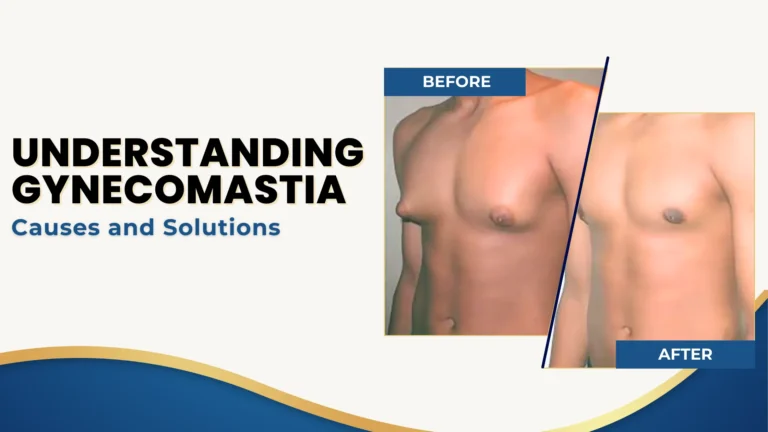
Causes of Gynecomastia: What You Should Know First
Understanding the causes of gynecomastia is important for men who notice changes in chest shape or fullness. Gynecomastia is a condition where glandular breast tissue enlarges due to hormonal imbalance, lifestyle factors, or underlying medical issues. It is not always dangerous, but it can affect confidence and quality of life, especially among teenagers and adults.
What Is Gynecomastia?
Gynecomastia is the benign enlargement of male breast tissue caused by an imbalance between estrogen and testosterone.
Key Features:
- Firm or rubbery tissue under the nipple
- May affect one or both sides
- Sometimes accompanied by tenderness
It is different from chest fat (pseudo-gynecomastia), which is caused by excess fat rather than glandular growth.
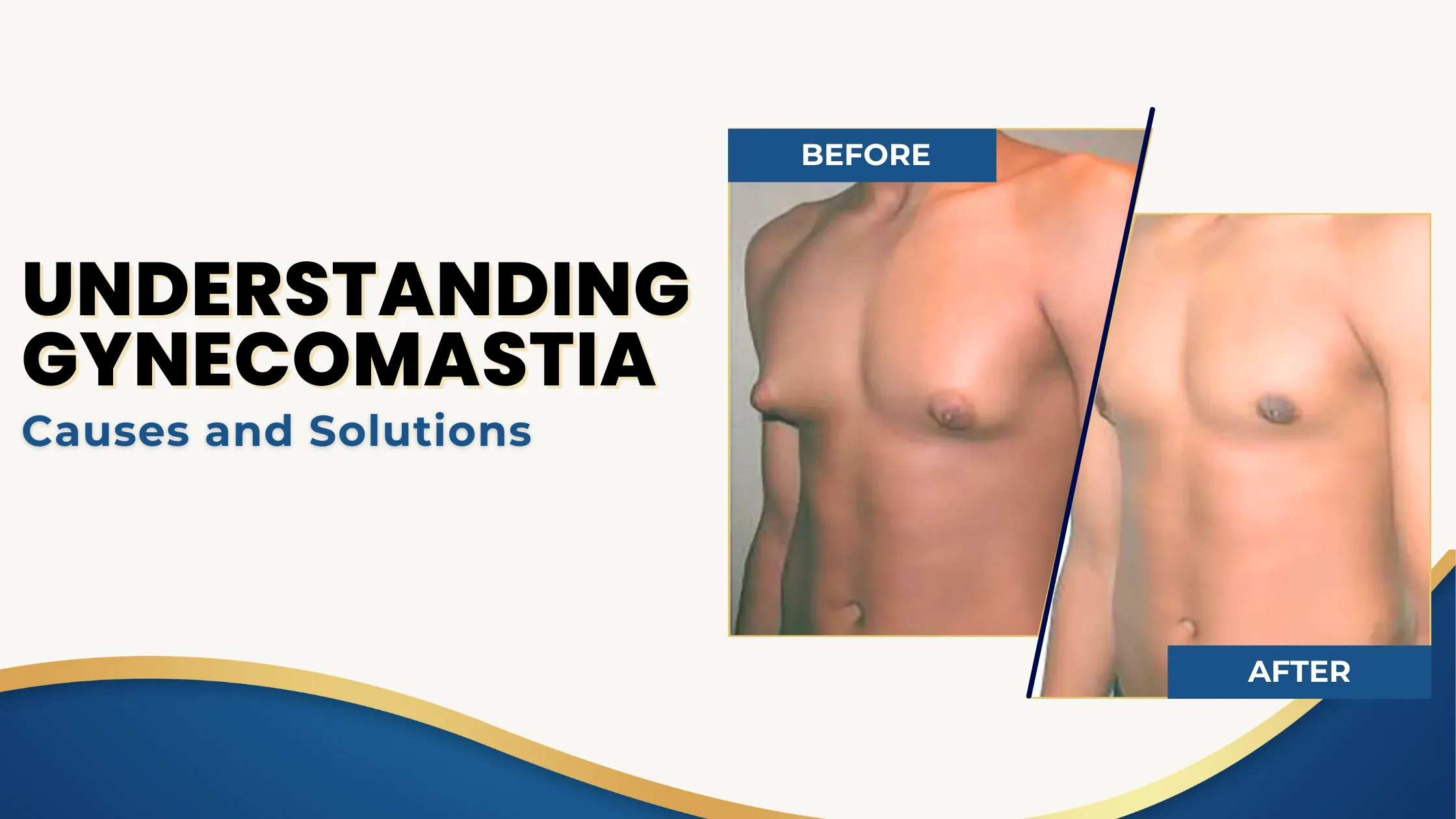
Hormonal Imbalance: The Main Cause
The most common cause of gynecomastia is a disruption in hormone balance.
Testosterone vs Estrogen
Male bodies naturally produce both:
- Testosterone (dominant male hormone)
- Estrogen (present in small amounts)
When estrogen levels increase or testosterone decreases, breast tissue can grow.
Puberty-Related Gynecomastia
During puberty, hormone levels fluctuate significantly.
Why It Happens:
- Temporary spike in estrogen
- Immature hormonal regulation
This type is very common and often resolves on its own within months to a couple of years.
Aging and Hormonal Decline
As men age, testosterone levels naturally decrease.
Contributing Factors:
- Reduced testosterone production
- Increased body fat (which converts testosterone to estrogen)
This explains why gynecomastia is more common in older men.
Medications That Can Cause Gynecomastia
Certain medications can interfere with hormone balance.
Common Drug Types:
- Anti-androgens
- Some antidepressants
- Heart medications
- Anti-ulcer drugs
These can indirectly increase estrogen activity or reduce testosterone levels.
Anabolic Steroid Use
One of the most significant modern causes of Gynecomastia is the use of Anabolic steroids.
How It Leads to Gynecomastia:
- Steroids increase testosterone levels artificially
- Excess testosterone converts into estrogen via Aromatization
- Elevated estrogen stimulates breast tissue growth
This is common among bodybuilders and athletes.
Obesity and Lifestyle Factors
Excess body fat plays a major role in hormone imbalance.
Why It Happens:
- Fat tissue converts testosterone into estrogen
- Leads to increased estrogen levels
Obesity can therefore contribute to both true gynecomastia and chest fat accumulation.
Alcohol and Substance Use
Excessive alcohol consumption can affect liver function, which plays a key role in hormone regulation.
Effects Include:
- Reduced testosterone metabolism
- Increased estrogen levels
Recreational drug use may also contribute to hormonal disruption.
Medical Conditions Linked to Gynecomastia
Certain health conditions can influence hormone levels.
Examples:
- Liver disease
- Kidney failure
- Thyroid disorders
These conditions can indirectly affect estrogen-testosterone balance.
Herbal Products and Supplements
Some supplements marketed for bodybuilding or wellness may contain hormone-altering compounds.
Risk Factors:
- Unregulated ingredients
- Hidden steroid-like substances
Always choose reputable and tested supplements.
Stress and Hormonal Health
Chronic stress may indirectly contribute by affecting hormone regulation.
Mechanism:
- Increased cortisol levels
- Disruption of testosterone production
While not a direct cause, stress can worsen hormonal imbalance.
Genetics and Individual Sensitivity
Some men are naturally more sensitive to hormonal changes.
This means:
- Even small hormone fluctuations can trigger tissue growth
- Family history may play a role
Types of Gynecomastia
Understanding types helps identify underlying causes of Gynecomastia.
1. True Gynecomastia
- Glandular tissue growth
- Hormonal imbalance-driven
2. Pseudo-Gynecomastia
- Fat accumulation
- Related to obesity
3. Mixed Type
- Combination of fat and glandular tissue
Symptoms to Watch For
Early signs may include:
- Swelling under nipples
- Tenderness
- Uneven chest appearance
In confirmed cases, tissue becomes firm and persistent.
Diagnosis Process
Doctors typically evaluate:
- Physical examination
- Hormonal blood tests
- Medical history review
Accurate diagnosis is important to identify the exact cause.
Treatment Options
Treatment depends on the underlying cause.
1. Lifestyle Changes
- Weight loss
- Reducing alcohol intake
- Stopping causative substances
2. Medication Adjustment
If medications are the cause, alternatives may be prescribed.
3. Surgical Treatment
In persistent cases:
- Gynecomastia surgery is performed to remove glandular tissue
This provides a permanent correction.
Prevention Tips
1. Avoid Steroid Misuse
Unsupervised use of Anabolic steroids is a major risk factor.
2. Maintain Healthy Weight
Helps regulate hormone balance naturally.
3. Limit Alcohol Intake
Supports liver and hormone function.
4. Regular Health Checkups
Early detection helps prevent progression.
Psychological Impact
Gynecomastia can affect emotional well-being.
Common Effects:
- Reduced self-confidence
- Body image concerns
- Social discomfort
Addressing the condition often improves mental health significantly.
Final Thoughts
The causes of gynecomastia are diverse, ranging from hormonal changes to lifestyle and medication use. While some cases resolve naturally, others require medical treatment.
Understanding the root cause is the first step toward effective management and long-term confidence.
FAQs
1. What are the main causes of gynecomastia?
Hormonal imbalance between testosterone and estrogen is the primary cause.
2. Can steroids lead to causes of gynecomastia?
Yes, Anabolic steroids are a major risk factor.
3. Is gynecomastia reversible?
Some early cases may improve, but long-standing tissue often requires treatment.
4. Does obesity also causes of gynecomastia?
Yes, fat can increase estrogen production and contribute to the condition.
5. Can puberty cause gynecomastia?
Yes, it is common and usually temporary in teenagers.
6. Do medications cause gynecomastia?
Certain drugs can interfere with hormone balance.
7. Is gynecomastia dangerous?
It is usually benign but can indicate underlying issues.
8. Can exercise cure gynecomastia?
Exercise helps fat reduction but not glandular tissue.
9. What is the best treatment?
Severe cases are often treated with Gynecomastia surgery.
10. Can gynecomastia come back?
It can recur if underlying causes of Gynecomastia are not managed.