
If you’ve ever felt like your chest is carrying a weight—literally—that your back and neck just weren’t designed for, you’re not alone. In Malaysia, breast reduction (medically known as reduction mammoplasty) has become a go-to solution for women looking to trade chronic discomfort for a more balanced, active lifestyle.
GLOJAS Specialist Clinic in Malaysia offers expert breast reduction surgery to relieve back pain, improve posture, and enhance body proportion with safe, personalized care.
What Is Breast Reduction Surgery?
Definition and Overview
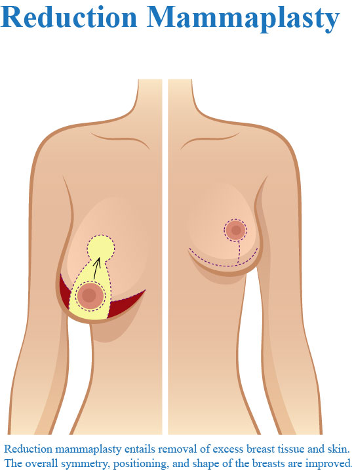
Breast reduction surgery, or reduction mammoplasty, removes excess breast tissue, fat, and skin to alleviate physical discomfort like back and neck pain. This procedure reshapes breasts for improved proportion and symmetry. It also relieves bra strap grooves and skin irritation, enhancing both function and aesthetic appearance.
Who Is a Suitable Candidate
Most surgeons recommend waiting until breasts are fully developed, though it can be done earlier if the physical pain is severe. You’re likely a great candidate if:
You are physically healthy and a non-smoker.
Your breast size limits your physical activity.
You have realistic expectations about scarring.
Medical and Cosmetic Reasons for Surgery
While the “aesthetic” upgrade is a nice perk, many Malaysian women seek this for medical reasons. Chronic rashes under the breast fold, deep bra strap grooves, and nerve pain are common complaints that this surgery can resolve.
Types of Breast Reduction Surgery
Traditional Reduction Mammoplasty
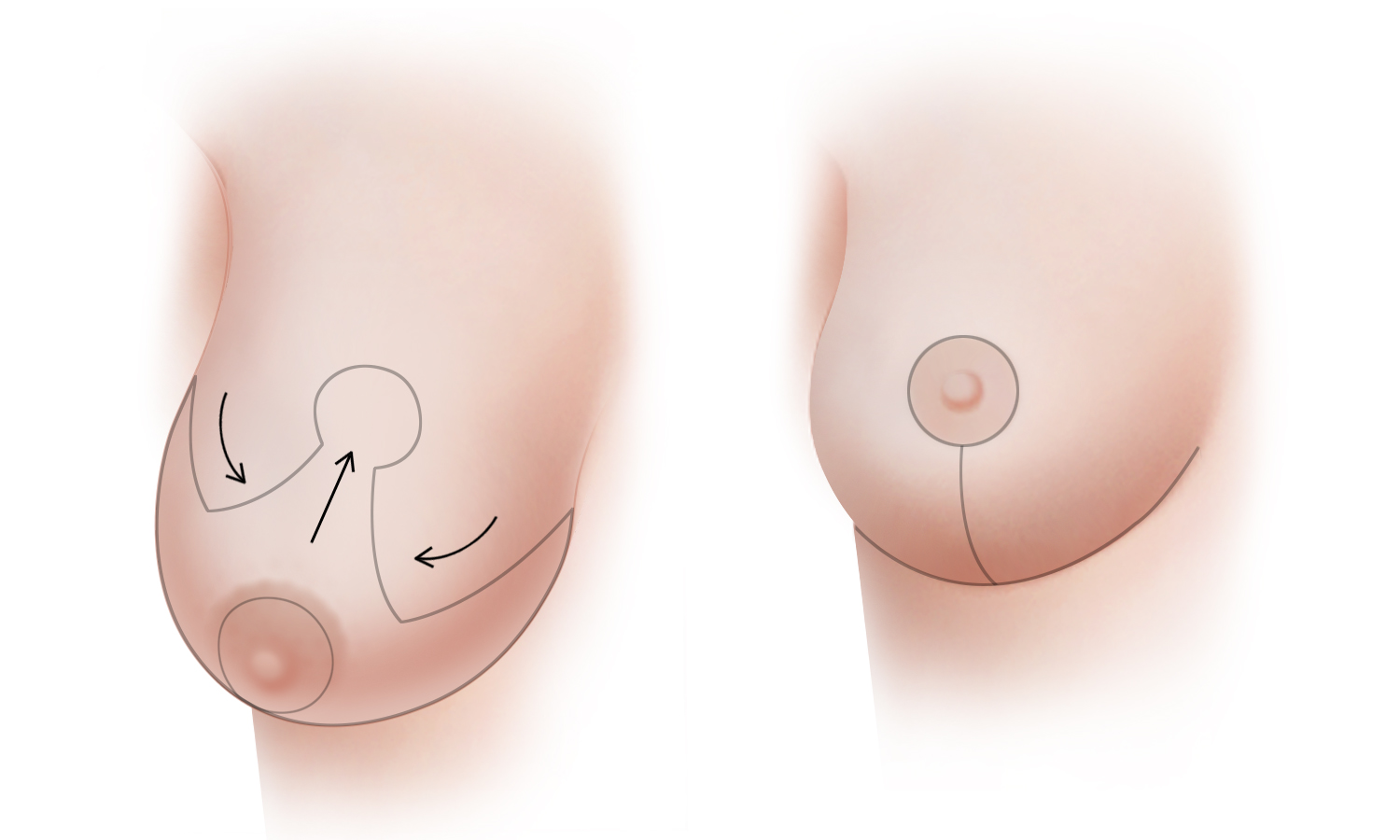
This is the “gold standard” for significant reductions. The surgeon removes tissue and skin through an incision, repositioning the nipple to a higher, more youthful spot.
Liposuction Breast Reduction
If your breast size is primarily due to fatty tissue and you have good skin elasticity, liposuction might be an option. It’s less invasive and leaves almost no scarring, but it won’t address sagging (ptosis).
Scar Patterns and Surgical Techniques
The technique often dictates the scar:
Wise Pattern (Anchor): An incision around the areola, down the middle, and across the breast crease.
Lollipop (Vertical): A circular incision around the areola and a vertical line down.
Donut (Periareolar): Only around the areola (usually for very small reductions).
Breast Reduction Surgery Procedure
Pre-Surgery Consultation and Assessment
Your journey starts with a chat. Your surgeon will measure your proportions, check your medical history, and likely request a mammogram. This is where you’ll discuss your “goal size”—bring photos if it helps!
Step-by-Step Surgical Process
Marking: The surgeon draws the new “blueprint” on your skin while you’re standing.
Incisions: Following the chosen pattern (Lollipop or Anchor).
Reshaping: Excess tissue is removed, and the nipple-areola complex is shifted upward.
Closing: Internal sutures support the new shape, while external ones close the skin.
Anaesthesia Options and Duration
The procedure typically takes 3 to 4 hours under general anaesthesia. You’ll be dreaming through the whole thing, and most patients in Malaysia stay overnight for observation.
Recovery and Downtime
Immediate Post-Operative Care
When you wake up, your chest will be wrapped in a surgical bra. You might have small drainage tubes to prevent fluid buildup, which are usually removed within 24–48 hours.
Healing Timeline and Restrictions
Week 1: Lots of rest. No heavy lifting or reaching overhead.
Week 2-3: Most people return to desk jobs. Swelling starts to dip.
Week 6: You’re usually cleared for the gym and can ditch the compression bra for a regular one.
Tips for Faster Recovery
Hydrate: Water is your best friend for flushing out anaesthesia.
Sleep Elevated: Use a couple of pillows to stay propped up; it helps with the swelling.
Follow the Bra Rule: Wear that surgical bra religiously. It’s the “internal scaffolding” for your new shape.
Benefits of Breast Reduction Surgery
Physical Relief (Back, Neck, Shoulder Pain)
The most immediate “wow” factor is the relief of tension. Removing even 500g of tissue per side can drastically change the load on your trapezius muscles.
Improved Posture and Mobility
Without that forward-pulling weight, your spine can finally align properly. Many patients find they can finally enjoy running or yoga without the physical (and mental) discomfort of “the bounce.”
Enhanced Body Proportion and Confidence
There’s a massive psychological win here. According to Yale Medicine, patients report significant boosts in self-esteem and body image after the procedure.
H2: Risks and Complications
Common Side Effects (Swelling, Bruising, Scars)
Expect some “Frankenstein” vibes for the first month. Bruising and swelling are 100% normal. Scars will be red and lumpy initially but will fade over 12–18 months.
Rare Surgical Risks
Like any major surgery, there are risks of infection, hematoma, or changes in nipple sensation. In very rare cases, partial loss of the nipple (necrosis) can occur if blood flow is compromised.
How to Minimize Complications
Choose a surgeon registered with the Malaysian Medical Council (MMC) and the Malaysian Society of Plastic and Reconstructive Surgery (MSPRS). Following post-op instructions to a “T” is your best defense.
Cost of Breast Reduction Surgery in Malaysia
Average Price Range
In 2026, the price for a breast reduction in Malaysia generally ranges between RM 18,000 and RM 30,000. This is significantly more affordable than in the US or Australia, where prices can double.
Factors Affecting Cost (Surgeon, Technique, Hospital)
Surgeon’s Fee: Seniority and expertise matter.
Facility: Private hospitals in Kuala Lumpur vs. smaller boutique clinics.
Complexity: A standard reduction vs. one requiring extensive liposuction or specialized reconstructive techniques.
FAQs About Breast Reduction Surgery
Is breast reduction surgery safe?
Yes, it is considered a very safe and common procedure. When performed by a qualified plastic surgeon in a sterile hospital environment, complications are statistically low.
How long is recovery?
Most people feel “normal” within 2 to 4 weeks, but you should wait at least 6 weeks before doing any heavy lifting or high-impact cardio.
Will scars fade over time?
Absolutely. While they never disappear completely, they usually fade from red to a thin, silver-white line that is easily hidden by a bikini top or bra.
Can the procedure affect breastfeeding?
It can. While many women can still breastfeed, there is a risk that the milk ducts may be disrupted. If breastfeeding is a high priority for you, discuss the “pedicle” technique with your surgeon to maximize your chances.
How long do results last?
The results are generally permanent! However, significant weight gain, pregnancy, or the natural effects of aging can still change the shape of your breasts over time.