
Thinking about enhancing your silhouette? You aren’t alone. Breast augmentation remains one of the most popular cosmetic procedures in Malaysia, helping many regain confidence after pregnancy, weight loss, or simply to achieve their desired aesthetic.
Whether you’re looking for a subtle lift or a more dramatic change, this guide covers everything you need to know about getting breast implants in Malaysia.
GLOJAS Specialist Clinic offers world-class breast augmentation in Malaysia, led by board-certified surgeons with over 27 years of experience. They specialize in safe, personalized procedures for natural-looking results.
What is a Breast Implant?
At its simplest, a breast implant is a medical prosthesis used to change the size, shape, and contour of a person’s breast. In Malaysia, this is a highly regulated procedure performed by skilled specialists to ensure both beauty and safety.
Understanding Breast Augmentation
Breast augmentation isn’t just about “getting bigger.” It’s about proportion. The surgery involves placing an implant behind the natural breast tissue or the chest muscle. It can correct asymmetry, restore volume lost after breastfeeding, or provide a more “balanced” look for those with smaller frames.
Who Can Get a Breast Implant in Malaysia?
Most healthy adults are candidates. Generally, you should be:
At least 18 (for saline) or 22 (for silicone) years old.
In good physical health with no active infections.
Realistic about your goals.
Not currently pregnant or breastfeeding.
Types of Breast Implants Available

Choosing your implant is like picking the right pair of jeans—it’s all about the fit and the “material.”
Saline vs Silicone Implants
Saline: Filled with sterile salt water. If they leak, the body absorbs the liquid naturally.
Silicone: Filled with a cohesive gel that feels more like natural breast tissue. According to the U.S. Food and Drug Administration (FDA), silicone is often preferred for its realistic “bounce” and texture.
Round vs Anatomical (Teardrop) Implants
Round implants give more fullness to the top of the breast (the “cleavage” area), while Anatomical implants are shaped like a teardrop to mimic the slope of a natural breast.
Textured vs Smooth Implants
Smooth implants move naturally within the breast pocket, whereas textured implants “grip” the tissue to prevent the implant from rotating—which is particularly important for teardrop shapes.
The Breast Implant Procedure Step-by-Step
Initial Consultation & Choosing the Right Size
Your surgeon will use “sizers” or 3D imaging to show you how different volumes look on your frame. It’s not just about the CCs (cubic centimeters); it’s about your shoulder width and existing tissue.
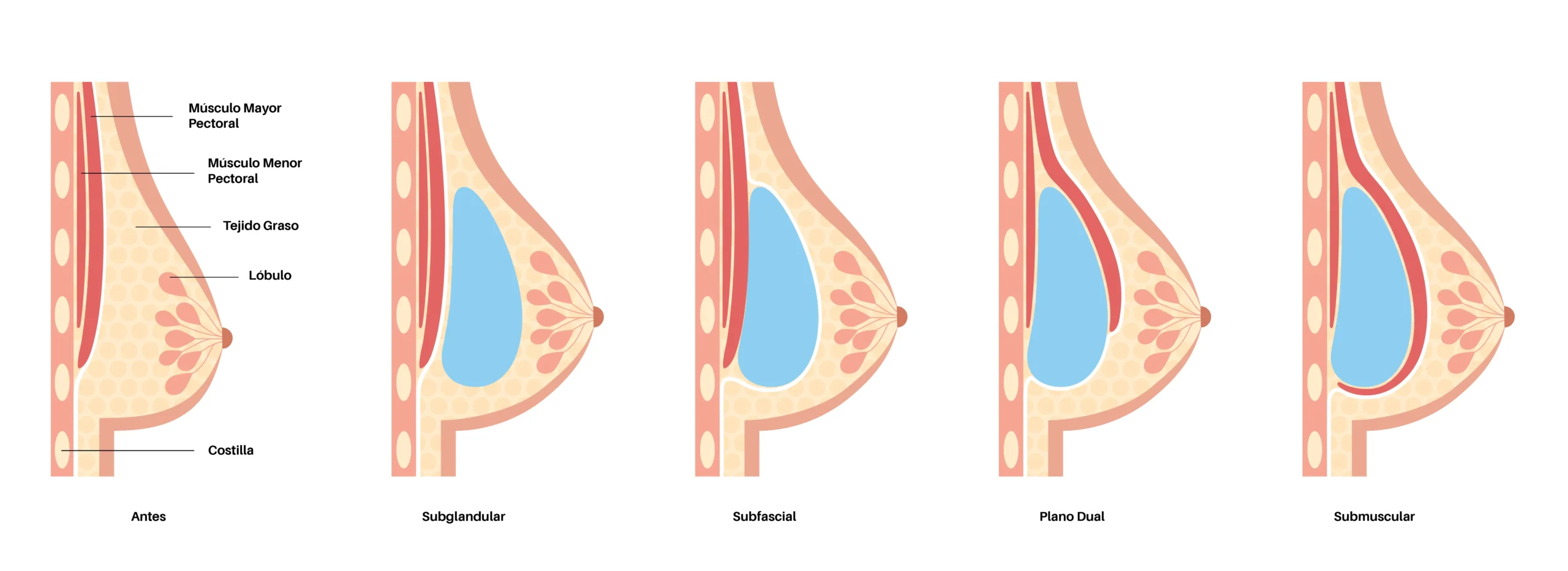
Surgical Techniques: Subglandular vs Submuscular
Subglandular: Placed over the muscle. Recovery is usually faster.
Submuscular: Placed under the pectoral muscle. This offers more coverage and often a more natural-looking result, especially for thinner patients.
Anaesthesia and Operation Duration
The surgery is performed under general anaesthesia. It typically takes 1 to 2 hours, and most patients go home the same day (outpatient) or stay one night for observation.
Recovery After Breast Implant Surgery
Post-Operative Care & Restrictions
You’ll wake up in a surgical bra. No heavy lifting, no overhead reaching, and definitely no “Tough Mudder” races for a few weeks. Proper postoperative care is vital for the best aesthetic outcome.
Managing Pain, Swelling, and Scarring
Expect some tightness and “soreness” (like a heavy chest workout). Your surgeon will prescribe pain relief. Swelling is normal and usually subsides significantly within 4 to 6 weeks.
When to Resume Normal Activities
Desk Work: 1 week.
Light Cardio: 3–4 weeks.
Full Gym Routine: 6–8 weeks.
Risks and Complications of Breast Implants
Capsular Contracture and Implant Rupture
The most common complication is capsular contracture, where scar tissue tightens around the implant. While rare, modern “Gummy Bear” silicone implants are designed to hold their shape even if the shell breaks.
Infection, Bleeding, and Sensation Changes
As with any surgery, there is a risk of infection or temporary nipple numbness. Most sensation returns as the nerves heal over several months.
Long-Term Considerations & Implant Replacement
Implants are not “lifetime” devices. While they can last 10–20 years, the American Society of Plastic Surgeons notes that you may eventually need a “revision” surgery to replace them due to age or wear.
Cost of Breast Implants in Malaysia
Price Range by Implant Type and Clinic
In Malaysia, prices are quite competitive compared to the West.
Estimated Cost: RM 15,000 to RM 30,000.
Factors include the surgeon’s fee, the brand of implant (e.g., Motiva, Mentor), and hospital charges.
Insurance Coverage and Financing Options
Since this is elective cosmetic surgery, standard health insurance usually doesn’t cover it. However, many Malaysian clinics offer 0% interest installment plans through major banks.
Choosing the Right Clinic and Surgeon in Malaysia
Board-Certified Plastic Surgeons
Don’t settle for a “beauty aesthetician.” Ensure your doctor is registered with the National Specialist Register (NSR) of Malaysia and is a member of the Malaysian Association of Plastic, Aesthetic and Craniomaxillofacial Surgeons (MAPACS).
Patient Reviews and Before-After Gallery
A surgeon’s “style” matters. Look at their portfolio to see if their aesthetic matches yours. If you want a natural look, find a surgeon who specializes in that.
FAQs About Breast Implants in Malaysia
How Long Do Breast Implants Last?
Most last 10 to 15 years, but if they still look and feel great, there’s no urgent need to swap them out.
Can I Breastfeed After Breast Implants?
Yes! Most incisions are made so that the milk ducts remain intact. According to The Mayo Clinic, most women with implants breastfeed successfully.
What Are the Alternatives to Breast Implants?
If you’re wary of foreign objects, Fat Grafting (Lipofilling) is a popular alternative where your own fat is suctioned from your tummy or thighs and injected into your breasts.