
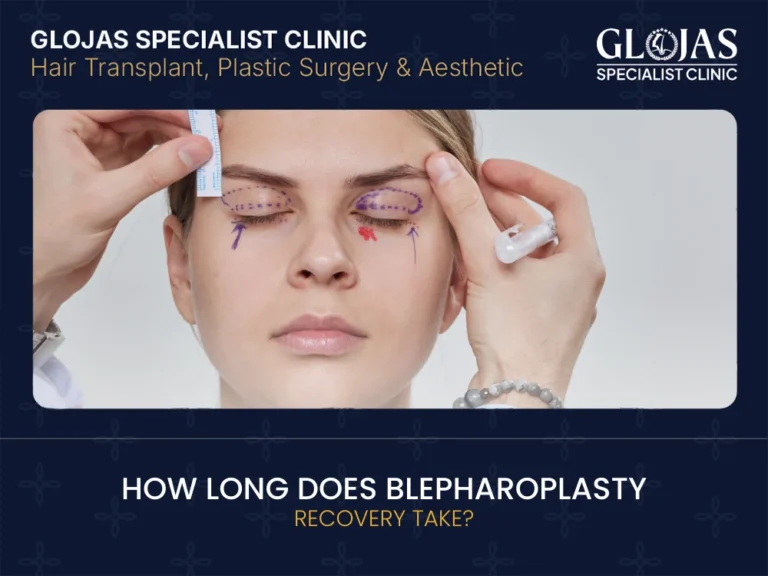
Cosmetic eyelid surgery, known as Blepharoplasty, is a popular procedure for improving the appearance of the eyes. It can address sagging eyelids, under-eye bags, and excess skin that may create a tired or aged look.
One of the most common questions patients ask is about the Blepharoplasty Recovery timeline. Understanding how long healing takes—and what to expect during each stage—can help patients prepare for surgery and plan their recovery more confidently.
While recovery experiences vary between individuals, most people notice significant improvement within a few weeks, with full healing continuing over several months.
Blepharoplasty Recovery Timeline: What to Expect
The Blepharoplasty Recovery timeline usually progresses in stages, beginning with mild swelling and bruising during the first week and gradually improving over time. Whether the procedure involves the upper eyelids, lower eyelids, or both, most patients return to normal activities within 10–14 days.
However, subtle healing continues for several weeks as the tissues settle and scars mature. The Blepharoplasty Recovery Timeline can also vary depending on whether the surgery involves upper eyelid correction, under-eye bag removal, or both.
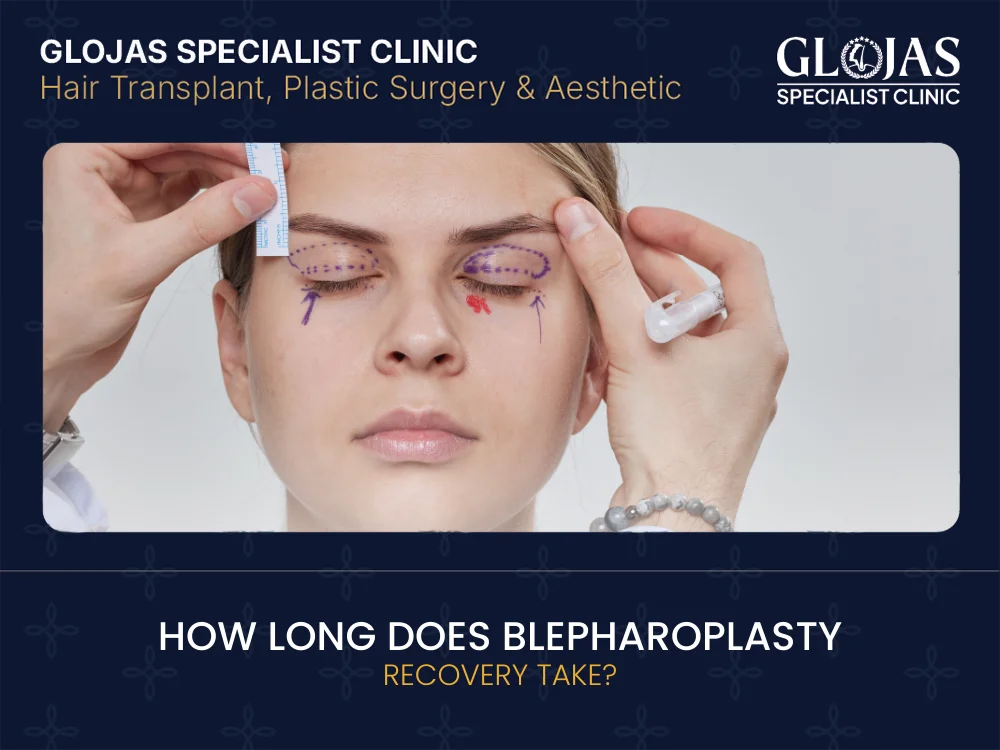
Day-by-Day After Blepharoplasty Recovery Timeline
The first week after Blepharoplasty Recovery Timeline is when most visible swelling and bruising occur.
Day 1–2: Initial Healing Phase
During the first 48 hours after surgery, patients may experience:
- Mild swelling around the eyes
- Bruising near the eyelids
- Tightness or slight discomfort
- Watery or dry eyes
Cold compresses and prescribed medications are often recommended to reduce swelling and promote comfort.
Most surgeons advise resting with the head elevated during this stage to support circulation and healing.
Day 3–5: Swelling and Bruising Peak
By the third or fourth day, swelling and bruising may become more noticeable before gradually improving.
Common experiences include:
- Puffy eyelids
- Mild sensitivity to light
- Temporary blurred vision due to ointments
These symptoms are generally temporary and part of the normal healing process.
Day 5–7: Stitch Removal
For many patients, sutures are removed approximately five to seven days after surgery.
At this stage:
- Swelling begins to decrease
- Bruising starts fading
- Patients may resume light daily activities
However, strenuous exercise and heavy lifting are usually still avoided during this period.
Week-by-Week Blepharoplasty Recovery Timeline
After the first week, recovery becomes progressively easier.
Week 2: Returning to Normal Activities
By the second week, most patients experience significant improvements.
Typical changes include:
- Reduced swelling and bruising
- Eyes appearing more natural
- Ability to return to work or social activities
Makeup can often be applied around the eyes to conceal remaining bruising, depending on medical advice.
Week 3–4: Visible Results Begin
During the third and fourth weeks, the eye area continues to heal.
Many patients notice:
- Smoother eyelids
- Less puffiness
- Improved eye contour
Although the eyes may already look refreshed, some minor swelling may still persist.
Month 2–3: Continued Healing
By two to three months after surgery, most swelling has resolved and results become clearer.
At this stage:
- Eyelid scars begin to fade
- Skin texture improves
- Final results gradually emerge
Proper skincare and sun protection help support healthy healing.
Factors That Affect the Blepharoplasty Recovery Timeline
Not everyone heals at the same rate. Several factors may influence recovery speed.
1. Type of Eyelid Surgery
Recovery may vary depending on whether the procedure involves:
- Upper eyelid surgery
- Lower eyelid surgery
- Combined upper and lower procedures
Lower eyelid surgery may sometimes involve slightly longer swelling due to the delicate tissues beneath the eyes.
2. Individual Healing Response
Every person’s body heals differently. Age, skin quality, and overall health can influence how quickly swelling and bruising resolve.
Healthy individuals with good circulation often recover more efficiently.
3. Surgical Technique
Different surgical approaches may affect healing time.
For example:
- External incisions near the lash line
- Internal incisions (transconjunctival technique)
Your surgeon will recommend the most appropriate method based on your concerns.
4. Post-Surgery Care
Following recovery instructions carefully can significantly impact the healing process.
This includes:
- Applying cold compresses
- Avoiding strenuous activity
- Keeping the head elevated while sleeping
- Attending follow-up appointments
Proper care helps reduce swelling and minimize complications.
Tips to Speed Up Blepharoplasty Recovery Timeline
While healing takes time, certain habits may help support a smoother recovery.
Follow Medical Instructions
Always follow the post-operative care plan provided by your surgeon. This includes medication schedules and wound care guidelines.
Rest and Elevate Your Head
Sleeping with your head elevated for the first week may help reduce swelling around the eyes.
Avoid Strenuous Activities
Activities that increase blood pressure—such as intense exercise—should usually be avoided for at least two weeks.
Protect Your Eyes From Sunlight
Wearing sunglasses and applying sun protection can help protect healing skin and reduce irritation.
Maintain a Healthy Diet
Eating nutritious foods rich in vitamins and protein supports tissue repair and overall healing.
Possible Temporary Side Effects
Like any surgical procedure, eyelid surgery—also known as Blepharoplasty—can cause some temporary side effects during the early healing phase. In most cases, these reactions are mild and gradually improve as the tissues recover.
Common temporary side effects may include:
Swelling
Swelling around the eyelids is one of the most common reactions after surgery. It typically peaks within the first few days and gradually subsides over the following one to two weeks. Keeping the head elevated and applying cold compresses may help reduce swelling.
Bruising
Bruising around the eyes may occur due to small blood vessels being affected during surgery. The discoloration often fades within 10–14 days as the body naturally reabsorbs the blood.
Dry Eyes
Some patients experience temporary dryness or irritation because the eyelids may not blink as efficiently during early healing. Doctors may recommend lubricating eye drops to keep the eyes comfortable.
Sensitivity to Light
Light sensitivity can occur while the eyes and surrounding tissues are recovering. Wearing sunglasses outdoors and avoiding bright lights may help minimize discomfort.
Mild Discomfort or Tightness
A feeling of tightness or mild soreness around the eyelids is normal in the first few days after surgery. This sensation usually improves as swelling decreases and the skin adjusts to the new contour.
Most of these symptoms improve significantly within the first few weeks following Blepharoplasty. However, if patients notice persistent pain, significant vision changes, or unusual swelling, they should contact their healthcare provider for further evaluation.
When Will Final Results Be Visible?
Although early improvements appear within a few weeks, the final results of eyelid surgery take longer to fully develop.
In most cases:
- Initial improvements appear within 2–3 weeks
- Most swelling resolves by 2–3 months
- Scars continue fading for 6–12 months
Because the eyes are a central feature of the face, subtle improvements can create a more refreshed and youthful appearance.
Many patients choose Blepharoplasty as part of broader facial rejuvenation approaches alongside treatments like Facelift or non-surgical options such as Botox.
Is Blepharoplasty Recovery Timeline Painful?
Recovery after Blepharoplasty is generally considered relatively comfortable compared to many other cosmetic surgeries. Most patients report that the recovery process involves more visible swelling and bruising rather than significant pain.
In the first few days after surgery, patients may feel mild soreness, tightness, or a slight pulling sensation around the eyelids. This discomfort is usually manageable with prescribed or over-the-counter pain medication recommended by the surgeon. For many individuals, the discomfort improves noticeably within two to three days.
Interestingly, many patients say that the appearance of swelling or bruising around the eyes feels more concerning than the actual physical discomfort. These symptoms are a normal part of the healing process and typically begin to improve during the first week.
Other temporary sensations during recovery may include:
A feeling of tightness around the eyelids
Mild irritation or watery eyes
Slight sensitivity to light
Temporary dryness
Following post-operative care instructions—such as using cold compresses, keeping the head elevated, and applying prescribed eye ointments or drops—can help make the recovery period more comfortable.
Overall, while some mild discomfort is expected, most patients find the recovery from Blepharoplasty manageable and short-lived, with the majority of symptoms improving significantly within the first one to two weeks.
Frequently Asked Questions (FAQs): Blepharoplasty Recovery Timeline
1. How long does blepharoplasty recovery timeline take?
Most patients recover within 10–14 days, although subtle healing continues for several weeks.
2. When can I return to work after eyelid surgery?
Many people return to work within one to two weeks, depending on the extent of surgery and their comfort level.
3. How long does swelling last after blepharoplasty?
Significant swelling usually improves within two weeks, but mild swelling may persist for several weeks.
4. Are bruises common after eyelid surgery?
Yes. Bruising around the eyes is common and typically fades within 7–14 days.
5. Can I wear makeup during recovery?
Makeup is usually allowed after the incisions heal, typically about 10–14 days after surgery, depending on medical advice.
6. When can I exercise again?
Light activity may resume after one to two weeks, while intense exercise is usually avoided for at least three to four weeks.
7. Will eyelid surgery leave scars?
Incisions are typically placed in natural eyelid creases or inside the eyelid, making scars generally discreet.
8. How long do blepharoplasty results last?
Results can last many years, although natural aging continues over time.
9. Can swelling return months after Blepharoplasty Recovery Timeline?
Minor swelling may occasionally occur during healing, but significant swelling months later should be evaluated by a doctor.
10. How can I support faster healing after Blepharoplasty Recovery Timeline?
Following medical advice, resting properly, avoiding smoking, and maintaining a healthy diet may help support recovery.
Conclusion
Understanding the Blepharoplasty Recovery timeline helps patients prepare for what to expect after eyelid surgery. Most individuals experience noticeable improvement within two weeks, with continued healing over several months.
While recovery varies from person to person, proper post-operative care and guidance from an experienced surgeon can help ensure a smooth healing process and optimal results.
With patience and proper care, blepharoplasty can provide long-lasting improvements that refresh the eye area and enhance overall facial appearance.