
Are You a Good Candidate for Liposuction?
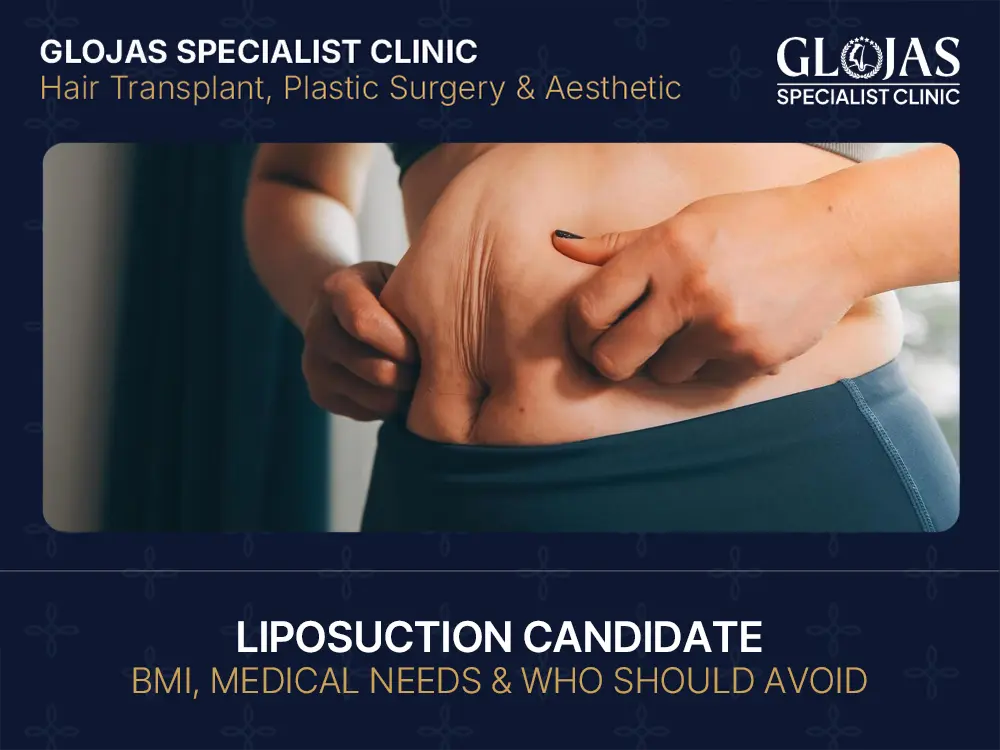
Are You Fit to Be a Liposuction Candidate in Malaysia? Liposuction targets stubborn, localized fat that doesn’t respond well to diet or exercise, helping refine body contours and improve proportions. It is not designed for weight loss or obesity treatment, and it cannot replace healthy lifestyle habits. The procedure works best for individuals already near their ideal weight who want to enhance specific areas. At GLOJAS Specialist Clinic, every patient undergoes a thorough, medically guided assessment to confirm whether liposuction is appropriate and safe. Our team of experienced, credentialed specialists evaluates BMI, overall health, and individual risk factors, prioritizing evidence-based care and patient safety. Only candidates who meet clinical standards proceed with treatment. Ideal Liposuction Candidate Profile BMI Guidelines While each case is individualized, many board-certified plastic surgeons follow these general BMI criteria: BMI under 25: Ideal liposuction candidate with the lowest surgical risk and most predictable contouring results. BMI 25–29.9: Still suitable for liposuction if health is stable and weight is consistent. BMI 30–34.9: Considered on a case-by-case basis due to higher anesthesia and postoperative risks. BMI 35 and above: Usually not recommended because complication risks increase significantly, and non-surgical or medical weight-loss options may be safer. Health and Physical Requirements A strong candidate typically has: Stable weight for 3–6 months Overall good health without uncontrolled medical conditions Skin with enough elasticity to retract smoothly after fat removal Localized fat deposits rather than widespread excess fat No nicotine use (or ability to stop for 4 weeks before and after surgery) Lifestyle and Behavioral Readiness Candidates who benefit most from liposuction: Maintain balanced eating habits Engage in regular physical activity Can follow pre- and postoperative instructions Understand that liposuction sculpts the body rather than lowers body weight Medical Requirements Before Liposuction 1. Comprehensive Medical Evaluation Before surgery, your surgeon will review: Full medical and surgical history BMI and body-fat distribution Vital signs and cardiovascular health Current medications and allergies 2. Laboratory Testing Common pre-op tests include: CBC: blood counts CMP: kidney and liver function Coagulation tests: bleeding/clotting profile Pregnancy test: when appropriate 3. Medication and Supplement Adjustments Certain medications and supplements may increase bleeding risk. Patients are often advised to pause: Blood thinners (e.g., warfarin, apixaban) NSAIDs High-dose vitamin E Herbal supplements such as ginkgo, ginseng, or St. John’s wort 4. Smoking and Nicotine Restrictions Nicotine affects circulation and healing. Complete cessation for at least 4 weeks before and after surgery is recommended to reduce complications. Who Should Avoid Liposuction High BMI or Obesity Liposuction is not intended for individuals with: BMI 35 or higher: strongly discouraged BMI 40 or higher: typically contraindicated Higher BMI increases risks such as poor healing, anesthesia complications, and disappointing cosmetic outcomes. Certain Medical Conditions Liposuction may not be safe if you have: Uncontrolled diabetes Significant heart or lung disease Bleeding or clotting disorders Compromised immune function Severe vein disease or circulation problems Active Infections or Skin Issues Any infection or inflammation in the treatment area must be resolved before surgery. Unrealistic Cosmetic Expectations Liposuction is not suitable for patients expecting it to: Replace weight-loss programs Remove very large fat volumes safely Tighten loose skin without additional procedures Pregnancy or Postpartum Period Liposuction is not performed during pregnancy. New mothers are usually advised to wait 6–12 months to allow hormones and weight to stabilize. Risks and Safety Considerations Although liposuction is generally safe, especially in healthy candidates, possible complications include: Fluid buildup (seroma) Uneven fat removal or contour irregularities Infection Anesthesia-related issues Blood clots Asymmetry Selecting a qualified, board-certified plastic surgeon and following proper pre- and postoperative guidelines significantly reduces these risks. Expected Results and Limitations What Liposuction Can Improve Overall body contour and shape Waistline definition Balance between abdomen, flanks, thighs, arms, or chin Fit and comfort of clothing What Liposuction Cannot Do Treat obesity Replace medical weight-loss or bariatric surgery Remove stretch marks Correct significant skin laxity (skin tightening may be required) Alternatives for Non Liposuction Candidate For those who are not suitable for liposuction, effective alternatives include: Medically supervised weight-management programs Nutrition and lifestyle coaching Prescription weight-loss medications (e.g., GLP-1 therapy like ozempic malaysia or mounjaro malaysia) Non-invasive fat reduction (CoolSculpting®, radiofrequency) Bariatric surgery for patients with severe obesity FAQs: Liposuction Candidate 1. What is the safest BMI for liposuction? A BMI below 30 generally offers the safest conditions and most predictable outcomes. 2. Can I get liposuction if I’m overweight but not obese? Yes. Many patients with a BMI 25–29.9 are suitable if their health is stable and they have localized pockets of fat. 3. How much fat can safely be removed? Most surgeons limit removal to up to 5 liters per session to minimize risk. 4. Does liposuction help with weight loss? No. It reshapes the body, and any weight change is usually minimal. 5. Can liposuction remove visceral fat? No. Liposuction targets subcutaneous fat only. Visceral fat requires lifestyle changes or medical weight-management. 6. Is liposuction safe for diabetics? Possibly—only if diabetes is well controlled. Poor control increases infection and healing risks. 7. How long after childbirth can I have liposuction? Most surgeons recommend waiting 6–12 months until weight and hormones stabilize.
Male vs Female Pattern Hair Loss: Causes, Stages, and Most Effective Treatments
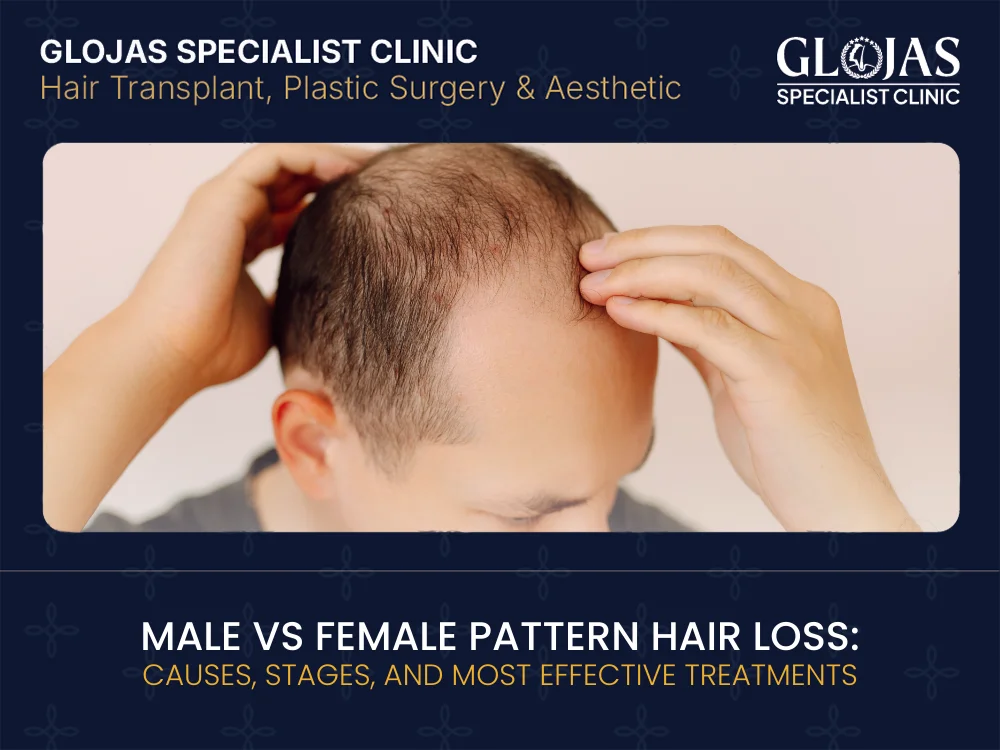
Understanding Pattern Hair Loss in Men and Women Pattern hair loss is one of the most common forms of hair thinning worldwide, but it doesn’t look the same in everyone. Men and women experience different patterns, symptoms, and progression stages. Identifying these differences early helps you choose the right treatment and protect your long-term hair health. What Is Pattern Hair Loss? Pattern hair loss—also called androgenetic alopecia—is a genetically influenced condition triggered by hormonal sensitivity, mainly to DHT (dihydrotestosterone). While it affects both genders, the visual patterns and psychological impacts differ significantly. It’s not caused by poor hygiene, hair products, or tight hairstyles. Instead, it’s an inherited sensitivity that causes follicles to gradually shrink, shorten their growth cycle, and produce finer, weaker strands over time. Understanding the mechanism behind pattern hair loss helps explain why early intervention matters and why some treatments work better than others depending on the stage. Why Men and Women Lose Hair Differently Although the root cause of pattern hair loss is similar in both genders, the way it appears on the scalp can vary a lot. This difference comes down to hormonal balance, genetics, and how hair follicles are distributed and respond to hormones. In Men: Men typically show more noticeable and structured patterns of loss because: Higher sensitivity to DHT (dihydrotestosterone): Male follicles—especially at the temples and crown—react more strongly to this hormone. More concentrated androgen receptors: These receptors make certain areas more vulnerable, leading to classic M-shaped recession or thinning at the crown. Faster follicle miniaturisation: Once male follicles start shrinking, they often progress more rapidly. In Women: Women also experience hormone-related thinning, but the pattern is different: Lower sensitivity to DHT: Female follicles are generally less reactive, so thinning is slower and less patchy. More diffuse thinning: Instead of receding hairlines or bald patches, women often notice overall volume loss across the top and sides of the scalp. Rarely complete baldness: Even with long-term thinning, women typically maintain their frontal hairline. Causes of Male Pattern Hair Loss Male pattern hair loss (MPHL) happens when hair follicles become increasingly sensitive to dihydrotestosterone (DHT). When DHT binds to genetically vulnerable follicles, it gradually shrinks them, weakens the roots, and shortens the growth phase of the hair cycle. Over time, the hair becomes finer, grows slower, and eventually stops growing altogether. While DHT is the main driver, several other factors influence how quickly or severely hair loss progresses: 1. Family History Genetics is the strongest predictor. Men with a family history of recession or balding are much more likely to develop MPHL. This genetic predisposition determines how sensitive the follicles are to DHT and which areas of the scalp are affected first. 2. Hormonal Fluctuations Hormones can change due to age, stress, health conditions, or medications. Even slight shifts in testosterone–DHT balance can accelerate thinning in men who are genetically prone. 3. Age Follicles naturally weaken with time. Most men start noticing mild changes in their late teens to 20s, and thinning becomes more common with each decade. As follicles get older, they recover more slowly from shedding cycles. 4. Stress and Lifestyle Chronic stress, poor sleep, smoking, and inadequate nutrition can all disrupt normal hair growth. These factors don’t directly cause MPHL, but they can speed up its progression by affecting scalp health and follicle strength. 5. Medical Conditions Issues such as thyroid disorders, testosterone imbalance, and certain chronic illnesses can worsen existing hair loss or trigger additional shedding on top of MPHL. Treating the underlying condition can help slow the impact. Because men often lose hair from the temples and crown first, early signs tend to be more visible than in women. This is why many men notice recession or thinning earlier, even if the underlying cause is the same. Stages of Male Pattern Hair Loss (Hamilton-Norwood Scale) The Hamilton-Norwood Scale outlines the typical progression: Stage 1: Minimal recession, often not noticeable. Stage 2: Mild temple recession. Stage 3: Clear M-shaped hairline, deeper recession. Stage 4: Thinning at the crown begins. Stage 5: Bigger balding area, noticeable separation between front and crown. Stage 6: Front and crown balding join together. Stage 7: Advanced baldness, horseshoe-shaped remaining hair. Early stages respond best to non-surgical treatments. How Male Pattern Hair Loss Looks Receding hairline Thinning at the crown Noticeable scalp visibility in bright light Loss of density at the mid-scalp Eventual merging of bald areas Men typically progress more predictably due to stronger DHT response. Causes of Female Pattern Hair Loss Female pattern hair loss (FPHL) happens when several internal and external factors combine to weaken hair follicles over time. While the process shares similarities with male hair loss, the triggers—and the way it shows—can be quite different. 1. Genetics A family history of thinning hair is one of the strongest predictors. Certain inherited genes make the follicles more sensitive to hormonal changes, leading to gradual thinning, especially at the crown or top of the scalp. 2. Hormone Changes Female hormones play a major role in hair growth cycles, so any shift can affect density. Common triggers include: Pregnancy and postpartum changes Menopause, when estrogen levels drop Conditions like PCOS, which can increase androgen activity These hormonal fluctuations can cause hair to grow slower, shed more, or become thinner over time. 3. Stress Emotional or physical stress can push hair into a shedding phase earlier than normal. If the stress continues, follicles may weaken and struggle to return to a healthy growth cycle. 4. Age As women grow older, follicles naturally shrink and produce finer strands. This makes thinning more noticeable, especially after the mid-30s to 40s. 5. Nutrient Deficiencies Low iron, vitamin D, zinc, or protein intake can reduce the strength of new hair growth. Since hair is not a “priority organ,” it’s often affected first when nutrient levels drop. 6. Thyroid or Metabolic Conditions Thyroid imbalances (overactive or underactive) and metabolic issues can disrupt the body’s overall hormones and energy use. This imbalance can weaken follicles and contribute to long-term thinning. Despite
Male Hormones & Chest Fat: What Causes Gland Enlargement?
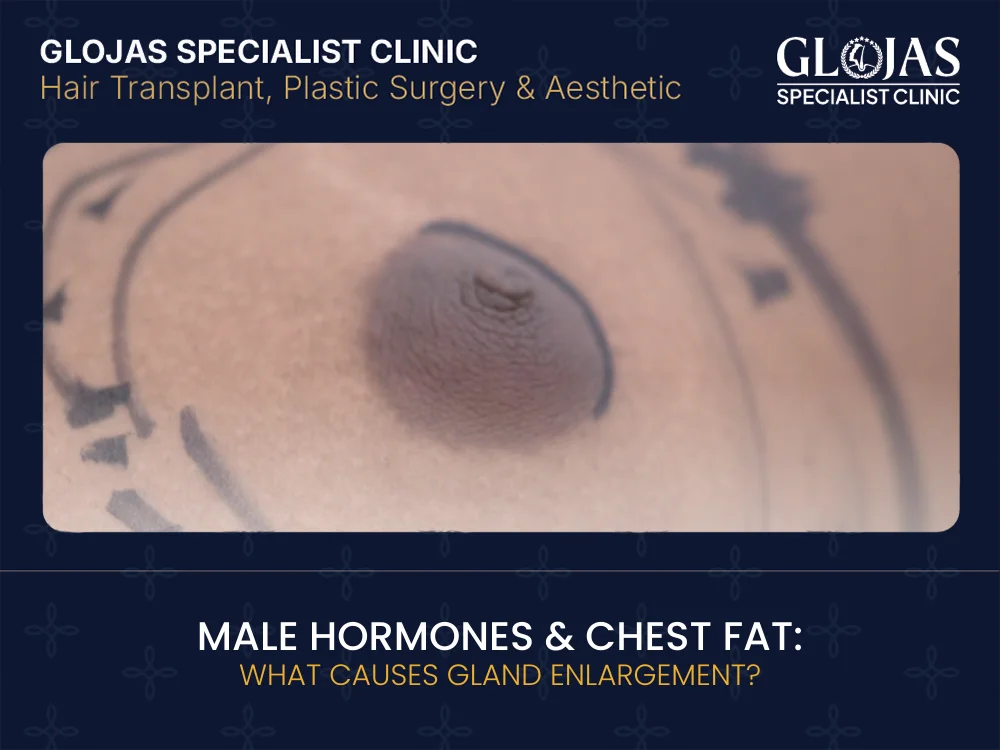
Understanding Gland Enlargement in Men Gland enlargement refers to abnormal swelling of glands due to inflammation, infection, or hormonal imbalances. Common types include thyroid enlargement (goiter), lymph node swelling, and prostate enlargement (BPH). Symptoms vary by location. Diagnosis involves ultrasound, blood tests, or biopsy to determine underlying causes and appropriate treatment. Male gland enlargement—often linked to gynecomastia—happens when the breast tissue beneath the nipple becomes thicker or more active. This isn’t the same as excess chest fat (pseudogynecomastia), which is softer and usually related to weight gain. Gland enlargement typically feels firmer or more rubbery, and it may affect one or both sides of the chest. Why Gland Enlargement Happens The male chest is made up of two main components: glandular tissue and fat tissue. Glandular tissue is firm and structured, while fat is softer and changes with overall body weight. Gland enlargement occurs when the glandular tissue grows more than it should, causing the chest to look fuller, rounder, or slightly swollen. This enlargement is not the same as regular chest fat. Instead, it usually happens when the body’s hormone balance shifts—especially when estrogen becomes relatively higher than testosterone. Even small hormonal changes can trigger gland growth. Although it often starts during puberty (when hormone levels naturally fluctuate), gland enlargement can also happen at any age. 1. Hormonal Imbalances: The Core Trigger Hormones play the biggest role in gland enlargement. Men naturally produce both testosterone and estrogen, but when the balance shifts—especially if estrogen becomes dominant—gland tissue may grow. Triggers include: Puberty (temporary hormone surges) Aging (decline in testosterone levels) Stress-related hormonal fluctuations Obesity-related estrogen increases This hormonal link is why many men search for:“hormones and chest gland growth” — a highly relevant internal link anchor for educational content. Correcting hormonal imbalance often helps, but long-term enlargement usually requires medical attention. 2. Puberty: The Most Common Cause Up to 70% of boys experience temporary gland enlargement during puberty. This usually resolves naturally within months or a few years. However, when it persists into adulthood, it may become fibrous and harder to reverse without medical treatment. Signs during puberty include: Tender nipple area Firm gland behind the areola Mild swelling or puffiness This early stage is highly responsive to treatment if caught soon. 3. Weight Gain and Chest Fat Storage Not all chest enlargement is gland-related. Fat accumulation can mimic gland enlargement, but the texture is different—fat is soft, while gland tissue is firm. Obesity increases estrogen levels, which can cause both: Fat deposition True gland enlargement This combination creates what many describe as “man boobs,” which is one reason weight management alone may not fully resolve the issue. Internal link suggestion:“causes of male breast enlargement.” 4. Medications That Influence Hormones Several prescription and over-the-counter medications may trigger gland enlargement by altering hormone levels. Common ones include: Anabolic steroids Anti-androgens Certain antidepressants Heart medications Anti-ulcer drugs Some antibiotics Stopping or adjusting medication must always be guided by a doctor. Never discontinue a medication abruptly without medical advice. 5. Lifestyle Factors That Affect Hormone Levels Lifestyle doesn’t directly create gland enlargement, but it influences hormones significantly. Risk factors include: Heavy alcohol use Recreational substances Lack of sleep High stress Poor diet Sedentary habits These factors may reduce testosterone or increase estrogen, making gland enlargement more likely—especially if you’re already predisposed. 6. The Role of Body Fat in Hormonal Conversion Fat tissue contains an enzyme called aromatase, which converts testosterone into estrogen. Higher body fat = more aromatase activity = more estrogen. This explains: Why men with higher BMI face increased risk Why chest fat often coexists with gland enlargement Why weight loss alone may shrink fat but not gland tissue Once the gland becomes fibrotic, only surgical intervention can remove the hardened tissue. 7. Underlying Medical Conditions Though less common, medical conditions can be the root cause. Examples include: Thyroid disorders Testicular problems Liver disease Kidney failure Pituitary abnormalities These conditions affect hormone production, metabolism, or clearance, contributing to gland enlargement. Any unexplained or rapidly growing chest swelling warrants a medical evaluation. 8. Understanding the Difference: Fat vs Gland Many men misjudge the cause of their chest enlargement. Here’s how gland tissue typically feels: Firm or rubbery Located directly under the nipple May feel sensitive or tender Has a disc-like shape Chest fat, on the other hand: Feels soft Spreads evenly Changes with weight gain or loss A proper clinical assessment is needed to determine which type you have—or if it’s a combination of both. 9. When Gland Enlargement Becomes Permanent If the enlargement remains for more than a year, especially after puberty, the gland tissue may turn fibrous. Once this happens, it becomes difficult to reverse naturally. At this stage, the most effective option is: Gynecomastia surgery A procedure that removes gland tissue, often combined with fat contouring to reshape the chest. This approach restores a flatter, firmer chest and addresses both gland enlargement and surrounding fat. 10. Emotional and Psychological Impact Though gland enlargement is not dangerous to physical health, it may significantly affect: Confidence Posture Clothing choices Social situations Intimacy Self-esteem Many girls and women face similar issues with hormones, but for men, chest enlargement can feel particularly distressing. Treatment isn’t only about appearance—it’s about comfort and restoring confidence. When Should You Seek Treatment? You should consider seeing a specialist if you notice any of the following: The enlargement has lasted more than a year — long-standing changes may indicate true glandular gynecomastia rather than temporary swelling. The chest feels firm or glandular — a hard or rubbery texture often suggests enlarged breast tissue, not just fat. You experience discomfort — tenderness, sensitivity, or tightness can signal underlying tissue changes. It affects your confidence or daily life — if the appearance of your chest makes you feel self-conscious, avoid certain clothes, or impacts activities, professional support can help. Weight loss does not improve the appearance — persistent fullness despite lifestyle changes may mean there is glandular tissue that won’t shrink on its own. A proper medical evaluation can identify whether the enlargement is due to hormones, medication, fat accumulation, or
Early Signs of Hair Loss: How to Spot Weak Hair Follicles Before They Fail
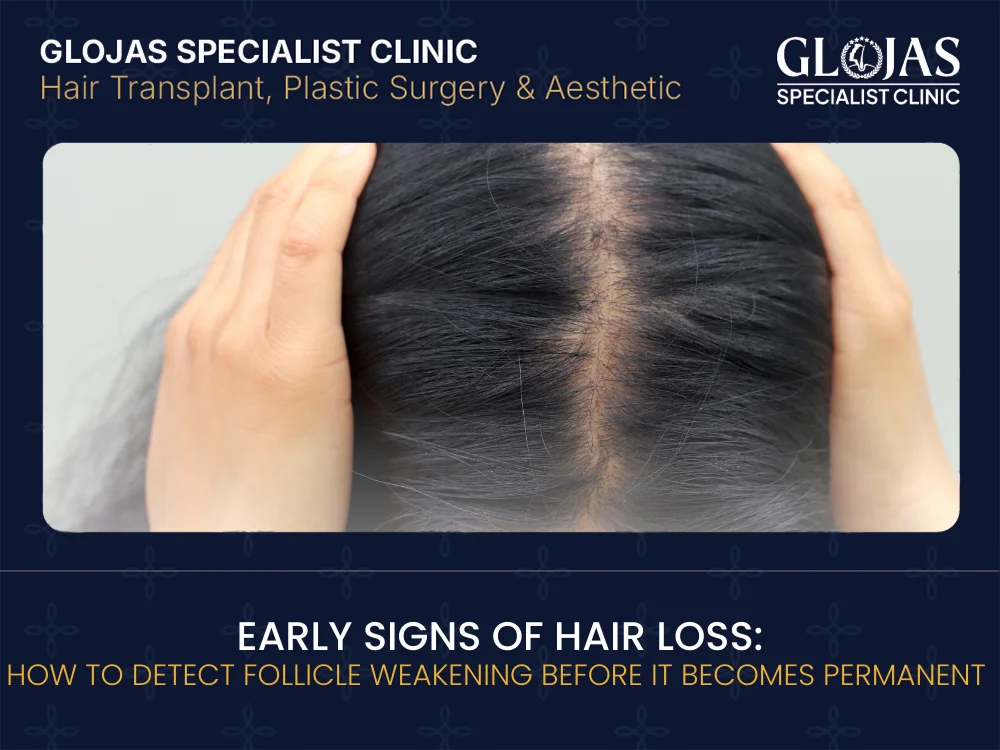
Understanding the Early Signs of Hair Loss Hair thinning can creep in quietly. Many people miss the early signs of hair loss because the changes happen slowly, sometimes over months or years. Spotting the clues early gives you the best chance of protecting your follicles and preventing long-term damage. GLOJAS Specialist Clinic is a leading MOH-licensed, LCP-certified centre for hair transplant Malaysia, backed by over 27 years of surgical expertise. Our procedures are performed by NSR-registered surgeons using advanced FUE and FUT techniques, ensuring safe, natural, and medically proven results trusted by patients across Malaysia. Why Early Signs of Hair Loss Detection Really Matters Signs of Hair loss rarely happens overnight. Most cases begin with subtle follicle weakening before the hair strands start shedding more noticeably. When you understand these early indicators, you can take action sooner—before the follicles become dormant or permanently inactive. Whether caused by genetics, hormones, stress, or lifestyle, early intervention often leads to better outcomes. Today, advanced treatments, supportive care, and proper diagnosis can significantly slow, stabilise, or even reverse early-stage thinning. 1. Gradual Thinning at the Crown One of the earliest and most overlooked signs of hair loss is diffuse thinning at the crown. It doesn’t always look like a bald spot in the beginning—sometimes it’s only a slight see-through area when you stand under bright light or review photos taken from above. This happens because follicles in the crown region are highly sensitive to hormonal changes (especially DHT) and often shrink earlier than other areas. If you spot this early, you can typically preserve much more density. 2. Increased Hair Fall on Your Pillow or Floor Seeing 30–50 strands per day can be normal, but if you’re suddenly noticing more hair on your: Pillow Hairbrush Shower drain Floor after combing …it may signal early signs of hair loss. What matters isn’t a single day of shedding but a consistent increase over a week or two. This pattern usually reflects follicle miniaturisation, where hairs become finer and fall out sooner than they should during the growth cycle. 3. A Widening Part Line For both men and women, the part line is one of the most reliable places to spot changes. If you notice your part: Looking wider Showing more scalp Becoming harder to conceal …it may indicate reduced volume at the top and mid-scalp. For women especially, this can be an early sign of female-pattern hair loss (FPHL). 4. Hair Feeling Finer or More Fragile When follicles weaken, they produce thinner strands. Many people notice this before any visible thinning happens. You might feel like your ponytail is less full or your hair loses volume faster throughout the day. Common signs of hair loss include: Hair that breaks more easily Loss of natural bounce or body Reduced styling hold Strands that feel softer but weaker This is often the earliest stage of signs of hair loss – miniaturisation, it’s highly reversible when treated early. 5. A Receding or Uneven Hairline A receding hairline is one of the classic early signs of hair loss, especially in men. But it’s not always dramatic at first. You may notice: A slightly higher temple area Hairline looking less defined Mini baby hairs that never grow long One side receding faster than the other Unevenness is very common, and early interventions can help prevent further recession. 6. More Scalp Sunburn or Sensitivity If your scalp is suddenly more exposed, you may experience: Sunburn more easily Extra sensitivity Visible redness after sun exposure These symptoms can indicate that your hair density has reduced enough to reveal more scalp than before. 7. Slower Hair Growth Than Usual Hair that once grew quickly might start taking more time to reach your usual length. Weakened follicles often shift into a prolonged resting phase, producing less growth. If your barber or hairstylist mentions slower growth or reduced thickness, pay attention—they often notice changes sooner than we do. 8. Changes in Hair Texture Follicle weakening doesn’t only affect density. It may also cause your hair to change texture. You might notice: Straighter strands if you naturally have wavy hair Less curl definition Limp, flat roots Hair feeling “coarser” but not fuller Texture changes are early biological indicators that hair follicles are responding to hormonal shifts or stress. 9. A Consistently Itchy or Flaky Scalp While itching alone doesn’t equal signs of hair loss, a scalp that is: Itchy Flaky Irritated Inflamed …may indicate underlying problems like seborrheic dermatitis, buildup, or early follicular stress. Chronic inflammation can weaken follicles over time. 10. The “Miniaturisation Shadow” in Photos Photos can reveal thinning that isn’t obvious in the mirror. You may notice: More visible scalp under bright flash Patchy areas at the temples Reduced volume on top Thinning spots near the cowlick Reviewing older pictures side-by-side often makes subtle changes easier to spot. What Causes Early Hair Loss? Early hair loss can happen for many reasons, and while genetics is the most common factor, several other triggers can accelerate thinning—especially in younger adults. Understanding the root cause is the first step in choosing the right treatment. Here are the most common contributors: • Hormonal changes (especially DHT sensitivity)Excess DHT can shrink hair follicles, causing them to produce thinner and shorter strands over time. Some people are genetically more sensitive to DHT, making them prone to earlier hair loss. • Stress and lifestyle factorsHigh stress levels, poor sleep, smoking, or rapid weight changes can push hair into the “shedding phase” too early, leading to noticeable thinning within months. • Nutritional deficienciesLow levels of iron, zinc, vitamin D, or protein can weaken the hair growth cycle. Even crash diets or inconsistent eating can trigger temporary hair loss. • Thyroid irregularitiesBoth an overactive and underactive thyroid can affect hair quality and density because thyroid hormones play a key role in follicle regulation. • Poor scalp healthConditions like dandruff, seborrheic dermatitis, and excess oil buildup can inflame the scalp, blocking proper follicle function and worsening shedding. • Autoimmune conditionsIn some cases, the
Miss Tourism International 2025 Collaborates with GLOJAS Clinic Ahead of Visit Malaysia 2026

Kuala Lumpur, Malaysia – Friday, October 10, 2025 – The highly anticipated Miss Tourism International 2025 will be held at the iconic Glomac Galeria Hartamas, bringing together 38 contestants from around the world to celebrate culture, beauty, and tourism. In line with the nation’s preparations for Visit Malaysia 2026, the organization has officially chosen GLOJAS Specialist Clinic as the premium clinic for the industry in Malaysia, recognizing its leadership and excellence in aesthetic medicine. Premium Collaboration for Global Recognition Through this collaboration, Miss Tourism International and GLOJAS Specialist Clinic will highlight Malaysia’s strength not only in tourism but also in world-class medical aesthetics and healthcare services. Contestants will be introduced to GLOJAS’ expertise in: Hair Restoration Skin Aesthetic Treatments Body Slimming Solutions Dental Care Services These treatments showcase why GLOJAS has been entrusted as the one-stop-centre clinic of choice for this global event. Leaders in Beauty & Innovation At the event, Datin Selwin, CEO of GLOJAS, and Prof. Dato’ Dr. JasG, Founder of GLOJAS Specialist Clinic, will be present alongside their team of expert doctors. Together, they will emphasize the clinic’s innovative approach, blending science and artistry to deliver trusted, natural results. “Being chosen by Miss Tourism International as the premium clinic for this collaboration reflects our dedication to excellence. As the world prepares for Visit Malaysia 2026, we are proud to showcase Malaysia’s expertise in medical aesthetics to an international audience,” said Datin Selwin, CEO of GLOJAS. Event Details Event Name: Miss Tourism International 2025 at GLOJAS Specialist Clinic Date: Friday, October 10, 2025 Venue: Glomac Galeria Hartamas Location: B-G, 05, Jalan 26A/70A, Desa Sri Hartamas, 50480 Kuala Lumpur Where Beauty Meets Trust This collaboration not only crowns global beauty but also marks Malaysia’s positioning as a hub for medical tourism in the lead-up to Visit Malaysia 2026. With world-class facilities, internationally recognized experts, and a trusted reputation, GLOJAS Specialist Clinic continues to set the standard for excellence in the industry.
Popular Plastic Surgery Types & Choosing the Right One
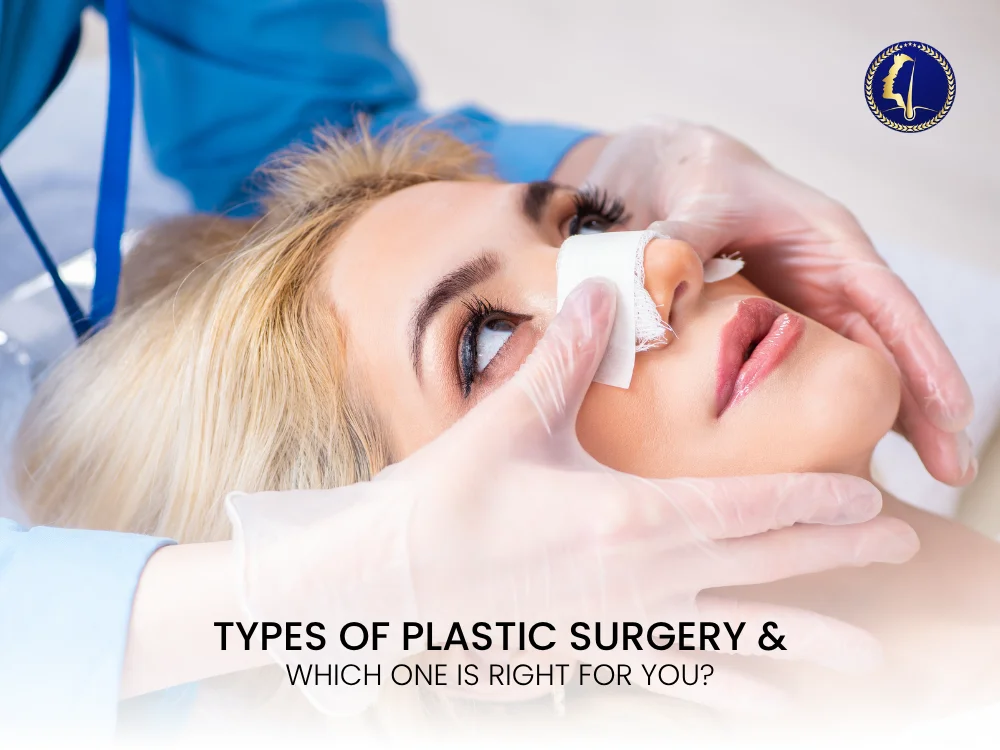
Types of Plastic Surgery has evolved significantly over the years. Once seen as exclusive or taboo, it’s now a widely accepted way to enhance confidence, correct imperfections, and address medical concerns. Whether you’re considering a Types of Plastic Surgery for aesthetic reasons or health-related improvements, understanding the different types of plastic surgery can help you make an informed decision. This guide explores the most common Types of Plastic Surgery, their purposes, and how to determine which one might be the best fit for your unique needs and goals. Cosmetic vs. Reconstructive Surgery: Types of Plastic Surgery Plastic surgery can be broadly divided into two main categories—cosmetic and reconstructive—each with its own purpose, patient motivations, and expected outcomes. While they differ in intent, both require precision, artistry, and the advanced skills of a board-certified surgeon. Cosmetic SurgeryCosmetic surgery is primarily focused on enhancing a person’s appearance and is considered elective, meaning it’s not medically required. People choose cosmetic procedures to improve facial harmony, refine body contours, smooth skin texture, or simply boost self-confidence. Popular examples include: Facial enhancements such as facelifts, eyelid surgery, and rhinoplasty (nose reshaping) Body contouring like liposuction, tummy tucks, and Brazilian butt lifts Breast procedures including breast augmentation, lift, or reduction for aesthetic goals Skin treatments such as chemical peels, dermabrasion, and laser resurfacing Cosmetic surgery can also involve non-invasive or minimally invasive techniques like Botox, dermal fillers, and ultrasound-based skin tightening. The focus is on aesthetics, symmetry, and balance—but with natural-looking results that complement an individual’s unique features. Reconstructive SurgeryReconstructive surgery, on the other hand, is performed to correct functional impairments caused by trauma, burns, congenital anomalies, infections, tumors, or certain diseases. Its goal is to restore both normal appearance and physical function. Common examples include: Burn reconstruction to reduce scarring and improve skin mobility Cleft lip and palate repair to restore facial structure and speech function in children Post-mastectomy breast reconstruction to rebuild the breast after cancer surgery Scar revision for improved appearance and range of motion Hand surgery to correct deformities or repair injuries While the primary motivation for reconstructive surgery is medical necessity, it often has profound emotional and psychological benefits, helping patients regain confidence and a sense of normalcy. Where the Two OverlapInterestingly, the line between cosmetic and reconstructive surgery isn’t always crystal clear. For instance, a breast reduction can be considered reconstructive if done to relieve back pain, but cosmetic if performed solely for aesthetic reasons. Similarly, scar revision may be medical if the scar limits mobility, or cosmetic if it’s purely for visual improvement. Regardless of the category, both cosmetic and reconstructive procedures demand technical expertise, artistic vision, and a deep understanding of human anatomy. The shared foundation of surgical skill and patient-centered care is what makes board-certified plastic surgeons uniquely qualified to perform these procedures safely and effectively. Types of Plastic Surgery: Facial Surgery Facial procedures are among the most requested plastic surgeries due to the face’s role in identity and expression. Common facial surgeries include: Rhinoplasty (nose reshaping): For improving size, shape, or function of the nose. Blepharoplasty (eyelid surgery): Removes excess skin or fat from eyelids. Facelift: Tightens sagging skin and smooths wrinkles. Brow lift: Reduces forehead creases and lifts drooping eyebrows. Chin and cheek augmentation: Enhances facial balance using implants or fillers. People choose these procedures to reduce signs of aging, improve facial symmetry, or address genetic features they wish to alter. Types of Plastic Surgery: Body Contouring Body contouring involves procedures that reshape areas of the body, often after significant weight loss or childbirth. Popular options include: Liposuction: Removes localized fat deposits in areas like the abdomen, thighs, and arms. Tummy tuck (abdominoplasty): Tightens abdominal muscles and removes excess skin. Brazilian butt lift (BBL): Transfers fat to the buttocks for a fuller shape. Body lift: Addresses loose skin across the entire body, often post-weight loss. Arm and thigh lifts: Tones sagging skin for a firmer appearance. These surgeries offer physical and emotional benefits, such as a more proportionate figure and improved self-esteem. Types of Plastic Surgery: Breast Surgery Breast procedures are among the most diverse, catering to both aesthetic desires and medical needs. They include: Breast augmentation: Involves implants or fat transfer for volume and shape. Breast lift: Elevates sagging breasts by removing excess skin. Breast reduction: Alleviates physical discomfort caused by large breasts. Breast reconstruction: Restores the breast(s) after mastectomy or trauma. Choosing the right breast procedure depends on your anatomy, goals, and health history. A consultation with a certified surgeon helps tailor the plan to your needs. Types of Plastic Surgery: Non-Surgical Procedures Not every enhancement requires surgery. Non-invasive treatments offer visible results with minimal recovery time. Popular non-surgical options include: Botox and Dysport: Smooth fine lines by relaxing facial muscles. Dermal fillers: Add volume to cheeks, lips, or under-eye hollows. Laser skin resurfacing: Improves skin tone, texture, and pigmentation. Chemical peels: Exfoliate the skin to reduce acne scars and fine lines. CoolSculpting: Freezes fat cells without incisions. These procedures appeal to those seeking subtle improvements or testing the waters before committing to surgery. How to Decide Which Types of Plastic Surgery is Right for You With so many options, deciding on the best procedure can feel overwhelming. The decision is more than just picking something from a menu—it’s about aligning your goals, lifestyle, and health with the right surgical plan. Here’s how to approach it: Clarify your goalsDecide whether your main motivation is to improve confidence, restore physical function, correct a feature that’s always bothered you, or a combination of these. Be specific—knowing exactly what you hope to achieve will make it easier to choose the right path. Evaluate your healthYour overall health plays a big role in determining what’s possible. Conditions like diabetes, heart disease, or autoimmune disorders may require special precautions or limit surgical options. Your surgeon will likely recommend a complete medical evaluation to ensure safety. Research your optionsLearn about the procedures you’re considering, including potential risks, benefits, recovery timelines, and long-term results. Reading credible medical resources, patient
Liposuction vs Non-Surgical Fat Reduction: Which Is Right for You?
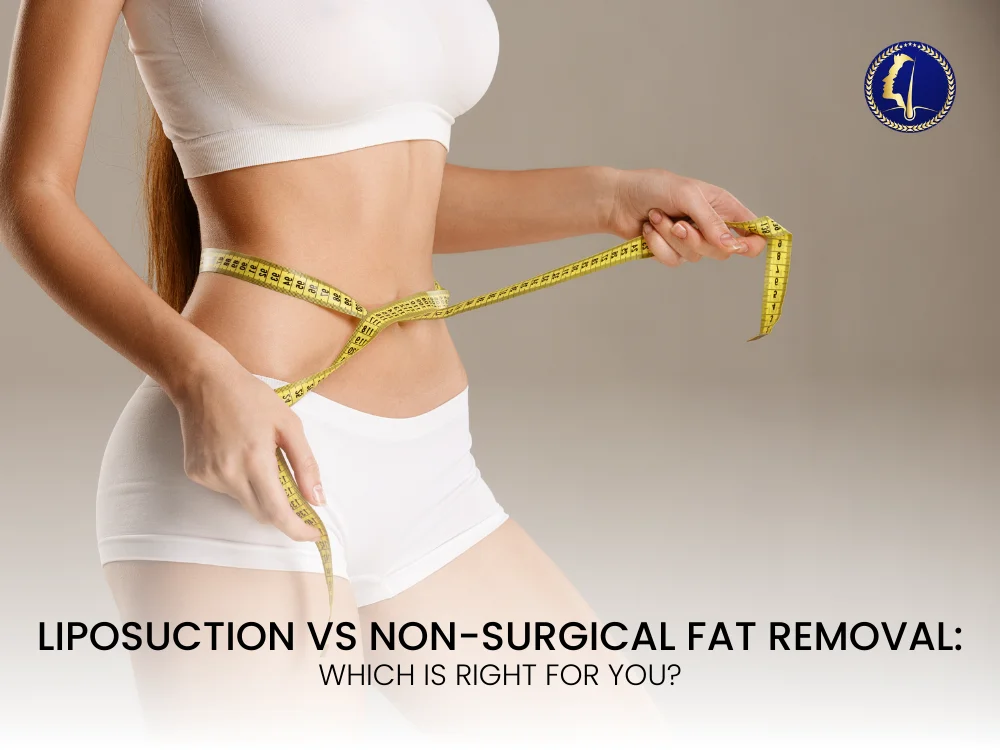
Body contouring has evolved dramatically over the past two decades, offering more choices than ever before for those seeking to reduce stubborn fat. If you’ve struggled with areas of fat that don’t respond to diet and exercise, you’ve likely considered either liposuction vs non surgical fat reduction treatment. But how do you choose the right one? Understanding the core differences, benefits, and potential downsides of each method is essential to making a confident, informed decision. Let’s break down both options to see which might align with your personal goals, health status, and lifestyle. What Is Liposuction? Liposuction is a surgical procedure that removes excess fat from specific areas using a suction technique. Commonly targeted zones include the abdomen, thighs, arms, and neck. How it works:After anesthesia is administered, small incisions are made near the fat deposits. A thin tube (cannula) is inserted to break up and suction out fat cells. Recovery time can range from a few days to several weeks depending on the extent of the surgery. Ideal for: Individuals wanting immediate, dramatic results Those looking to contour multiple areas at once Patients with good skin elasticity What Is Non-Surgical Fat Reduction? Non-invasive fat reduction techniques include technologies like CoolSculpting, SculpSure, Emsculpt, and Ultrasound Cavitation. These methods use thermal, mechanical, or cryolipolysis (fat freezing) to target fat cells. How it works:These treatments don’t involve incisions. Instead, energy is delivered to the fat cells, which are gradually eliminated through the body’s natural metabolic process over several weeks. Ideal for: People with mild to moderate fat concerns Those who want minimal to no downtime Patients who prefer a less aggressive approach Comparing Liposuction vs Non Surgical Fat Reduction Here’s a side-by-side comparison to highlight key differences: Feature Liposuction Non-Surgical Options Invasiveness Surgical Non-invasive Recovery Time 1–2 weeks (varies) None to minimal Results Timeline Immediate to a few weeks 6–12 weeks Cost Generally higher Moderate to high Anesthesia Required Not required Sessions Needed One Multiple (usually 2–4) Skin Tightening Limited unless combined Often includes mild tightening Benefits of Liposuction Quick Results: Visible fat reduction in a single session. Greater Volume Removal: Can extract larger amounts of fat. Precise Contouring: Allows for detailed sculpting by an experienced surgeon. Combination Possibility: Can be paired with other surgeries (like tummy tuck or BBL). However, there are also risks such as bruising, swelling, infections, and potential for scarring. It requires downtime and proper aftercare for best results. Benefits of Non-Surgical Fat Reduction Zero Downtime: You can return to work or daily activities immediately. Fewer Risks: No anesthesia or incisions minimizes complications. Natural-Looking Results: Gradual fat loss over weeks appears more subtle. Comfortable Process: Most procedures are pain-free or mildly uncomfortable. That said, the results might not be as dramatic as surgical liposuction, and multiple sessions may be needed to achieve desired results. Factors to Consider Before Choosing Your Body Goals:If you’re looking for major body sculpting or multiple area treatment, liposuction may be a better fit. For minor bulges and overall refinement, non-surgical might suffice. Your Health:Those with health concerns or who are not good candidates for surgery may benefit more from non-invasive options. Downtime and Lifestyle:Can you afford to take time off for recovery? If not, non-surgical treatments let you return to normal activities quickly. Budget:Liposuction has a higher upfront cost but may require only one treatment. Non-surgical treatments can seem less expensive individually but may need repeat sessions. Skin Elasticity:If your skin lacks tightness, surgical options may offer better shaping unless non-surgical procedures that encourage collagen production are used. Realistic Expectations Matter Whether surgical or not, these treatments are not weight loss solutions. They’re intended to target fat that resists diet and exercise. Long-term success depends on maintaining a healthy lifestyle, including regular physical activity and balanced nutrition. Choosing the right provider is just as important as choosing the procedure. Ensure you work with board-certified professionals and licensed clinics with good reputations. Combination Treatments: A Middle Ground? Some patients opt to combine both techniques. For example, liposuction might be used for larger areas while non-surgical treatments help with fine-tuning or maintenance. Consultations with qualified practitioners can help explore these possibilities and create a personalized plan. FAQs 1. Is liposuction permanent?Yes, the fat cells removed during liposuction don’t grow back. However, remaining fat cells can enlarge if you gain weight, so healthy habits are vital. 2. Does non-surgical fat removal work on belly fat?Yes, treatments like CoolSculpting and SculpSure target abdominal fat, though results are usually more subtle and take several weeks to appear. 3. How long does recovery from liposuction take?Initial recovery takes 1–2 weeks, but full healing and final results can take several months. Wearing compression garments helps speed up recovery. 4. Are non-surgical treatments painful?Most are not painful. You may feel a pulling, warming, or cooling sensation depending on the technology used, but discomfort is generally minimal. 5. Can I do both liposuction and non-surgical fat removal?Yes, many patients use both methods strategically. For example, liposuction for major sculpting and non-surgical options for touch-ups later on. Conclusion Choosing between liposuction and non-surgical fat removal comes down to your unique body goals, health status, timeline, and comfort with procedures. Liposuction delivers immediate, dramatic results but involves surgery and recovery. Non-surgical options offer a more gradual, less invasive alternative that fits into a busy lifestyle. Both approaches are effective when used correctly and under professional guidance. By clearly defining your expectations and understanding the pros and cons, you can move forward confidently in your body transformation journey.
Liposuction for Different Body Areas: What You Need to Know

Liposuction is a cosmetic procedure that continues to gain popularity worldwide for its ability to remove stubborn fat that resists diet and exercise. But many people are still unsure about what liposuction body areas can actually treat. This full body guide will explore the most common—and some unexpected—liposuction body areas that can benefit from this transformative procedure. Whether you’re considering liposuction for your abdomen, thighs, or even your chin, this article covers it all. What is Liposuction? Liposuction is a surgical fat removal procedure designed to contour specific areas of the body by eliminating localized fat deposits. It’s not a weight-loss solution but rather a body-contouring method to help people achieve a more proportionate and defined shape. Modern liposuction techniques, such as tumescent liposuction and laser-assisted liposuction, have made the process safer and more effective with shorter recovery times. Why Liposuction Is Not Just for the Stomach When most people hear the term “liposuction,” they think about removing belly fat. However, liposuction can be used in various parts of the body where fat tends to accumulate and is resistant to traditional weight-loss methods. Liposuction for the Face and Neck Chin and Jawline Contouring One of the fastest-growing trends in facial aesthetics is chin liposuction. Removing excess fat beneath the chin creates a more sculpted jawline and eliminates the double chin. Cheeks and Jowls While not as commonly targeted, cheek and jowl liposuction can enhance facial symmetry and reduce the appearance of sagging, especially when combined with skin-tightening treatments. Liposuction for the Upper Body Upper Arms “Bat wings,” or the fatty deposits that hang under the arms, can be successfully treated with liposuction. This area responds well to contouring, making the arms look slimmer and more toned. Back and Bra Roll The upper and mid-back, especially the area around the bra line, are frequent trouble spots for women. Liposuction helps smooth these bulges and improve clothing fit. Chest (Male and Female) For men suffering from gynecomastia, or enlarged male breasts, chest liposuction can provide a flatter, more masculine chest. Women may also use liposuction in this area to refine the contour during breast procedures. Liposuction for the Midsection Abdomen This is the most common area treated with liposuction. It targets both upper and lower abdominal fat, providing a flatter and more defined stomach. Love Handles (Flanks) Love handles are notoriously difficult to eliminate through diet and exercise. Liposuction in this area helps restore balance to the waistline and enhances the curves of the torso. Waist and Lower Back Liposuction around the waist and lower back contributes to the desirable “hourglass” shape for women and a V-shaped torso for men. Liposuction for the Lower Body Hips and Outer Thighs Commonly known as “saddlebags,” these fatty deposits on the outer thighs are easily reduced with liposuction, which helps streamline the silhouette. Inner Thighs This area can cause chafing and discomfort for some individuals. Liposuction here not only improves aesthetics but also enhances comfort and mobility. Buttocks While full removal is not recommended due to aesthetic reasons, targeted liposuction can contour the buttocks and blend the surrounding areas for a more sculpted look. Liposuction for the Legs Knees Fat accumulation around the knees can cause the legs to look bulky. Liposuction in this area improves leg contour and often complements thigh or calf procedures. Calves and Ankles (Cankles) Fat around the lower legs is difficult to reduce naturally. Liposuction can help define the transition between the calf and ankle, creating a slimmer profile. Uncommon Liposuction Body Areas Mons Pubis This lesser-known area can accumulate fat, particularly after childbirth or significant weight changes. Liposuction helps restore a smoother and more proportionate lower abdominal area. Underarms (Axillary Fat) Fat pockets near the armpits often protrude from sleeveless tops. Liposuction here can be a subtle but impactful improvement. Are You a Good Candidate for Liposuction? Liposuction is ideal for individuals who are close to their ideal weight but have isolated fat deposits that do not respond to diet or exercise. Good skin elasticity is crucial for achieving optimal results, as the skin must conform to the new contours post-procedure. Liposuction Recovery and Results Recovery depends on the treatment area and the amount of fat removed. Swelling, bruising, and minor discomfort are common but typically resolve within weeks. Most patients return to light activities within a few days and resume full activity in a few weeks. Final results become visible as swelling subsides, usually within 1 to 3 months. Combination Procedures with Liposuction Liposuction is often paired with other cosmetic procedures like tummy tucks, body lifts, or fat grafting (e.g., Brazilian Butt Lift). Combining surgeries can maximize results while reducing overall downtime. Benefits Beyond Appearance While the primary goal is aesthetic enhancement, many patients report improved self-confidence and motivation to maintain a healthier lifestyle post-liposuction. When combined with proper diet and exercise, the results can be long-lasting. Liposuction: Key Takeaways Liposuction is more versatile than many people think. From the face down to the ankles, almost any area of the body with stubborn fat can be sculpted and refined. It’s crucial to consult with a board-certified plastic surgeon to evaluate if liposuction is right for you and which areas will benefit most. FAQs 1. What’s the most popular liposuction body areas?The abdomen is the most commonly treated area, followed closely by the flanks and thighs. 2. Can liposuction body areas be done on multiple at once?Yes, many surgeons perform liposuction on multiple areas during one session, depending on the patient’s health and goals. 3. Is liposuction permanent?The fat cells removed are gone permanently. However, new fat can accumulate if you gain weight post-procedure. 4. Does liposuction body areas leave scars?Scars are minimal as the incisions are very small and often placed in discreet areas. 5. How soon will I see results after liposuction?Initial results may be visible within a few weeks, but full results can take 1–3 months as swelling reduces. 6. Is liposuction painful?Patients usually experience mild to moderate discomfort during recovery, managed effectively with prescribed
Gynecomastia Surgery Cost in Malaysia: Full Price Guide

Gynecomastia surgery is an effective solution for those seeking to reduce excess breast tissue in men, which can be a source of discomfort and self-consciousness. However, understanding the gynecomastia surgery cost Malaysia is essential for individuals considering this procedure. This comprehensive guide will outline the main cost factors, what to expect, and other relevant considerations to help you make an informed decision. What Is Gynecomastia Surgery? Gynecomastia surgery, also known as male breast reduction, is a procedure designed to remove excess glandular tissue or fat from the chest area. It can involve liposuction, surgical excision, or a combination of both to create a firmer and more masculine chest contour. While effective, it is considered elective and therefore not typically covered by insurance unless it meets specific medical criteria. Breakdown of Gynecomastia Surgery Cost Malaysia Understanding the cost of gynecomastia surgery requires consideration of several key components. While the price varies based on location and other factors, a typical range in Malaysia. is between RM7,000 to RM15,000. 1. Surgeon’s Fee The expertise and reputation of the surgeon significantly influence the cost of gynecomastia surgery. Experienced and board-certified surgeons may charge more, but their expertise often translates to better results and fewer complications. Key Consideration: The surgeon’s fee can range from RM9,900 to RM19,800. depending on their credentials and the complexity of the surgery. 2. Anesthesia Fees Gynecomastia surgery typically requires general anesthesia or local anesthesia with sedation. The anesthesia cost varies based on the type and duration of the surgery. Cost Insight: Anesthesia fees can range from RM2,400 to RM5,900. 3. Facility Fees The surgical facility or hospital where the procedure is performed also affects the total cost. Accredited facilities may have higher fees due to better equipment and safety protocols. Approximate Costs: Facility fees typically range from RM2,000 to RM7,900. 4. Geographic Location The cost of gynecomastia surgery varies by region due to local market conditions and the cost of living. For instance, surgeries performed in major cities or affluent areas tend to be more expensive. Comparison Example: Surgeries in cities like KL might cost more than similar procedures in smaller cities like Bangi or rural areas. 5. Type of Technique Used The surgical technique chosen depends on the extent of gynecomastia and the patient’s unique needs. Procedures involving only liposuction may be less costly than those requiring tissue excision. Technique Impact: Liposuction-only procedures may cost less, ranging from RM13,800 to RM23,700. Procedures involving both liposuction and excision can cost between RM23,700 to RM39,500. Additional Costs to Consider 6. Pre-Operative and Post-Operative Care The gynecomastia surgery cost Malaysia is not limited to the operation itself. Pre-surgical consultations, medical tests, and post-surgical care all add to the total expense. Breakdown: Consultation Fees: Initial consultations may cost between RM400 to RM1,200. Medical Tests: Blood work and health evaluations can add an extra RM400 to RM1,200. Post-Operative Garments: Compression garments, essential for proper healing, can cost RM200 to RM600. Follow-Up Appointments: Post-surgery check-ups may also be an additional expense. 7. Prescription Medications Pain management and antibiotics are often necessary after surgery to ensure comfort and reduce the risk of infection. These medications add a minor, yet significant, expense to the total cost. Estimated Costs: Prescription drugs post-surgery can range from $20 to $100, depending on the medications required. Insurance and Financing Options Is Gynecomastia Surgery Covered by Insurance? In most cases, gynecomastia surgery is considered a cosmetic procedure and is not covered by health insurance. However, if the surgery is deemed medically necessary, such as in cases involving pain or significant psychological distress, some insurance plans might cover a portion of the cost. It’s crucial to check with your provider and obtain pre-authorization to determine eligibility. Financing Plans Many clinics offer financing options to make gynecomastia surgery more affordable. Popular financing companies, such as CareCredit or Alpheon Credit, provide plans that allow patients to pay over time with flexible terms and conditions. Tip: Compare interest rates and loan terms to find the most cost-effective financing solution for your needs. Factors Influencing Gynecomastia Surgery Cost Globally The gynecomastia surgery cost varies widely across the globe. Here’s a brief look at the average costs in different regions: United States: $4,000 to $10,000 United Kingdom: £3,000 to £7,000 India: ₹60,000 to ₹150,000 (approximately $750 to $1,800) Australia: AUD 5,000 to 10,000 The lower costs in countries like Malaysia, India or Mexico often attract medical tourists seeking more affordable procedures. However, while it is essential to prioritize medical standards, it is equally important to consider travel expenses and select a clinic that offers a cost-effective solution without compromising quality of care. FAQs about Gynecomastia Surgery Cost Malaysia 1. What affects the total cost of gynecomastia surgery? The main factors include the surgeon’s fee, anesthesia, facility charges, the type of surgical technique, and location. Additional costs may involve consultations, post-operative garments, and medications. 2. Can health insurance cover gynecomastia surgery? Typically, insurance does not cover gynecomastia surgery as it is classified as a cosmetic procedure. Exceptions may apply if it is deemed medically necessary. 3. Are there any hidden costs associated with gynecomastia surgery? Patients should consider pre-operative tests, consultation fees, follow-up appointments, and post-surgical garments, which can add to the total expense. 4. How can I finance my gynecomastia surgery? Many clinics offer financing options through third-party companies like CareCredit. These plans allow for monthly payments, making the surgery more manageable financially. 5. Is the cost of gynecomastia surgery worth it? For many patients, the psychological and physical benefits of reduced chest tissue outweigh the financial investment. Consulting with a qualified surgeon can help you evaluate the potential benefits relative to the cost. 6. Are cheaper surgeries abroad safe? While gynecomastia surgery abroad can be more affordable, it is essential to research the clinic’s credentials and the surgeon’s experience to ensure safety and quality. 7. How much is gynecomastia surgery in Malaysia? In Malaysia, the cost typically ranges from RM 5,000 to RM 15,000 depending on the severity of the condition, surgical technique, and the clinic or
5 Keunggulan Tanam Alis: Solusi Terbaik untuk Tampil Lebih Menawan
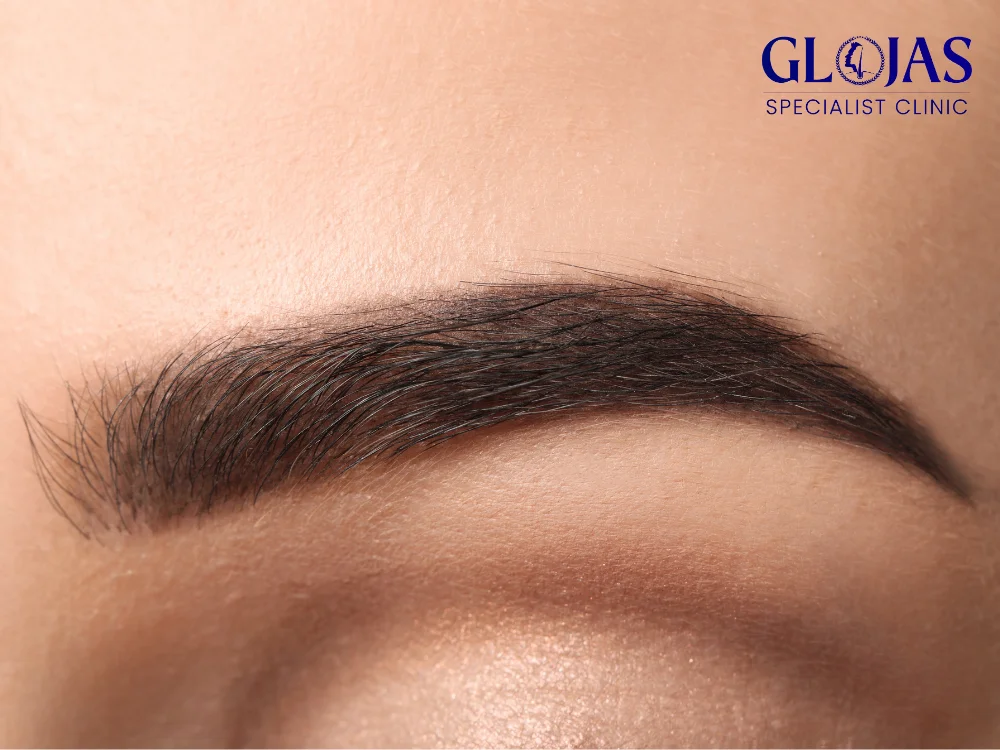
Tanam alis adalah prosedur kecantikan yang bertujuan untuk menebalkan dan membentuk alis secara permanen menggunakan teknik transplantasi rambut. Teknik ini dilakukan dengan mengambil folikel rambut dari bagian tubuh lain, biasanya belakang kepala, lalu menanamnya di area alis untuk menciptakan tampilan yang lebih penuh dan alami. Dewasa ini, tanam alis semakin diminati karena hasilnya yang lebih natural dibandingkan sulam alis atau tato alis. Selain itu, prosedur ini cocok bagi mereka yang mengalami kebotakan alis akibat faktor genetik, alopecia, atau kecelakaan. Manfaat Tanam Alis 1. Hasil Permanen dan Tampak Alami Tanam alis memberikan hasil yang lebih tahan lama dibandingkan metode lainnya. Karena menggunakan rambut asli dari tubuh sendiri, pertumbuhan alis akan terlihat alami dan menyatu dengan rambut asli di area sekitar. 2. Menghemat Waktu dalam Merias Wajah Bagi mereka yang sering menghabiskan waktu untuk menggambar alis setiap hari, tanam alis bisa menjadi solusi praktis. Dengan alis yang sudah terbentuk sempurna, Anda tidak perlu lagi menggunakan pensil alis atau gel alis setiap pagi. 3. Minim Risiko dan Efek Samping Dibandingkan sulam atau tato alis yang menggunakan tinta dan dapat menyebabkan iritasi, tanam alis cenderung lebih aman. Risiko alergi juga lebih kecil karena rambut yang digunakan berasal dari tubuh sendiri. 4. Bisa Dibentuk Sesuai Keinginan Sebelum prosedur dilakukan, pasien dapat berkonsultasi dengan dokter untuk menentukan bentuk alis yang diinginkan. Hal ini memastikan bahwa hasil akhirnya sesuai dengan ekspektasi dan cocok dengan bentuk wajah. 5. Cocok untuk Semua Jenis Kulit Tidak seperti metode kosmetik lain yang mungkin tidak cocok untuk kulit sensitif, tanam alis bisa dilakukan oleh siapa saja tanpa khawatir reaksi negatif terhadap bahan kimia. Bagaimana Proses Tanam Alis Dilakukan? Prosedur tanam alis dilakukan oleh dokter spesialis bedah plastik atau dermatolog yang berpengalaman. Berikut tahapan umumnya: 1. Konsultasi Awal Sebelum prosedur dimulai, dokter akan melakukan konsultasi untuk menentukan bentuk dan ketebalan alis yang diinginkan serta memastikan bahwa pasien memenuhi syarat untuk menjalani prosedur ini. 2. Pengambilan Folikel Rambut Dokter akan mengambil folikel rambut dari area donor, biasanya bagian belakang kepala, menggunakan teknik FUE (Follicular Unit Extraction) agar tidak meninggalkan bekas luka. 3. Penanaman Folikel ke Area Alis Setelah folikel berhasil diambil, dokter akan menanamnya di area alis menggunakan teknik khusus agar hasilnya terlihat natural. Proses ini memerlukan ketelitian tinggi untuk memastikan arah pertumbuhan rambut sesuai dengan bentuk alis yang diinginkan. 4. Pemulihan Pasca Prosedur Setelah prosedur selesai, pasien akan diberikan instruksi perawatan untuk mempercepat penyembuhan dan meminimalkan risiko komplikasi. Biasanya, dalam beberapa minggu pertama, rambut yang ditanam akan rontok sebelum akhirnya tumbuh kembali secara permanen. Berapa Lama Proses Penyembuhan Tanam Alis? Masa pemulihan tanam alis biasanya berlangsung sekitar 2–3 minggu. Pada minggu pertama, area sekitar alis mungkin akan sedikit bengkak atau kemerahan, tetapi ini adalah reaksi normal dan akan berangsur pulih. Setelah 3–4 bulan, rambut alis mulai tumbuh kembali secara alami, dan hasil akhir biasanya dapat terlihat dalam waktu 6–12 bulan. Berapa Biaya Tanam Alis? Biaya tanam alis bervariasi tergantung pada klinik, dokter, dan jumlah folikel yang ditanam. Di Indonesia, harga tanam alis berkisar antara Rp 15 juta hingga Rp 40 juta, tergantung pada tingkat kesulitan dan kualitas layanan yang diberikan. Efek Samping dan Risiko Tanam Alis Meskipun relatif aman, ada beberapa efek samping yang bisa terjadi setelah prosedur tanam alis, seperti: Pembengkakan dan kemerahan di area yang ditanam Gatal dan rasa tidak nyaman pada alis selama proses pemulihan Rambut rontok sementara sebelum tumbuh kembali secara permanen Infeksi atau jaringan parut, meskipun kasus ini jarang terjadi jika dilakukan oleh dokter yang berpengalaman Tips Perawatan Setelah Tanam Alis Untuk mendapatkan hasil terbaik, berikut beberapa tips perawatan setelah tanam alis: Hindari menyentuh atau menggosok area alis selama beberapa hari pertama Gunakan obat atau salep yang direkomendasikan dokter untuk mempercepat penyembuhan Hindari paparan sinar matahari langsung agar tidak menyebabkan iritasi Jangan mencabut atau mencukur rambut alis yang baru tumbuh Lakukan kontrol rutin ke dokter untuk memastikan hasilnya optimal Perbandingan Tanam Alis dengan Metode Lain Metode Keunggulan Kekurangan Tanam Alis Hasil permanen, tampak alami, minim risiko Biaya lebih mahal, perlu waktu pemulihan Sulam Alis Hasil cepat, lebih murah Tidak permanen, warna bisa memudar Tato Alis Tahan lama, cocok untuk yang ingin hasil instan Warna bisa berubah menjadi kemerahan atau kehijauan FAQ tentang Tanam Alis 1. Apakah tanam alis menyakitkan?Tanam alis dilakukan dengan anestesi lokal, sehingga pasien tidak akan merasakan sakit selama prosedur. Namun, setelah efek anestesi hilang, mungkin ada sedikit ketidaknyamanan yang bisa diredakan dengan obat pereda nyeri. 2. Apakah hasil tanam alis bisa berubah seiring waktu?Hasil tanam alis bersifat permanen, tetapi karena folikel yang ditanam berasal dari rambut kepala, pertumbuhan rambut bisa lebih panjang dari alis alami. Oleh karena itu, perlu pemangkasan rutin agar tetap rapi. 3. Berapa lama sampai alis terlihat sempurna setelah tanam alis?Pertumbuhan alis baru mulai terlihat dalam waktu 3–4 bulan, dan hasil akhirnya dapat dinikmati setelah 6–12 bulan. 4. Siapa saja yang bisa melakukan tanam alis?Tanam alis cocok bagi mereka yang memiliki alis tipis, mengalami kerontokan alis akibat penyakit atau cedera, atau ingin memperbaiki bentuk alis secara permanen. 5. Apakah ada pantangan setelah tanam alis?Ya, pasien disarankan untuk tidak menggaruk, menggosok, atau terkena sinar matahari langsung selama beberapa minggu pertama pasca prosedur.