
Complete Guide to Hair Transplant Malaysia
Hair transplant Malaysia refers to a permanent surgical procedure performed in licensed medical facilities to treat hair loss, male pattern baldness, and thinning hair. Using advanced techniques like FUE and DHI, certified specialists harvest healthy hair follicles from dense donor areas and implant them into balding zones for natural results. Malaysia has rapidly evolved into a premier destination for medical tourism, particularly for advanced hair restoration. Clinics combine cutting-edge technology with rigorous regulatory oversight by the Ministry of Health (MOH). Patients benefit from world-class medical infrastructure, highly skilled specialists, and affordable packages that cost significantly less than equivalent procedures in Western nations. Who is a Candidate for Hair Transplant Malaysia Ideal candidates for hair restoration include individuals experiencing androgenetic alopecia (male or female pattern baldness), receding hairlines, or thinning crowns. Successful surgery relies heavily on having a stable donor supply—typically located at the back or sides of the scalp—where hair follicles are genetically resistant to balding. Candidates should also be in good general health and possess realistic expectations regarding hair density and growth timelines. A professional consultation helps determine whether underlying medical conditions or active scalp disorders require preliminary treatment before moving forward. Benefits of Getting a Hair Transplant in Malaysia Choosing Malaysia for your hair restoration journey offers numerous advantages, blending clinical excellence with exceptional value. Permanent Results: Transplanted follicles are genetically programmed to resist hair loss, providing a lifelong solution. Natural Aesthetics: Modern micro-punches and artistic hairline design techniques ensure seamless blending. Cost-Effectiveness: Enjoy savings of 40% to 60% compared to prices in the US, UK, or Australia without compromising on quality. Strict Safety Regulations: Clinics operate under the Private Healthcare Facilities and Services Act, ensuring high standards of patient safety. Hair Transplant Techniques in Malaysia Follicular Unit Extraction FUE Hair Transplant Follicular Unit Extraction (FUE) is currently the most popular hair restoration method in Malaysia. During this procedure, a specialist uses a specialized micro-punch tool to extract individual follicular units directly from the donor region. These grafts are then meticulously sorted and implanted into tiny recipient channels. FUE leaves no linear scar, making it ideal for patients who prefer wearing short hairstyles and ensuring a fast, comfortable recovery. Direct Hair Implantation DHI Hair Transplant Direct Hair Implantation (DHI) is an advanced variation of FUE that offers enhanced precision. Instead of creating recipient sites beforehand, the surgeon uses a specialized Choi implanter pen to extract and implant the follicle in a single controlled motion. This method minimizes the time grafts spend outside the body, which can improve graft survival rates. DHI allows for absolute control over the depth, direction, and angle of each implanted hair, resulting in exceptional density for hairline refinements. Follicular Unit Transplantation FUT Hair Transplant Follicular Unit Transplantation (FUT), commonly known as the strip method, involves harvesting a thin strip of scalp tissue from the donor area. The strip is then dissected under a microscope into individual follicular units by a skilled technician team. While FUT leaves a fine linear scar that is easily hidden by surrounding hair, it remains a highly efficient option for patients requiring a very high volume of grafts in a single session. It is also often more budget-friendly. Hair Transplant Cost in Malaysia Average Price Range and Cost Per Graft Hair restoration pricing in Malaysia is typically calculated based on the total number of grafts required. On average, prices range from RM4.00 to RM12.00 per graft, with comprehensive packages falling between RM8,000 and RM30,000+. Small hairline touch-ups may cost as low as RM4,000, whereas extensive multi-thousand graft sessions for advanced baldness sit at the higher end of the spectrum. Many medical tourism patients find these transparent packages highly economical compared to Western alternatives. Factors Affecting Hair Transplant Prices in Malaysia Several clinical and logistical variables influence the final investment required for your procedure: Extent of Hair Loss: Larger balding surfaces require higher graft counts, increasing surgical time. Chosen Technique: Specialized methods like DHI or high-precision FUE often cost more than standard FUT. Surgeon Expertise: Highly credentialed doctors with specialized aesthetic training command higher fees. Clinic Facilities: Premium medical centers provide advanced safety protocols, post-care kits, and dedicated nursing support. The Hair Transplant Procedure and Recovery What Happens During the Surgery Day Your surgery day begins with a comprehensive review of your custom hairline design. Once approved, local anesthesia is administered to ensure the donor and recipient areas are completely numb, making the procedure virtually painless. The medical team then harvests the required grafts while you relax, watch a movie, or listen to music. After a brief lunch break, the team creates micro-channels or uses implanter pens to place each follicle meticulously into place, with total procedure times ranging from 4 to 8 hours depending on graft size. Post-Surgery Recovery and Hair Growth Timeline Following your surgery, a structured recovery protocol ensures optimal healing and high graft retention. Micro-scabs form around the newly placed follicles, shedding naturally within 7 to 10 days. Clinical Experience: Most patients experience a temporary “shock loss” phase between weeks two and eight, where the transplanted hairs shed before entering a dormant resting phase. New, permanent growth typically emerges around month four, with mature, dense results visible by months 9 to 12. Choosing the Best Hair Transplant Clinic in Malaysia Key Criteria for Selecting a Qualified Surgeon Selecting the right medical provider is the most critical decision in your hair restoration journey. Ensure that your treating physician is fully registered with the Malaysian Medical Council (MMC) and holds a valid Letter of Credentialing and Privileging (LCP) in Medical Aesthetics. Review extensive before-and-after portfolios to evaluate the doctor’s consistency in designing natural hairlines and managing donor sites without over-harvesting. Transparent communication and ethical medical advice are core pillars of a trustworthy clinic. Essential Questions to Ask During Your Consultation Who will be performing the critical steps of my graft extraction and implantation? Am I a suitable candidate for FUE, DHI, or FUT based on my donor hair density? What is the exact estimated graft count required to
Benefits of Laser Hair Removal: More Than Just Smooth Skin
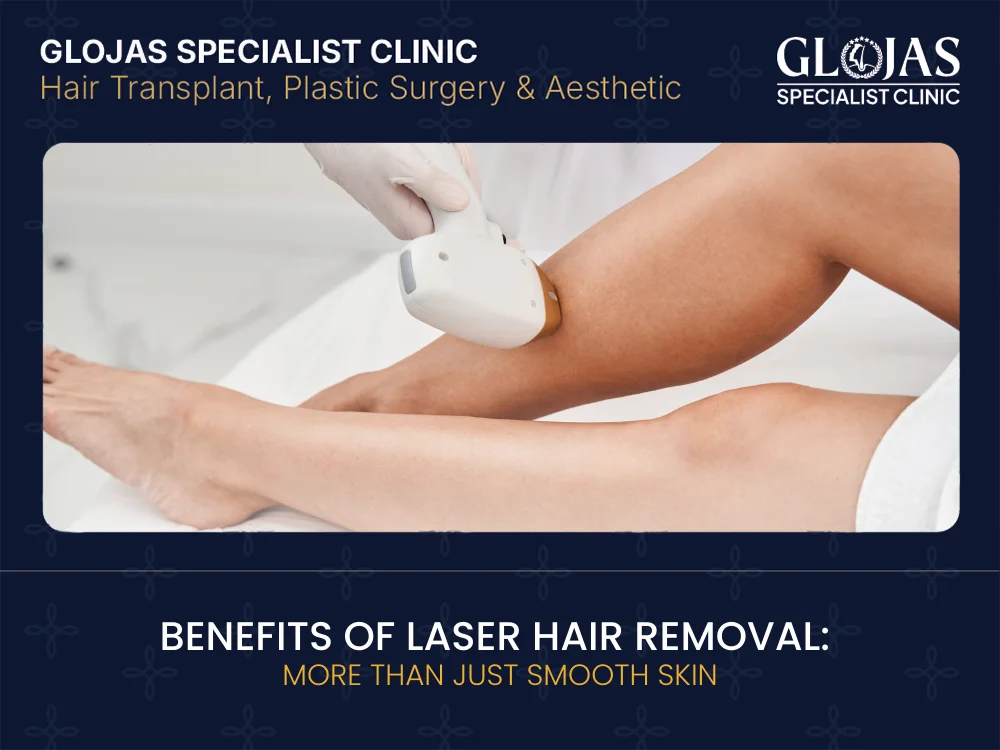
Understanding the Benefits of Laser Hair Removal The benefits of laser hair removal go beyond smooth skin. Laser technology targets hair follicles using concentrated light, reducing future growth for long-lasting results. Adults choose it because it helps minimize ingrown hairs, reduces irritation, saves time, and offers precision that shaving and waxing cannot match. With modern laser systems suitable for various skin tones, the treatment has become one of the most trusted and effective hair-reduction methods available today. Introduction: Why Benefits of Laser Hair Removal Is So Popular Laser hair removal has become a go-to solution for adults looking for a more convenient and lasting hair-reduction method. Traditional methods like shaving, waxing, threading, and depilatory creams can be time-consuming, uncomfortable, and repetitive. Laser technology offers a modern alternative that is faster, cleaner, and more consistent. But the appeal of laser hair removal isn’t limited to smoother skin. There are deeper benefits tied to skincare, personal confidence, hygiene comfort, and long-term savings. This blog breaks down the key benefits of laser hair removal, explains how it works, and provides clear insights to help adults make informed decisions. What Exactly Is Laser Hair Removal? Laser hair removal is a modern method that uses concentrated light energy to reduce unwanted hair. Instead of just cutting or removing hair at the surface, it works at the root by targeting melanin, the natural pigment in hair. When the laser’s light is absorbed, it turns into heat, which disables the hair follicle and slows down hair regrowth over time. Because hair grows in different cycles, a single session can’t treat every hair at once. Multiple treatments are required to catch hairs in the active growth phase, resulting in long-lasting hair reduction. Key Points: Non-invasive: No surgery or needles; the process is done from outside the skin. Targets the root, not just the surface: This is why regrowth is slower and thinner compared to shaving or waxing. Versatile: Can be used on various areas such as legs, arms, underarms, back, chest, and even the face (under professional guidance). Long-term results: After a series of sessions, hair becomes finer, lighter, and may grow back less frequently. Performed by trained professionals: Safety and effectiveness depend on proper technique, skin assessment, and the right laser settings. Laser hair removal is a popular choice for adults who want a more permanent and low-maintenance alternative to traditional hair removal methods. How It Benefits of Laser Hair Removal Works: A Quick Breakdown Laser hair removal relies on a scientific principle called selective photothermolysis. This means the laser is designed to target a specific element (the pigment in hair) without harming the surrounding skin. Step-by-step understanding: A laser emits a controlled wavelength of lightEach device uses a wavelength that is highly attracted to melanin—the natural pigment found in hair. Melanin absorbs the light energyDarker hair contains more melanin, so it absorbs the energy efficiently. This is why the treatment often works best on dark, coarse hair. The absorbed light turns into heatThe transformation from light to heat happens within milliseconds. The heat then travels down the hair shaft. The heat affects the hair follicleBy heating the follicle, the laser disrupts its ability to produce new hair as quickly and as thick as before. Over time, treated follicles may produce finer, slower-growing hair. Because the wavelengths are carefully selected and controlled, the process focuses on the hair pigment—not the surrounding tissue—making it precise and protective of the skin. Modern devices also include cooling features to maintain comfort while allowing the laser to work effectively. The Top Benefits of Laser Hair Removal 1. Long-Term Hair Reduction This is the biggest Benefits of Laser Hair Removal:. Compared to shaving or waxing, laser hair removal reduces hair growth significantly over time. After several sessions, adults often enjoy months or even years of smoother skin. Why this matters: Less maintenance Less regrowth Hair becomes finer and lighter 2. Saves Time in the Long Run Shaving every 2–3 days and waxing every few weeks takes time. Benefits of Laser hair removal offers long-lasting reduction that drastically minimizes grooming routines. Imagine the hours saved from not needing to shave your legs, underarms, or other areas weekly. 3. Reduces Ingrown Hairs Ingrown hairs are one of the most frustrating side effects of shaving and waxing. They can cause bumps, irritation, and skin discoloration. Laser hair removal helps reduce: Ingrown hairs Razor bumps Redness from repeated friction This is especially beneficial for adults who struggle with chronic ingrown hairs in sensitive areas. 4. Smoother, Clearer Skin Beyond removing hair, laser treatments can lead to: Softer texture Reduced pigmentation from shaving Fewer bumps Less irritation Many adults notice their skin looks healthier after completing their sessions. 5. Precise Targeting Laser technology is extremely precise. It can target coarse, dark hair without affecting the surrounding skin. Professionals can adjust the settings to suit different skin tones and hair types, making it customizable and safe. Precision makes it ideal for areas like: Upper lip Chin Underarms Bikini line 6. Cost-Effective Long Term Although benefits of laser hair removal may seem like a higher initial cost, it often becomes cost-effective because it reduces the lifelong expenses of: Razors Shaving foams Waxing appointments Depilatory creams Many adults find they spend far less money over time once they stop or reduce constant grooming. 7. Minimal Discomfort Modern lasers are designed to be more comfortable than older systems. Cooling technology helps reduce heat sensation and improve safety. Many adults describe the feeling as a quick, gentle snap. 8. Works on Most Body Areas Laser hair removal is versatile and commonly used on: Legs Arms Underarms Face Chest Back Stomach Bikini area Some areas show quicker results based on hair thickness and growth cycles. 9. Consistent and Predictable Results When done by trained professionals and spaced correctly, the results are predictable. Many adults experience noticeable reduction after only 3–4 sessions, with full results after several months. 10. Improved Confidence and Convenience Major benefits of laser hair removal is the boost of
Deep Skin Hydration Therapy: What Causes Dehydrated, Dull Skin?
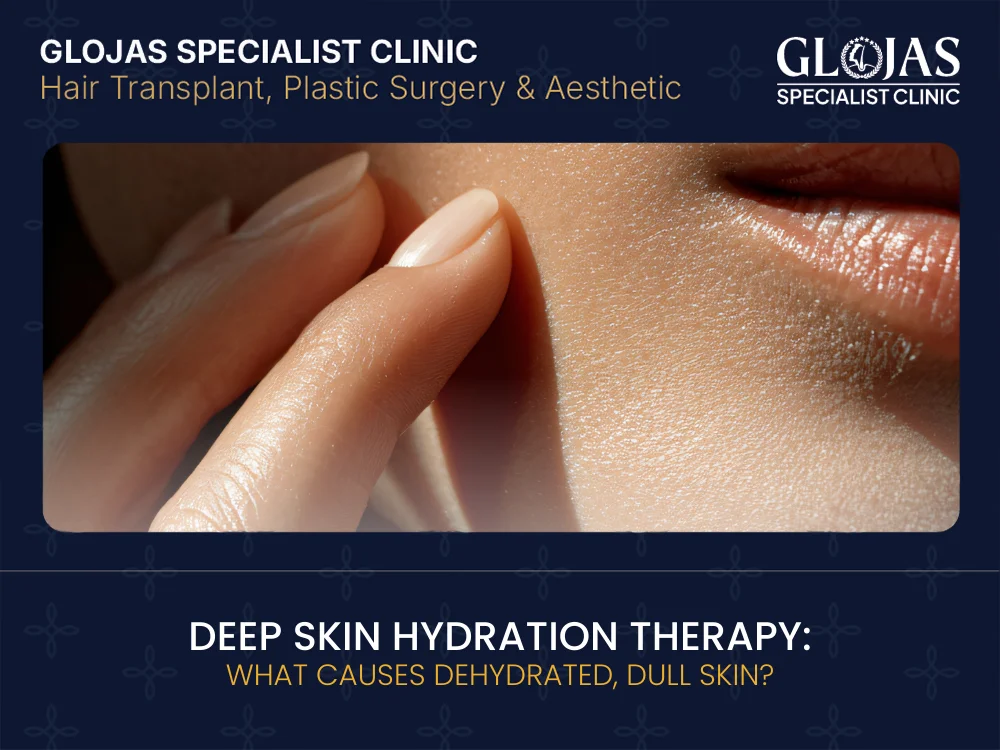
Why Skin Hydration Matters for Radiant, Healthy Skin Healthy, glowing skin starts with proper Skin Hydration. When your skin hydration lacks moisture, it becomes dull, rough, tight, and more prone to fine lines. Many people assume dry skin and dehydrated skin are the same, but dehydration is actually a condition where the skin lacks water—not oil. Modern lifestyles, weather, stress, and aging all contribute to moisture loss. Deep hydration therapy helps restore water levels from within, improving elasticity and overall skin comfort. Understanding why dehydration happens is the key to repairing and preventing it. Understanding Skin Hydration: Why It’s Essential for Skin Health Skin hydration plays a crucial role in maintaining softness, resilience, and smoothness. Your skin barrier—the outermost protective layer—needs sufficient water to function properly. When hydration levels drop, everything from texture to tone to elasticity is affected. Although moisturisers help, surface-level hydration isn’t always enough. Deep hydration therapy helps replenish water from within, targeting the layers where moisture loss actually begins. Before exploring treatments, it’s important to understand what causes dehydrated skin in the first place. Dry Skin vs. Dehydrated Skin: What’s the Difference? Many people mistake dry skin for dehydrated skin, but they are different conditions. Dry Skin Lacks oil (sebum) A skin type you are born with Flaky, rough, may feel itchy Dehydrated Skin Lacks water A condition that anyone can experience Appears dull, tight, tired, less radiant Dehydrated skin can affect both dry and oily skin types, often making oily skin appear shiny but still tight and uncomfortable. What Causes Dehydrated Skin? Dehydrated skin is extremely common and can happen to anyone, regardless of age, gender, or skin type. Several internal and external factors contribute to moisture loss. ✔ 1. Damaged Skin Barrier When the skin barrier is compromised, it cannot retain water efficiently.Causes include: Over-exfoliation Harsh skincare products Excessive cleansing Hot water Chemical irritation A weakened barrier leads to transepidermal water loss (TEWL), making the skin appear dull and dehydrated. ✔ 2. Weather and Climate Changes Low humidity, air conditioning, indoor heating, sun exposure, and wind all reduce the skin’s moisture content. Tropical climates can cause dehydration just as much as cold weather due to sun exposure and sweat evaporation. ✔ 3. Aging & Natural Moisture Decline As we age: Hyaluronic acid levels drop Skin becomes thinner Collagen production decreases Moisture retention weakens This leads to dryness, fine lines, and reduced elasticity. ✔ 4. Lack of Water Intake Dehydration can reflect on the skin when the body is not receiving enough fluids, though internal hydration alone cannot fully fix dehydrated skin. ✔ 5. Poor Skincare Routine Using the wrong products can worsen dehydration, such as: Overly drying cleansers Alcohol-heavy toners Products with high fragrance Skipping moisturiser ✔ 6. Lifestyle Factors These habits quickly drain skin hydration: Lack of sleep Stress Smoking High caffeine or alcohol intake Poor diet ✔ 7. Medical Conditions or Medications Certain medications or skin conditions like eczema, dermatitis, and allergies can reduce the skin’s ability to hold moisture. Signs Your Skin Is Dehydrated Dehydrated skin can be subtle but recognizable once you know what to look for. Common symptoms include: Tightness Dullness Rough texture Fine lines (especially dehydration lines under eyes) Increased oiliness (skin overcompensating) Flaking or peeling Sensitivity and irritation Makeup appearing patchy or cakey If your skin looks tired no matter what you apply, dehydration may be the root cause. How Deep Skin Hydration Therapy Works Surface moisturizers mainly target the top layer, but dehydrated skin often needs support at deeper levels. Deep skin hydration treatments replenish water from within and help repair the skin barrier. These treatments often include: Hyaluronic acid boosters Bioremodeling injectables Energy-based hydration treatments Skin barrier reparative serums Hydrating facials with active infusion technology Key benefits of deep hydration therapy: ✔ Restores water balance✔ Strengthens skin barrier✔ Improves glow and radiance✔ Softens fine lines✔ Reduces rough texture✔ Helps makeup apply more smoothly✔ Improves elasticity and suppleness For many people, deep hydration therapy becomes part of a yearly or biannual maintenance routine. Why Hyaluronic Acid Is Essential for Skin Hydration Hyaluronic acid (HA) is one of the most powerful hydrating molecules, naturally present in the skin. It binds up to 1,000 times its weight in water, helping keep skin plump and hydrated. However, natural HA levels decline with age, sun exposure, and environmental stress. That’s why many hydration treatments use HA-based formulations to replace what the skin has lost. Different types of HA (low, medium, and high molecular weight) penetrate different layers of the skin, improving hydration throughout. How Lifestyle Affects Skin Hydration Levels Even with professional treatments, your daily lifestyle plays a major role in how well your skin stays hydrated. The choices you make every day either support your skin’s moisture barrier or slowly weaken it. Hydration-supporting habits: ✔ Drinking sufficient waterKeeps your body’s internal hydration balance steady, allowing skin cells to function properly. ✔ Using gentle cleansersHarsh cleansers strip natural oils, while gentle formulas protect the moisture barrier. ✔ Applying moisturiser twice dailyRegular moisturising seals in hydration and prevents transepidermal water loss throughout the day. ✔ Eating nutrient-rich foodsFruits, vegetables, healthy fats, and antioxidants help strengthen the skin barrier from within. ✔ Reducing sugar intakeToo much sugar leads to glycation, which can weaken collagen and make skin appear dull and dehydrated. ✔ Limiting caffeine and alcoholBoth act as diuretics, pulling moisture from the body and contributing to dryness. ✔ Using sunscreen consistentlyUV exposure breaks down the skin barrier, making it harder for the skin to retain moisture. ✔ Avoiding long, hot showersHot water strips away natural lipids, increasing dryness and sensitivity. When these habits are practiced consistently, they create a strong foundation for healthy, hydrated, and resilient skin—enhancing the results of any treatment you choose. Why Your Skin Looks Dull Even If You Moisturise Many people feel like they apply moisturiser but still look dull. This happens because moisturiser alone cannot fix deeper dehydration. The problem often lies in the skin barrier or the deeper layers where water is lost. When
Male vs Female Pattern Hair Loss: Causes, Stages, and Most Effective Treatments
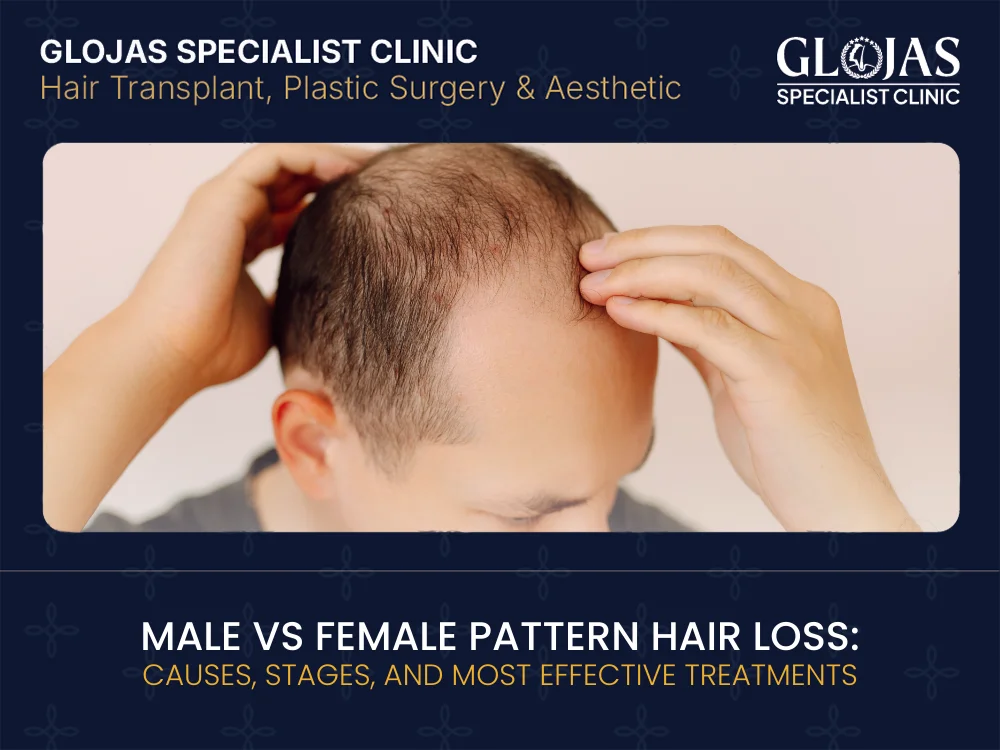
Interactive Hair Loss Stage Checker Select your gender and explore the progression stages to find the right care. Male Pattern (Norwood) Female Pattern (Ludwig) Stage 1 of 4 Early Receding / Minimal Thinning Hair begins to thin slightly around the temples or the parting line. At this early phase, proactive care yields the highest reversal success rate. Stage 1 Stage 2 Stage 3 Stage 4 Unsure about your specific stage? Get a professional assessment via chat. Consult via WhatsApp Male vs female pattern hair loss, or androgenetic alopecia, is a genetically influenced condition where hair follicles progressively shrink. While men typically experience a receding hairline and crown balding, women suffer diffuse thinning across the top of the scalp while preserving their frontal hairline. Understanding Pattern Hair Loss What Is Androgenetic Alopecia? Androgenetic alopecia is a genetically determined, chronic progressive medical condition characterized by the gradual miniaturization of hair follicles. It affects millions globally, including substantial numbers of adults across Southeast Asia. Over time, the anagen (growth) phase shortens, producing finer, shorter hairs until active follicles eventually cease production altogether. The Role of Genetics and Hormones Hereditary predisposition and specific androgen hormones drive the progression of pattern thinning. Testosterone converts into dihydrotestosterone (DHT) via the enzyme 5-alpha reductase. In genetically vulnerable individuals, DHT binds to scalp receptors, shrinking hair follicles and disrupting healthy hair cycles. Understanding how androgenetic alopecia operates helps physicians formulate targeted interventions. Male Pattern Hair Loss Common Symptoms and Progression Stages Male pattern hair loss typically begins subtly at the temples or the vertex (crown). Men often notice increased shedding on pillows or in the shower, followed by a receding hairline that forms an distinct “M” shape. Over time, hair at the crown thins concurrently, eventually leaving a horseshoe-shaped ring around the sides and back of the head. The Norwood Scale for Men Dermatologists and hair restoration surgeons utilize the Norwood Scale to classify the severity of male pattern baldness. Ranging from Stage 1 (minimal recession) to Stage 7 (extensive hair loss leaving only a sparse rim), this standardized tool helps medical professionals track deterioration rates and determine appropriate clinical options. Primary Causes of Male Hair Thinning While genetics and elevated scalp sensitivity to DHT remain primary factors, environmental and systemic elements play supporting roles. High stress levels, nutritional gaps, and progressive aging amplify follicular stress. Clinical data notes that up to 60% of Malaysian men experience visible hair thinning by age 50. Female Pattern Hair Loss How Female Hair Thinning Differs from Men Unlike males, women rarely experience a completely receding hairline or total baldness. Instead, female pattern hair loss manifests as diffuse thinning across the top and crown of the scalp. The frontal hairline usually remains intact, creating an illusion of overall volume loss rather than defined bald patches. The Ludwig Scale for Women Medical specialists use the Ludwig Scale to grade female hair loss across three distinct stages: Stage I: Mild thinning confined to the crown area, easily masked by styling. Stage II: Pronounced widening of the central hair part with noticeable volume reduction. Stage III: Severe, diffuse thinning across the entire top of the scalp, exposing the skin. Common Triggers: Hormones, Menopause, and Stress Hormonal fluctuations heavily influence female hair health. Postpartum shifts, polycystic ovary syndrome (PCOS), and the drop in estrogen during menopause frequently trigger or accelerate shedding. Chronic psychological stress and thyroid imbalances also disrupt the normal hair cycle, leading to prolonged telogen effluvium overlapping with genetic thinning. Key Differences Between Male and Female Hair Loss Hairline Receding vs. Widening Part Line The most visible clinical distinction lies in pattern presentation. Men experience localized hairline recession and crown bald spots. Conversely, women experience a widening central part line while maintaining a strong frontal frame. Progression Speed and Severity Patterns Male hair loss can start as early as late adolescence or early twenties, often progressing rapidly. Female pattern hair loss typically has a later onset—often emerging during perimenopause or post-menopause—and progresses more gradually. Complete baldness is exceedingly rare in women compared to men. Hair Loss Diagnosis and Clinical Assessment in Malaysia Professional Scalp Analysis and Trichoscopy An accurate diagnosis requires a comprehensive physical and digital evaluation. Specialists use high-magnification trichoscopy to examine scalp skin health, hair density per square centimeter, shaft diameter diversity, and follicular unit counts. This rules out scarring alopecias and inflammatory scalp conditions. Medical Tests and Identifying Underlying Causes Clinicians frequently order blood panels to isolate hidden contributors. Standard assessments check complete blood counts, ferritin and iron levels, thyroid-stimulating hormone (TSH), and hormonal markers (such as free and total testosterone or DHEAS) to ensure a customized and accurate medical strategy. Available Treatments and Solutions in Malaysia Medical Options: Minoxidil and Prescription Medications Topical minoxidil remains a foundational over-the-counter solution to stimulate microcirculation around hair follicles. For men, oral or topical 5-alpha reductase inhibitors like finasteride help block DHT conversion. Anti-androgen medications or spironolactone are sometimes prescribed off-label for women under strict clinical supervision. Advanced Hair Loss Therapies: PRP and Laser Treatments Regenerative medicine offers non-surgical alternatives to stimulate dormant follicles. Platelet-Rich Plasma (PRP) therapy utilizes concentrated growth factors derived from the patient’s own blood injected into the scalp. Low-Level Laser Therapy (LLLT) further energizes cellular metabolism within thinning tissues. Hair Transplant Options in Malaysia For permanent restoration of advanced balding areas, surgical options like Follicular Unit Extraction (FUE) and Follicular Unit Transplantation (FUT) provide natural, permanent results. Surgeons extract healthy donor grafts from the back of the head and meticulously implant them into thinning zones. Clinical Experience: Managing pattern hair loss successfully relies on early intervention. Because miniaturized follicles can remain salvageable for only a limited window, prompt diagnosis by an accredited specialist yields significantly better long-term preservation rates than delayed treatment. Frequently Asked Questions What is the main difference between male and female pattern hair loss? Male pattern hair loss typically causes a receding hairline and bald spots at the crown, whereas female pattern hair loss involves diffuse thinning across the top of the head with a widening
Miss Tourism International 2025 x GLOJAS Clinic for Visit Malaysia 2026

Miss Tourism International 2025 is partnered with GLOJAS Specialist Clinic, designating it as the event’s official premium clinic. Located in Kuala Lumpur, GLOJAS supports the Visit Malaysia 2026 initiative by showcasing world-class Malaysian medical aesthetics, hair restoration, and healthcare services to a global audience. Kuala Lumpur, Malaysia – Friday, October 10, 2025 – The highly anticipated Miss Tourism International 2025 will be held at the iconic Glomac Galeria Hartamas, bringing together 38 contestants from around the world to celebrate culture, beauty, and tourism. In line with the nation’s preparations for Visit Malaysia 2026, the organization has officially chosen GLOJAS Specialist Clinic as the premium clinic for the industry in Malaysia, recognizing its leadership and excellence in aesthetic medicine. Premium Collaboration for Global Recognition Through this collaboration, Miss Tourism International and GLOJAS Specialist Clinic will highlight Malaysia’s strength not only in tourism but also in world-class medical aesthetics and healthcare services. Contestants will be introduced to GLOJAS’ expertise in: Hair Restoration Skin Aesthetic Treatments Body Slimming Solutions Dental Care Services These treatments showcase why GLOJAS has been entrusted as the one-stop-centre clinic of choice for this global event. Leaders in Beauty & Innovation At the event, Datin Selwin, CEO of GLOJAS, and Prof. Dato’ Dr. JasG, Founder of GLOJAS Specialist Clinic, will be present alongside their team of expert doctors. Together, they will emphasize the clinic’s innovative approach, blending science and artistry to deliver trusted, natural results. “Being chosen by Miss Tourism International as the premium clinic for this collaboration reflects our dedication to excellence. As the world prepares for Visit Malaysia 2026, we are proud to showcase Malaysia’s expertise in medical aesthetics to an international audience,” said Datin Selwin, CEO of GLOJAS. Event Details Event Name: Miss Tourism International 2025 at GLOJAS Specialist Clinic Date: Friday, October 10, 2025 Venue: Glomac Galeria Hartamas Location: B-G, 05, Jalan 26A/70A, Desa Sri Hartamas, 50480 Kuala Lumpur Where Beauty Meets Trust This collaboration not only crowns global beauty but also marks Malaysia’s positioning as a hub for medical tourism in the lead-up to Visit Malaysia 2026. With world-class facilities, internationally recognized experts, and a trusted reputation, GLOJAS Specialist Clinic continues to set the standard for excellence in the industry.
Chicken Pox Scars: 7 Effective Methods for Powerful Treatment
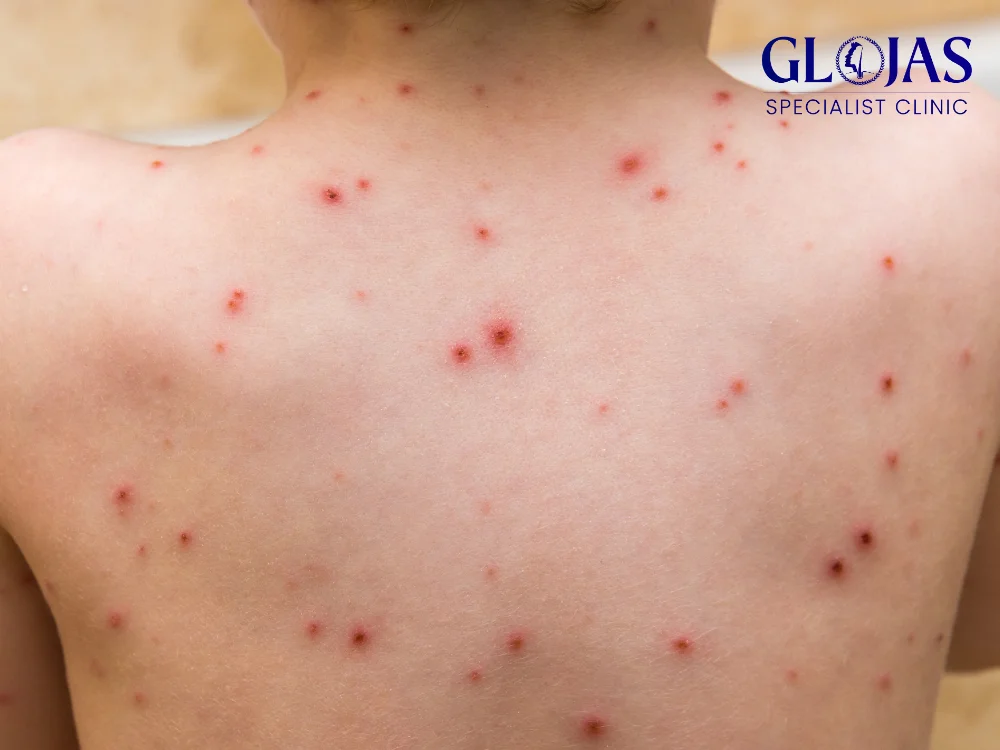
Find Your Best Chicken Pox Scar Treatment Click your scar type below to reveal the most effective method: Deep / Pitted Scars Dark Spots / Marks Raised / Thick Scars Recommended: Fractional Laser or Subcision Deep, pitted (atrophic) chicken pox scars damage collagen underneath. Laser resurfacing or micro-needling stimulates fresh collagen production to smooth out the skin texture effectively. Consult via WhatsApp (+60122700122) Recommended: Chemical Peels & Topical Retinoids If your scars are flat but leave dark brown or red patches (Post-Inflammatory Hyperpigmentation), chemical peels and medical-grade brightening topicals speed up cell turnover to clear the pigment fast. Consult via WhatsApp (+60122700122) Recommended: Silicone Gel Sheets or Steroid Injections Raised or hypertrophic chicken pox scars need treatments that flatten excess tissue. Silicone sheeting or targeted corticosteroid injections help soften and flatten the scar over a few weeks. Consult via WhatsApp (+60122700122) Chicken pox is a common viral illness that often leaves behind scars as a lasting reminder of the condition. These scars, though harmless, can cause distress and affect one’s confidence. The good news is that there are numerous ways to treat and minimize chicken pox scars effectively, ranging from natural remedies to advanced dermatological treatments. In this article, we’ll explore proven methods to tackle chicken pox scars, helping you regain smooth, scar-free skin. What Are Chicken Pox Scars? Chicken pox scars are the result of the healing process following the itchy, blister-like rash caused by the varicella-zoster virus. Chickenpox, a highly contagious viral infection, is often associated with a characteristic itchy, blister-like rash. While the infection typically resolves on its own, it can leave behind noticeable scars, particularly if the blisters are scratched or picked. These scars, often referred to as chickenpox scars, can vary in appearance, ranging from small, indented marks to raised, pigmented areas on the skin. The severity of chickenpox scarring can depend on several factors, including the individual’s skin type, the extent of the rash, and the level of scratching or picking during the infection. Understanding the underlying causes of chickenpox scars is crucial in developing effective treatment strategies to minimize their appearance and restore skin health. Understanding the Types of Chicken Pox Scars Chicken pox scars can be categorized into different types, each requiring specific treatment approaches: Atrophic Scars: Sunken scars that form due to loss of tissue during healing. Often appear as small pits or depressions in the skin. Pigmented Scars: These are darker or lighter patches caused by excessive melanin production or loss. Understanding the type of scar is crucial in choosing the most effective treatment method. 7 Proven Methods to Treat Chicken Pox Scars 1. Topical Treatments Topical creams and gels are the most accessible options for treating chicken pox scars. Look for products containing: Vitamin E: Promotes skin regeneration and improves elasticity. Silicone Gel Sheets: Help flatten scars and reduce redness over time. Retinoids: Stimulate collagen production, improving the appearance of atrophic scars. 2. Natural Remedies Nature offers several effective solutions for chicken pox scars: Aloe Vera Gel: Hydrates and soothes the skin while reducing scar visibility. Honey: Acts as a natural moisturizer and helps in scar healing. Lemon Juice: Its natural bleaching properties lighten pigmented scars but should be used sparingly to avoid irritation. 3. Chemical Peels Chemical peels are popular in dermatology for resurfacing the skin and reducing scar visibility. These treatments involve applying a chemical solution to the skin, which causes it to exfoliate and reveal smoother layers underneath. Common types include: Glycolic Acid Peels: Effective for mild scars. Trichloroacetic Acid (TCA) Peels: Better suited for deeper scars. 4. Microdermabrasion Microdermabrasion gently removes the outer layer of dead skin cells, promoting new skin growth. This technique is non-invasive and can significantly reduce the appearance of shallow chicken pox scars. 5. Microneedling Microneedling involves creating tiny punctures in the skin using a fine-needle roller or pen. This stimulates the body’s natural healing process, boosting collagen and elastin production. Over time, this leads to a noticeable reduction in scar depth and improves skin texture. 6. Laser Therapy Laser treatments are among the most advanced options for chicken pox scars. These procedures use focused light beams to target scarred tissue, stimulating new skin growth. Common laser treatments include: Fractional Laser Resurfacing: Targets only scarred areas, leaving surrounding skin untouched. Ablative Lasers: Remove the top skin layers, promoting smoother skin. 7. Surgical Options For severe chicken pox scars, surgical options like punch excision or subcision may be considered. These involve removing or breaking down scar tissue to allow smoother skin regeneration. Consult a dermatologist to determine if surgery is the right choice for you. Lifestyle Tips to Prevent Chicken Pox Scars Prevention is always better than cure. If you or a loved one is dealing with chicken pox, consider these tips to reduce the risk of scarring: Avoid Scratching: Keep fingernails trimmed and wear gloves to minimize scratching. Moisturize Regularly: Hydrate the skin to promote faster healing. Use Sunscreen: Protect healing skin from UV rays, which can darken scars. How Long Does It Take to See Results? The time it takes to see noticeable improvements in chicken pox scars depends on the treatment method: Topical Treatments: Results may take several months of consistent use. Chemical Peels and Microdermabrasion: Improvements are visible after a few sessions. Laser Therapy: Results can be seen within weeks, though multiple sessions may be needed. When to Consult a Dermatologist If over-the-counter treatments and home remedies aren’t delivering results, it’s wise to consult a dermatologist. Professional advice can help you choose advanced treatments tailored to your skin type and scar severity. FAQs About Chicken Pox Scars Can chicken pox scars be completely removed?While it’s challenging to completely erase scars, treatments can significantly minimize their appearance. Advanced options like laser therapy offer the best results. Are chicken pox scars permanent?Without treatment, some chicken pox scars can be permanent. However, consistent care and dermatological treatments can reduce their visibility. Do natural remedies work for chicken pox scars?Natural remedies like aloe vera and honey can help improve minor scars,
GLOJAS Award | Winner of 5 Historic Malaysia Book of Records Titles
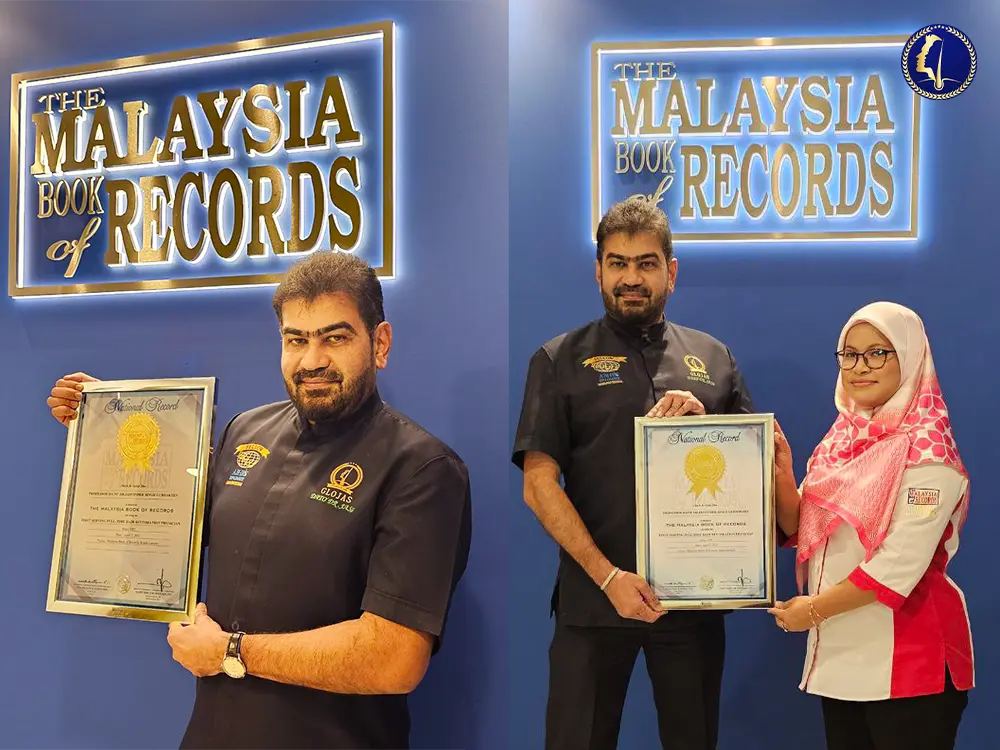
GLOJAS Specialist Clinic officially secured five historic titles in the Malaysia Book of Records, cementing its status as Malaysia’s premier hair restoration authority. Led by pioneer Dato’ Dr. Jasvinder Singh, the landmark milestones recognize the clinic’s decades of clinical excellence, introducing advanced FUE and FUT techniques, and holding the nation’s first ABHRS international board certification. GLOJAS Specialist Clinic, a premier medical aesthetic and hair restoration center in Kuala Lumpur, Malaysia, has achieved an extraordinary milestone by securing five distinguished listings in the Malaysia Book of Records. These honors validate the clinic’s relentless pursuit of clinical excellence, innovation, and safety standards in hair transplant surgery and aesthetic medicine. Spearheaded by the highly esteemed Prof. Dato’ Dr. Jasvinder Singh Gurbakhes (widely known as Prof. Dato’ Dr. JasG), GLOJAS Specialist Clinic continues to pioneer international-grade practices locally. This comprehensive overview details the record-breaking achievements, technical expertise, and credentials that position GLOJAS as Malaysia’s premier hair restoration authority. 5 Historic Malaysia Book of Records Milestones GLOJAS Specialist Clinic has earned five historic titles in the Malaysia Book of Records, solidifying its reputation as a trusted leader in advanced hair transplant procedures. 1. Pioneer in FUE & FUT Combined Techniques Official Recognition: First Hair Transplant Physician Using Follicular Unit Excision (FUE) & Follicular Unit Transplantation (FUT) Technique Certificate Date: July 18, 2022 Clinical Impact: Prof. Dato’ Dr. JasG is recognized as the first hair transplant physician in Malaysia to expertly perform both FUE and FUT techniques. By masterfully executing these advanced, minimally invasive surgical procedures, GLOJAS provides highly tailored hair restoration treatments optimized for individual graft requirements and high-density results. 2. Malaysia’s First ABHRS Certified Diplomat Official Recognition: First Hair Diplomat Physician of the American Board of Hair Restoration Surgery (ABHRS) Certified Since: 2014 (Certificate Date: July 18, 2022) Clinical Impact: Dato’ Dr. Jasvinder Singh Gurbakhes made medical history as the first Malaysian hair transplant physician certified by the prestigious American Board of Hair Restoration Surgery (ABHRS). As the global gold standard for hair restoration credentials, this certification ensures the clinic adheres to rigorous international medical ethics and surgical safety protocols. 3. Over Two Decades of Dedicated Full-Time Care Official Recognition: First Serving Full-Time Hair Restoration Physician Practicing Since: 1997 (Certificate Date: April 7, 2023) Clinical Impact: GLOJAS holds the record for being the first aesthetic facility in Malaysia featuring a full-time hair restoration physician since 1997. With nearly three decades of unbroken, specialized experience, Dato’ Dr. JasG offers patients unrivaled continuity of care and deep clinical expertise. 4. Innovation in Advanced Re-Follicular Unit Excision Official Recognition: First Hair Transplant Physician Using Highly Skilled Re-Follicular Unit Excision Practicing Since: 1997 (Certificate Date: October 26, 2023) Clinical Impact: This award celebrates the clinic’s technical mastery over Re-Follicular Unit Excision. This highly skilled technique refines the extraction process to maximize graft survival rates, resulting in ultra-natural hairlines and superior aesthetic outcomes for severe hair loss conditions. 5. Globally Recognized Fellowship (FISHRS) Official Recognition: First Conferred Fellowship of the International Society of Hair Restoration Surgery (FISHRS) Conferred Since: 2020 (Certificate Date: July 18, 2022) Clinical Impact: Dato’ Dr. JasG is the first physician in Malaysia to be awarded a Fellowship by the International Society of Hair Restoration Surgery (FISHRS). This elite global status recognizes his ongoing contributions to peer education, scientific research, and advanced clinical practices in hair restoration. Quick Reference: Summary of Record-Breaking Accolades Category / Achievement Certification Date Clinical Significance First FUE & FUT Combined Techniques July 18, 2022 Dual-modality capability for customized, high-density hair restoration. First ABHRS Certified Diplomat July 18, 2022 Attainment of the premier international credential in hair loss surgery. First Full-Time Hair Restoration Physician April 7, 2023 Unbroken clinical practice and specialized patient care since 1997. First Re-Follicular Unit Excision Specialist October 26, 2023 Superior graft survival rates and natural hairline design. First Conferred FISHRS Fellowship July 18, 2022 Highest tier of international recognition by the global hair restoration society. Why Choose GLOJAS Specialist Clinic? Expert Insight: For patients navigating hair loss solutions, credentials matter. GLOJAS Specialist Clinic bridges the gap between Malaysian medical tourism standards and international board-certified excellence. Led by Dato’ Dr. JasG, the clinic combines state-of-the-art medical technology with a patient-centric philosophy. Whether addressing androgenetic alopecia, male pattern baldness, or requiring corrective hair transplant surgery, patients receive world-class care validated by international medical boards and recognized nationally by the Malaysia Book of Records. Conclusion GLOJAS Specialist Clinic stands as a beacon of medical excellence in Malaysia’s aesthetic industry. Their historic fivefold inclusion in the Malaysia Book of Records guarantees that patients are placing their trust in an award-winning, globally verified, and locally celebrated medical institution. To schedule a professional consultation or explore specialized hair restoration therapies, connect with their medical team directly using the verified contact details below: Clinic Name: GLOJAS Specialist Clinic (Hair Transplant, Plastic Surgery & Aesthetic) Address: Glomac Galeria Hartamas, B-G-05, Jalan 26A/70A, Desa Sri Hartamas, 50480 Kuala Lumpur, Wilayah Persekutuan, Malaysia. Phone Number: +60 12-989 1915 Official Website: glojasaesthetic.com
GLOJAS Award | Sponsor of Miss Universe Malaysia (2024)
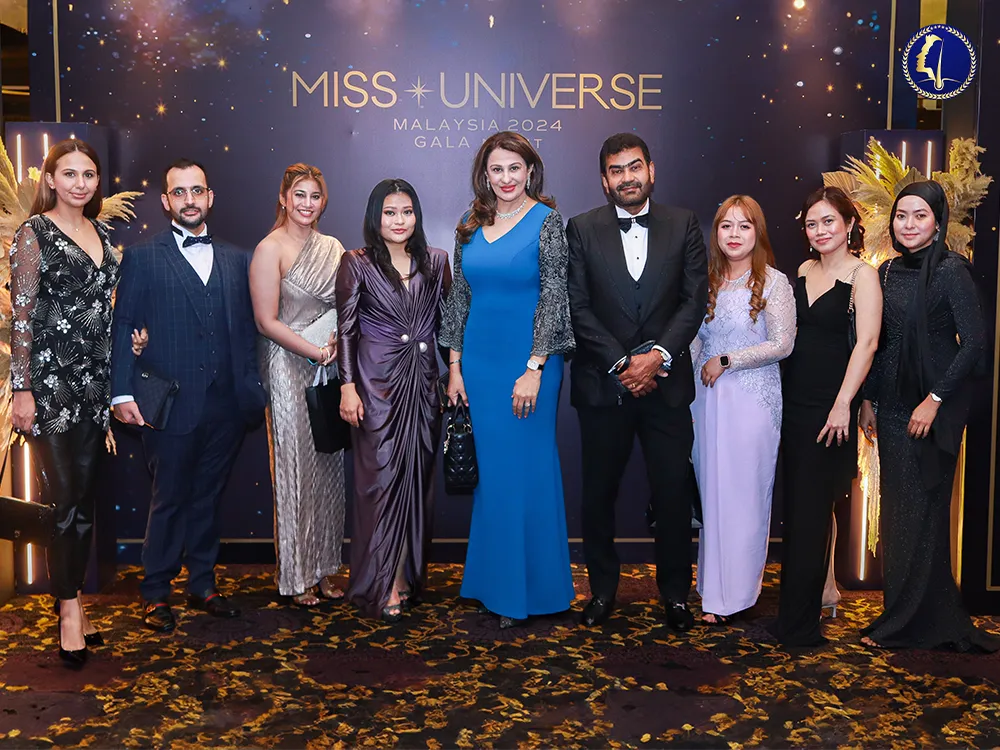
GLOJAS Specialist Clinic proudly sponsored Miss Universe Malaysia 2024, celebrating winner Sandra Lim during the prestigious national pageant. The collaboration showcased GLOJAS’ dedication to beauty, confidence, and aesthetic excellence through advanced hair restoration, skin rejuvenation, and wellness treatments that supported contestants throughout their journey to the crown. The highly anticipated Miss Universe Malaysia 2024 pageant took place on September 6, 2024, at the prestigious Majestic Hotel in Kuala Lumpur. The event was a night of beauty, talent, and grace, marking a milestone in Malaysia’s pageantry scene. Sponsored by GLOJAS Specialist Clinic, known for its cutting-edge hair, aesthetic treatments, and body treatments, the pageant underscored the importance of self-care, wellness, and empowerment in the world of beauty. The Winner: Sandra Lim Shines Bright Crowning the night was Sandra Lim, a 23-year-old from Selangor, who emerged victorious as Miss Universe Malaysia 2024. Sandra’s journey through the competition was remarkable, as she also clinched the titles of Miss Best Dressed and Miss Grace of J & Kel, underscoring her poise, fashion sense, and elegance. Her win was sealed in the final question round, where she was asked about tackling gender-based violence. Sandra’s thoughtful and compassionate response, advocating for the protection and empowerment of women, resonated with the judges and audience alike( Sandra will now represent Malaysia at the Miss Universe 2024 competition later this year. With her diverse talents, strong advocacy, and inspiring presence, she is well-positioned to make a mark on the global stage. The Runners-Up: Strong Contenders Sandra Lim wasn’t the only star of the night. The first runner-up title went to Gianna Tan, who also took home the titles of Miss Online Personality and Miss Body Beautiful. Gianna impressed both online audiences and the judges with her charisma and elegance. The second runner-up was Temara Inigo, another strong contender who captivated the crowd with her presence. The Top 16 Finalists This year’s Miss Universe Malaysia pageant was particularly notable for its inclusivity and diversity. With no upper age limit or marital restrictions, the competition embraced women from various backgrounds. Here are the names of the Top 16 finalists who vied for the coveted crown: Angela Quah (24, Johor) Car Menn Lee (26, Selangor) Elaine Kho Zie Sing (29, Sarawak) Gillian Miral Sekhon (24, Kuala Lumpur) Huay Hunn “Genevieve” Goh (25, Melaka) Isabelle Choong En Xin (21, Pulau Pinang) Keshinie S. Sivamaran (23, Selangor) Adelyn Yeap Yi Jing (28, Kuala Lumpur) Sandra Lim (23, Selangor) – Winner Shalineswari Vikneswaran (23, Pulau Pinang) Shweta Mohan (24, Johor) Isabella Wong Swee Ling (27, Perak) Amelia Foong Sze Vern (30, Kuala Lumpur) Temara Inigo (25, Selangor) – Second Runner-Up Vernice Tee (35, Pahang) Gianna Tan Xiao Xuan (25, Selangor) – First Runner-Up GLOJAS Specialist Clinic: The Beauty Behind the Scene One of the key sponsors of Miss Universe Malaysia 2024 was GLOJAS Specialist Clinic, a leader in advanced aesthetic treatments for hair, skin, and body. Their support in this year’s pageant showcased the importance of holistic beauty, highlighting how self-care and wellness contribute to confidence and overall beauty. GLOJAS Specialist Clinic offers state-of-the-art solutions, including hair transplant, skin rejuvenation, and body sculpting, making them a fitting sponsor for an event that celebrates both inner and outer beauty. In a world where beauty is becoming increasingly inclusive, GLOJAS Specialist Clinic continues to lead with its commitment to helping individuals feel their best, inside and out. Their partnership with Miss Universe Malaysia 2024 underscores their role in empowering women to embrace their unique beauty and well-being. A Night to Remember The Miss Universe Malaysia 2024 pageant was more than just a beauty competition—it was a celebration of empowerment, diversity, and unity. With the crowning of Sandra Lim and the strong performances of all the finalists, the event showcased Malaysia’s beauty not only in appearance but also in heart and spirit. The backdrop of the Majestic Hotel Kuala Lumpur added grandeur to the event, with its iconic architecture providing a luxurious setting for the night. The audience was treated to spectacular performances, heartfelt speeches, and a showcase of Malaysia’s vibrant cultural diversity. As Sandra Lim steps into her new role, the nation eagerly awaits her journey to the Miss Universe stage. With her grace, intellect, and passion for important causes like gender equality, Sandra is poised to inspire both Malaysians and the world. Miss Universe Malaysia 2024 was truly a night to remember—a night where beauty, talent, and empowerment took center stage, with GLOJAS Specialist Clinic proudly supporting the journey.
GLOJAS Award 2024 | “Hair Transplant Clinic of the Year” by GlobalHealth Asia-Pacific (2024)
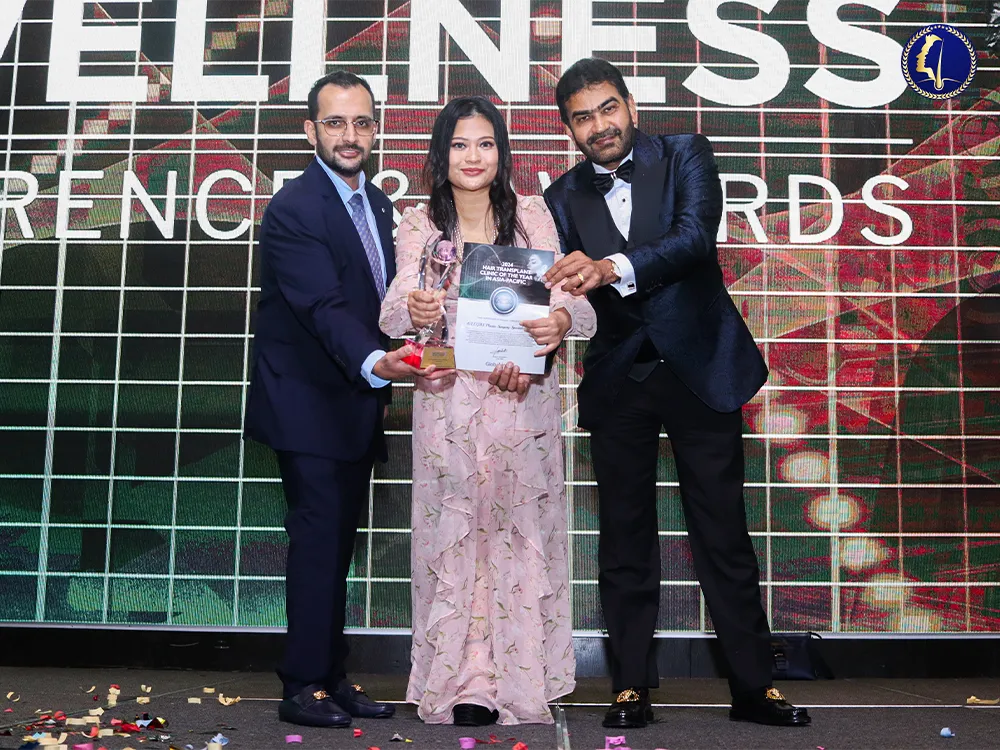
GLOJAS Specialist Clinic was awarded “Hair Transplant Clinic of the Year 2024” by GlobalHealth Asia-Pacific, recognizing its excellence in advanced hair restoration treatments and patient care. Led by experienced specialists, GLOJAS continues to set industry standards in Malaysia with innovative hair transplant technology, natural-looking results, and personalized aesthetic solutions. In an ever-evolving world of medical aesthetics and hair restoration, GLOJAS Specialist Clinic continues to set the gold standard, standing out as a beacon of innovation, professionalism, and success. The recent recognition by Global Health Asia-Pacific 2024 on 7 September 2024 located at W Hotel, Kuala Lumpur, Malaysia, awarding GLOJAS Specialist Clinic with the highly coveted title of “Hair Transplant Clinic of the Year,” is yet another testament to the clinic’s outstanding contributions to the field of hair transplantation and cosmetic care. The Global Health Asia-Pacific Awards: Recognizing Excellence in Healthcare The Global Health Asia-Pacific Awards is a prestigious annual event that recognizes and celebrates the best of the best in healthcare, aesthetics, and medical advancements throughout the Asia-Pacific region. The award is a hallmark of excellence, a symbol of leadership, innovation, and dedicated patient care. The 2024 edition of the event witnessed a wide array of clinics, hospitals, and healthcare professionals competing for top accolades across various specialties. Among these, GLOJAS Specialist Clinic’s triumph in the “Hair Transplant Clinic of the Year” category speaks volumes about its commitment to delivering high-quality results and maintaining patient satisfaction at the forefront of its operations. GLOJAS Specialist Clinic: A Pillar of Excellence in Hair Transplantation With over two decades of experience in hair restoration and cosmetic procedures, GLOJAS Specialist Clinic, based in Kuala Lumpur, Malaysia, has consistently proven its expertise in helping patients overcome hair loss challenges. Founded and led by the renowned Professor Dato’ Dr. JasG, GLOJAS Specialist Clinic has earned its reputation for being a clinic where science meets aesthetics, producing world-class results with cutting-edge techniques. At the heart of GLOJAS Specialist Clinic’s success are three key figures: Professor Dato’ Dr. JasG, Dr. Navin Mann, and Dr. Muya. Each of them brings a wealth of expertise, passion, and commitment to their respective fields, ensuring that patients receive the best care possible. Professor Dato’ Dr. JasG: A Leader in Hair Restoration The driving force behind GLOJAS Specialist Clinic is Professor Dato’ Dr. JasG, a certified hair restoration surgeon and aesthetic medicine expert. He is a Diplomate of the American Board of Hair Restoration Surgery (ABHRS), making him one of the few globally recognized specialists in this field. His extensive experience and dedication have helped thousands of patients regain their confidence through personalized hair transplant procedures, while his research contributions and innovations have pushed the boundaries of hair restoration techniques. Known for his precision and attention to detail, Professor Dato’ Dr. JasG is celebrated for his mastery of Follicular Unit Extraction (FUE) and Follicular Unit Transplantation (FUT) techniques. His unique approach to hairline design, graft survival, and post-operative care has made him one of the most sought-after surgeons in Asia and beyond. Under his leadership, GLOJAS Specialist Clinic has continued to achieve unprecedented success in hair transplant malaysia outcomes, making this award a well-deserved recognition of his life’s work. Complementing the leadership of Professor Dato’ Dr. JasG are two other key players: Dr. Navin Mann and Dr. Muya. Dr. Navin, a distinguished aesthetic physician, is highly regarded for his skill in non-invasive aesthetic procedures and his contribution to hair restoration treatments. His expertise allows patients to explore a range of solutions, from scalp micropigmentation to advanced therapies that complement surgical procedures, ensuring holistic care for every individual. What Sets GLOJAS Specialist Clinic Apart: Pioneering Techniques and Unparalleled Care One of the primary reasons behind GLOJAS Specialist Clinic’s consistent success and recognition is its commitment to staying at the forefront of medical advancements. The clinic employs state-of-the-art technologies, continuously refining its techniques to ensure optimal results for every patient. From the initial consultation to the post-procedure follow-up, every step of the process is handled with care, precision, and professionalism. Personalized Hair Transplant Procedures Hair loss is a deeply personal issue, and GLOJAS Specialist Clinic understands that every patient’s situation is unique. The clinic offers bespoke hair transplant solutions, tailored to meet individual needs, whether it involves thinning hair, receding hairlines, or complete baldness. Glojas employs the latest techniques, including Advanced FUE and FUT, to achieve natural-looking, long-lasting results. What distinguishes GLOJAS Specialist Clinic is its meticulous approach to graft harvesting and placement. The clinic ensures minimal trauma to the donor area while maximizing graft survival rates. Furthermore, their expert team provides a thorough consultation, educating patients on what to expect and how to maintain the results post-procedure. This commitment to patient care, combined with technical expertise, has earned Glojas Clinic the trust and loyalty of clients worldwide. A Comprehensive Approach to Aesthetic Medicine While hair restoration is a key focus, GLOJAS Specialist Clinic also offers a broad spectrum of aesthetic treatments. This includes facial rejuvenation, body contouring, and skin care solutions, all performed using advanced, non-invasive techniques. The clinic prides itself on offering holistic solutions, ensuring that patients not only achieve their aesthetic goals but also enhance their overall confidence and well-being. GLOJAS Specialist Clinic comprehensive approach, incorporating both surgical and non-surgical methods, enables patients to explore various treatment options under one roof. This multi-faceted service offering is one of the reasons GLOJAS Specialist Clinic continues to be a leader in the field of aesthetics and hair restoration. The Impact of the Award: A Testament to Dedication and Excellence The recognition as the “Hair Transplant Clinic of the Year” by Global Health Asia-Pacific 2024 is a significant milestone for GLOJAS Specialist Clinic, reinforcing its position as a leader in the hair restoration field. This award is not just a reflection of the clinic’s technical prowess, but also its dedication to patient satisfaction, safety, and continuous improvement. Receiving this accolade also shines a spotlight on the team’s unrelenting passion for helping patients reclaim their confidence. Hair loss can have profound emotional and psychological effects,
GLOJAS Award | Press Conferences of Miss Universe Malaysia (2024)
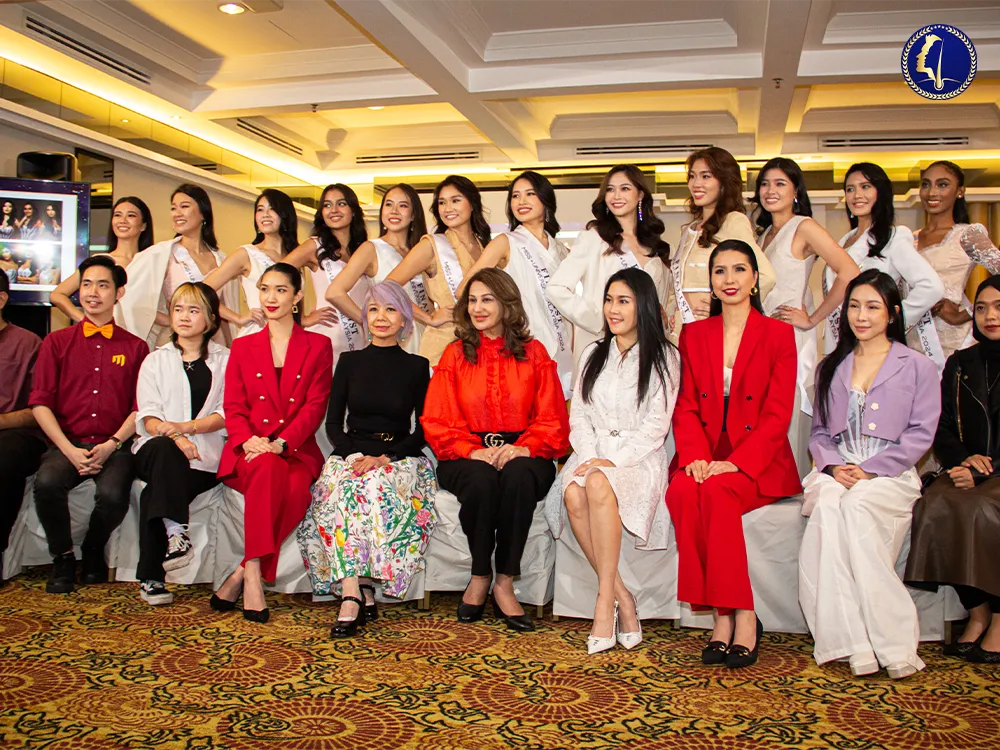
GLOJAS Specialist Clinic participated in the Miss Universe Malaysia 2024 press conference as an official aesthetic and beauty partner. Held in Kuala Lumpur, the event highlighted GLOJAS’ commitment to confidence, beauty innovation, and advanced aesthetic treatments, while supporting contestants with professional hair, skin, and wellness solutions throughout the competition. 6 August 2024, Kuala Lumpur – The grandeur of the Miss Universe Malaysia 2024 press conference was elevated by the presence of GLOJAS Specialist Clinic, the premier sponsor of the event. Held at The Majestic Hotel Kuala Lumpur, the conference saw a gathering of media, beauty queens, and industry professionals, all eager to witness the partnership between the prestigious beauty pageant and the renowned aesthetic clinic. GLOJAS Specialist Clinic, a leading name in the field of cosmetic and plastic surgery in Malaysia, has consistently been at the forefront of providing cutting-edge aesthetic services. Their sponsorship of the Miss Universe Malaysia pageant underscores their commitment to promoting beauty and self-confidence through advanced medical aesthetic solutions. A Celebration of Beauty and Excellence The press conference commenced with a welcoming address by the pageant organisers, who expressed their gratitude to GLOJAS Specialist Clinic for their invaluable support. The collaboration between GLOJAS Specialist Clinic and Miss Universe Malaysia is a natural fit, as both entities strive to enhance beauty and empower individuals. This partnership not only elevates the stature of the pageant but also highlights the importance of aesthetic medicine in the realm of beauty and self-care. GLOJAS Specialist Clinic: Pioneering Aesthetic Solutions GLOJAS Specialist Clinic, helmed by the esteemed Professor Dato’ Dr. JasG, is renowned for its comprehensive range of aesthetic services. With a focus on hair transplants, plastic surgery, and skin aesthetics, GLOJAS Specialist Clinic has become a beacon of excellence in Malaysia’s medical aesthetic industry. – Hair Transplant: GLOJAS Specialist Clinic offers state-of-the-art hair transplant procedures that utilise the latest techniques to ensure natural and long-lasting results. Their expertise in Follicular Unit Extraction (FUE) and Follicular Unit Transplantation (FUT) has helped countless individuals regain their confidence with fuller, natural-looking hair. – Plastic Surgery: The clinic provides a wide array of plastic surgery options, including rhinoplasty, breast augmentation, liposuction, and facelifts. Each procedure is tailored to the patient’s unique needs and is performed with the utmost precision and care, ensuring optimal results and patient satisfaction. – Skin Aesthetic: GLOJAS Specialist Clinic also excels in skin treatments, offering services such as laser therapy, chemical peels, and dermal fillers. These treatments are designed to rejuvenate the skin, reduce signs of aging, and enhance overall skin health, giving patients a radiant and youthful appearance. Empowering Beauty through Innovation During the press conference, Professor Dato’ Dr. JasG took the stage to share insights into GLOJAS Specialist Clinic’s mission and vision. He emphasised the clinic’s dedication to staying at the forefront of technological advancements in aesthetic medicine, ensuring that their patients receive the best possible care. “Our goal at GLOJAS Specialist Clinic is to empower individuals by enhancing their natural beauty through innovative and effective treatments. We believe that everyone deserves to feel confident and beautiful in their skin, and we are committed to making that a reality for our patients,” said Dr. Dato’ Seri Hj JasG. Miss Universe Malaysia 2024: A Platform for Beauty and Ambition The Miss Universe Malaysia pageant has long been a platform for showcasing not only physical beauty but also intelligence, talent, and ambition. This year’s contestants embody these qualities, and with the support of GLOJAS Specialist Clinic, they have an added advantage in their journey towards the crown. Throughout the pageant, the contestants will have access to GLOJAS Specialist Clinic’s top-notch services, ensuring they look and feel their best. This partnership also provides an opportunity for the contestants to learn about the importance of self-care and the benefits of aesthetic treatments. A Vision for the Future As the press conference drew to a close, the excitement for the upcoming Miss Universe Malaysia pageant was palpable. The collaboration with GLOJAS Specialist Clinic promises to set new standards for the event, highlighting the role of aesthetic medicine in enhancing beauty and confidence. Looking ahead, GLOJAS Specialist Clinic aims to continue their mission of empowering individuals through advanced aesthetic solutions. Their sponsorship of the Miss Universe Malaysia pageant is just one example of their commitment to promoting beauty, self-confidence, and excellence. Conclusion The Miss Universe Malaysia 2024 press conference was a testament to the synergy between beauty pageants and aesthetic medicine. GLOJAS Specialist Clinic sponsorship not only elevates the pageant but also underscores the importance of aesthetic treatments in enhancing natural beauty and self-confidence. With their focus on hair transplants, plastic surgery, and skin aesthetics, GLOJAS Specialist Clinic continues to lead the way in Malaysia’s aesthetic industry, empowering individuals to look and feel their best. For more information about GLOJAS Specialist Clinic and their services, visit GLOJAS Specialist Clinic.