
HIFU Treatment Side Effects: Is It Safe?

What Is HIFU and Is HIFU Safe? High-Intensity Focused Ultrasound (HIFU) is a popular non-surgical aesthetic treatment known for lifting and tightening the skin. Many people considering this procedure often ask, “Is HIFU safe?, HIFU Treatment Side Effects?” The short answer is yes—HIFU is generally safe when performed by trained medical professionals using certified devices. This article explains how it works, potential HIFU Treatment Side Effects, and important precautions so you can make a confident, informed decision. How HIFU Works: A Simple Explanation HIFU uses focused ultrasound energy to target deeper layers of the skin, particularly the SMAS layer, which is the same layer surgeons work on during a facelift. The heat energy stimulates collagen production, helping the skin look firmer over time. Because it targets deeper tissues without damaging the surface, HIFU safe is considered a non-invasive alternative to surgical lifting. It is commonly used on areas such as: Face Neck Jawline Under-chin Décolletage The treatment has gained popularity in Asia, the US, and Europe because it offers lifting results without incisions or downtime. HIFU Treatment Side Effects? What Experts Say Most dermatologists, aesthetic doctors, and medical professionals agree that HIFU is generally safe—as long as the treatment is performed correctly. The overall safety of HIFU depends on three key factors: 1. Using Medically Approved Devices Not all HIFU machines are created equal. Experts emphasize the importance of choosing clinics that use certified and clinically tested HIFU technologies, such as Ultherapy®, Ultraformer III, or Doublo-Gold. These devices have undergone extensive research to ensure stable energy delivery, consistent treatment depth, and patient safety.Using non-approved or low-quality machines increases the risk of uneven energy distribution, discomfort, or suboptimal results. 2. Performed by Trained Medical Professionals HIFU may be non-invasive, but it still requires skill. Trained providers understand: The correct energy settings The proper depth for each treatment area How to avoid sensitive structures like nerves or thinner tissues How to map the face for optimal lifting This professional expertise significantly reduces the likelihood of unwanted HIFU Treatment Side Effects and ensures better, more predictable results. 3. Proper Skin Evaluation Before Treatment Before performing HIFU safe, experienced practitioners typically conduct a detailed skin assessment. They look at factors such as: Skin thickness Degree of laxity Facial anatomy Fat distribution Any existing skin conditions This evaluation helps determine whether you’re a good candidate for HIFU or whether alternative treatments may be more effective. Personalization is key—what works for one person may not work for another. Supported by Global Safety Approvals HIFU technology has been reviewed and cleared by regulatory agencies such as the U.S. Food and Drug Administration (FDA) for non-surgical skin lifting. This approval indicates that the treatment has met strict safety, performance, and quality standards. Many countries in Asia, Europe, and the Middle East also recognize HIFU safe as a secure modality for aesthetic use. These global endorsements provide added confidence for individuals exploring non-invasive lifting treatments. Common HIFU Treatment Side Effects Most people experience mild, short-lived HIFU Treatment Side Effects. These include: 1. Mild Redness Redness usually occurs immediately after treatment and fades within a few hours. It is the body’s natural response to heat-based energy. 2. Slight Swelling Some people experience swelling, especially around the jawline or cheek area. This typically subsides within 1–3 days. 3. Tingling or Warm Sensation Because HIFU targets deeper layers, you may feel lingering warmth or tingling for a short period. 4. Temporary Skin Sensitivity The skin may feel a bit sensitive or tender for a few days, especially when touched. 5. Light Bruising (Less Common) Bruising happens if blood vessels close to the surface are affected, particularly in individuals with sensitive skin. 6. Localized Numbness (Rare and Temporary) Although rare, temporary numbness can occur when ultrasound energy affects small superficial nerves. It usually resolves within days or weeks. Rare but Possible HIFU Treatment Side Effects While uncommon, the following may occur: 1. Minor Welts or Small Lines Some people may see small red welts or lines due to skin irritation. These typically fade quickly. 2. Mild Asymmetry If collagen stimulation occurs unevenly, slight asymmetry can appear temporarily. It often resolves once collagen settles. 3. Slight Fat Reduction (If Incorrect Settings Used) When performed improperly, overly high energy in certain areas may reduce fat pads, potentially altering facial contours. This is why device quality and practitioner expertise matter. These rare effects highlight the importance of choosing a licensed medical facility with authentic HIFU safe technology, such as Ultherapy®, Ultraformer III, or Doublo-Gold. Who Should Avoid HIFU? Although HIFU Treatment Side Effects is safe for most adults, some individuals should avoid or delay treatment, including those with: Active acne or open wounds in the treatment area Severe skin laxity requiring surgical intervention Metal implants or pacemakers Active infections Severe dermatitis or inflammatory skin conditions A consultation with a qualified practitioner ensures proper screening. How to Ensure HIFU Is Safe for You To maximize safety and results, consider these precautions: 1. Choose the Right Clinic Look for clinics with: Certified medical practitioners Authentic, approved HIFU devices Clear safety protocols Avoid suspiciously cheap treatments or handheld devices that may not deliver controlled energy. 2. Ask About the Device Used Not all HIFU machines are equal.Approved and reputable systems include: Ultherapy® Ultraformer III Doublo-Gold Authentic devices undergo rigorous testing to ensure safe, consistent energy delivery. 3. Get a Proper Skin Assessment Every skin type responds differently. A qualified practitioner will evaluate: Skin elasticity Fat distribution Skin thickness Treatment suitability This helps tailor energy levels to your needs. 4. Follow Post-Treatment Advice Most aftercare is simple: Avoid harsh skincare temporarily Keep the skin moisturized Apply sunscreen These practices support recovery and collagen regeneration. How Soon Can You See Results? HIFU does not produce instant lifting. Instead, collagen production occurs gradually. Most people notice improvements: From 4–8 weeks Full results at 3–6 months This slow, natural improvement is part of what makes HIFU popular—it enhances your look without obvious signs of cosmetic intervention. Is HIFU Safe for Long-Term Use?
Lifestyle Tips to Maximize Shockwave Therapy Results

Lifestyle Tips Shockwave Therapy: Why Daily Habits Matter When it comes to improving outcomes for Lifestyle Tips Shockwave Therapy, your daily habits play a major role—sometimes just as important as the treatment itself. If you’re undergoing therapy for Erectile Dysfunction, optimizing your lifestyle can enhance blood flow, support tissue repair, and improve long-term results. This guide breaks down practical, evidence-based strategies to help you get the most out of your investment. How Lifestyle Tips Shockwave Therapy Impacts Results Shockwave therapy works by stimulating blood vessel growth and improving circulation. But your body still needs the right environment to heal and respond. Key Influences: Cardiovascular health Hormonal balance Stress levels Circulation quality Poor lifestyle habits can reduce effectiveness—while healthy ones can amplify results significantly. 1. Exercise Regularly to Improve Blood Flow Physical activity is one of the most powerful ways to enhance outcomes. Why It Matters Exercise improves: Blood circulation Endothelial function Nitric oxide production All of these are essential for erectile function. Best Types of Exercise Brisk walking (30 minutes daily) Strength training (2–3 times per week) Light cardio (cycling, swimming) Consistent exercise supports better results in men with Erectile Dysfunction undergoing therapy. 2. Eat a Heart-Healthy Diet Your diet directly affects blood vessels. Recommended Eating Pattern A Mediterranean-style diet is widely supported in Urology and cardiovascular research. Focus On: Leafy greens Fruits (berries, citrus) Whole grains Healthy fats (olive oil, nuts) Lean proteins (fish, chicken) Avoid: Processed foods Excess sugar Trans fats Better nutrition improves vascular health—key for shockwave therapy success. 3. Quit Smoking Smoking is one of the biggest barriers to success. Why It Hurts Results: Damages blood vessels Reduces oxygen delivery Impairs healing Men who quit smoking often see noticeable improvements in treatment outcomes. 4. Limit Alcohol Intake While moderate drinking may be acceptable, excessive alcohol can: Reduce testosterone levels Affect nerve function Decrease erection quality Recommendation: Stick to moderate levels or reduce intake during treatment This helps your body respond more effectively to therapy. 5. Manage Stress and Mental Health Psychological factors can significantly impact performance. Stress Effects: Increases cortisol levels Reduces libido Interferes with arousal Stress Management Techniques: Meditation Deep breathing exercises Counseling or therapy Addressing mental health improves both physical and psychological aspects of Erectile Dysfunction. 6. Improve Sleep Quality Sleep is essential for recovery and hormone balance. Why Sleep Matters: Boosts testosterone production Supports tissue repair Enhances energy levels Tips for Better Sleep: Aim for 7–8 hours nightly Avoid screens before bed Maintain a consistent schedule Poor sleep can undermine even the best treatment protocols. 7. Maintain a Healthy Weight Excess weight is strongly linked to ED. Impact on Treatment: Reduces blood flow Affects hormone levels Increases inflammation Goal: Achieve a healthy BMI through diet and exercise Weight loss can significantly enhance therapy results. 8. Stay Consistent with Treatment Sessions Lifestyle alone isn’t enough—you need consistency with therapy. Typical Protocol: 2 sessions per week 3–6 weeks duration Skipping sessions may reduce effectiveness. 9. Consider Combination Therapy Some patients benefit from combining treatments. Options Include: Medications like Sildenafil Alternatives such as Tadalafil Lifestyle changes alongside therapy Combination approaches often produce stronger and faster results. 10. Follow Your Doctor’s Advice Every case is different. A qualified provider in Urology will: Customize your treatment plan Adjust protocols as needed Monitor your progress Following professional guidance ensures optimal outcomes. Common Lifestyle Tips Shockwave Therapy Mistakes That Reduce Results While shockwave therapy can be highly effective, certain habits and misconceptions can significantly limit your outcomes. Avoiding these common mistakes is key to getting the best possible results: Skipping SessionsConsistency is critical. Shockwave therapy works cumulatively, meaning each session builds on the previous one. Missing appointments or not completing the full treatment plan can disrupt progress and reduce overall effectiveness. Continuing Unhealthy HabitsLifestyle plays a major role in treatment success. Habits such as smoking, excessive alcohol consumption, poor diet, and lack of exercise can impair blood flow and counteract the regenerative effects of the therapy. Supporting your treatment with healthier choices is essential. Expecting Instant ResultsShockwave therapy is not a quick fix. It stimulates natural healing processes like angiogenesis (new blood vessel formation), which takes time. Most patients notice gradual improvements over several weeks, not overnight changes. Choosing Low-Quality ProvidersNot all providers offer the same level of expertise or equipment. Clinics using outdated devices or inexperienced practitioners may deliver suboptimal results. Choosing a reputable provider with proven experience ensures both safety and effectiveness. Ignoring Follow-Up AdvicePost-treatment guidance from your provider—such as lifestyle adjustments or maintenance sessions—should not be overlooked. These recommendations are designed to enhance and prolong your results. Shockwave therapy can deliver meaningful, long-term improvement—but only when paired with consistency, realistic expectations, and a supportive lifestyle. How Long Before You See Results? One of the most common questions patients ask is how quickly they’ll notice improvements after starting shockwave therapy. The answer varies from person to person—but understanding the typical timeline helps set realistic expectations. Gradual Improvement Over WeeksShockwave therapy works by stimulating natural healing processes, including improved blood flow and tissue regeneration. These changes don’t happen overnight. Most patients begin to notice subtle improvements within 2 to 4 weeks after starting treatment. This may include better responsiveness, improved firmness, or enhanced overall function. Progress Builds with Each SessionBecause the therapy is cumulative, results tend to improve as you continue your sessions. Many treatment plans span several weeks, and patients often report more noticeable benefits midway through or toward the end of the protocol. Continued Benefits After Completing SessionsOne of the key advantages of shockwave therapy is that results can continue to improve even after your final session. The body keeps forming new blood vessels and repairing tissue for weeks or even months afterward, leading to ongoing enhancement. Why Results Differ Between IndividualsSeveral factors can influence how quickly you see results, including: Severity of the condition Age and overall health Blood circulation quality Underlying medical issues (e.g., diabetes, cardiovascular conditions) Adherence to the full treatment plan Lifestyle Tips Shockwave Therapy Can Speed Things UpHealthy habits can significantly
Rejuran Recovery Time: What to Expect After Treatment
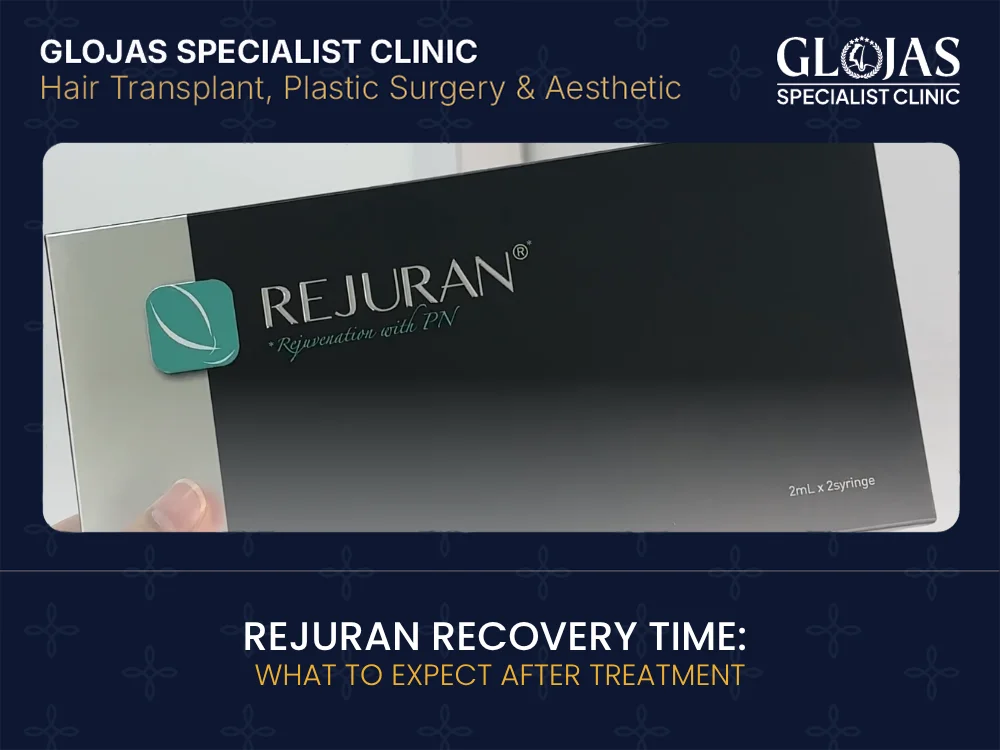
Rejuran Recovery: A Quick Overview If you’re planning a skin rejuvenation procedure, understanding Rejuran recovery is essential. Rejuran is known for improving skin texture, elasticity, and healing—but like any injectable treatment, it comes with a short recovery period. The good news? Rejuran Recovery is generally minimal and manageable for most patients. What Is Rejuran and How Does It Work? Rejuran is an injectable treatment made from polynucleotides (PN), which are derived from salmon DNA. How It Works: Stimulates skin repair and regeneration Boosts collagen production Improves skin elasticity and hydration Unlike fillers, Rejuran focuses on healing the skin from within rather than adding volume. Why Does Rejuran Recovery Have Downtime? Although minimally invasive, Rejuran involves multiple micro-injections into the skin. This can cause: Temporary swelling Redness Small bumps at injection sites These effects are part of the natural healing process as your skin begins to regenerate. Rejuran Recovery Timeline Recovery varies slightly depending on skin type and treatment intensity, but most patients follow a predictable timeline. Day 1: Immediately After Treatment Right after your session, your skin may look visibly affected. What to Expect: Redness Swelling Small raised bumps (papules) Mild sensitivity These bumps are normal and usually resolve within 24–48 hours. Day 2–3: Early Healing Phase Your skin begins to calm down. Changes: Redness starts to fade Swelling reduces Bumps flatten You may still notice slight uneven texture, but it’s temporary. Day 4–7: Visible Improvement By this stage, most side effects have subsided. What Happens: Skin feels smoother Minimal redness remains Hydration improves Makeup can usually be applied after the first 24–48 hours if approved by your provider. Week 2–4: Skin Regeneration Phase This is when Rejuran starts delivering its real benefits. Results: Improved skin texture Increased elasticity Healthier skin tone Collagen production continues beneath the surface. Month 1–3: Full Results Develop The final outcome becomes more noticeable over time. Long-Term Effects: Firmer skin Reduced fine lines Enhanced glow Results improve gradually as your skin regenerates. Common Side Effects During Rejuran Recovery Rejuran Recovery is generally mild, but you may experience: Redness Swelling Bruising Small bumps These are temporary and typically resolve within a few days. How to Speed Up Rejuran Recovery 1. Avoid Touching Your Face This reduces the risk of irritation or infection. 2. Stay Hydrated Hydration supports skin healing and regeneration. 3. Use Gentle Skincare Avoid harsh products like exfoliants or retinoids during early recovery. 4. Protect Your Skin from Sun Exposure Use sunscreen to prevent irritation and pigmentation. 5. Follow Aftercare Instructions Always follow your provider’s advice for the best results. What to Avoid After Rejuran To ensure smooth recovery, avoid: Heavy exercise for 24–48 hours Saunas and hot environments Alcohol consumption Aggressive skincare treatments These can worsen swelling or delay healing. Is Rejuran Recovery Painful? For most people, Rejuran Recovery are very manageable. While it is an injectable procedure, the level of discomfort is generally considered mild and short-lived. What Does It Feel Like During Treatment? During the procedure, you may experience: Slight stinging or pricking sensations as the injections are administered A mild pressure feeling in more sensitive areas like the under-eye Because Rejuran is delivered through multiple micro-injections, the sensation can feel repetitive—but not typically intense. To improve comfort, clinics usually apply a topical numbing cream beforehand. This significantly reduces sensitivity, making the treatment much easier to tolerate even for first-timers. What About After the Procedure? After your session, it’s normal to notice some temporary, mild discomfort such as: Mild tenderness in the treated areas Slight swelling or small bumps at injection points Occasional redness These effects are part of the skin’s natural response to the injections and usually subside within a few hours to a couple of days. Pain vs Downtime: What to Expect It’s important to distinguish between pain and downtime: Pain level: Generally low and well-controlled with numbing cream Downtime: Minimal, but you may have visible bumps or redness for 1–3 days Most patients are able to resume daily activities immediately after treatment. Tips to Minimize Discomfort To make your experience even more comfortable: Avoid alcohol and blood-thinning supplements before treatment Follow post-care instructions carefully (e.g., avoid touching or massaging the area) Use gentle skincare for a few days after the procedure How Many Sessions Are Needed? For optimal results, multiple sessions are usually recommended. Typical Plan: 3–4 sessions Spaced 3–4 weeks apart Your provider will tailor the plan based on your skin condition. Rejuran vs Other Skin Treatments Compared to Fillers Unlike dermal fillers made with Hyaluronic acid: Rejuran improves skin quality Fillers add volume Compared to Laser Treatments Rejuran Recovery is less Lasers may involve peeling and longer recovery Who Is a Good Candidate? Rejuran is designed for individuals who want to improve their skin quality from within—rather than relying on surface-level treatments. It works by stimulating natural skin repair, making it suitable for a wide range of people with different skin concerns. Ideal Candidates for Rejuran Rejuran is particularly suitable for individuals who: 1. Have Dull or Aging SkinIf your skin looks tired, uneven, or has lost its natural glow, Rejuran can help restore vitality. It promotes skin regeneration, making it effective for: Fine lines and early wrinkles Loss of elasticity Rough or uneven skin tone 2. Want to Improve Skin TextureThose struggling with acne scars, enlarged pores, or uneven skin surface may benefit from Rejuran’s healing properties. Over time, it helps smooth and refine the skin by repairing damaged tissue. 3. Prefer Non-Surgical TreatmentsRejuran is a minimally invasive injectable treatment, making it ideal for individuals who: Want noticeable results without surgery Prefer little to no downtime Are looking for gradual, natural-looking improvements Common Treatment Areas Rejuran is versatile and can be used on multiple areas of the face and body: FaceThe most common treatment area. It improves overall skin quality, hydration, and elasticity—giving a smoother, more youthful appearance. NeckOften overlooked, the neck can show early signs of aging. Rejuran helps improve skin firmness and reduce fine lines in this delicate area. Under-Eye AreaThis is
Choosing the Right Provider for Shockwave Therapy
Shockwave Therapy Provider: Why Your Choice Matters Selecting the right Shockwave Therapy Provider is one of the most important decisions you’ll make when seeking treatment for Erectile Dysfunction. While shockwave therapy is non-invasive and generally safe, results can vary significantly depending on the Shockwave Therapy Provider expertise, technology, and treatment approach. In this guide, you’ll learn how to evaluate clinics, avoid common pitfalls, and choose a provider who prioritizes both safety and results. What Does a Shockwave Therapy Provider Do? A shockwave therapy provider is typically a trained medical professional—often working in Urology or men’s health—who delivers low-intensity extracorporeal shockwave therapy (Li-ESWT). Their Role Includes: Assessing your condition and medical history Determining if you’re a suitable candidate Administering the treatment using specialized equipment Monitoring progress and adjusting protocols A qualified Shockwave Therapy Provider doesn’t just perform the procedure—they guide your entire treatment journey. Why Choosing the Right Shockwave Therapy Provider Is Critical Not all Shockwave Therapy Provider offer the same level of care. Your results can depend heavily on: 1. Accuracy of Diagnosis ED is not a one-size-fits-all condition. A good Shockwave Therapy Provider identifies whether your ED is: Vascular (most suitable for shockwave therapy) Hormonal Psychological Neurological Without proper diagnosis, treatment may be ineffective. 2. Treatment Customization Top providers tailor protocols based on: Severity of Erectile Dysfunction Blood flow quality Overall health Avoid clinics offering “one-size-fits-all” packages without evaluation. 3. Technology Used The type of shockwave device matters significantly. High-quality providers use: Medical-grade, evidence-based machines Devices with controlled energy delivery Lower-cost clinics may use: Outdated or low-energy devices Non-medical or cosmetic-grade equipment Key Qualities of a Trusted Shockwave Therapy Provider 1. Medical Credentials and Experience Look for providers with: Background in Urology or sexual medicine Experience treating ED specifically Proper certifications and training 2. Evidence-Based Approach A reputable provider should: Follow established clinical protocols Reference scientific studies Provide realistic expectations Be cautious of exaggerated claims like “guaranteed results.” 3. Comprehensive Consultation A proper consultation should include: Detailed medical history review Physical or diagnostic assessment Honest discussion of outcomes If a clinic skips this step, it’s a red flag. 4. Transparent Pricing A trustworthy provider will: Clearly explain costs upfront Offer structured treatment plans Avoid hidden fees 5. Positive Patient Reviews Look for: Verified testimonials Consistent feedback on results and professionalism Before-and-after experiences (when appropriate) Questions to Ask Before Choosing a Provider Before committing to shockwave therapy, it’s important to ask the right questions—not just to gather information, but to assess the provider’s expertise, honesty, and approach to patient care. A reputable clinic will welcome your questions and answer them clearly, without hesitation. 1. What Is Your Experience with Shockwave Therapy for ED? Experience matters more than marketing claims. Ask: How long have you been offering this treatment? How many ED patients have you treated? Do you specialize in men’s health or Urology? Providers with focused experience are more likely to tailor treatment protocols and handle different patient profiles effectively. 2. What Type of Device Do You Use? Not all shockwave devices are created equal. This is a critical question many patients overlook. You can ask: Is the device low-intensity extracorporeal shockwave therapy (Li-ESWT)? Is it clinically studied or approved for medical use? How does it differ from radial wave or acoustic wave devices? Clinics grounded in Regenerative Medicine typically use evidence-based equipment, not just aesthetic or repurposed machines. 3. How Many Sessions Will I Need? Treatment plans should never be vague. A professional provider will: Recommend a structured protocol (commonly 6–12 sessions) Adjust based on your condition, age, and response Explain the expected timeline for results Be cautious if a clinic gives a fixed number without assessment or promises instant improvement. 4. What Success Rates Do You Typically See? Instead of broad claims like “90% success,” ask for context: What defines “success” (improvement vs full recovery)? Are results based on internal data or published studies? How do outcomes vary for mild vs severe cases? Credible providers rely on data, not hype, and will explain that results vary depending on individual health factors. 5. Are There Any Risks or Side Effects? Even though shockwave therapy is considered low-risk, transparency is key. Ask: What are the common side effects (e.g., mild discomfort, temporary redness)? Who may not be suitable for this treatment? What happens if I don’t respond to therapy? Clinics aligned with standards from bodies like the Malaysian Medical Council will always disclose both benefits and limitations. What These Answers Reveal The goal isn’t just to get answers—it’s to evaluate how they’re answered. A credible provider will: Speak clearly without overpromising Support claims with clinical reasoning or data Personalize recommendations based on your condition If responses feel rushed, vague, or overly sales-driven, that’s a sign to reconsider. In healthcare, the right provider doesn’t just offer treatment—they provide clarity, confidence, and trust before you even begin. Red Flags to Watch Out For Not all clinics operate at the same standard. Be cautious if you notice: 1. Unrealistic Promises Claims like: “100% cure rate” “Instant results after one session” These are not supported by research. 2. Extremely Low Prices While affordability matters, unusually cheap services may indicate: Inexperienced staff Inferior equipment Incomplete protocols 3. No Medical Assessment Skipping evaluation increases the risk of ineffective treatment. 4. High-Pressure Sales Tactics Avoid clinics that: Push immediate payment Offer “limited-time” pressure deals Types of Providers Offering Shockwave Therapy 1. Urology Clinics Specialists in Urology offer: Medical expertise Comprehensive ED diagnosis Integrated treatment plans 2. Men’s Health Clinics Focused on male wellness, these clinics often provide: Holistic treatment options Lifestyle guidance Combination therapies 3. Aesthetic Clinics Some aesthetic centers offer shockwave therapy, but: Not all are medically specialized Quality and expertise can vary widely Should You Choose a Specialist or General Provider? Specialist (Urologist or Men’s Health Doctor) Pros: Accurate diagnosis Higher treatment precision Better handling of complex cases Cons: Higher cost General Provider (Aesthetic or Wellness Clinic) Pros: More affordable Convenient access Cons: May lack specialized expertise The Importance of Personalized Treatment Plans A
Shockwave Therapy Success Rates for ED
Shockwave Therapy Success Rates: What Do Studies Really Show? When researching Shockwave Therapy Success Rates, most men want a clear answer: does it actually work for Erectile Dysfunction? The evidence so far is promising—but not one-size-fits-all. Success rates vary depending on the cause of ED, overall health, and treatment protocol. In this guide, we break down realistic expectations, clinical findings, and who is most likely to benefit. What Is Shockwave Therapy for ED? Shockwave therapy—also known as low-intensity extracorporeal shockwave therapy (Li-ESWT)—is a non-invasive treatment designed to improve penile blood flow. Unlike medications such as Sildenafil or Tadalafil, which provide temporary support, shockwave therapy targets the underlying vascular issue. How It Works Shockwave therapy for Erectile Dysfunction (ED) is designed to address the root cause of the condition—most commonly poor blood flow—rather than simply masking symptoms. It uses advanced technology to trigger the body’s natural healing response, making it a regenerative treatment rather than a temporary aid. Delivers Low-Intensity Acoustic Waves The procedure uses low-intensity extracorporeal shockwave therapy (Li-ESWT), which delivers controlled acoustic waves directly to targeted areas of the penis. These sound waves are not electrical and do not cause pain or tissue damage when applied correctly. Instead, they create micro-mechanical stress within the tissue. This gentle stimulation acts as a signal to the body that repair is needed, activating a cascade of biological responses. The treatment is typically performed in short sessions and does not require anesthesia or downtime. Stimulates New Blood Vessel Formation (Angiogenesis) One of the most important effects of shockwave therapy is the promotion of Angiogenesis—the formation of new blood vessels. The acoustic waves trigger the release of growth factors such as: Vascular Endothelial Growth Factor (VEGF) Endothelial Nitric Oxide Synthase (eNOS) These signaling molecules help repair damaged blood vessels and encourage the development of new microvascular networks. Over time, this improves the structural integrity of penile tissue and enhances its ability to support natural erections. Enhances Circulation in Erectile Tissue Healthy erectile function depends on strong and consistent blood flow. By repairing and regenerating blood vessels, shockwave therapy significantly improves circulation within the corpus cavernosum (erectile tissue of the penis). Improved circulation leads to: Better oxygen delivery to tissues Increased responsiveness to sexual stimulation Stronger and more sustainable erections This is especially beneficial for men with vasculogenic ED, where restricted blood flow is the primary issue. What Are the Average Shockwave Therapy Success Rates? General Clinical Findings Across multiple studies in Urology, shockwave therapy shows: 60%–80% improvement rate in men with mild to moderate ED Higher success in patients with vascular-related ED Lower response in severe or nerve-related cases What “Success” Actually Means Success doesn’t always mean a complete cure. It often includes: Improved erection quality Better response to medications Increased spontaneity Reduced dependence on pills Factors That Affect Shockwave Therapy Success Rates 1. Underlying Cause of ED The most important factor. Best outcomes: Poor blood flow (vascular ED) Lower Shockwave Therapy success rates: Severe nerve damage Post-surgical ED Advanced diabetes-related ED 2. Severity of the Condition Mild ED: Highest Shockwave Therapy success rates (up to 80%) Moderate ED: Moderate Shockwave Therapy Success Rates (60–70%) Severe ED: Lower Shockwave Therapy Success Rates (30–50%) Early treatment generally leads to better results. 3. Age and Overall Health Younger, healthier individuals tend to respond better. Key influencing factors: Cardiovascular health Smoking status Obesity Exercise habits 4. Treatment Protocol Not all shockwave therapy is the same. Typical protocol: 2 sessions per week 3–6 weeks duration Total: 6–12 sessions Clinics using optimized protocols often report better outcomes. 5. Technology and Provider Expertise Success depends heavily on: Quality of the device Experience of the practitioner Proper patient selection Choosing a reputable clinic matters more than price. Clinical Evidence: What Research Says Studies published in leading journals in Urology indicate: Significant improvement in erectile function scores Sustained benefits lasting 6–12 months or longer Minimal side effects Some meta-analyses suggest that Li-ESWT can restore natural erectile function in selected patients—not just improve symptoms. How Long Do Results Last? One of the biggest advantages of shockwave therapy is durability. Typical Duration of Results 6 to 12 months (common) Longer with maintenance sessions Maintenance Therapy Some patients benefit from: Booster sessions every 6–12 months This helps maintain blood flow improvements over time. Can Shockwave Therapy Replace ED Medications? In some cases, yes—but not always. Possible Outcomes: Full independence from medication (in responders) Lower dosage needed for drugs like Sildenafil Improved response to Tadalafil This is especially true for men who previously had a partial response to medication. Who Is the Best Candidate? Shockwave therapy is not a one-size-fits-all solution, but it can be highly effective for the right group of patients—especially when the underlying cause of Erectile Dysfunction (ED) is related to blood flow rather than nerve damage or structural issues. Ideal Candidates for Shockwave Therapy Shockwave therapy tends to deliver the best outcomes for men who fall into the following categories: 1. Mild to Moderate EDMen experiencing early or moderate stages of ED often respond more positively. At this stage, the blood vessels are typically still capable of repair and regeneration, which is exactly what shockwave therapy aims to stimulate. 2. Vascular-Related EDThis treatment is particularly effective for individuals with vasculogenic ED, where reduced blood flow to the penis is the primary issue. Shockwave therapy works by promoting angiogenesis (the formation of new blood vessels), helping restore natural erectile function over time. 3. Those Seeking a Non-Invasive OptionPatients who prefer to avoid medications, injections, or surgery often choose shockwave therapy because it is: Non-invasive Drug-free Requires no downtime This makes it an appealing option for individuals looking for a more natural and low-risk approach. 4. Patients Wanting Long-Term ImprovementUnlike oral medications that provide temporary results, shockwave therapy focuses on improving the underlying cause of ED. This makes it ideal for men who want sustainable, long-term benefits rather than short-term symptom relief. 5. Partial Responders to ED MedicationsMen who have tried medications like PDE5 inhibitors (e.g., sildenafil) but achieved only partial results may
Pubertal Gynecomastia: What Every Teen and Parent Needs to Know
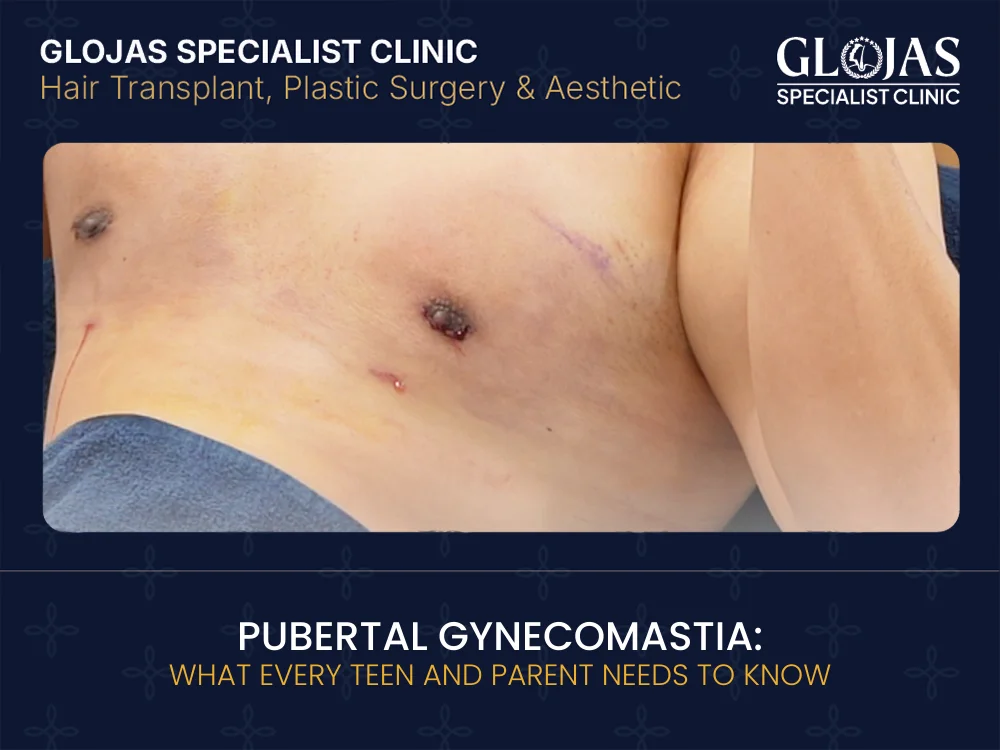
Pubertal gynecomastia is a common condition affecting many teenage boys during puberty. This guide breaks down what it is, why it happens, how it’s diagnosed, and when to seek help — all in an easy‑to‑understand, factual way for teens and families. Understanding Pubertal Gynecomastia Pubertal gynecomastia refers to the benign enlargement of male breast tissue during adolescence. It is usually seen between ages 12–18 and happens because of natural hormonal changes involving estrogen and testosterone during puberty. Though it can feel worrying, it is typically temporary and not a sign of serious illness. What Is Gynecomastia? Gynecomastia is the medical term for benign breast tissue growth in males. It differs from pseudogynecomastia, which involves mostly fat accumulation without glandular enlargement. In pubertal gynecomastia, the growth is due to increased breast gland tissue, not just fat. Key Entities in Pubertal Gynecomastia Breast gland tissue Hormones (estrogen, testosterone) Endocrine system Mammary ducts & lobules Why It Happens: Hormonal Causes During puberty, boys experience shifts in hormone levels. Normally, testosterone levels rise, but for a period, estrogen (the hormone often associated with breast growth) can also temporarily increase or become more active relative to testosterone. This hormone imbalance can trigger the growth of breast tissue. Signs and Symptoms Pubertal gynecomastia is a common condition during adolescence, usually caused by temporary hormonal imbalances—specifically, a relative increase in estrogen compared to testosterone. Recognizing the signs early can help distinguish it from other conditions that may require medical attention. Typical signs include: Swelling around the nipple area – This is often the first noticeable change. The tissue directly beneath the nipple may appear enlarged or puffy. Firm or rubbery tissue under the areola – Unlike general fat accumulation, the growth in gynecomastia feels firm or rubbery to the touch. It is usually concentric around the nipple. Unilateral or bilateral enlargement – Gynecomastia may affect just one breast (unilateral) or both breasts (bilateral). In some cases, one side may be slightly larger than the other. Mild tenderness or sensitivity – Some adolescents experience discomfort, soreness, or tenderness, particularly when touched or during physical activity. Other less common symptoms may include: Slight asymmetry as the tissue develops unevenly Occasional itching or tingling around the nipple due to stretching skin Timeline: Symptoms usually peak within 6–12 months after onset and tend to gradually resolve over 1–2 years as hormone levels stabilize during puberty. In most cases, the swelling diminishes naturally without medical intervention, though persistent or severe cases may require evaluation by a healthcare professional. Common Ages and Who Gets It Pubertal gynecomastia is a very common phenomenon during adolescence, affecting a substantial proportion of boys. Studies suggest that up to 65% of adolescent males may experience some degree of breast tissue enlargement during puberty. Typical age range: Most cases appear between ages 13 and 16, which corresponds with the rapid hormonal changes of early to mid-adolescence. In some boys, gynecomastia may develop slightly earlier (11–12 years) or later (17–18 years), depending on the timing of puberty and individual growth patterns. Who is more likely to develop it: Rapid pubertal changes: Boys who experience fast growth or sudden hormonal shifts are more prone to temporary breast tissue enlargement. Body composition: Higher body fat can make breast tissue more noticeable. In some cases, what appears as gynecomastia may be a combination of fatty tissue and glandular growth, sometimes called “pseudo-gynecomastia.” Family history: Genetics can play a role. If a father, brother, or other close male relatives experienced pubertal gynecomastia, there may be a higher likelihood of occurrence. Certain medications or supplements: Drugs such as some anti-androgens, steroids, or medications for acne, heart conditions, or mental health, as well as herbal supplements containing phytoestrogens, can contribute to breast tissue growth in boys. Key point: Pubertal gynecomastia is generally temporary and self-limiting, with most cases resolving within 1–2 years as hormone levels stabilize. While it can affect boys of different ages and body types, awareness of risk factors can help parents and teens distinguish normal development from conditions that require medical evaluation. How Doctors Diagnose Pubertal Gynecomastia An evaluation usually includes: Medical history review — questions about onset, pain, medications. Physical exam — checking breast tissue size and consistency. Hormone tests — if atypical symptoms occur. Imaging (rarely) — ultrasound or mammogram to rule out other causes. Diagnosis focuses on distinguishing true glandular growth from fat tissue or rare serious conditions. When to Seek Medical Advice While pubertal gynecomastia is usually a normal, temporary condition that resolves on its own, it’s important to monitor changes carefully. You should contact a healthcare provider if any of the following occur: Rapid or severe breast enlargement – Sudden or pronounced growth may indicate an underlying hormonal imbalance or other medical condition that requires evaluation. Significant pain or discomfort – Mild tenderness is common, but severe pain, persistent soreness, or discomfort that interferes with daily activities should be assessed by a doctor. Hard, fixed lumps or irregular masses – Most pubertal gynecomastia feels soft or rubbery, so firm, immovable lumps may signal other conditions, including tumors, that need prompt medical attention. Signs of infection – Redness, warmth, swelling, or discharge from the nipple can indicate an infection or inflammation and should not be ignored. Symptoms persisting beyond 2 years – If breast tissue does not regress naturally after a couple of years, evaluation is recommended to rule out persistent hormonal imbalances or other causes. Hormone-related symptoms – Delayed or early puberty, unusual growth patterns, or changes in body hair may suggest an underlying endocrine issue that requires investigation. Additional Considerations:Even though most cases of pubertal gynecomastia are harmless, seeking advice can provide reassurance and guidance on management, lifestyle adjustments, or treatment if necessary. A healthcare provider may perform: Physical examination Hormonal testing Imaging (e.g., ultrasound) if a lump is suspicious Bottom line: Medical consultation is recommended whenever there is uncertainty, rapid changes, or persistent discomfort, as early assessment can prevent complications and ease anxiety. Treatments and Management Options In many cases, no active treatment is
Cost of Shockwave Therapy for ED
Understanding the Cost of Shockwave Therapy If you’re researching treatment options for Erectile Dysfunction, one of the most common questions is about the cost of shockwhttps://glojasaesthetic.com/body-blog/erectile-dysfunction/ave therapy. This modern, non-invasive treatment has gained attention for its ability to improve blood flow naturally—but pricing can vary significantly depending on several factors. In this guide, we’ll break down everything you need to know about pricing, what influences it, and whether it’s worth the investment. What Is Shockwave Therapy for ED? Shockwave therapy, also known as Low-Intensity Extracorporeal Shockwave Therapy (Li-ESWT), uses acoustic waves to stimulate blood vessel growth and improve circulation in penile tissue. Unlike medications such as Viagra or Cialis, this treatment targets the root cause—poor blood flow—rather than providing temporary results. Average Cost of Shockwave Therapy for ED The cost of shockwave therapy typically depends on location, clinic expertise, and treatment protocol. General Price Range Per session: $150 – $500 (RM700 – RM2,300) Full treatment course (6–12 sessions): $1,500 – $5,000+ (RM7,000 – RM23,000+) In Malaysia, pricing is often more competitive compared to Western countries, making it a popular destination for this therapy. What Factors Affect the Cost? 1. Number of Sessions Required Most patients require 6 to 12 sessions for optimal results. The more sessions needed, the higher the total cost. Factors influencing session count include: Severity of ED Underlying health conditions Age and vascular health 2. Severity of Erectile Dysfunction Mild to moderate cases usually require fewer sessions, making them more affordable. Severe cases—especially those linked to Diabetes or nerve damage—may require extended treatment plans. 3. Clinic Expertise and Technology Clinics using advanced, FDA-cleared or CE-certified devices often charge more due to: Better precision Higher success rates Enhanced safety protocols Experienced practitioners may also charge higher consultation fees. 4. Location of the Clinic Costs vary significantly depending on geography: Malaysia: More affordable, high-quality care United States / Europe: Higher due to operational costs Medical tourism hubs: Competitive pricing with premium services 5. Package Deals vs Pay-Per-Session Many clinics offer discounted packages when you commit to a full treatment plan upfront. Example: Single session: RM1,500 Package of 6 sessions: RM7,500 (savings of RM1,500) Is Shockwave Therapy Covered by Insurance? In most cases, shockwave therapy for ED is not covered by insurance because it is considered: An elective procedure Still emerging in some medical guidelines Patients typically pay out-of-pocket. Is the Cost Worth It? The value of shockwave therapy depends on your expectations and condition. Potential Benefits Non-invasive (no surgery or needles) Drug-free solution Long-term improvement in blood flow Minimal side effects Compared to Other Treatments Treatment Type Cost (Long-Term) Effect Duration Oral medications Ongoing expense Temporary Injections Moderate Short-term Shockwave therapy Higher upfront Long-term potential Over time, shockwave therapy may be more cost-effective compared to continuous medication use. How Many Sessions Will You Need? One of the most common questions about shockwave therapy for Erectile Dysfunction (ED) is how many sessions are required to see meaningful results. The answer isn’t one-size-fits-all—because every patient’s condition, health status, and treatment response are different. Typical Treatment Protocol In most clinical settings, a standard shockwave therapy plan follows a structured schedule: 2 sessions per week 3 to 6 weeks of treatment This results in a total of approximately: 6 to 12 sessions per full course Each session is usually short (around 15–20 minutes) and performed on an outpatient basis, meaning there’s no downtime required afterward. Why Multiple Sessions Are Necessary Shockwave therapy works by stimulating angiogenesis (the formation of new blood vessels) and improving blood flow over time. This is a gradual biological process, not an instant fix. Multiple sessions are needed to: Build cumulative therapeutic effects Encourage tissue repair and regeneration Achieve more stable and long-lasting improvements Skipping sessions or stopping early may reduce overall effectiveness. Factors That Influence Your Treatment Plan Your doctor will tailor the number of sessions based on several important factors: 1. Blood Flow QualityPatients with mild to moderate vascular ED often respond faster and may require fewer sessions. Poorer blood circulation may need a longer course. 2. Medical HistoryUnderlying conditions such as diabetes, hypertension, or cardiovascular disease can affect how well and how quickly you respond to treatment. 3. Severity of EDMore advanced or long-standing ED typically requires more sessions to achieve noticeable improvement. 4. Response to Previous TreatmentsIf you’ve had partial success with medications or other therapies, shockwave therapy may be more effective—sometimes with fewer sessions needed. 5. Age and Lifestyle FactorsSmoking, obesity, stress levels, and physical activity can all influence treatment outcomes and duration. Can the Number of Sessions Be Adjusted? Yes. Treatment plans are often flexible and responsive. Your doctor may: Extend the number of sessions if progress is slower than expected Recommend maintenance sessions after the initial course Combine shockwave therapy with other treatments for enhanced results Regular monitoring ensures that the therapy is optimized for your specific condition. Are There Hidden Costs? Before committing, ask your clinic about: Consultation fees Follow-up sessions Maintenance treatments Additional therapies (if needed) Transparency is key when evaluating the true cost of shockwave therapy. Can You Combine Shockwave Therapy with Other Treatments? Yes—and combining treatments is increasingly common. Examples include: Shockwave therapy + oral medications Shockwave therapy + lifestyle changes Hormonal therapy (if testosterone is low) Combination approaches may improve results, especially in complex cases. Tips to Get the Best Value for Cost of Shockwave Therapy To maximize your investment: Choose a reputable clinic with proven results Ask about package pricing Complete the full treatment plan Maintain a healthy lifestyle Improving cardiovascular health can significantly enhance outcomes. Cost of Shockwave Therapy in Malaysia Malaysia has steadily positioned itself as a leading destination for treating Erectile Dysfunction (ED), particularly with advanced, non-invasive options like shockwave therapy. One of the biggest reasons is the balance between affordability and quality care. Why Malaysia Offers Competitive Pricing Several factors contribute to the relatively lower cost of shockwave therapy in Malaysia: Lower operational costs compared to Western countries Favorable currency exchange rates for international patients A highly developed private healthcare sector
Side Effects and Safety of Shockwave Therapy for ED

Understanding Side Effects Shockwave Therapy If you’re considering treatment for Erectile Dysfunction, it’s natural to ask about side effects shockwave therapy and whether the procedure is truly safe. Shockwave therapy has gained popularity as a non-invasive, drug-free option—but like any medical treatment, understanding its risks, limitations, and safety profile is essential before making a decision. This guide explains what to expect, who it’s suitable for, and how safe it really is based on current clinical insights. What Is Shockwave Therapy for ED? Shockwave therapy—medically known as Low-Intensity Extracorporeal Shockwave Therapy (Li-ESWT)—uses low-intensity acoustic waves to stimulate blood vessel formation and improve circulation in penile tissue. Unlike medications such as Viagra or Cialis, which provide temporary results, shockwave therapy aims to address the underlying vascular cause of ED. Is Shockwave Therapy Safe? Overall, shockwave therapy is widely considered safe when performed by trained medical professionals using approved, medical-grade devices. It has been studied extensively in fields like urology, orthopedics, and sports medicine, and has developed a strong safety profile when used appropriately. Why It’s Considered Safe Several factors contribute to the safety of shockwave therapy, especially for conditions like erectile dysfunction: 1. Non-Invasive TreatmentShockwave therapy does not involve surgery, incisions, or needles. The procedure uses low-intensity acoustic waves applied externally to the skin, which reduces the risk of complications such as infection or bleeding. 2. No Anesthesia RequiredUnlike many medical procedures, shockwave therapy does not require local or general anesthesia. This eliminates anesthesia-related risks, making it suitable for a broader range of patients, including those who may not tolerate sedation well. 3. Minimal DowntimeOne of the key advantages is the ability to return to normal daily activities immediately after treatment. There is no recovery period, hospital stay, or post-procedure restrictions in most cases. 4. Clinically Studied with a Strong Safety ProfileLow-intensity shockwave therapy has been evaluated in multiple clinical studies, particularly for vascular-related erectile dysfunction. These studies consistently show a low incidence of Side Effects Shockwave Therapy and good overall tolerability among patients. What Do Patients Typically Experience? Most patients report little to no discomfort during the procedure. The sensation is often described as mild tingling or tapping. Because the treatment is gentle and controlled, adverse reactions are uncommon. After treatment, patients can typically: Resume work and daily routines immediately Engage in normal physical activity Continue other prescribed therapies if recommended by their doctor Importance of Professional Evaluation Even though the procedure is safe, it is not a one-size-fits-all solution. A proper medical assessment is essential to determine whether shockwave therapy is appropriate for your condition and health status. Factors such as underlying causes, severity of symptoms, and overall health can influence both safety and effectiveness. Common Side Effects Shockwave Therapy The good news: Side Effects Shockwave Therapy are typically mild and temporary. 1. Mild Discomfort During Treatment Some patients may feel: Light tingling Slight discomfort A tapping sensation These sensations are generally well tolerated and do not require pain relief. 2. Temporary Redness or Sensitivity After treatment, you might notice: Mild redness Slight skin sensitivity Warm sensation in the treated area These effects usually resolve within a few hours. 3. Minor Bruising (Rare) In rare cases, mild bruising may occur, especially in individuals with sensitive skin or underlying conditions. 4. No Systemic Side Effects Unlike oral medications, shockwave therapy does not typically cause systemic side effects such as: Headaches Flushing Digestive issues This makes it a preferred option for patients who cannot tolerate medications. Are There Serious Risks? Serious complications are extremely rare when the procedure is done correctly. However, risks may increase if: The provider lacks experience Incorrect settings or devices are used The patient has contraindicated conditions This is why choosing a qualified clinic is critical. Who Should Avoid Shockwave Therapy? While generally safe, shockwave therapy may not be suitable for everyone. Not Ideal Candidates Include: Individuals with severe nerve damage Patients with advanced cases of Diabetes affecting penile tissue Those with active infections or open wounds Patients with bleeding disorders or on anticoagulant therapy A proper medical evaluation is necessary before starting treatment. How Does It Compare to Other ED Treatments? Understanding safety means comparing it with alternatives. Oral Medications Fast-acting Temporary results Possible systemic side effects Injections Effective for many patients Can cause discomfort Risk of prolonged erections (medical emergency) Shockwave Therapy Targets root cause Minimal side effects Long-term improvement potential For many, the reduced side effect profile is a major advantage. What Do Clinical Studies Say? Clinical research on shockwave therapy—particularly low-intensity extracorporeal shockwave therapy (Li-ESWT) for erectile dysfunction—consistently supports its safety and tolerability across a wide range of patient groups. Over the past decade, multiple clinical trials, systematic reviews, and meta-analyses have evaluated both short-term and long-term outcomes, with reassuring findings. 1. Strong Safety Record Across StudiesMost published studies report a very low incidence of complications. Unlike invasive treatments, shockwave therapy does not carry risks such as infection, scarring, or anesthesia-related issues. Clinical trials conducted in urology settings have repeatedly demonstrated that adverse events are rare and typically mild when they do occur. 2. Well Tolerated by Most PatientsPatient tolerance is a key factor highlighted in research. The majority of participants in clinical studies complete their full course of treatment without interruption. Reported discomfort levels are generally low, and many patients describe the sensation as manageable without the need for pain relief. This high tolerability contributes to better compliance and overall treatment experience. 3. Minimal and Transient Adverse EffectsWhen side effects are reported in clinical literature, they are usually mild and temporary. These may include slight redness, minor swelling, or brief discomfort at the treatment site. Importantly, studies show that these effects resolve quickly without medical intervention and do not lead to long-term complications. 4. Consistency Across Different Patient GroupsClinical findings are consistent across various demographics, including men with mild to moderate vascular erectile dysfunction and those with underlying conditions such as diabetes or cardiovascular risk factors. While effectiveness may vary depending on severity and cause, the safety profile remains stable across these
What to Expect During a Shockwave Therapy Session
Understanding Your First Shockwave Therapy Session ED Experience If you’re considering treatment for Erectile Dysfunction, you’ve probably come across Shockwave Therapy Session ED as a modern, non-invasive option. But what actually happens during a session? This guide walks you through the entire experience—from preparation to results—so you know exactly what to expect, how it feels, and whether it’s right for you. What Is Shockwave Therapy for ED? Shockwave therapy, also known as low-intensity extracorporeal shockwave therapy (Li-ESWT), is a non-invasive treatment designed to improve blood flow to the penis. Unlike medications that offer temporary support, this therapy targets the root cause—poor vascular function—by stimulating tissue repair and new blood vessel formation (a process called angiogenesis). It’s commonly recommended for men with mild to moderate vascular ED, especially those who want a long-term solution without surgery. How a Shockwave Therapy Session ED Works A typical session is straightforward and clinically structured. Here’s a breakdown: 1. Initial Consultation Before your first treatment, a doctor will assess your condition. This may include: Medical history review Discussion of symptoms Identifying underlying causes (e.g., diabetes, hypertension) This step ensures that shockwave therapy is suitable for your type of ED. 2. Preparation Before the Session The good news? Preparation is minimal. No fasting required No anesthesia needed No downtime planning necessary You’ll simply be asked to lie comfortably while the treatment area is prepared. 3. During the Procedure This is the core of your Shockwave Therapy Session ED experience. What happens: A handheld device is applied to different areas of the penis Low-intensity acoustic waves are delivered in pulses Multiple treatment points are targeted for optimal results How it feels: Mild tingling or tapping sensation Generally painless (no needles or incisions) Slight discomfort for some, but very tolerable Session duration: Typically 15–20 minutes per session 4. After the Session One of the biggest advantages is the lack of recovery time. You can return to normal activities immediately No medications or special care required No visible side effects in most cases Some men may experience mild redness or sensitivity, but this usually resolves quickly. How Many Shockwave Therapy Session ED Sessions Are Needed? Treatment isn’t a one-time event. A full course is essential for optimal results. Typical protocol: 6 to 12 sessions 2–3 sessions per week Maintenance sessions may be recommended Consistency plays a major role in treatment success. When Will You See Shockwave Therapy Session ED Results? Unlike fast-acting medications, shockwave therapy works gradually. Timeline: Early improvements: Within a few weeks Noticeable changes: After completing sessions Continued improvement: Up to 3 months post-treatment This gradual improvement reflects actual tissue healing rather than temporary symptom relief. Benefits of Shockwave Therapy for ED Here’s why many men are choosing this treatment: Non-Invasive Approach No surgery, injections, or medications required. Targets Root Cause Improves blood flow rather than masking symptoms. Long-Term Potential Results may last months or even years with proper maintenance. Minimal Side Effects Safe and well-tolerated for most patients. Who Is a Good Candidate? Shockwave therapy—particularly Low-Intensity Extracorporeal Shockwave Therapy (Li-ESWT)—is not a one-size-fits-all solution. It works best for specific types of Erectile Dysfunction, especially those related to blood flow rather than nerve damage or structural issues. Most Suitable Candidates You’re more likely to benefit from shockwave therapy if your condition is vascular in nature, meaning it’s caused by reduced blood flow to the penis. Ideal candidates typically include: Men with vascular EDThis is the most common type of erectile dysfunction, often linked to aging, high blood pressure, high cholesterol, or lifestyle factors. Shockwave therapy helps by stimulating new blood vessel formation (angiogenesis) and improving circulation. Those who respond partially to oral medicationsIf medications like Sildenafil or Tadalafil work inconsistently or require higher doses, shockwave therapy may enhance natural erectile function and reduce dependence on pills. Individuals seeking a natural, drug-free solutionBecause it targets the underlying cause rather than just symptoms, shockwave therapy is appealing for those who prefer a long-term, regenerative approach without ongoing medication use. May Be Less Effective For While shockwave therapy is promising, it may not be as effective in more complex or severe cases, such as: Severe nerve damageConditions involving nerve injury—such as spinal cord injuries—limit the body’s ability to respond to the treatment. Advanced diabetes-related EDLong-standing diabetes can damage both blood vessels and nerves, reducing the effectiveness of regenerative therapies. Post-surgical ED (depending on severity)Men who have undergone procedures like prostate surgery may experience ED due to nerve or tissue damage. Some may still benefit, but results are less predictable and often require combination therapy. Why Proper Assessment Matters Even if you fall into one of the “ideal” categories, outcomes can vary based on your overall health, severity of ED, and underlying causes. That’s why a professional evaluation is essential. A qualified practitioner will typically: Assess your medical history and risk factors Determine whether your ED is primarily vascular, neurological, or hormonal Recommend a personalized treatment plan, which may include combination therapy if needed Bottom Line Shockwave therapy is best suited for men with mild to moderate vascular erectile dysfunction who are looking for a safe, non-invasive, and drug-free treatment. However, the key to success lies in proper patient selection and expert guidance, ensuring the therapy is aligned with your specific condition and goals. Factors That Influence Treatment Success Even with the right candidate, outcomes can vary. Key factors include: Age Overall health Severity of ED Lifestyle habits (smoking, alcohol use, exercise) Presence of chronic conditions Healthy lifestyle changes can significantly enhance results. Comparing Shockwave Therapy vs Traditional ED Treatments Treatment Type Approach Duration Invasiveness Oral Medications Symptom relief Short-term Non-invasive Injections Direct stimulation Immediate Minimally invasive Surgery Structural correction Long-term Invasive Shockwave Therapy Tissue regeneration Long-term Non-invasive Shockwave therapy stands out by addressing the underlying vascular issue. Is Shockwave Therapy Safe? Yes, shockwave therapy—specifically Low-Intensity Extracorporeal Shockwave Therapy (Li-ESWT)—is widely considered safe when performed by trained and qualified medical professionals. It is a non-invasive treatment that uses low-energy sound waves to stimulate tissue repair and improve blood flow, making
How Many Sessions of Rejuran Do You Need?
Thinking about getting that famous “Salmon DNA” glow? Rejuran How Many Sessions have become a staple in Malaysian aesthetic clinics for anyone chasing cellular-level skin repair. Whether you’re battling acne scars or dullness, understanding the frequency and process of these treatments is key to achieving crystal-clear, resilient skin in 2026. GLOJAS Specialist Clinic offers effective Rejuran Healer Treatment to repair damaged skin, boost collagen, and reduce wrinkles naturally. Rejuran How Many Sessions? – Treatment Overview A Rejuran session involves the intradermal injection of Polynucleotides (PN), highly purified DNA fragments derived from wild salmon. Unlike traditional dermal fillers that add volume, these sessions focus on bio-regeneration. They physically “heal” your skin from the inside out by stimulating collagen production and repairing damaged extracellular matrices. How a Single Rejuran Session Works During one session, the PN molecules act as a scaffold for cell growth. They activate fibroblasts, the cells responsible for skin elasticity. This biological “remodeling” thickens the dermis, improves the skin barrier, and reduces inflammation, making it a powerful tool for those with sensitive or aging skin types. What Happens During a Typical Rejuran Appointment Your appointment starts with a thorough facial cleansing followed by a medical-grade numbing cream. Once the skin is desensitized, a certified aesthetic physician uses a fine needle or an injector gun to deliver micro-droplets of Rejuran across the target area. The entire process is efficient, sterile, and professional. Rejuran How Many Sessions Are Recommended? Consistency is the secret to Rejuran’s success. Because the treatment relies on your body’s natural healing cycle, a single visit usually isn’t enough for transformative results. Most Malaysian practitioners follow a structured protocol designed to “build up” your skin’s regenerative capacity over a series of initial appointments. Standard Protocol: 2 to 3 Initial Sessions For most patients, the “Golden Rule” is 3 initial sessions spaced roughly 3 to 4 weeks apart. This interval aligns with the natural 28-day skin cell turnover cycle. By the third session, the cumulative effect of the Polynucleotides leads to visible improvements in skin texture, hydration, and overall firmness. Maintenance Sessions Every 6 to 12 Months Once the initial “loading phase” is complete, you don’t need monthly visits. To sustain that youthful bounce, a single maintenance session every 6 to 12 months is typically recommended. This helps offset the natural aging process and environmental stressors like UV damage and pollution common in Malaysia. Rejuran Session Timeline by Skin Concern The number of sessions you’ll need often depends on your specific skin goals. While someone looking for a quick radiance boost might be happy after two visits, those dealing with deep structural issues like scarring will require a more intensive approach to see significant flattening and smoothing. Acne Scars and Large Pores – 3 to 4 Sessions Acne scarring requires deeper tissue remodeling. According to clinical dermatology research on PN, 3 to 4 sessions are often necessary to see a reduction in scar depth and pore size. The treatment stimulates “filling” from within, making it a safer alternative to aggressive lasers for some. Fine Lines and Wrinkles – 2 to 3 Sessions For early signs of aging, 2 to 3 sessions are usually sufficient. Rejuran Healer is particularly effective for the “crow’s feet” around the eyes and fine lines around the mouth. It restores elasticity to these thin-skin areas, providing a natural, “un-filled” look that lasts for months. Skin Barrier Repair – 2 Sessions Minimum If your skin is perpetually red, dry, or sensitive, you likely have a compromised barrier. Two sessions can significantly boost skin thickness and moisture retention. By strengthening the dermal layers, Rejuran helps the skin defend itself against irritants, reducing long-term sensitivity and inflammatory flare-ups. Overall Skin Rejuvenation – 2 to 3 Sessions For general “glass skin” goals, 2 to 3 sessions provide a comprehensive glow. This protocol balances hydration with texture refinement. Most patients report that their makeup sits better and their skin looks “rested” and luminous even without high-end topical serums or expensive daily routines. What to Expect Before, During, and After Each Rejuran How Many Sessions Knowing what happens at each stage helps alleviate anxiety. Rejuran is a medical procedure, so following Ministry of Health (MOH) Malaysia guidelines regarding sterile environments and qualified practitioners is vital for a complication-free experience and the best possible aesthetic outcome. Pre-Session Preparation Tips Avoid blood-thinning supplements like Vitamin E, Ginkgo Biloba, or Fish Oil for at least 3 days before your session to minimize bruising. It’s also wise to stop using strong actives like Retinoids or AHA/BHA exfoliants 48 hours prior to prevent unnecessary skin irritation during the injection process. The Procedure – Numbing, Injection, and Duration After 20–30 minutes of numbing, the actual injections take about 15 to 20 minutes. You might feel a slight “stinging” or pressure as the gel enters the dermis. Many modern clinics in KL now use synchronized injector devices that deliver precise doses with minimal discomfort compared to manual hand-injections. Immediate Post-Session Recovery Immediately after, you will notice small “bumps” or papules at the injection sites. This is perfectly normal! These bumps contain the Rejuran gel and typically disappear within 24 to 48 hours as the material absorbs. You may also experience mild redness, similar to a light sunburn, which fades quickly. Full Healing and Results Timeline Days 1-3: Bumps subside; skin feels slightly tighter. Week 1-2: Hydration levels improve; skin feels smoother. Month 1: Texture refinement begins to show. Month 3 (Post-3rd Session): Peak results with visible lifting, scar reduction, and a radiant complexion. Rejuran How Many Sessions Costs in Malaysia Price transparency is important for planning your skincare journey. In Malaysia, Rejuran is considered a premium injectable. Costs can vary depending on the clinic’s location—Kuala Lumpur and Bangsar often have higher overheads—and the seniority of the NSR-registered dermatologist performing the procedure. Price Per Session – Average Range A single session of Rejuran Healer (usually 2ml) typically costs between RM 1,200 and RM 2,000. Some clinics may offer “lite” versions or targeted eye treatments (Rejuran I) at a