
Liposuction Myths in Malaysia: Common Misconceptions vs Facts
Thinking about getting liposuction in Malaysia? You aren’t alone. With the rise of aesthetic tourism, many are looking for body contouring. However, a sea of liposuction myths can make the decision confusing. Let’s separate the tall tales from the medical truth to help you plan your journey.
GLOJAS Specialist Clinic offers expert consultation for trusted liposuction Malaysia, helping patients prepare safely, understand the procedure, and achieve confident body contouring results.
Why Liposuction Myths Exist
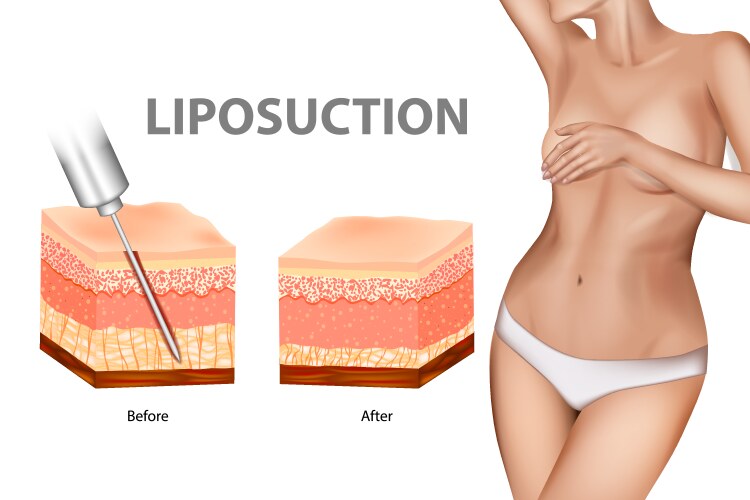
Misconceptions often stem from a lack of medical literacy regarding cosmetic surgery. In a world where everyone wants a “quick fix,” the actual science of fat removal gets buried under hype, marketing, and outdated anecdotes from decades ago.
Misinformation from Social Media
Platforms like TikTok and Instagram often showcase “miracle” transformations. These viral clips frequently omit the recovery process or the use of filters. This creates a skewed reality where followers believe liposuction is a simple, magic wand solution rather than a surgical procedure.
Unrealistic Expectations
Many people view liposuction as a way to completely change their body type overnight. Without proper counseling, patients might expect to look like a fitness model after one session. This gap between imagination and reality is where most myths and eventual disappointments are born.
Most Common Liposuction Myths Debunked
Let’s tackle the big ones. Understanding these facts is crucial for anyone considering Vaser Liposuction or traditional suction-assisted techniques in clinics across Kuala Lumpur or Penang.
Myth: Liposuction Is a Weight Loss Method
This is the most dangerous myth. The American Society of Plastic Surgeons clarifies that liposuction is for body contouring, not weight reduction. It targets stubborn, localized fat pockets that resist diet and exercise. It is not a treatment for clinical obesity or a substitute for bariatric surgery.
Myth: Fat Returns After Liposuction
Fat cells removed during the procedure are gone forever. However, if you gain significant weight, remaining fat cells in the body can still expand. Maintaining a stable weight is key to preserving your new silhouette and preventing new fat deposits from altering your results.
Myth: Liposuction Results Are Instant
Patience is a virtue here. Immediately after surgery, you will experience swelling and fluid retention. According to the Mayo Clinic’s guide on liposuction, it can take several months for the swelling to subside completely and for your final, sleek contours to be visible.
Myth: Liposuction Is Only for Women
Men are increasingly seeking liposuction to treat “love handles” or gynecomastia (enlarged male breasts). Modern techniques allow for “High-Definition” sculpting, helping men achieve a more athletic appearance. In Malaysia, male aesthetic procedures have seen a significant uptick in recent years.
Myth: Liposuction Is Unsafe
Every surgery has risks, but modern liposuction is very safe when performed by a board-certified surgeon. In Malaysia, the Ministry of Health (MOH) strictly regulates aesthetic clinics. Using tumescent fluid and micro-cannulas has drastically reduced complications like bleeding and bruising compared to older methods.
Liposuction Myths vs Facts
To help you digest the info, here is a quick comparison of what you might hear versus the clinical reality.
| Feature | The Myth | The Reality |
| Primary Goal | Dropping 20kg fast | Reshaping specific areas |
| Recovery | Back to work in 1 day | 1–2 weeks for most |
| Skin Tightening | Fixes loose skin/cellulite | Primarily removes fat; skin needs elasticity |
| Effort | No diet needed after | Healthy lifestyle is mandatory |
Myth vs Reality: Results and Expectations
While people think liposuction cures cellulite, it actually doesn’t. It removes deep fat but doesn’t fix the structural bands causing dimples. Expect a better “shape,” but don’t expect the procedure to change your skin’s texture or remove stretch marks.
Myth vs Reality: Safety and Risks
People fear “going under,” but many procedures now use local anesthesia with sedation. While myths suggest high mortality, the National Institutes of Health (NIH) notes that when performed by qualified professionals in accredited facilities, the serious complication rate is extremely low.
Truth About Liposuction Results
What can you actually achieve? It’s about refinement. Liposuction is a tool used by surgeons to “carve” the body, much like a sculptor removes clay to reveal a statue.
What Liposuction Can and Cannot Do
It can remove fat from the chin, abdomen, thighs, and arms. It cannot remove visceral fat (the dangerous fat around organs) or tighten severely sagging skin. For excess skin, procedures like a tummy tuck (abdominoplasty) might be necessary alongside lipo.
Factors That Influence Results
Your skin elasticity is the biggest factor. Younger skin “snaps back” better. Additionally, following post-op instructions—like wearing your compression garment—is vital. The British Association of Aesthetic Plastic Surgeons emphasizes that smoking and poor nutrition can significantly hinder your body’s ability to heal smoothly.
Liposuction Safety Facts in Malaysia
Safety in Malaysia is governed by high standards. Choosing a “cheap” unlicensed beautician over a certified surgeon is where the real danger lies.
Real Risks vs Common Myths
Real risks include temporary numbness, minor contour irregularities, or seromas (fluid buildup). These are manageable medical issues. The “horror stories” usually involve unlicensed practitioners using unsterilized equipment or performing procedures in non-medical settings like hotels or homes.
How to Ensure Safe Treatment
Always verify your doctor’s credentials with the National Pharmaceutical Regulatory Agency (NPRA) and ensure the clinic has an LCP (Letter of Credentialing and Privileging) from the MOH. This ensures they have the specific training required to perform invasive aesthetic procedures safely.
FAQ About Liposuction Myths
Is Liposuction Permanent?
The removal of fat cells is permanent. However, your body can still store fat in the remaining cells. Think of it as removing the “containers”—you have fewer containers now, but the ones left can still be filled if you overeat.
Does Liposuction Replace Exercise?
Absolutely not. Exercise keeps your muscles toned and your metabolism high. Liposuction is the “finishing touch” for areas that even the most intense gym sessions can’t seem to reach, such as stubborn genetic fat deposits.
Does Fat Come Back After Liposuction?
If you maintain a healthy lifestyle, your results will last a lifetime. If you gain significant weight (e.g., 5–10kg+), the fat will likely distribute to other areas of the body, potentially creating an uneven appearance. Consistency is your best friend post-surgery.
Conclusion: Understanding Liposuction Myths in Malaysia
Don’t let liposuction myths scare you away or give you false hope. When done correctly by a certified Malaysian surgeon, liposuction is a safe and effective way to boost your confidence and refine your shape. Always prioritize facts over social media trends for the best—and safest—results!