
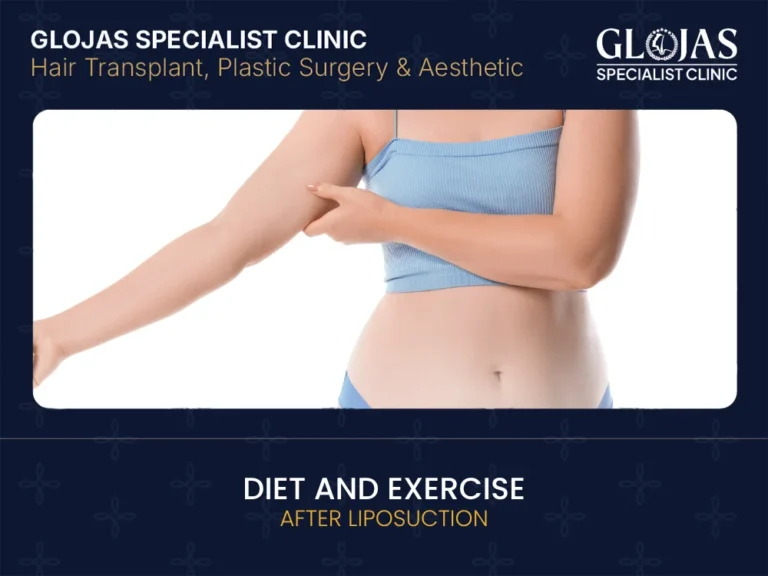
Post Liposuction: Why Diet and Exercise Matter
After undergoing Liposuction, many patients assume the hard part is over. However, Post Liposuction care—especially your diet and exercise routine—plays a critical role in preserving and enhancing your results. While the procedure removes fat cells permanently, your lifestyle determines whether your new body shape lasts long-term. A structured recovery plan ensures better healing, improved contour, and long-lasting confidence.
What Happens to Your Body After Liposuction?
Liposuction is a body contouring procedure that removes stubborn fat deposits, but your body still needs time to heal and adjust.
Immediate Changes:
- Swelling and bruising
- Fluid retention
- Temporary uneven contours
Healing Phase:
- Tissue repair begins
- Skin gradually tightens
- Final results develop over 3–6 months
During this period, proper nutrition and controlled physical activity can significantly improve recovery outcomes.
When Can You Start Exercising After Liposuction?
Returning to exercise after liposuction is an important part of your recovery—but timing matters. Starting too soon can increase swelling, delay healing, and even affect your final results. A gradual, structured approach helps your body recover safely while easing you back into your routine.
Here’s a more detailed timeline most surgeons recommend:
Week 1–2: Rest and Light Movement
During the first two weeks, your body is still in the early healing phase. Swelling, bruising, and mild discomfort are common, so the focus should be on gentle recovery rather than fitness.
- Light walking is encouraged: Short, slow walks around your home help improve blood circulation and reduce the risk of blood clots
- Avoid all strenuous activities: This includes gym workouts, lifting heavy objects, or any movement that strains treated areas
- Wear compression garments as advised to support healing and reduce swelling
💡 Tip: Even though you may feel better after a few days, internal healing is still ongoing—don’t rush it.
Week 3–4: Light Exercise
By weeks three and four, most patients start feeling more comfortable and mobile. This is when you can slowly reintroduce light physical activity.
- Low-impact exercises such as gentle yoga, stretching, or slow-paced stationary cycling
- Gradual increase in movement intensity, but still avoid high-impact or core-heavy workouts
- Listen to your body—any pain, pulling sensation, or increased swelling is a sign to slow down
💡 Tip: Focus on flexibility and mobility rather than calorie burning at this stage.
Week 5–6: Moderate Exercise
At this point, swelling has significantly reduced, and your body is better prepared for more active movement.
- Cardio workouts like brisk walking, cycling, or using the elliptical machine
- Light strength training with minimal weights, avoiding direct strain on treated areas
- Shorter workout sessions to prevent overexertion
💡 Tip: Reintroduce intensity gradually—don’t jump straight back into your pre-surgery routine.
After 6 Weeks:
Most patients can return to their regular exercise routine after six weeks—but only with medical clearance.
- Full workouts, including weight training, running, and high-intensity interval training (HIIT)
- Core exercises and targeted training can usually be resumed
- Monitor your body’s response—some residual swelling may still occur after intense workouts
💡 Tip: Even after clearance, ease back in over 1–2 weeks instead of going all-in immediately.
Best Types of Exercise Post Liposuction
Choosing the right workouts helps maintain results without stressing your body.
Cardio Workouts
- Walking
- Swimming
- Cycling
Cardio helps burn calories and prevents fat accumulation.
Strength Training
- Builds muscle tone
- Improves body contour
Flexibility Exercises
- Yoga and stretching improve mobility
- Helps reduce stiffness after surgery
Consistency is more important than intensity in the early stages.
Diet Post Liposuction: What to Eat
What you eat after liposuction plays a major role in how quickly your body heals—and how well your results last. A proper post-surgery diet helps reduce swelling, repair tissues, and maintain your new body contours.
Here’s how to fuel your recovery the right way:
Protein-Rich Foods
Protein is essential after surgery because your body needs it to repair tissues and rebuild skin.
- Chicken, fish, eggs, tofu, and legumes are excellent sources
- Helps speed up wound healing and reduce recovery time
- Supports muscle maintenance, especially if your activity is limited
💡 Tip: Aim to include protein in every meal to support continuous healing.
Fruits and Vegetables
Fresh produce is packed with vitamins, minerals, and antioxidants that help your body recover faster.
- Rich in vitamin C and A, which promote skin repair
- Help reduce inflammation and swelling
- Support your immune system to prevent infection
💡 Tip: Brightly colored fruits and veggies usually contain the most antioxidants.
Healthy Fats
Healthy fats are important for overall healing and reducing inflammation.
- Found in avocados, nuts, seeds, and olive oil
- Help your body absorb fat-soluble vitamins
- Support hormonal balance and cell repair
💡 Tip: Don’t avoid fats completely—just choose the right kinds in moderation.
Whole Grains
Whole grains provide steady energy, which is important when your body is healing.
- Examples include brown rice, oats, quinoa, and whole grain bread
- Help maintain stable blood sugar levels
- Prevent energy crashes and support daily recovery
💡 Tip: Pair whole grains with protein for balanced meals.
Foods to Avoid Post Liposuction
Certain foods can slow recovery or affect your results:
- Processed foods
- High-sodium meals (increase swelling)
- Sugary snacks and drinks
- Alcohol (can delay healing)
Limiting these helps your body recover more efficiently.
Hydration and Its Role in Recovery
Staying hydrated is often overlooked but extremely important.
Benefits of Proper Hydration:
- Reduces swelling
- Flushes out toxins
- Supports skin elasticity
- Improves overall recovery
Aim for at least 2–3 liters of water daily unless advised otherwise.
Can You Gain Weight Post Liposuction?
Yes, you can still gain weight post liposuction.
Even though fat cells are removed:
- Remaining fat cells can expand
- Weight gain may appear in untreated areas
This is why maintaining a healthy diet and regular exercise routine is essential.
The Role of Metabolism and Hormones
Your metabolism and hormones influence how your body stores fat.
Conditions like Hypothyroidism or hormonal imbalances can:
- Slow down metabolism
- Affect weight maintenance
- Influence fat distribution
If you suspect hormonal issues, consult a healthcare professional for guidance.
Long-Term Lifestyle Tips for Maintaining Results
To make your results last, focus on sustainable habits:
Stay Active
- Aim for at least 150 minutes of exercise weekly
Eat Mindfully
- Practice portion control
- Avoid emotional eating
Maintain a Stable Weight
- Avoid rapid weight fluctuations
Sleep Well
- Poor sleep can affect metabolism and weight
Regular Check-Ups
- Monitor your progress and overall health
Common Mistakes to Avoid Post Liposuction
Exercising Too Soon
Can lead to complications and delayed healing.
Crash Dieting
Leads to muscle loss and poor recovery.
Ignoring Hydration
Slows down healing and increases discomfort.
Expecting Permanent Results Without Effort
Liposuction is not a substitute for a healthy lifestyle.
How Diet and Exercise Enhance Results
When done correctly, diet and exercise can:
- Improve body contour definition
- Prevent fat accumulation
- Boost confidence
- Support overall health
Think of liposuction as a starting point—not the final step.
Final Thoughts
Post Liposuction care is just as important as the procedure itself. By combining a balanced diet with a structured exercise routine, you can maintain your results for years to come. The key is consistency, not perfection.
A healthy lifestyle ensures that your investment in liposuction continues to deliver visible and lasting benefits.
FAQs About Post Liposuction Diet and Exercise
1. When can I start exercising post liposuction?
Light walking can begin within days, but full workouts usually resume after 4–6 weeks.
2. What is the best diet post liposuction?
A balanced diet rich in protein, vegetables, healthy fats, and whole grains.
3. Can I gain weight after liposuction?
Yes, if you consume more calories than you burn.
4. How much water should I drink post liposuction?
Typically 2–3 liters per day, depending on your doctor’s advice.
5. Is cardio or strength training better post liposuction?
Both are important—cardio burns fat, while strength training improves tone.
6. Can I diet immediately after surgery?
Avoid extreme dieting; focus on nourishing foods for healing.
7. Does exercise improve liposuction results?
Yes, it helps maintain and enhance body contour.
8. What foods reduce swelling post liposuction?
Fruits, vegetables, and low-sodium foods help reduce swelling.
9. Can alcohol affect recovery?
Yes, it can delay healing and increase swelling.
10. How do I maintain results long-term?
By staying active, eating well, and maintaining a stable weight.