
Can You Wear a Hat or Exercise After Hair Transplant?
Recovery is just as critical as the surgery itself. In Malaysia’s tropical climate, managing heat and activity is a top priority for protecting your investment. Understanding when you can safely return to your gym routine or wear your favorite cap ensures your new grafts thrive without complications.
GLOJAS Specialist Clinic, a trusted hair transplant clinic in Kuala Lumpur, guides patients on dos and donts post surgery, ensuring safe recovery, natural results, and long-lasting hair restoration with expert care in Malaysia.
Understanding Hair Transplant Recovery
Post-operative care is the bridge between a successful surgery and lifelong results. During the first few weeks, your scalp undergoes a delicate healing process where the newly implanted follicles are vulnerable to external pressure, sweat, and bacteria. Patience during this phase is essential for optimal hair density.
Initial Healing Phase After Hair Transplant
The first 72 hours are the most sensitive. Tiny incisions begin to scab over, and your body starts the biological process of securing the follicles. Most Malaysian clinics, such as those regulated by the LCP standards, recommend total rest during this window to minimize initial swelling.
How Hair Grafts Settle in the Scalp
Think of your grafts like new seedlings. It takes about 10 to 14 days for the follicles to fully “anchor” into the scalp’s blood supply. Before this point, any friction—like a tight hat or an accidental bump—can easily dislodge them, leading to permanent gaps in your final result.
Common Post-Transplant Restrictions
Surgeons typically issue a “No-Fly Zone” for the first two weeks regarding strenuous activities. You’ll need to avoid direct sunlight, heavy lifting, and any habit that increases cranial pressure. These restrictions are designed to prevent “popping,” where grafts are literally pushed out by internal blood pressure.
Wearing Hats After Hair Transplant
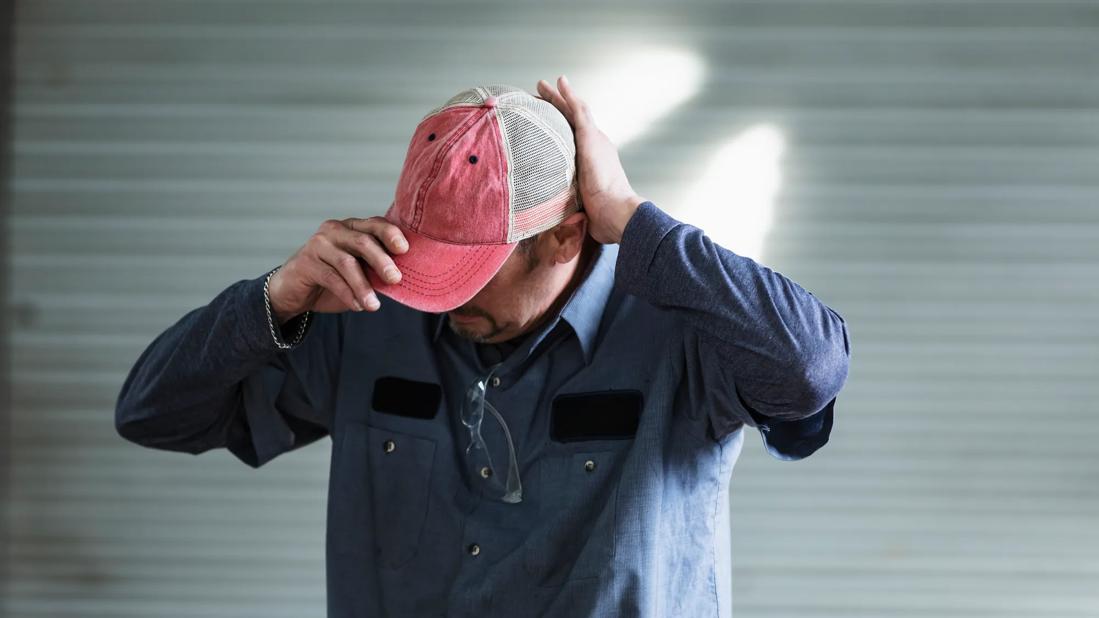
Protecting your head from the Malaysian sun is vital, but doing it too soon can be risky. While you want to hide the scabbing, a hat that is too tight can rub against the grafts, causing inflammation or mechanical damage to the fresh donor and recipient sites.
When It’s Safe to Wear a Hat
Most experts advise waiting at least 7 to 10 days before wearing any headwear. By day 10, the grafts are generally secure enough for loose-fitting hats. However, wait a full three weeks before wearing tight beanies, baseball caps, or motorcycle helmets that apply direct pressure to the hairline.
Types of Hats Suitable Post-Transplant
Once cleared, opt for a loose bucket hat or an adjustable wide-brimmed hat. These provide sun protection without touching the treated area. Avoid structured “snapbacks” or wool beanies that trap heat and moisture, as these can create a breeding ground for bacteria during the early healing stages.
Tips to Protect Grafts While Wearing a Hat
Ensure the hat is made of breathable, natural fabrics like cotton.
Check that the brim doesn’t rest directly on the new hairline.
Wash your hat frequently to prevent infection.
Limit wear time to avoid excessive scalp sweating.
Exercising After Hair Transplant
Getting back to the gym is a common goal, but sweat and high blood pressure are the enemies of new grafts. In the heat of Kuala Lumpur, even a light jog can lead to excessive perspiration, which may irritate incisions and increase the risk of post-op folliculitis.
Recommended Timeline for Resuming Exercise
| Days Post-Op | Permitted Activity | Precautions |
| 1 – 7 | Absolute Rest | Avoid any exertion; keep head elevated. |
| 8 – 14 | Light Walking | Stay in shaded, cool environments. |
| 15 – 30 | Moderate Cardio | Avoid heavy weights or contact sports. |
| 30+ | Full Routine | Gradually return to high-impact training. |
Low-Impact vs High-Impact Activities
Leisurely walking in a mall is fine after a week, but avoid “hot yoga” or heavy powerlifting for at least 14 to 21 days. Straining during a heavy bench press can cause a spike in blood pressure that might dislodge grafts or worsen swelling around the forehead and eyes.
Precautions to Avoid Damaging Hair Grafts
If you do return to the gym after two weeks, keep a clean towel handy to gently pat (not rub) away sweat. Stay hydrated to help your skin heal. Avoid any “head-down” positions, such as certain yoga poses or stretching, which can increase blood flow and pressure in the scalp.
Expert Advice from Hair Transplant Clinics in Malaysia
Malaysian specialists are well-versed in treating hair loss within a humid environment. They often provide “recovery kits” including saline sprays and specialized shampoos. Always follow the specific post-procedure instructions provided by your surgeon, as every scalp heals at a different rate.
Consultation Tips with Specialists
During your follow-up, ask your doctor to check the “take rate” of your grafts. They can use a trichoscope to see if the follicles have successfully anchored. This is the best time to get personalized clearance for specific hobbies like swimming or competitive sports.
Post-Procedure Care Instructions
Sleep with your head elevated at 45 degrees for 5 nights.
Use a saline spray every 30 minutes on day one.
Avoid alcohol and smoking for at least two weeks.
Don’t scratch the itchy scabs; let them fall off naturally.
FAQs About Hair Transplant Recovery
Can I Sweat After a Hair Transplant?
Light sweating is fine after 10 days, but excessive sweating should be avoided for the first two weeks. Sweat can carry bacteria into the tiny incisions, potentially leading to infections that could kill the newly transplanted hair follicles.
When Can I Swim or Visit Saunas?
Avoid swimming pools (chlorine) and the sea (saltwater) for at least one month. Saunas and steam rooms should be avoided for three months, as extreme heat can cause the scalp to swell and interfere with the final growth phase of the hair.
How to Protect My Hairline During Daily Activities
Be mindful when putting on t-shirts; opt for button-down shirts for the first week. When getting in and out of cars, move slowly to avoid bumping your head—a surprisingly common way grafts are lost during the first few days of recovery.
Commercial Considerations
Choosing a clinic isn’t just about the surgery day; it’s about the months of support that follow. In Malaysia, many clinics bundle aftercare into their packages, including Low-Level Laser Therapy (LLLT) sessions to speed up healing and stimulate early growth.
Choosing the Best Hair Transplant Clinic in Malaysia
Prioritize clinics that offer a Letter of Credentialing and Privileging (LCP). This ensures the facility meets the highest safety standards set by the Malaysian government. A good clinic will schedule multiple follow-ups at the 1, 3, 6, and 12-month marks to monitor your progress.
Cost and Packages for Post-Transplant Care
While the surgery itself is the main expense, factor in the cost of specialized shampoos and medications like Finasteride or Minoxidil. Some premium packages in KL include PRP (Platelet-Rich Plasma) booster shots at the 3-month mark to maximize the thickness of your results.
Follow-Up Services and Support Programs
Great clinics don’t “ghost” you after payment. Effective support programs include digital check-ins via WhatsApp and photo reviews. This ensures that if you accidentally bump your head or notice unusual redness, you can get professional medical advice immediately without needing to travel back to the clinic.