
Shockwave Therapy Provider: Why Your Choice Matters
Selecting the right Shockwave Therapy Provider is one of the most important decisions you’ll make when seeking treatment for Erectile Dysfunction. While shockwave therapy is non-invasive and generally safe, results can vary significantly depending on the Shockwave Therapy Provider expertise, technology, and treatment approach. In this guide, you’ll learn how to evaluate clinics, avoid common pitfalls, and choose a provider who prioritizes both safety and results.
What Does a Shockwave Therapy Provider Do?
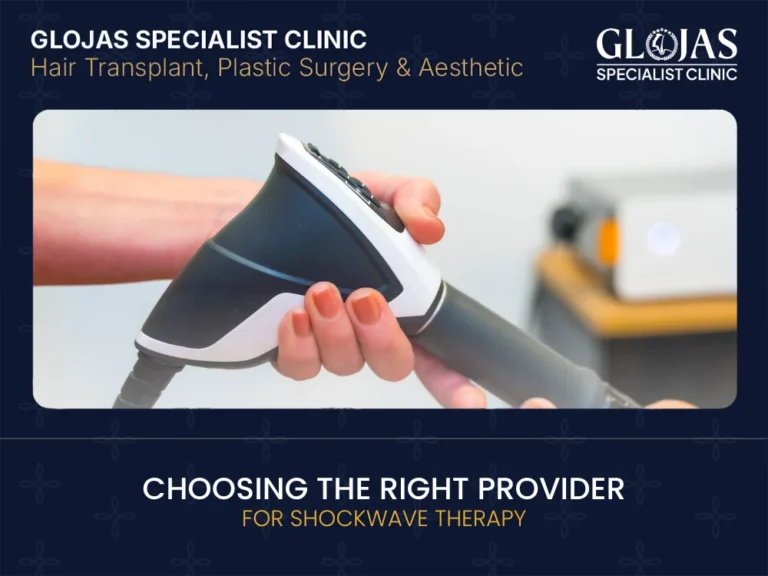
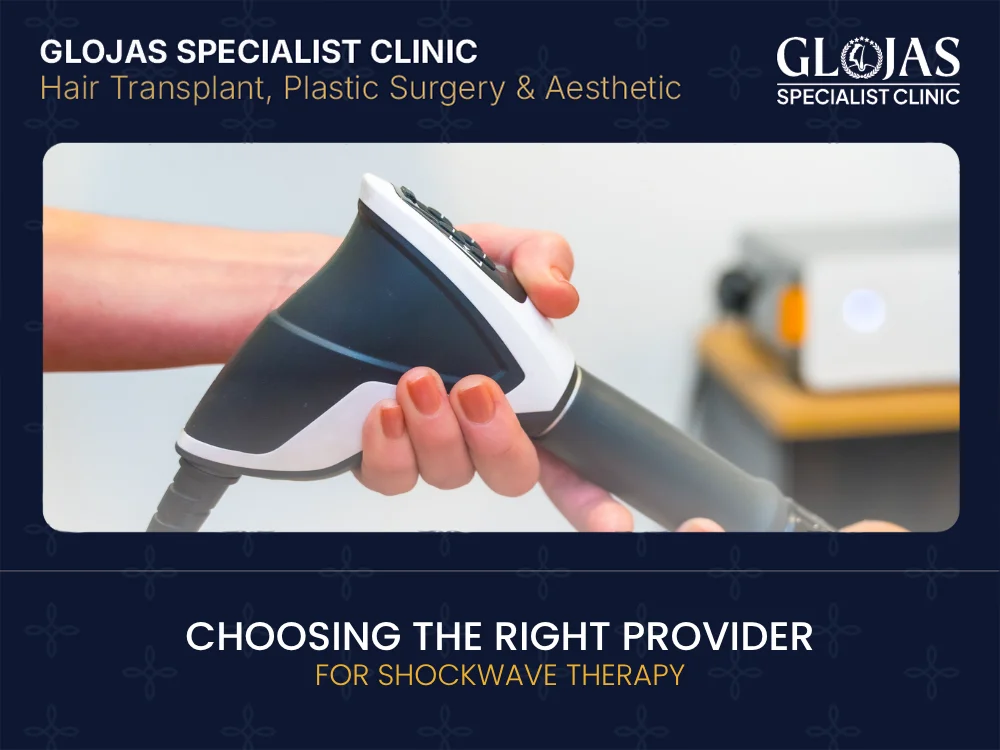
A shockwave therapy provider is typically a trained medical professional—often working in Urology or men’s health—who delivers low-intensity extracorporeal shockwave therapy (Li-ESWT).
Their Role Includes:
- Assessing your condition and medical history
- Determining if you’re a suitable candidate
- Administering the treatment using specialized equipment
- Monitoring progress and adjusting protocols
A qualified Shockwave Therapy Provider doesn’t just perform the procedure—they guide your entire treatment journey.
Why Choosing the Right Shockwave Therapy Provider Is Critical
Not all Shockwave Therapy Provider offer the same level of care. Your results can depend heavily on:
1. Accuracy of Diagnosis
ED is not a one-size-fits-all condition. A good Shockwave Therapy Provider identifies whether your ED is:
- Vascular (most suitable for shockwave therapy)
- Hormonal
- Psychological
- Neurological
Without proper diagnosis, treatment may be ineffective.
2. Treatment Customization
Top providers tailor protocols based on:
- Severity of Erectile Dysfunction
- Blood flow quality
- Overall health
Avoid clinics offering “one-size-fits-all” packages without evaluation.
3. Technology Used
The type of shockwave device matters significantly.
High-quality providers use:
- Medical-grade, evidence-based machines
- Devices with controlled energy delivery
Lower-cost clinics may use:
- Outdated or low-energy devices
- Non-medical or cosmetic-grade equipment
Key Qualities of a Trusted Shockwave Therapy Provider
1. Medical Credentials and Experience
Look for providers with:
- Background in Urology or sexual medicine
- Experience treating ED specifically
- Proper certifications and training
2. Evidence-Based Approach
A reputable provider should:
- Follow established clinical protocols
- Reference scientific studies
- Provide realistic expectations
Be cautious of exaggerated claims like “guaranteed results.”
3. Comprehensive Consultation
A proper consultation should include:
- Detailed medical history review
- Physical or diagnostic assessment
- Honest discussion of outcomes
If a clinic skips this step, it’s a red flag.
4. Transparent Pricing
A trustworthy provider will:
- Clearly explain costs upfront
- Offer structured treatment plans
- Avoid hidden fees
5. Positive Patient Reviews
Look for:
- Verified testimonials
- Consistent feedback on results and professionalism
- Before-and-after experiences (when appropriate)
Questions to Ask Before Choosing a Provider
Before committing to shockwave therapy, it’s important to ask the right questions—not just to gather information, but to assess the provider’s expertise, honesty, and approach to patient care. A reputable clinic will welcome your questions and answer them clearly, without hesitation.
1. What Is Your Experience with Shockwave Therapy for ED?
Experience matters more than marketing claims. Ask:
- How long have you been offering this treatment?
- How many ED patients have you treated?
- Do you specialize in men’s health or Urology?
Providers with focused experience are more likely to tailor treatment protocols and handle different patient profiles effectively.
2. What Type of Device Do You Use?
Not all shockwave devices are created equal. This is a critical question many patients overlook. You can ask:
- Is the device low-intensity extracorporeal shockwave therapy (Li-ESWT)?
- Is it clinically studied or approved for medical use?
- How does it differ from radial wave or acoustic wave devices?
Clinics grounded in Regenerative Medicine typically use evidence-based equipment, not just aesthetic or repurposed machines.
3. How Many Sessions Will I Need?
Treatment plans should never be vague. A professional provider will:
- Recommend a structured protocol (commonly 6–12 sessions)
- Adjust based on your condition, age, and response
- Explain the expected timeline for results
Be cautious if a clinic gives a fixed number without assessment or promises instant improvement.
4. What Success Rates Do You Typically See?
Instead of broad claims like “90% success,” ask for context:
- What defines “success” (improvement vs full recovery)?
- Are results based on internal data or published studies?
- How do outcomes vary for mild vs severe cases?
Credible providers rely on data, not hype, and will explain that results vary depending on individual health factors.
5. Are There Any Risks or Side Effects?
Even though shockwave therapy is considered low-risk, transparency is key. Ask:
- What are the common side effects (e.g., mild discomfort, temporary redness)?
- Who may not be suitable for this treatment?
- What happens if I don’t respond to therapy?
Clinics aligned with standards from bodies like the Malaysian Medical Council will always disclose both benefits and limitations.
What These Answers Reveal
The goal isn’t just to get answers—it’s to evaluate how they’re answered.
A credible provider will:
- Speak clearly without overpromising
- Support claims with clinical reasoning or data
- Personalize recommendations based on your condition
If responses feel rushed, vague, or overly sales-driven, that’s a sign to reconsider.
In healthcare, the right provider doesn’t just offer treatment—they provide clarity, confidence, and trust before you even begin.
Red Flags to Watch Out For
Not all clinics operate at the same standard. Be cautious if you notice:
1. Unrealistic Promises
Claims like:
- “100% cure rate”
- “Instant results after one session”
These are not supported by research.
2. Extremely Low Prices
While affordability matters, unusually cheap services may indicate:
- Inexperienced staff
- Inferior equipment
- Incomplete protocols
3. No Medical Assessment
Skipping evaluation increases the risk of ineffective treatment.
4. High-Pressure Sales Tactics
Avoid clinics that:
- Push immediate payment
- Offer “limited-time” pressure deals
Types of Providers Offering Shockwave Therapy
1. Urology Clinics
Specialists in Urology offer:
- Medical expertise
- Comprehensive ED diagnosis
- Integrated treatment plans
2. Men’s Health Clinics
Focused on male wellness, these clinics often provide:
- Holistic treatment options
- Lifestyle guidance
- Combination therapies
3. Aesthetic Clinics
Some aesthetic centers offer shockwave therapy, but:
- Not all are medically specialized
- Quality and expertise can vary widely
Should You Choose a Specialist or General Provider?
Specialist (Urologist or Men’s Health Doctor)
Pros:
- Accurate diagnosis
- Higher treatment precision
- Better handling of complex cases
Cons:
- Higher cost
General Provider (Aesthetic or Wellness Clinic)
Pros:
- More affordable
- Convenient access
Cons:
- May lack specialized expertise
The Importance of Personalized Treatment Plans
A good provider understands that no two patients are the same.
Personalized Plans May Include:
- Adjusted energy levels
- Tailored session frequency
- Combination with medications like Sildenafil or Tadalafil
Customization significantly improves outcomes.
Cost vs Quality: What Should You Prioritize?
While cost is important, choosing based on price alone can lead to poor results.
Balance These Factors:
- Provider expertise
- Technology quality
- Clinic reputation
- Total treatment value
Investing in a qualified provider often leads to better long-term outcomes.
How to Verify a Provider’s Credibility
Choosing the right provider is one of the most important steps in ensuring both safety and treatment success—especially for procedures like shockwave therapy. A credible clinic doesn’t just promise results; it demonstrates expertise, transparency, and accountability at every stage.
Steps You Can Take:
1. Check Medical Licensing and Qualifications
Start by confirming that the practitioner is properly licensed and certified to perform the procedure. In Malaysia, this may involve verifying registration with relevant medical authorities such as the Malaysian Medical Council.
Also look into:
- Specialized training in sexual health or urology
- Certifications related to shockwave therapy devices
- Years of clinical experience
A legitimate provider will never hesitate to share their credentials.
2. Read Independent Reviews (Not Just Testimonials)
Clinic websites often highlight only positive testimonials. To get a more balanced view:
- Check Google Reviews, forums, or healthcare platforms
- Look for consistent patterns, not just one-off comments
- Pay attention to feedback about professionalism, communication, and results
Be cautious of clinics with only perfect ratings or reviews that sound overly generic—they can sometimes be filtered or curated.
3. Ask for Clinical Data or Case Studies
A credible provider should be able to explain the science behind the treatment, not just the marketing claims. Don’t hesitate to ask:
- What success rates do you typically see?
- Are your protocols based on published studies?
- Can you share anonymized before-and-after outcomes?
Clinics that rely on evidence-based practice will often reference research in fields like Urology or Regenerative Medicine to support their approach.
4. Visit the Clinic for a Consultation
An in-person visit gives you valuable insight into how the clinic operates. During your consultation, observe:
- Cleanliness and professionalism of the facility
- Whether a proper medical assessment is conducted
- If the provider takes time to understand your condition
Avoid clinics that offer one-size-fits-all packages without evaluation. Personalized care is a strong sign of clinical integrity.
Why Transparency Matters
Transparency is more than just a good sign—it’s a non-negotiable standard in healthcare. A trustworthy provider will:
- Clearly explain benefits, limitations, and risks
- Provide realistic expectations (not guaranteed results)
- Be upfront about pricing and number of sessions
If a clinic avoids your questions, pressures you into immediate decisions, or makes exaggerated claims, that’s a red flag.
In the end, credibility comes down to one simple principle: a professional provider educates you, not just sells to you.
Future Trends in Shockwave Therapy Providers
As research advances in Urology:
- More standardized protocols will emerge
- Provider training will improve
- Patient outcomes will become more consistent
Choosing a forward-thinking provider ensures you benefit from the latest advancements.
Key Takeaways
- Choosing the right Shockwave Therapy Provider directly impacts your results
- Look for medical expertise, proper technology, and transparent practices
- Avoid clinics with unrealistic promises or no consultation
- Personalized treatment plans lead to better success rates
- Quality should always outweigh cost when it comes to health
FAQs: Shockwave Therapy Provider
1. Who should perform shockwave therapy for ED?
Ideally, a trained medical professional with experience in Urology.
2. Is it safe to go to an aesthetic clinic?
Some are qualified, but expertise varies—always verify credentials.
3. How do I know if a provider is legitimate?
Check certifications, reviews, and consultation quality.
4. What device should a provider use?
Medical-grade, clinically tested shockwave machines.
5. Are cheaper providers less effective?
Not always, but extremely low prices can be a warning sign.
6. Should I choose a specialist over a general provider?
Specialists are generally better for accurate diagnosis and complex cases.
7. Can providers guarantee results?
No ethical provider should guarantee outcomes.
8. How many sessions will a provider recommend?
Typically 6–12 sessions, depending on your condition.
9. Do providers combine treatments?
Yes, some use medications like Sildenafil alongside therapy.
10. Is consultation necessary?
Absolutely—it ensures the treatment is appropriate for you.