
Finding tiny white “dots” on your hair that lead to constant breakage? In Malaysia’s humid climate, where frequent styling is common, Trichorrhexis Nodosa is a frequent culprit. This guide explores the science of these brittle spots and how to restore your hair’s strength in 2026.
GLOJAS Specialist Clinic in Kuala Lumpur offers world-class hair restoration, combining advanced FUE techniques with expert care to deliver natural results for patients across Malaysia and beyond.
What Is Trichorrhexis Nodosa?
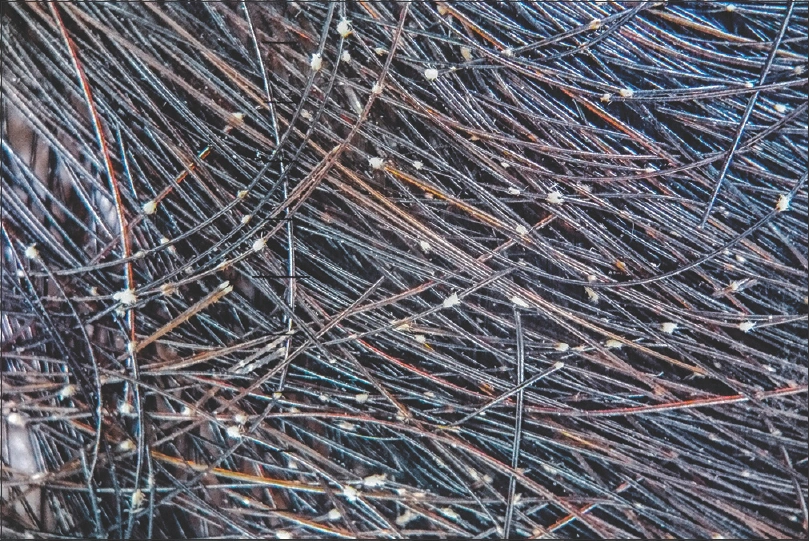
Definition and Hair Shaft Disorder Mechanism
Trichorrhexis nodosa is a common hair shaft disorder characterized by weak points, or “nodes,” along the hair. Under a microscope, these nodes look like two brushes pushed together. The protective cuticle layer is lost, causing the cortical fibers to splay and snap easily.
Proximal vs Distal Types
Proximal cases occur near the scalp, often seen in specific ethnicities due to tight styling. Distal trichorrhexis nodosa occurs at the hair ends, typically caused by environmental wear and tear. In Malaysia, distal damage is more prevalent due to high UV exposure and chemical processing.
Congenital vs Acquired Forms
Congenital forms are rare genetic conditions present from birth, like Menkes disease. However, most Malaysians suffer from the acquired form. This version is strictly environmental, triggered by external trauma that strips the hair of its structural integrity over time.
Causes of Trichorrhexis Nodosa
Excessive Heat Styling Damage
The daily use of flat irons and blow dryers at temperatures above 180°C “boils” the moisture inside the hair shaft. This creates steam bubbles that burst through the cuticle, forming the characteristic nodes. Without thermal protection, the protein structure denatures and becomes permanently brittle.
Chemical Treatments and Over-Processing
Frequent bleaching, rebonding, or perming at Malaysian salons can compromise the hair’s sulfur bonds. According to the American Academy of Dermatology, over-processing raises the cuticle indefinitely, making the inner cortex vulnerable to the fraying that defines this condition.
Mechanical Trauma from Brushing
Aggressive brushing, especially on wet hair, creates immense friction. Using fine-toothed combs or vigorous towel-drying snaps the weakened cuticle. In 2026, experts emphasize that “mechanical fatigue” is a leading cause of mid-shaft breakage for those with long hair in urban Malaysia.
Nutritional Deficiencies
Low levels of biotin, zinc, or iron can lead to the production of weak hair fibers. If your body lacks the building blocks to create a strong cuticle, even minor styling will cause nodes. Proper nutrition is the foundation of hair that can withstand daily stress.
Underlying Medical Conditions
Rarely, this disorder signals systemic issues like hypothyroidism or trichothiodystrophy. If hair breaks despite gentle care, Malaysian dermatologists often investigate metabolic health. These conditions affect how keratin is synthesized, resulting in a hair shaft that is structurally “unfinished” and prone to snapping.
Trichorrhexis Nodosa Symptoms
White Nodes Along Hair Shaft
The most distinct sign is the appearance of tiny, white or yellowish specks. These aren’t lice or dandruff; they are actually the points where the hair has partially splintered. These nodes act like “perforated lines” on a piece of paper, where the hair will inevitably break.
Split Ends and Fraying
While traditional split ends occur at the tip, trichorrhexis nodosa causes the hair to fray in the middle. You might notice your hair looks “fuzzy” or “weathered.” This is the result of the cortical fibers expanding outward through the damaged cuticle layer.
Brittle Hair That Breaks Easily
Does your hair snap when you tie a ponytail or brush lightly? High fragility is a hallmark symptom. Patients often find that their hair “never grows” past a certain length, but in reality, it is simply breaking off at the nodes as fast as it grows.
Rough Texture and Tangling
Damaged hair feels like straw. Because the cuticle is no longer smooth, individual strands snag on each other, leading to severe tangling. In Malaysia’s humidity, this lack of a smooth protective layer makes the hair absorb moisture unevenly, causing chronic frizz and dullness.
Diagnosis in Malaysia
Visual Examination by Trichologist
A qualified trichologist in KL or Penang will first perform a macroscopic check. They look for the specific “white speck” pattern. They will also assess your styling history—such as how often you rebond or color your hair—to identify the likely environmental trigger.
Microscopic Hair Analysis
The definitive diagnosis comes from looking at a strand under a light microscope. The specialist looks for the “thrust-in brush” appearance. This confirms the diagnosis and differentiates it from other shaft disorders like monilethrix (beaded hair) or trichorrhexis invaginata (bamboo hair).
Blood Tests for Deficiencies
To rule out internal causes, doctors in Malaysia typically order a full blood count and iron study (ferritin). Checking thyroid-stimulating hormone (TSH) levels is also standard practice, ensuring that a simple vitamin deficiency isn’t the hidden cause of your brittle hair.
Trichorrhexis Nodosa Treatments
Eliminating Causative Factors
The first step is a “hair fast.” Stop all heat styling and chemical processing immediately. By removing the trauma, you allow the new hair growing from the scalp to remain healthy. The damaged hair won’t “heal,” but you stop the cycle of destruction.
Protein-Based Hair Treatments
Treatments containing hydrolyzed keratin or wheat protein can temporarily “patch” the gaps in the cuticle. These proteins fill the nodes, providing enough structural support to reduce breakage. Many Malaysian salons offer professional-grade protein infusions that coat the shaft for several weeks.
Moisture Restoring Products
Hydration is key to flexibility. Look for ingredients like glycerin, argan oil, and panthenol. These humectants and emollients lubricate the hair shaft, reducing the friction that causes nodes to snap. Deep conditioning once a week is a non-negotiable step for recovery.
Bond Repair Technology
Products utilizing patented bond-building technology work at a molecular level to relink broken disulfide bonds. In 2026, these are the gold standard in Malaysia for treating chemically induced trichorrhexis nodosa, as they offer more than just a surface-level coating.
Nutritional Supplements
If a deficiency is found, supplements like Biotin (Vitamin B7) or specialized hair complexes are prescribed. These don’t fix the hair already on your head, but they ensure the next few centimeters of growth are resilient enough to handle the Malaysian climate.
Treatment Costs Malaysia 2026
Trichology Consultation Fees
In 2026, an initial consultation with a hair specialist in the Klang Valley ranges from RM150 to RM350. This usually includes a digital scalp and hair shaft scan (trichoscopy) to confirm the presence of nodes and assess the extent of the damage.
Professional Hair Treatments
In-salon bond-repair or intensive protein treatments typically cost between RM250 and RM600 per session. Many Malaysians opt for monthly sessions during the first phase of recovery to manage the texture of the damaged hair while waiting for new growth.
Prescription Products
Medical-grade shampoos and leave-in conditioners prescribed by dermatologists cost roughly RM100 to RM250 per bottle. While more expensive than drugstore options, these contain higher concentrations of active ingredients like ceramides and specialized proteins needed to stabilize the hair shaft.
Supplement Costs
High-quality hair supplements (containing iron, zinc, and biotin) generally cost between RM80 and RM180 for a one-month supply. Many pharmacies in Malaysia offer 2026 “wellness bundles” that combine these with topical oils for a holistic approach to hair repair.
Hair Care Routine
Gentle Washing Techniques
Focus your shampoo only on the scalp to avoid drying out the fragile ends. Use lukewarm water; hot water further swells the hair shaft and weakens the nodes. Gently squeeze the water out with a microfiber towel rather than rubbing, which creates friction-based breakage.
Proper Conditioning Methods
Apply conditioner from the mid-lengths down to the tips, leaving it on for at least 3 minutes. Use a wide-tooth comb to detangle while the conditioner is in. This provides the lubrication needed to slide through knots without putting tension on the nodes.
Heat Styling Alternatives
Embrace air-drying or use “heatless curls” methods using silk rollers. If you must use a hairdryer, keep it on the “cool” setting and hold it at least 15cm away from the hair. Avoiding direct contact with hot metal is essential for stopping node formation.
Protective Hairstyles
Loose braids or silk scrunchies reduce the mechanical stress on the hair. Avoid tight ponytails that put tension on the “proximal” part of the hair. Switching to a silk or satin pillowcase also reduces nighttime friction, preventing you from waking up with new tangles.
Prevention
Avoiding Chemical Over-Processing
Limit chemical services to once every 3–4 months. Always request a “bond protector” during bleaching or perming sessions. In Malaysia, many reputable salons now use 2026-standard protective additives that minimize the structural damage caused by high-pH chemical reactions.
Heat Protection Strategies
Always apply a heat protectant spray before any heat application. These products contain silicones that dissipate heat and create a film, preventing the internal moisture from boiling. Never use a flat iron on damp hair, as this causes immediate “bubble hair” and nodes.
Regular Trimming
Since the distal ends are the oldest and most damaged, regular trims every 8–12 weeks are vital. This removes the most “node-heavy” sections before the breakage can travel further up the hair shaft, keeping the overall look of your hair thick and healthy.
Nutrition for Hair Health
A diet rich in omega-3 fatty acids, lean proteins, and leafy greens supports keratin production. In Malaysia, incorporating local superfoods like eggs, fatty fish, and spinach ensures your body has the micronutrients required for a smooth, tough hair cuticle.
Prognosis
Is Trichorrhexis Nodosa Reversible?
The damage to the existing hair shaft is permanent because hair is non-living tissue. However, the condition is “curable” in the sense that new hair will grow in perfectly healthy as long as the external trauma (heat, chemicals, or friction) is stopped.
Recovery Timeline
Expect a recovery period of 6 to 12 months. This is the time it takes for a significant amount of new, healthy hair to grow from the scalp and replace the damaged sections. Consistent care during this window is crucial to prevent the new hair from being damaged.
Managing Chronic Cases
For those with genetic predispositions, management is lifelong. This involves a permanent shift to “low-heat” lifestyles and using specialized hair-strengthening products indefinitely. With the right routine, even those with naturally fragile hair can maintain a full, healthy appearance in the Malaysian sun.
FAQs on Trichorrhexis Nodosa
Can trichorrhexis nodosa be cured?
Yes, by removing the cause. While you can’t “heal” the broken strands, stopping the physical or chemical trauma allows healthy hair to grow back. It is a matter of management and patience rather than a one-time medicinal cure.
What products help?
Look for “Bond Repair” systems, leave-in conditioners with dimethicone, and protein-enriched masks. Avoid “clarifying” shampoos that strip moisture, and always use a high-quality heat protectant if you absolutely must use styling tools.
Is it hereditary?
Usually, no. Most cases in Malaysia are acquired from styling. However, rare genetic forms do exist. If your hair has been brittle since early childhood despite no styling, consult a pediatric dermatologist to rule out congenital hair shaft disorders.
How long until hair improves?
You will notice less breakage within weeks of starting a gentle routine. However, for a total transformation, you must wait for the damaged hair to grow out and be trimmed away, which typically takes about a year for shoulder-length hair.
Book Trichorrhexis Nodosa Consultation Malaysia
Tired of hair that snaps at the slightest touch? Our Malaysian specialists use advanced 2026 diagnostic tools to identify your specific hair shaft triggers. Take the first step toward stronger, resilient hair today by booking a professional analysis.