
Diet After Hair Transplant: What to Eat
Why Diet Matters After a Hair Transplant
Role of Nutrition in Hair Follicle Healing
After a transplant, your scalp is essentially in “repair mode.” Your body reallocates resources to close micro-incisions and integrate new follicles. Without adequate nutrition, the healing process slows down, increasing the risk of graft failure. Proper fuel ensures that the blood supply to the scalp is rich with the oxygen and nutrients these “immigrant” follicles need to survive.
Impact of Vitamins and Minerals on Hair Growth
Hair is one of the fastest-growing tissues in the body, which also makes it the most demanding. According to the American Academy of Dermatology, nutritional deficiencies are a leading cause of telogen effluvium (temporary shedding). In a post-op scenario, vitamins act as the catalysts for keratin production and cellular regeneration.
Foods to Eat After a Hair Transplant
Protein-Rich Foods for Hair Regrowth
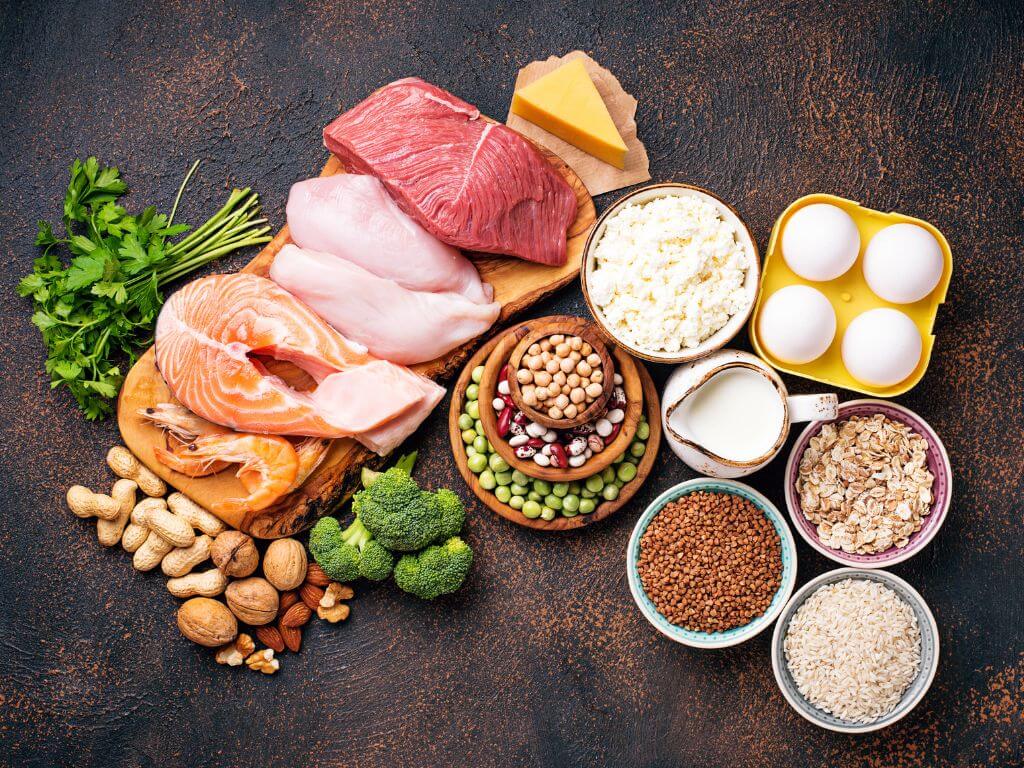
Since your hair is approximately $95\%$ protein (specifically keratin), you can’t skimp on it. Lean proteins provide the amino acids—like L-lysine and L-methionine—necessary for structural strength.
Best Sources: Chicken, eggs, fish, tofu, and legumes.
Vitamins and Minerals: Iron, Zinc, Biotin, and Vitamin C
Iron: Transports oxygen to your follicles. Low iron = “suffocated” hair.
Zinc: A powerhouse for tissue repair and protein synthesis.
Biotin (B7): Known for strengthening the hair shaft.
Vitamin C: Helps your body absorb iron and produce collagen.
Hydration and Its Role in Recovery
Hydration is the “transport system” for your nutrients. Drinking at least 2.5 liters of water daily helps maintain stable blood flow to the scalp and keeps the skin supple, which can reduce that annoying post-op itching.
Foods to Avoid After a Hair Transplant
Processed and Sugary Foods
Highly processed snacks and sugary treats cause insulin spikes, which can trigger systemic inflammation. According to research published by the National Institutes of Health, inflammation can impair wound healing and reduce the survival rate of newly transplanted grafts.
Alcohol and Caffeine
Alcohol: It’s a blood thinner that can increase the risk of bleeding and swelling. It also dehydrates the body, which is the last thing your new follicles want.
Caffeine: A stimulant that can temporarily raise blood pressure and constrict vessels. Most surgeons recommend skipping the Kopi O for at least the first 10 days.
Spicy and Oily Foods That May Affect Healing
In Malaysia, we love our spice, but excessive chili or heavy oils can cause sweating and irritation. Sweating on a fresh transplant site increases the risk of infection and may cause you to accidentally scratch or dislodge a graft.
Sample Post-Transplant Meal Plans in Malaysia
Breakfast, Lunch, and Dinner Ideas
Breakfast: Soft-boiled eggs (rich in Biotin) with whole-grain toast.
Lunch: Grilled salmon or mackerel (Omega-3s) with a side of stir-fried spinach.
Dinner: Clear chicken soup with plenty of carrots and broccoli for a Vitamin A and C boost.
Snacks and Smoothies for Hair Health
A “Hair Power Smoothie” could include Greek yogurt (protein), blueberries (antioxidants), and a sprinkle of pumpkin seeds (zinc).
Local Malaysian Foods That Support Recovery
Ikan Bakar (Grilled Fish): High in protein and healthy fats.
Sayur Lemak (Spinach/Sweet Potato): Excellent for Iron and Vitamin A.
Tempeh: A fantastic plant-based protein and probiotic source for gut health.
Supplements and Nutritional Support
Recommended Hair Growth Supplements
While whole foods are best, supplements like Biotin, Zinc, or Vitamin D are often recommended to bridge the gap. Studies found in the International Journal of Trichology suggest that targeted supplementation can improve hair density in patients with existing deficiencies.
Dos and Don’ts for Supplement Use
Do: Wait at least 2 weeks before starting any non-prescribed supplements.
Don’t: Megadose on Vitamin A or E without a doctor’s nod, as excessive amounts can actually cause hair loss.
Consultation With Nutritionists and Doctors
Always check with your transplant surgeon before adding new pills to your routine. They may want to check your blood levels first to ensure you actually need them.
Tips for Maintaining a Hair-Healthy Diet Long-Term
Balanced Nutrition for Hair Retention
Don’t stop the good habits once the scabs are gone. To keep your existing hair and help the new hair stay thick, maintain a diet high in antioxidants and low in trans fats.
Lifestyle Habits That Support Hair Health
Combine your diet with stress management. High cortisol levels can cut the growth phase (anagen) short.
Monitoring Progress and Adjusting Your Diet
Keep a food diary for the first 3 months. If you notice excessive “shock loss” or slow healing, you might need to up your protein or iron intake.
FAQs About Diet After Hair Transplant
How Soon Can I Resume Normal Diet?
You can technically eat “normal” food immediately, but it’s best to stick to the “recovery diet” for at least 10 to 14 days until the grafts are secure.
Are There Any Foods That Help Reduce Swelling?
Yes! Pineapple contains bromelain, a natural enzyme that has anti-inflammatory properties and can help reduce post-surgical edema (swelling).
Can Diet Affect Transplant Success Rates?
Absolutely. The U.S. Food and Drug Administration notes that while the surgical technique is vital, the patient’s general health and nutritional status are significant variables in the success of any tissue transplant.