
So, you’ve finally taken the plunge and invested in a hair transplant—congratulations! Your new hairline is looking sharp, and that confidence boost is just around the corner. But here’s the thing: the surgery is only half the battle. Think of your new grafts like delicate seedlings in a garden; they need the right “soil” and care to truly thrive.
In a tropical climate like Malaysia, the heat and humidity add an extra layer of challenge. If you want to maintain hair transplant results for a lifetime, you need a solid game plan. Let’s break down how to keep those follicles flourishing from day one to year ten.
Understanding Hair Transplant Maintenance
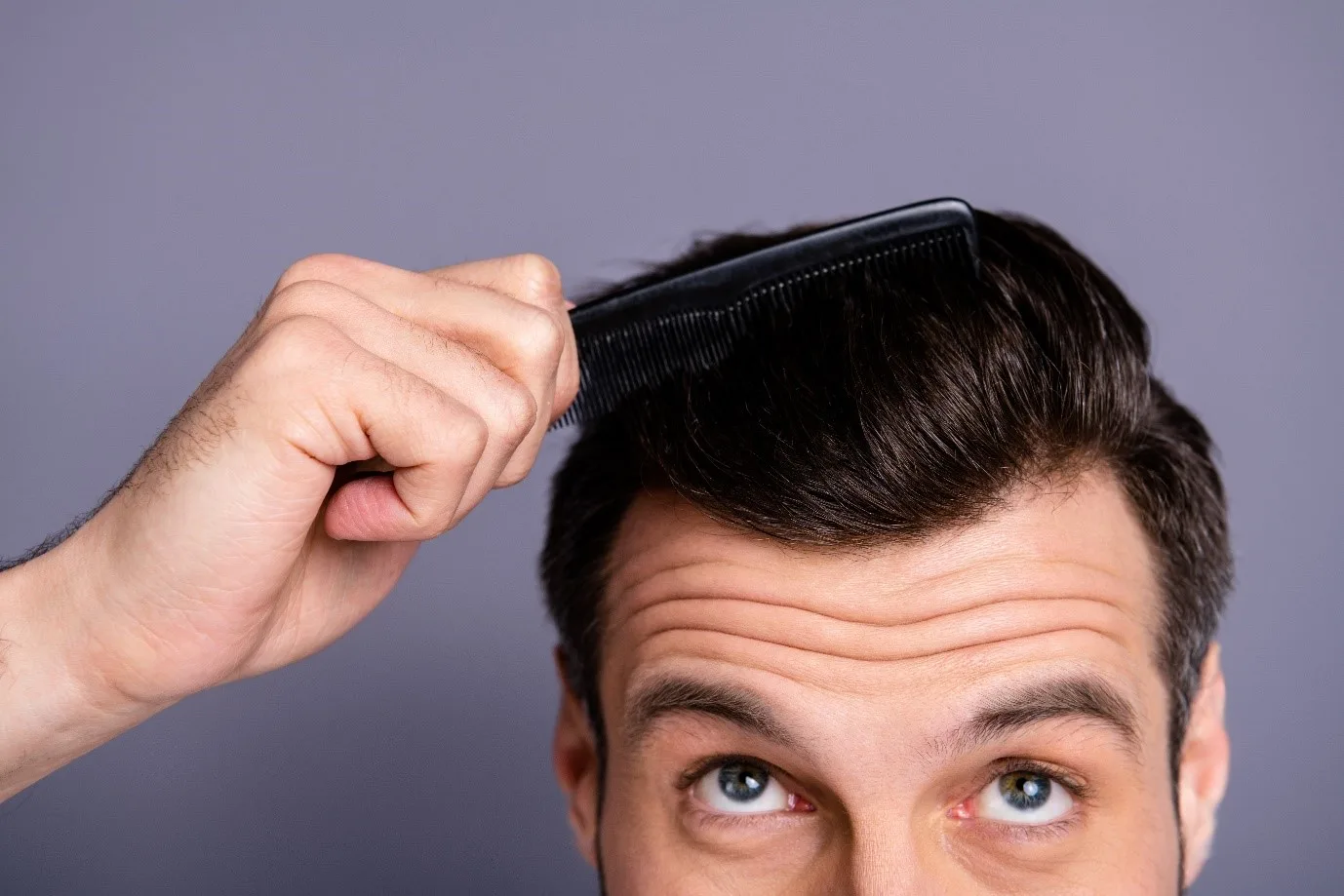
Why Post-Transplant Care Is Crucial
The first few weeks after surgery are the “make or break” period. Your newly implanted follicles are essentially living tissue that needs to re-establish a blood supply. Improper care can lead to graft failure, meaning those hairs won’t survive the transition. Long-term maintenance ensures that while the transplanted hair stays (since it’s usually resistant to balding), your native hair doesn’t continue to thin around it.
How Hair Growth Cycles Affect Transplant Results
Hair naturally moves through the Anagen (growth), Catagen (transition), and Telogen (resting) phases. After a transplant, your hair will likely enter a “shock loss” phase where the hair shafts fall out. Don’t panic! According to clinical hair growth studies, this is a normal part of the cycle before the follicles start producing new, permanent strands.
Immediate Post-Transplant Care
First 48 Hours: Do’s and Don’ts
The first 48 hours are about protecting the grafts from physical displacement.
Do: Sleep with your head elevated at a 45-degree angle to reduce swelling.
Don’t: Touch, scratch, or pick at the recipient area.
Don’t: Drink alcohol or smoke, as it constricts blood flow.
Washing and Cleaning Your Scalp Safely
You generally shouldn’t wash your hair for the first 48 hours. When you do start, use a “cup-rinse” method. Pour lukewarm water mixed with a mild shampoo over the area—never let the high-pressure shower head hit the grafts directly.
Managing Swelling, Redness, and Scabs
Swelling is common and usually peaks on day 3. Scabs will form around the grafts; let them fall off naturally. Picking at them can pull out the entire follicle, ruining the maintain hair transplant in Malaysia effort before it even begins.
Short-Term Care (First 1–4 Weeks)
Avoiding Physical Stress and Sun Exposure
In Malaysia, the sun is your enemy post-op. Direct UV rays can damage the sensitive scalp tissue and pigment. If you must go out, wear a very loose-fitting hat or use an umbrella. Also, skip the gym for at least 14 days to prevent sweat-induced infections and blood pressure spikes.
Safe Hair Products for New Grafts
Stick to baby shampoos or specialized post-op kits. Avoid anything with minoxidil or harsh chemicals until your doctor gives the green light—usually around the 3-week mark.
Long-Term Hair Care for Transplant Maintenance
Daily Hair Care Routines
Once the grafts are “locked in” (after about a month), you can return to a regular routine. However, treat your hair with respect. Pat dry instead of rubbing vigorously with a towel.
Recommended Shampoos, Conditioners, and Oils
Look for sulfate-free options. In the Malaysian heat, you might deal with sebum buildup. A clarifying shampoo once a week can help, but ensure it contains nourishing ingredients like Argan or Jojoba oil.
Nutrition and Lifestyle Tips for Hair Health
Vitamins and Supplements for Hair Growth
Your follicles need fuel. Key nutrients include:
Biotin (B7): For keratin production.
Zinc & Iron: To prevent shedding.
Vitamin D: To stimulate follicle receptors.
Hydration and Diet Recommendations in Malaysia
With our local diet being rich in spices and fats, make sure you’re balancing it out with plenty of water. Dehydration can lead to a dry, itchy scalp, which isn’t great for hair density.
Stress Management and Sleep Importance
High cortisol levels can trigger telogen effluvium, a condition where hair sheds prematurely. Prioritize 7–8 hours of sleep to give your body time to repair and regenerate cells.
Medical Maintenance and Follow-Up
PRP, Laser Therapy, and Other Adjunct Treatments
Many clinics in KL recommend Platelet-Rich Plasma (PRP) therapy. This involve using your own blood’s growth factors to “fertilize” the scalp. Low-Level Laser Therapy (LLLT) is another great non-invasive way to keep the blood circulating.
Monitoring Hair Density and Health Over Time
A hair transplant doesn’t stop natural aging. You may need to continue medications like Finasteride or Minoxidil to prevent the rest of your hair from thinning out, which ensures your transplant results look natural as you age.
Frequently Asked Questions
How Long Before New Hair Becomes Permanent?
By the 12-month mark, the transplanted hair is fully established. It will now grow, shed, and regrow just like the hair on the back of your head.
Can I Swim or Exercise After a Hair Transplant?
Avoid swimming (chlorine is harsh!) and heavy lifting for at least 3 to 4 weeks. After that, you’re free to hit the pool or the gym.
How Often Should I Follow Up With My Clinic?
Most specialists suggest a check-up at 3, 6, and 12 months post-procedure to track density and address any “patchy” growth.
Final Verdict: Is Maintenance Worth the Effort?
Absolutely. A hair transplant is a lifelong investment in your appearance and confidence. By following a strict post-op routine and supporting your scalp with the right nutrition and medical follow-ups, you can ensure your results look as good in 2036 as they do today.