
Breast reduction surgery, medically known as reduction mammoplasty, is a surgical procedure designed to remove excess breast fat, glandular tissue, and skin to achieve a breast size more proportionate to your body. In Malaysia, it is commonly performed to alleviate physical discomfort and improve self-confidence in patients with macromastia.
What Is Breast Reduction Surgery?
Medical Definition of Reduction Mammoplasty
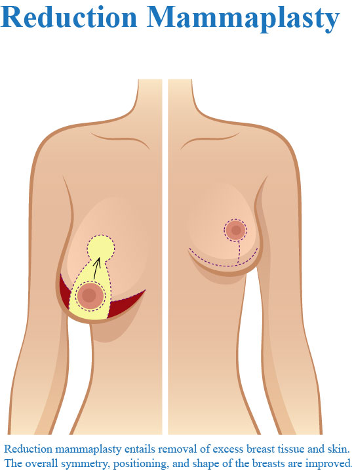
Reduction mammoplasty is a specialized plastic surgery procedure that reshapes the breast while reducing its weight and volume.
It is often categorized as a reconstructive procedure in Malaysia when performed to treat chronic back, neck, and shoulder pain caused by heavy breasts.
The surgery involves repositioning the nipple and areola to a higher, more youthful position while removing the underlying heavy tissue.
According to the American Society of Plastic Surgeons, the goal is to provide functional relief alongside an improved aesthetic silhouette.
How Breast Reduction Surgery Works
The surgeon carefully measures the breast to determine the amount of tissue needed for removal based on the patient’s height and frame.
By removing the heavy downward pull of excess tissue, the procedure shifts the center of gravity closer to the spine, immediately improving posture.
Modern techniques focus on preserving the blood supply and nerve sensation to the nipple-areola complex (NAC).
In Malaysia, surgeons use state-of-the-art equipment to ensure precise tissue excision and internal suturing for long-term support.
Who Is Suitable for Breast Reduction Surgery?
Physical Symptoms of Large Breasts
Chronic pain in the back, neck, and shoulders that doesn’t respond to physical therapy or pain medication.
Deep grooves or indentations in the shoulders caused by bra straps supporting excessive weight.
Persistent skin rashes, fungal infections, or irritation under the breast fold (intertrigo).
Numbness or tingling in the hands and arms, often linked to nerve compression from heavy breast tissue.
Ideal Candidates for Surgery
Women whose physical activities and exercise routines are limited by the size and weight of their breasts.
Patients with asymmetrical breasts where one side is significantly larger than the other.
Individuals who are at a stable weight, as significant weight fluctuations can alter surgical results.
Nonsmokers, as smoking significantly hinders the healing process and increases the risk of skin necrosis.
Medical Requirements and Considerations
In Malaysia, candidates should ideally be at least 18 years old to ensure breast development is complete.
A pre-surgical mammogram or breast ultrasound is often required to ensure no underlying pathologies are present.
Surgeons evaluate the patient’s BMI (Body Mass Index) to ensure they are within a safe range for general anaesthesia.
Patients planning future pregnancies should discuss this with their doctor, as pregnancy can change breast size and potentially affect breastfeeding.
Benefits of Breast Reduction Surgery
Pain Relief and Physical Comfort
Significant reduction or total elimination of upper body pain and tension headaches.
Improved breathing capacity as the weight on the chest wall is lightened.
Better spinal alignment and a decrease in the occurrence of “hunching” or poor posture.
Elimination of painful skin chafing and chronic irritation in the inframammary fold.
Improved Body Proportion
A more balanced and symmetrical figure that makes clothes fit more comfortably and naturally.
Enhanced self-image and confidence, especially for those who felt self-conscious about their size.
A more youthful breast shape with a lifted appearance, effectively correcting severe breast ptosis (sagging).
Lifestyle and Mobility Improvement
The ability to engage in high-impact sports, such as running or jumping, without pain or excessive bounce.
Easier access to off-the-rack clothing and undergarments that were previously difficult to find.
Increased social participation and a boost in overall mental well-being due to improved mobility.
Breast Reduction Surgery Procedure
Consultation and Surgical Planning
The surgeon performs a physical examination and discusses the patient’s desired cup size.
Standardized photography is taken for the medical record and to help plan the incision sites.
The doctor reviews the patient’s medical history, including any previous breast biopsies or family history of breast cancer.
Surgical Techniques Used
Liposuction-only: Best for patients with excess fat rather than glandular tissue and good skin elasticity.
Vertical (Lollipop) Reduction: Suitable for moderate reductions, resulting in a scar around the areola and a vertical line down.
Inverted-T (Anchor) Technique: The most common method for larger reductions, providing maximum lifting and tissue removal.
Incision Types and Surgical Approach
The surgeon marks the skin while the patient is standing to ensure accurate placement of the new nipple position.
Excess skin and glandular tissue are removed through the chosen incision pattern.
The nipple-areola complex is typically moved upward while remaining attached to its original blood supply.
Surgery Duration and Anaesthesia
The procedure is performed under general anaesthesia in a MOH-licensed hospital or ambulatory care centre.
Typically, the surgery takes between 2 to 4 hours, depending on the complexity and amount of tissue removed.
Patients may stay overnight for monitoring or be discharged on the same day for smaller procedures.
Breast Reduction Results and Timeline
Immediate Post-Surgery Changes
A noticeable lightness in the chest area and an immediate improvement in the breast profile.
The breasts will initially appear high and firm due to surgical tightening and swelling.
Drainage tubes may be present for the first 24–48 hours to remove excess fluids.
Swelling and Healing Timeline
Major swelling and bruising are common in the first 2 to 3 weeks.
Stitches are typically removed or dissolve within 10 to 14 days post-op.
Most patients can return to light desk work within 1 to 2 weeks.
Final Results (3–6 Months)
The breasts “drop and fluff,” settling into their permanent, natural position.
Surgical scars will begin to fade from red to pink, eventually becoming thin, pale lines.
Patients see the full functional benefits, including the complete resolution of back and neck pain.
Breast Reduction Recovery and Aftercare
Recovery Timeline and Downtime
Week 1: Focus on rest; minimal arm movement is advised.
Weeks 2-4: Gradual return to walking and light activity; avoid lifting heavy objects.
Week 6+: Resumption of strenuous exercise and gym activities after surgeon clearance.
Post-Surgery Care Instructions
Keep the incision sites clean and dry to prevent infection.
Take prescribed antibiotics and pain relievers exactly as directed by your surgeon.
Avoid sleeping on your stomach or side for at least 4 weeks to protect the incisions.
Support Garment Usage
A specialized surgical support bra must be worn 24/7 for the first 4 to 6 weeks.
These garments reduce swelling, provide internal support, and help the skin adhere to the new contours.
Underwire bras should be avoided for several months to prevent irritation of the scar line.
Risks and Side Effects of Breast Reduction Surgery
Common Side Effects
Temporary bruising, swelling, and soreness in the treated area.
Temporary numbness or hypersensitivity in the nipples or breast skin.
Mild asymmetry as the two sides may heal at slightly different rates.
Surgical Risks and Complications
Potential for wound healing issues, particularly at the “T-junction” of an anchor incision.
Loss of nipple sensation or, in very rare cases, partial or total loss of the nipple (necrosis).
Possibility of “fat necrosis,” where small firm lumps form deep within the breast tissue.
Scar Healing and Management
Scars are inevitable but are usually positioned to be hidden by a bra or bikini top.
Surgeons in Malaysia often recommend silicone gel sheets or laser treatments to improve scar appearance.
The International Society of Aesthetic Plastic Surgery (ISAPS) emphasizes following post-op scar care to ensure the best cosmetic outcome.
Breast Reduction Surgery Cost in Malaysia
Average Price Range
In Malaysia, the cost typically ranges from RM 15,000 to RM 30,000.
Government hospitals may offer lower rates for medically necessary cases, but waitlists can be long.
Private medical centres offer more immediate access and personalized surgical options.
Cost Factors
The surgeon’s experience and professional fees.
Hospital facility fees and the length of the stay.
The complexity of the surgery (amount of tissue removal vs. liposuction needs).
What Is Included in the Price
Anaesthesiologist fees and the cost of general anaesthesia.
Post-operative follow-up visits for the first few months.
Surgical garments and basic post-op medications.
Breast Reduction Surgery FAQs
Is breast reduction surgery painful?
While patients experience soreness and tightness, the pain is usually well-managed with oral medication. Most patients find the relief from back pain far outweighs the temporary surgical discomfort.
How long is recovery?
Initial recovery takes about 1 to 2 weeks for daily tasks. However, it takes about 6 weeks for full tissue healing and up to 6 months for the final shape to stabilize.
Will there be scars?
Yes, all breast reductions involve scars. However, modern techniques aim to keep these as thin as possible, and they generally fade significantly over the first year.
Is the result permanent?
The results are generally permanent. However, significant weight gain, pregnancy, or hormonal changes can cause the breasts to enlarge again.
Can I breastfeed after surgery?
Many women can breastfeed, but it is not guaranteed. The Academy of Breastfeeding Medicine notes that breastfeeding success depends on the specific surgical technique used and the preservation of milk ducts.