
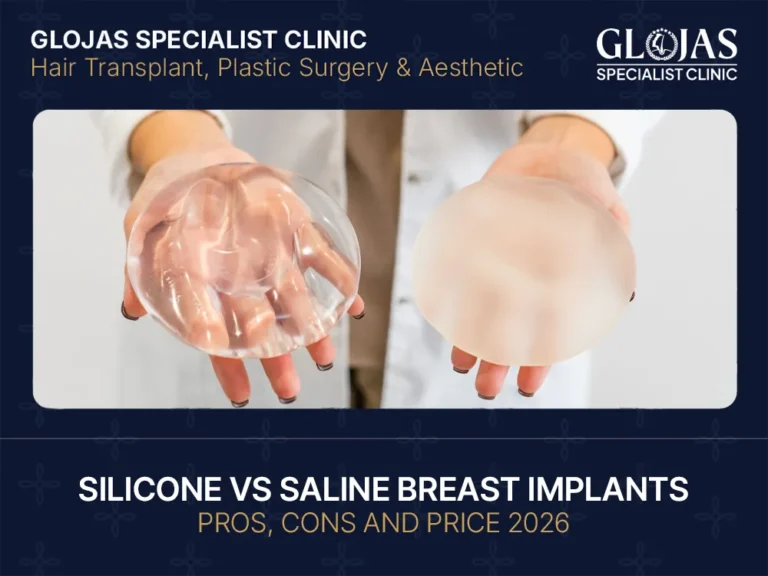
Choosing between silicone vs saline implants involves weighing the “natural feel” of cohesive silicone gel against the “peace of mind” provided by saline’s easy rupture detection. While silicone mimics human fat more closely, saline offers adjustable volumes and smaller incisions. Both are FDA-approved medical devices with high satisfaction rates.
Understanding Silicone vs Saline Implants
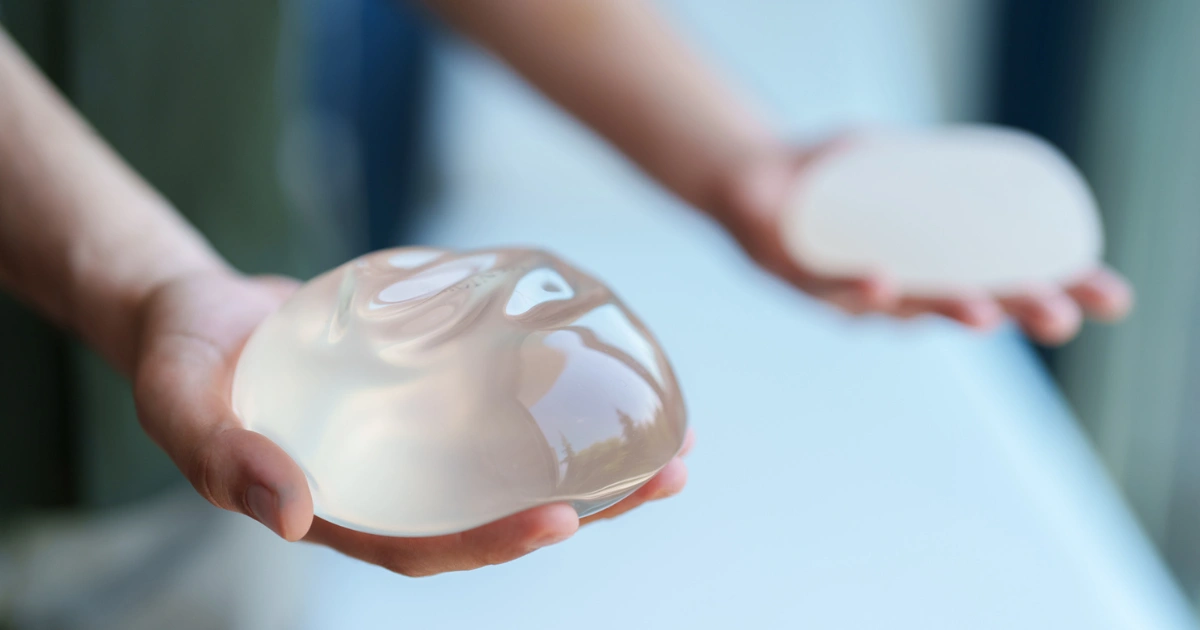
When you’re looking to enhance your silhouette, the “Silicone vs Saline” debate is usually the first fork in the road. At GLOJAS Specialist Clinic, we believe the best choice isn’t universal—it’s personal. Our board-certified surgeons focus on your anatomy, tissue thickness, and lifestyle to help you decide.
1. Silicone Gel Implants: The “Natural” Gold Standard
Silicone implants are pre-filled with a cohesive gel that behaves a lot like natural breast tissue. In 2026, the latest “gummy bear” or highly cohesive gel versions are the go-to for many because they hold their shape even if the shell is compromised.
The Pros:
Authentic Texture: They feel softer and move more like real breasts.
Less Rippling: Because the gel is thick, you’re less likely to see “waves” or wrinkles under the skin, especially if you have a slender frame.
Custom Shapes: Available in both round and anatomical (teardrop) profiles.
The Cons:
Silent Ruptures: If they leak, you might not notice immediately. The FDA recommends periodic ultrasound or MRI monitoring.
Larger Incisions: Since they come pre-filled, the surgeon needs a slightly wider opening.
2. Saline-Filled Implants: Simple and Adjustable
Saline implants consist of a silicone shell filled with sterile saltwater. They have been a reliable choice for decades, particularly for those who prioritize a “firmer” look or a smaller scar.
The Pros:
Smaller Scars: These are inserted empty and filled once they’re in place, allowing for much smaller incision sites.
Instant Rupture Detection: If a saline implant leaks, the breast will deflate visibly within a day. The saltwater is then safely absorbed by your body.
Volume Control: Your surgeon can fine-tune the filling during surgery to ensure perfect symmetry.
The Cons:
Firmness: They can feel a bit more like a “water balloon” than natural tissue.
Visible Rippling: In patients with very little natural breast tissue, the edges of the implant might be more palpable or visible.
Silicone vs Saline Implants Clinical Evidence & Safety Standards
Modern breast augmentation is backed by rigorous data. Two landmark studies highlight the long-term performance of these devices:
The “Systematic Review of Long-Term Complications” (2024/2025): This study confirmed that while silicone implants have a slightly higher risk of capsular contracture, they provide significantly higher patient satisfaction regarding aesthetic “naturalness” compared to saline. [Reference: MDPI Prosthesis, 2024].
FDA Safety Updates (2021-2026): The FDA’s latest guidance emphasizes the importance of the Patient Decision Checklist. At GLOJAS, we ensure every patient is briefed on the biocompatibility of the silicone shell, which is common to both types. [Reference: FDA Breast Implant Labeling Guide].
Silicone vs Saline Implants Comparison Table: At a Glance
| Feature | Silicone Gel Implants | Saline-Filled Implants |
| Primary Feel | Soft, natural mimicry | Firmer, more “perky” |
| Incision Size | Moderate (4–5 cm) | Minimal (2–3 cm) |
| Rupture Sign | “Silent” (requires imaging) | Immediate deflation |
| FDA Age Limit | 22+ for augmentation | 18+ for augmentation |
| Rippling Risk | Very Low | Higher in thin patients |
Frequently Asked Questions (FAQ) About Silicone vs Saline Implants
Q1: Which implant lasts longer, silicone or saline?
Neither is considered a “lifetime” device. Most implants are designed to last 10 to 20 years. However, high-quality cohesive silicone gels used in 2026 have shown remarkable durability against shell fatigue.
Q2: Will people be able to tell I have implants?
With silicone implants and submuscular placement (under the muscle), it is very difficult to tell. Saline can sometimes be visible in very thin patients, but our surgeons use advanced placement techniques to minimize this.
Q3: Is the silicone leak dangerous?
Modern cohesive silicone is not a liquid; it’s more like a solid gel. If the shell breaks, the gel typically stays in place. Clinical studies have not found a link between silicone gel and systemic diseases, though a ruptured implant should always be replaced.
Q4: Can I breastfeed with these implants?
Yes, most women can successfully breastfeed with either type. The choice of incision (such as the inframammary fold) is often more important for breastfeeding than the filler material itself.
Q5: Why is silicone more expensive?
Silicone implants involve a more complex manufacturing process to create the cohesive gel and multi-layered shells that prevent “gel bleed.”
Why Choose GLOJAS for Your Journey?
At GLOJAS Specialist Clinic, we don’t just “do surgery.” We craft results. Led by MOH-certified and NSR-registered surgeons with over 25 years of experience, our clinic in Kuala Lumpur utilizes the latest 2026 surgical protocols to ensure your safety and satisfaction.
Whether you’re leaning toward the natural movement of silicone or the safety-first profile of saline, we provide a personalized roadmap to the “new you.”