
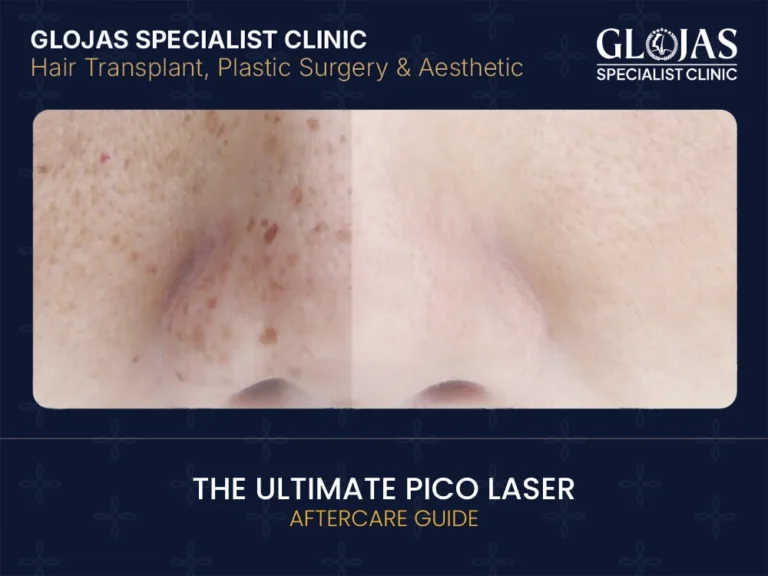
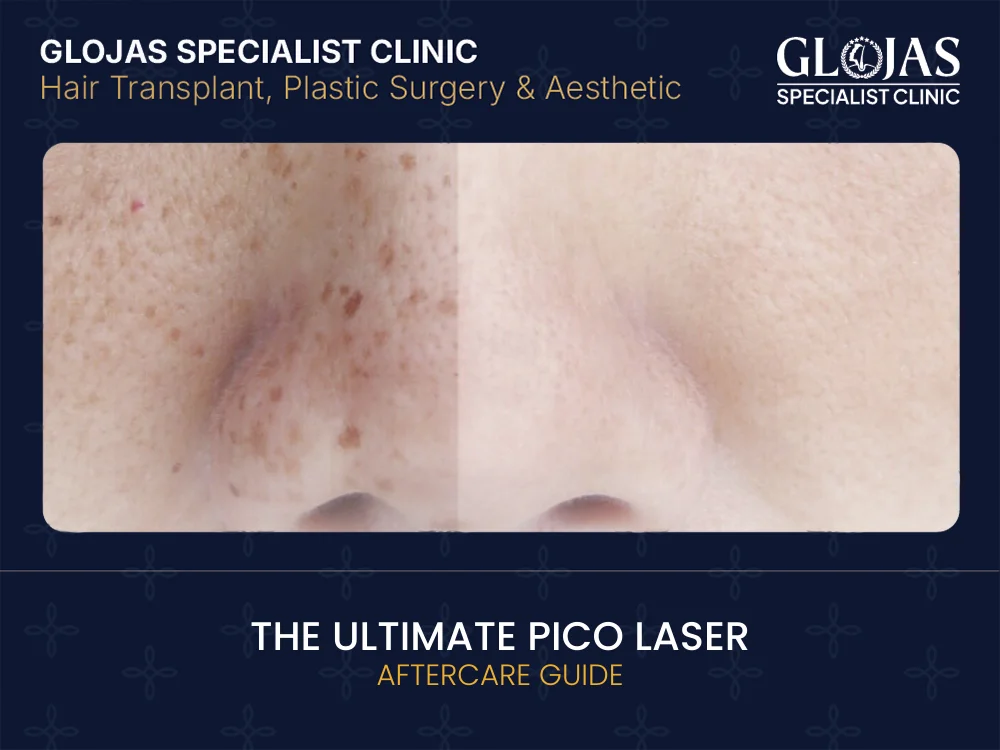
Pico laser is widely used for pigmentation, acne scars, and overall skin rejuvenation. While the technology is advanced and gentle, the treatment outcome does not depend on the laser alone. What you do after the procedure plays a major role in skin recovery and final results. This Ultimate Pico Laser Aftercare Guide explains what happens to your skin, what to do day by day, and how to protect your results for the long term.
What Is Pico Laser Aftercare and Why Is It Important?
Pico Laser Aftercare refers to the skincare steps and lifestyle adjustments needed after a pico laser treatment to support healing and prevent complications. Although pico laser uses ultra-short pulses that minimize heat damage, the skin still undergoes controlled inflammation. Proper Pico Laser aftercare helps calm the skin, reduce redness, prevent post-inflammatory hyperpigmentation (PIH), and ensure smoother, longer-lasting results.
How Pico Laser Affects the Skin
Pico laser works by delivering energy in picoseconds, creating a photoacoustic effect that breaks pigment into tiny particles. These particles are then cleared naturally by the body.
After treatment, the skin may experience:
- Temporary redness
- Mild swelling
- Warm or tight sensation
- Darkening of pigment before it fades
These reactions are normal and part of the healing process.
The First 24 Hours After Pico Laser
The first day is the most critical phase of recovery.
What You Should Do
- Keep the treated area clean and dry
- Wash gently using a mild, non-foaming cleanser
- Apply soothing products recommended by your provider
- Use broad-spectrum sunscreen if exposed to daylight
What You Should Avoid
- Touching, rubbing, or scratching the skin
- Makeup unless approved
- Hot showers, saunas, or steam rooms
Protecting the skin barrier during this phase helps prevent irritation.
Days 2–7: Early Healing Phase
During this period, the skin begins stabilizing.
Common Skin Changes
- Redness gradually subsides
- Pigmented spots may look darker before lightening
- Mild dryness or flaking may appear
Recommended Care
- Continue gentle cleansing twice daily
- Use fragrance-free moisturizers
- Apply mineral sunscreen daily
- Avoid exfoliation and active ingredients
This phase is essential for preventing pigmentation rebound.
Skincare Ingredients That Support Healing
Choosing the right ingredients can improve comfort and recovery.
Recommended Ingredients
- Hyaluronic acid for hydration
- Ceramides to repair the skin barrier
- Panthenol (Vitamin B5) for soothing
- Centella asiatica for inflammation control
- Low-strength niacinamide for barrier support
These ingredients help restore balance without irritating sensitive skin.
Ingredients to Avoid After Pico Laser
Certain skincare products can interfere with healing.
Avoid Temporarily
- Retinoids and retinol
- Alpha hydroxy acids (AHA)
- Beta hydroxy acids (BHA)
- Vitamin C in the early phase
- Physical scrubs or cleansing brushes
Most active ingredients can be slowly reintroduced after full recovery.
Sun Protection: The Most Important Pico Laser Aftercare Step
Sun exposure is the leading cause of complications after laser treatments.
Best Sun Protection Practices
- Use SPF 30 or higher every day
- Reapply sunscreen every 2–3 hours
- Wear wide-brim hats when outdoors
- Avoid direct sun during peak hours
Consistent sun protection significantly lowers the risk of PIH.
Can You Wear Makeup After Pico Laser?
Whether you can wear makeup after pico laser treatment depends on your skin’s sensitivity, the treatment intensity, and how your skin responds during the first 24–48 hours. While pico laser has minimal downtime, giving your skin time to recover is important for optimal results.
General Guidelines for Makeup Use After Pico Laser
Light makeup after 24 hours
In most cases, light makeup can be applied about 24 hours after treatment, once redness and warmth have subsided. Tinted sunscreen or mineral-based powder is often preferred during the early healing phase.
Choose gentle, skin-friendly products
Use non-comedogenic, fragrance-free, and hypoallergenic makeup to reduce the risk of irritation or clogged pores. Mineral makeup is usually better tolerated, especially for sensitive or post-laser skin.
Avoid heavy foundation initially
Heavy or full-coverage foundation should be avoided for the first few days, as it can trap heat, block pores, and interfere with skin healing. Allow the skin to breathe and recover naturally.
Additional Tips for Safe Makeup Use
Apply makeup with clean brushes or sponges
Remove makeup gently without rubbing
Avoid products with active ingredients such as retinoids, acids, or alcohol
Always apply broad-spectrum sunscreen before makeup during the day
Exercise, Heat, and Lifestyle Considerations
Heat and sweat can increase inflammation.
Avoid for 48–72 Hours
- Intense workouts
- Swimming pools
- Hot yoga or saunas
- Steam rooms
Light walking is usually safe, but heavy exercise should wait.
How Long Does Pico Laser Recovery Take?
Pico laser recovery time is generally short, especially when compared to traditional laser treatments. Healing varies based on factors such as skin type, treatment intensity, targeted concern (pigmentation, acne scars, or skin rejuvenation), and how well Pico Laser aftercare instructions are followed.
Typical Pico Laser Recovery Timeline
Redness (1–3 days)
Immediately after treatment, mild redness and warmth are common. This usually feels similar to a light sunburn and settles within a few hours to a few days. Sensitive skin types may experience slightly longer redness.
Pigment Darkening (3–7 days)
For pigmentation treatments, dark spots may temporarily appear darker before they fade. This is a normal part of the skin’s healing process, as pigmented cells rise to the surface and shed naturally. Avoid picking or exfoliating during this phase.
Skin Normalization (1–2 weeks)
As the skin heals, tone and texture gradually even out. Any dryness, roughness, or flaking resolves, revealing clearer and brighter skin. Most patients can return to normal skincare routines within this period.
Ongoing Skin Improvement
Although the surface recovery is quick, pico laser continues to work beneath the skin. Collagen and elastin remodeling occur over several weeks, leading to progressive improvements in skin texture, fine lines, acne scars, and overall skin quality.
Factors That Affect Recovery Time
Individual skin sensitivity
Treatment depth and energy settings
Size of the treated area
Sun exposure and post-treatment care
Use of gentle, hydrating skincare products
With proper Pico Laser aftercare and sun protection, most patients experience minimal downtime and noticeable results within weeks, making pico laser a popular option for those seeking effective skin improvement with a fast recovery.
Warning Signs You Should Not Ignore
Contact your provider if you experience:
- Severe pain or blistering
- Prolonged swelling
- Signs of infection
- Pigmentation worsening after two weeks
Early assessment helps prevent long-term issues.
How Pico Laser Aftercare Affects Long-Term Results
Proper Pico Laser aftercare plays a critical role in determining how effective pico laser treatment will be and how long the results last. While the laser triggers skin renewal, what you do after the procedure directly influences healing, pigment stability, and overall skin quality.
Benefits of Good Pico Laser Aftercare
Improves treatment effectiveness
Following Pico Laser aftercare instructions allows the skin to heal efficiently, helping the laser energy work optimally beneath the surface. This supports collagen stimulation and enhances visible improvements in skin tone, texture, and clarity.
Reduces the need for repeat sessions
Consistent sun protection, gentle skincare, and proper hydration help maintain results for longer. When the skin recovers well, fewer maintenance or corrective sessions may be needed over time.
Maintains even skin tone
Daily use of broad-spectrum sunscreen and avoidance of heat or sun exposure reduce the risk of post-inflammatory hyperpigmentation (PIH), especially in medium to darker skin tones. This helps preserve a more even and radiant complexion.
Supports healthy skin barrier function
Using mild cleansers, moisturizers, and barrier-repair products strengthens the skin’s protective layer. A healthy barrier reduces sensitivity, prevents moisture loss, and promotes smoother, more resilient skin after treatment.
Risks of Poor Pico Laser Aftercare
Inadequate Pico Laser aftercare—such as sun exposure, picking at darkened spots, over-exfoliation, or using harsh active ingredients too soon—can disrupt healing. This may lead to prolonged redness, delayed recovery, uneven results, or increased pigmentation risk.
Key Takeaway
Pico laser results don’t depend on the procedure alone. Proper aftercare is essential for faster healing, safer outcomes, and longer-lasting improvements. When patients follow recommended post-treatment care, they are more likely to achieve clearer, brighter, and healthier-looking skin over time.
10 FAQs: Pico Laser Aftercare
1. How long should pico laser aftercare be followed?
Most steps are important for at least 7–14 days.
2. Can I wash my face after pico laser?
Yes, with a gentle cleanser, usually within 24 hours.
3. Is redness normal after pico laser?
Yes, mild redness is common and temporary.
4. When should I start using sunscreen?
Immediately, even on cloudy days.
5. Can I use active skincare products right away?
No, wait until the skin has fully recovered.
6. Can poor aftercare cause pigmentation?
Yes, especially without sun protection.
7. Is aftercare different for dark skin?
Yes, sun avoidance is even more critical.
8. Can I exfoliate after pico laser?
Avoid exfoliation until healing is complete.
9. Does hydration help recovery?
Yes, hydrated skin heals faster and better.
10. When will final results be visible?
Results improve gradually over several weeks.
Final Thoughts
Following proper Pico Laser Aftercare is essential for achieving safe, even, and long-lasting results. While pico laser technology is designed to minimize skin damage, your daily care choices play a major role in recovery. By protecting your skin, avoiding irritants, and committing to sun protection, you give your skin the best environment to heal and regenerate.